


What is Radon?
Radon is a naturally occurring radioactive gas that is odorless, colorless, and tasteless. It is formed from the decay of uranium in soil, rock, and water.
According to the EPA, radon is the number one cause of lung cancer among non-smokers. Radon is responsible for about 21,000 lung cancer deaths every year. About 2,900 of these deaths occur among people who have never smoked.
The risk of lung cancer from radon exposure is estimated to be 10-20 times higher in smokers. Children are also at a higher risk for the damage from radon inhalation due to having smaller lungs and faster breathing rates.
Where is Radon Exposure Occurring?
When I was living in Colorado, we drilled a well on our ranch. The water had high levels of radon that required a special filter. In certain states, the risk of radon exposure through the water or foundation of a house is much higher based on the geological makeup, so it is wise to find out about testing in your area.
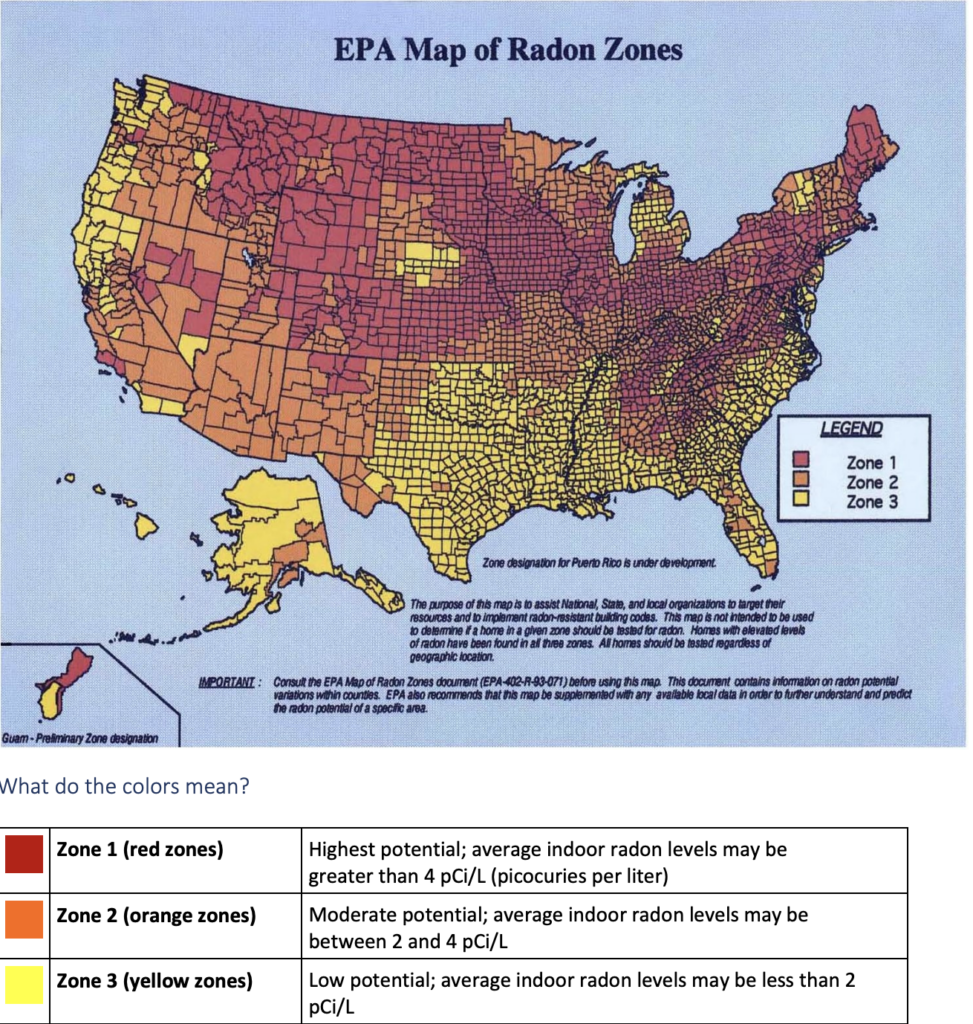
The EPA created a Radon map here. Researchers have noted that North Dakota and Iowa appear to have the highest risk.
Radon Exposure and Genetic Risks
Radon gas is a known carcinogen. When inhaled, radon gas can damage the DNA in lung cells, leading to the development of lung cancer.
While radon exposure is mainly influenced by environmental factors such as the presence of radon in a particular area or building, genetic factors may also play a role in an individual’s susceptibility to its harmful effects.
Studies have suggested that certain genetic variants in genes involved in DNA repair genes like ERCC1, SOD2, and the glutathione gene GSTM1 may contribute to an individual’s susceptibility to radon-induced lung cancer. For those with the risk genotypes for each gene, researchers found that the risk of radon-induced lung cancer was much higher. You can get your GSTM1 gene tested at Nutrition Genome.
Currently, data for the highest rates of non-smoking lung cancer does not exist. At least, I couldn’t find it. Therefore, narrowing it down based on where you live, getting your house tested, and being aware that general exposure in the area may be higher is the first step. There are some strategies you can do to be more proactive in protecting your lungs based on what we know about DNA repair and GSTM1.
Epigenetic Strategies for Radon Exposure

For the best multivitamins to hit the major micronutrients, see our best and worst list here.
1. Organic Greens Powder with 23 Superfoods (15% off with this link)
For close to 15 years now, this is the first greens powder that I have been truly impressed by and I now use every day. The product was designed on the platform that they do not use any cereal grasses and it contains 23 superfoods of cold-processed vegetables, fruits, spices and herbs. PaleoValley has continued to have a reputation for being vigilant about clean sourcing, processing and testing methods.
This is a great way to get your cruciferous vegetables and ginger for GSTM1, getting manganese, boron, vitamin C, and lutein to target SOD2, and spinach, acerola cherry, and ginger to target DNA repair genes related to radon exposure.
I also personally add Black Raspberry Powder to this product to add an excellent flavor to it and additional anti-cancer benefits, including promising research for lung cancer prevention.
2. NeuroEffect (15% off with this link)
This supplement contains 2,100mg total of Lion’s mane, cordyceps, reishi, chaga, turkey tail, shiitake, maitake, tremella, and coffee fruit berry. It has been tested to contain over 26% beta-glucans. While this product is marketed for enhanced cognition, the truth is that this is also a strong anti-cancer combination as well. See all of the anti-cancer benefits for the lungs and other organs here.

0 Comments