
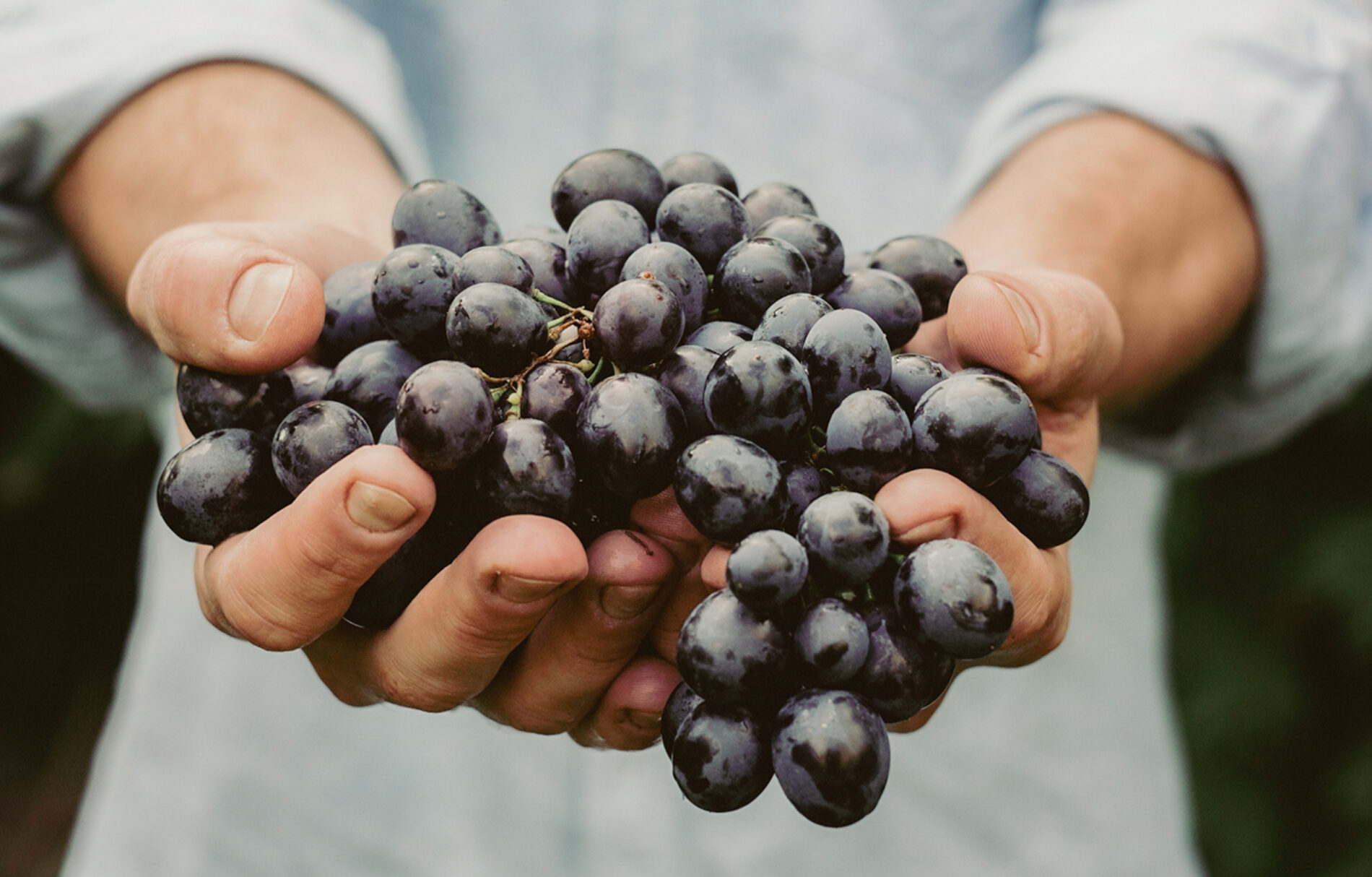


After fifteen years of researching longevity, I have repeatedly read convincing and consistent evidence showing a positive association between wine intake and longevity. The question of why it increases longevity is still up for debate.
From a dietary standpoint, resveratrol is the top compound isolated from red wine as the longevity star. Researchers thought this magic bullet explained the 3-decade debate called the French Paradox, or why French people can have a high saturated fat intake and smoke but experience some of the lowest rates of heart disease.
The problem with this hypothesis was that extremely high amounts of resveratrol would have to be consumed to match the benefits found in lab studies, and red wine alone could not explain the French Paradox.
Resveratrol has many health benefits, and wines with higher levels of resveratrol should be sought after. Other researchers believe procyanidins are the key, and the higher, the better. With procyanidins, researchers have found much higher levels in wine from regions with statistically more longevity, like the Gers region of France or Sardinia.
In red wine, you will also find anthocyanidins, delphinidin, epicatechin, hesperetin, naringenin, apigenin, luteolin, isorhamnetin, kaempferol, myricetin, quercetin, caffeic acid, gallic acid, rutin, ellagic acid, pinoresinol, 11 strains of probiotics and ethanol. Each compound has both singular and cumulative benefits that can explain a reduction of disease.
What the Research Says
A 2020 study in the Netherlands found that those who had the highest probability of reaching 90 consumed 0.5–1.5 glasses of alcohol compared to abstainers. Wine intake was positively associated with longevity (notably in women), whereas liquor was positively associated with longevity in men and inversely in women.
A study in Denmark over 12 years and 13,000 subjects found the risk of dying steadily decreased with an increased intake of wine for those who drank three to five glasses a day. In fact, it cut the risk down by 49% compared to non-drinkers. Intake of beer or spirits, however, was not associated with reduced risk. A higher intake of spirits was linked to an increased risk of death. *It should be noted that when you see these higher wine intakes in European studies, it is almost always spread out throughout the day. It is customary in many places to have one 4 oz. glass with multiple meals starting at lunch.
Research on cloistered nuns in Spain found that moderate red wine consumption increased the expression of key longevity-related genes, including catalase, SOD2, SIRT1, and p53. In the same study, they found red wine increased the longevity of flies by 7%.
Many studies have linked light to moderate red wine consumption to cardioprotective effects, including changes in lipid profiles, reduction of insulin resistance, and a decrease in oxidative stress of low-density lipoprotein cholesterol (LDL-C). Researchers have postulated that this sets wine apart from other types of alcohol regarding longevity.
Depression is a risk factor for heart disease and premature death. In a Swedish study of 5,505 men and women, wine intake of 2-7 drinks per week was associated with significantly lower rates of depression, while heavy drinking was associated with higher rates of depression.
My favorite anecdotal evidence comes from an Italian man named Luigi Cornaro, born in the 1400s and lived until he was 98. His story is compelling because his health deteriorated dramatically by age 40, and his doctor told him if he continued his habits of overconsumption, he would die.
Luigi decided to make an effort to change his ways and consciously live a long life. This included caloric restriction focused on meat, eggs, broth, bread, and daily consumption of 14 oz. of “young” red wine, as well as a focus on following his passions and contributing beauty to the world. He ended up writing a book called The Art of Living Long.
The X-Factor of Wine
On a trip to Paris, I was absolutely struck by the sense of community, friendship, and celebration in a major city. We would start dinner at 10:00 pm – as everyone else did – then until midnight every night, there were people having a glass of wine, smoking, laughing, dancing, and dining. I’ve never witnessed so much joy as I have in both Italy and France. Lifestyle, family, and friends are at center stage. Each night, my glass of wine from a small local farm at a closely packed outdoor Brasserie represented a connection to the vine, farmer, winemaker, chef, waiter, and fellow patrons. I felt instantly connected to the culture.
I think an x-factor comes with wine that is harder to measure. Wine brings people together, initiating bonding, love, laughter, and stress relief. In almost every Blue Zone, moderate wine consumption is part of the culture. But family, friends, and purpose transcend many so-called “paradoxes” when we try to isolate more measurable markers for longevity. All you have to do is look at the Roseto Effect.
Wine is the vehicle that represents the spirit of life and celebration together. Instead of isolating it down to just one compound, we should look at the transmutation that occurs with traditional winemaking from the farm to the table.
Small Scale Natural Wines vs. Large Scale Additive Wines
“Natural wine” is a term used when there is minimal intervention in the vinification and aging process. Only wild, native yeasts are used during fermentation compared to commercial yeast strains with higher alcohol tolerance. Wild yeasts have a lower alcohol tolerance and therefore represent what our ancestors have always consumed.
You will find minimal to no use of filtering and fining, new oak, the addition of sulfites, and added sugar to wine to increase the alcohol content. Fining includes the use of agents that can bind and filter certain components of the wine. Fining can remove anthocyanins and other polyphenols and lighten the pigment, which is when Mega Purple is added. Added sugar and higher alcohol also degrades anthocyanins. Younger wines are expected to have higher polyphenols than aged wines.
This type of “old world” wine is extremely difficult to find in the United States. If you see a bottle of wine in any chain store, it is almost certainly from a large-scale production vineyard. If the winery is a large-scale production, the chances are that many additives you don’t want are in your wine. Small-scale vineyards from around the world following more traditional practices do not have that kind of production power.
I have always associated wine with headaches. Then I visited Europe and never experienced one headache from any of the wines. What is different here? The wines have the same purity they have had for thousands of years. I discovered the world of winemaking is complex, with numerous factors that can make a glass of wine a joyful experience or a massive headache.
There are 76 FDA-approved wine-making additives in the U.S. Even more alarming is that we will never know what is in each bottle of wine because winemakers don’t have to disclose these on the label. These additives range from harmless to potentially harmful, with individual sensitivities ranging widely.
Conventionally-grown wine grapes receive more pesticides than almonds, table grapes, tomatoes or strawberries. That headache you experience even from one glass? Aside from overdoing it, It may be from the additives, mycotoxins, pesticides, unsafe arsenic levels in California Rosé wines (researchers found the cheaper the wine, the higher the arsenic), or the infamous herbicide glyphosate.
Choosing Clean Wines with the Highest Longevity Compounds
The French term “terroir,” is used to describe how the climate, soil, terrain, and tradition influence a wine’s potential for taste and, in this case, longevity.
You want your wine to come from grapes that are grown in the type of soil and climate to thrive and root deep without irrigation but also have the reserves to survive fungal, viral, and insect attacks without chemical intervention. This is where the magic happens, and phytonutrient compounds are produced at higher levels of defense that improve our survival when consumed.
You want your winemaker to respect a tradition perfected over thousands of years by following natural methods without chemical additives to let the wine speak for itself and preserve the integrity of the health benefits.
While the wine labels don’t often disclose much, here are some key words, phrases, descriptions, grape variety, and more to help you choose the cleanest wines with the highest longevity compounds.
- Dry farmed
- Well established vines farmed for multiple generations
- Low yielding vines
- High altitude
- 3-4 week fermentation and maceration period
- Madiran, Tannat, Nebbiolo, Cabernet, Grenache, Pinot Noir, St. Laurent, and Malbec grapes
- Harsh land like steep rocky slopes
- Cool climates for slow ripening
- Biodynamic
- Alcohol between 12% to 12.8%
- Very low residual sugar
- Very low sulfite content
- Young wines less than 3 years old
- Many wines from France, Italy, Argentina (high altitude vineyards), Willamette Valley (Oregon), and the Okanagan Valley (Canada) statistically will be the best choices
Dry Farm Wines
For approximately 10,000 years of grape growing, dry farming was how grapes were grown. It wasn’t until the 1970’s that California began using irrigation in the Napa Valley, and the practice spread for more consistent and larger harvests. Climate change has also precipitated the use of more irrigation due to the lack of rainfall.
Many wine-growing regions in Europe still get the required 20-30 inches of rainfall between April and October for dry farming, including many in France: Burgundy, Bordeaux, Barolo, Barbaresco, and Brunello. There are actually anti-irrigation laws in place in these regions to prevent plumping the grapes to increase quantity over quality.
Unlike irrigated vineyards that encourage short root systems, dry farming promotes the vines to dig deeper into the soil, reaching for minerals and microbes. However, irrigation techniques like underground hoses could address the issues that can occur with above-ground irrigation, and vineyards with a specific soil type for their climate with minimal irrigation could theoretically produce similar results.
Grape vines forced to struggle more to survive will concentrate higher levels of many disease-preventing phytochemicals. With water deficits, polyphenols are enhanced, and there is an increased grape skin thickness and weight, where you find resveratrol. Thicker and heavier grape skins equal higher levels of resveratrol. Higher clusters of small grapes increase the number of grape seeds in the maceration, boosting the proanthocyanidins. Excess water, heat, and nutrients can hinder polyphenol production.
Dry farming is shown to save 16,000 gallons of water per acre annually. As droughts become more common, vineyards able to move to dry farming can help preserve precious water supplies in regions affected by climate change.
What about the taste?
Recently, French critics rated organic and biodynamic wines 6-12 points higher in scores than conventional or sustainable wines. I recently had a biodynamic Austrian wine from my Dry Farm Wines package, and it was one of the best wines I’ve ever had.
Dry Farm Wine Subscription Box

I first signed up for Dry Farm Wines in 2017. Each month is a gift of exploring new flavors from each year’s harvest, pairing them with meals, and sharing a glass with a loved one. It allows you to travel through the flavors of each country, farm, and season.
Dry Farm Wines does the homework for you by curating and testing every organic and biodynamic wine for residual sugar content, wild yeasts, additives, and alcohol content between 12.0 to 12.8%. This was a big deal to me. They are also the first ones to start changing the industry being putting transparent labels on their wine:
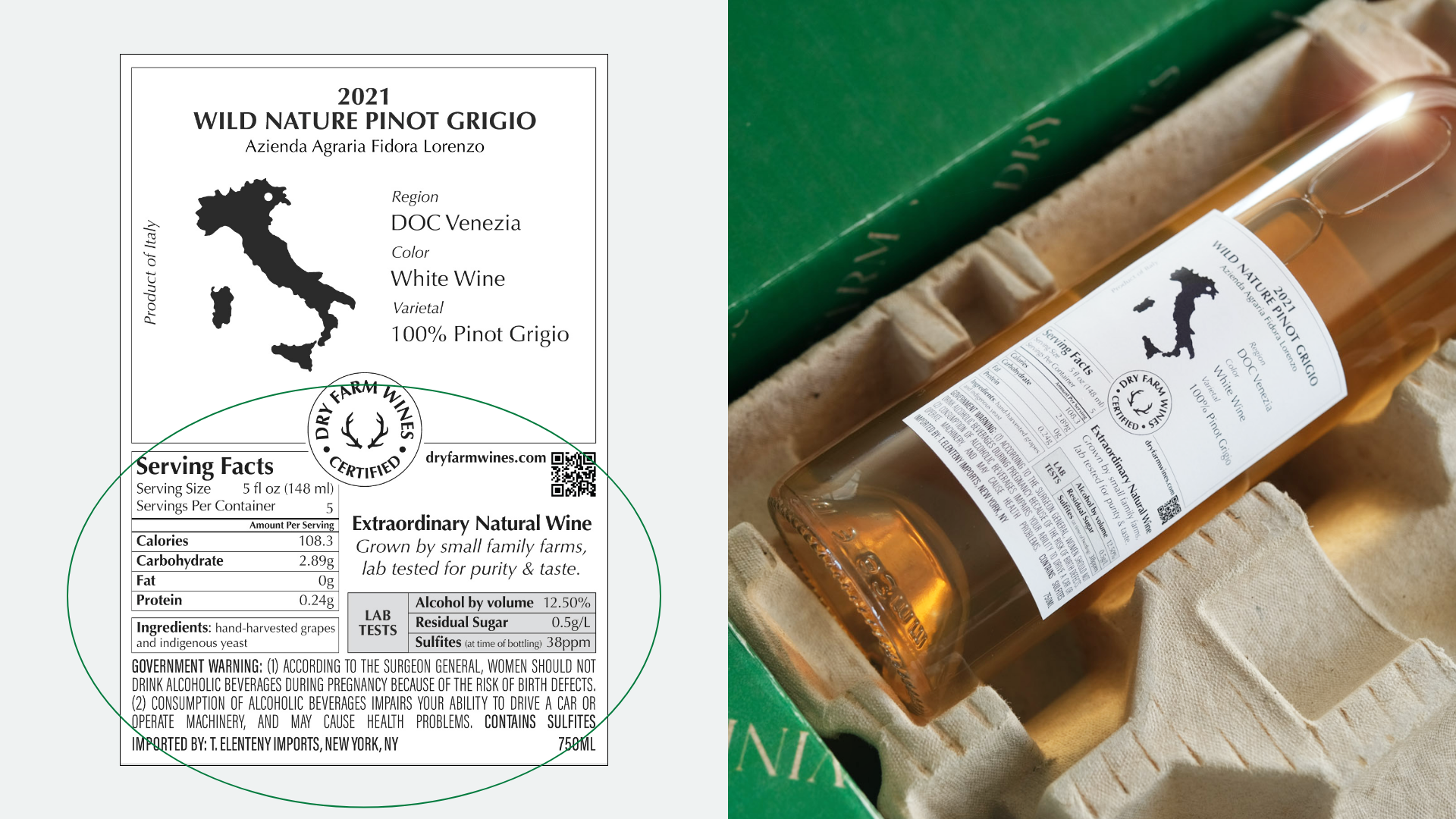
I feel good supporting the stewards of the land producing superior, life-giving wines without irrigation and chemicals. What they do is a labor of love and passion, and I want to support their hard work.
Enjoying this experience with friends and family in a tradition practiced over thousands of years that – to me – undoubtedly contributes to the longevity effect.
What About Dry Farm Wines in the US and Canada?
While it is more difficult to find wines in the US, with some detective work, I think we can collectively start to make a list here for local options. However, I have found the cost to be significantly higher than European, dry-farmed, biodynamic wines.
After consulting with a sommelier, most of the vineyards in the Willamette Valley in Oregon are dry-farmed due to receiving over 25 inches of rain each year. Dry farming is very unlikely in Southern Oregon or Eastern Washington because vineyards only receive between 5 and 15 inches of rain each year.
In general, a large percentage of vineyards in Oregon farm organically but do not go through the certification process. This means those farming organically in the region are less likely to have neighboring farms causing contamination.
British Columbia has a wide variety of organic or biodynamic farms that use natural winemaking techniques; however, I’m trying to get confirmation on which vineyards are entirely dry-farmed. Many use minimal irrigation based on the climate.
Here is a current list:
Willamette Valley, Oregon
Brick House
Cooper Mountain Vineyard
Lingua Franca
Brooks
Bergstom
Soter
*Willamette Valley Vineyards (Whole Cluster Pinot Noir)
*This is the first wine I’ve seen that measures resveratrol on the label
Summerland, British Columbia
Naramata, British Columbia
Okanagan Falls, British Columbia
Kelowna, British Columbia
A Sunday in August (Dry Farmed)
Kaledan, British Columbia
West Kelowna, British Columbia
Cawston, British Columbia
Oliver, British Columbia
Do you have any US or Canadian wine recommendations falling under dry-farmed as well as organic, biodynamic, or using natural winemaking techniques? Let us know!
Disclaimer
If you are susceptible to alcoholism and can’t moderate your intake, you are better off completely avoiding alcohol. The dose makes the poison, and excess alcohol does more harm than good.

Hello Alex, Are you familiar with any US based wineries that follow similar approaches to wine whether it is dry farmed or similarly health conscious? I love the concept of Dry Farm Wines but wanted to see if there was something similar but in the United States. The reason is I would love to visit these places potentially and wineries in Europe is not as feasible for me.
Hi Jon,
I started looking when I was researching for this article, and I could not find any wineries in the US that utilized the same farming methods and tested the wines for purity. There are biodynamic vineyards in the US that are likely going to be close, although I’m not aware of one that is dry farming. I’m also looking for follow-up testing for purity. The biggest hurdle in the US is that the regulations and standards are very different compared to Europe with wine. In places with a lot of vineyards, like Napa Valley, there is a history of heavy pesticide and glyphosate use in the area, and my concern is the contamination of the water table and groundwater for the region.
Another concern I have is with mycotoxin levels in wines. One of the major reasons to choose European wines is they have a regulatory limit of two parts per billion of ochratoxin A, a very toxic mycotoxin. The US does not impose any limit for ochratoxin A, and researchers found high levels in US wines.
Thank you. Out of curiosity have you found any biodynamic vineyards that you “like” in the US. I understand that it is not comparable to what you find in Europe. I would be interested in trying some of those wineries as well. I have moved forward with the subscription you suggested I am just thinking more locally as well.
Hi Jon,
Not any that I have been able to try, just what I could find online. However, I remembered that I have a sommelier connection. I reached out to see if he could point me in the right direction and will let you know what I find out.
Great thank you so much! You continue to do great work!
Hi Jon,
Appreciate it! I updated the article with some options in the US. Perhaps we can all continue to add to this list as we learn more.
As always you deliver! Thanks so much for all you do!
Hey Jon,
I just wanted to let you know I added a new bullet point list to the article for choosing wines with the highest longevity compounds.
What wines (region and brand) can you recommend that are NOT organic; maybe a ‘second-best’ recommendation based on health and nutrition.
From my own notes on the topic [non-organic], the premium types are:
1. Pinot Noir [from any location]
2. Sardinia
3. Tannic
4. St. Laurent [Pinot Noir]
5. Southwest France
Additionally, according to MD Anderson Cancer Center, a moist coo climate is preferred.
According to “Medical News Today,” low alcohol is associated with more sugar
Laurence
Hi Laurence,
Great questions! There are numerous vineyards that farm organically but do not get certified, especially small farms. So these are the ones to seek out. Since there are so many wineries, variables, and accessibility, it’s really hard to narrow it down to brands. But I can help with regions.
Pinot Noir has been shown to have higher resveratrol levels and is a common grape grown in the Willamette Valley, which is considered a maritime climate. Since many farms use organic practices but are not technically organic, this is a region I would look for with Pinot Noir. Pinot Noir wines from Pommard, France are considered very tannic and a good choice.
In Sardinia, look for Cannonau (grenache grape) or the Cantina del Mandrolisai region. Wines made with the grenache grape have 2-3x the amount of flavonoids compared to other wines.
The Gers/Madiron region of southwest France is famous for having wines that have 2-4 higher in procyanidins and where a lot of the focus for the French Paradox originated. The other regions in France mentioned in this article – Burgundy, Bordeaux, Barolo, Barbaresco, and Brunello – are all going to be good choices and ways to identify dry-farmed wines with likely higher compounds.
In regards to alcohol content and residual sugar, I should clarify. Wines using wild yeast are going to be in the 12-12.8% range, so these are not low-alcohol wines. Yes, low-alcohol wines where fermentation is stopped early produces a higher residual sugar content. Wines in the 13-16% (or higher)range will require genetically modified yeast and added sugar to produce those higher levels, which can degrade the polyphenol content and likely how you feel afterward. Residual sugar is something that should be on wine labels, which is another reason I like seeing the testing from Dry Farm Wines on each bottle.
I just stumbled upon a book called The Red Wine Diet from 2007 that outlines many different types of wines, regions, and vineyards to look for based on laboratory testing for procyanidins that I think you would enjoy.
Hey Alex – Thank you for the info and thank you for bringing Dry Farm Wines to my attention. I have subscribed and have loved every bottle of wine I have received so far. I am not just saying that either. You can definitely taste and feel the quality with these wines.
Hi Jon,
Awesome! I’m glad you share the same excitement that I do for Dry Farm Wines. The company does an excellent job curating really incredible wines.