
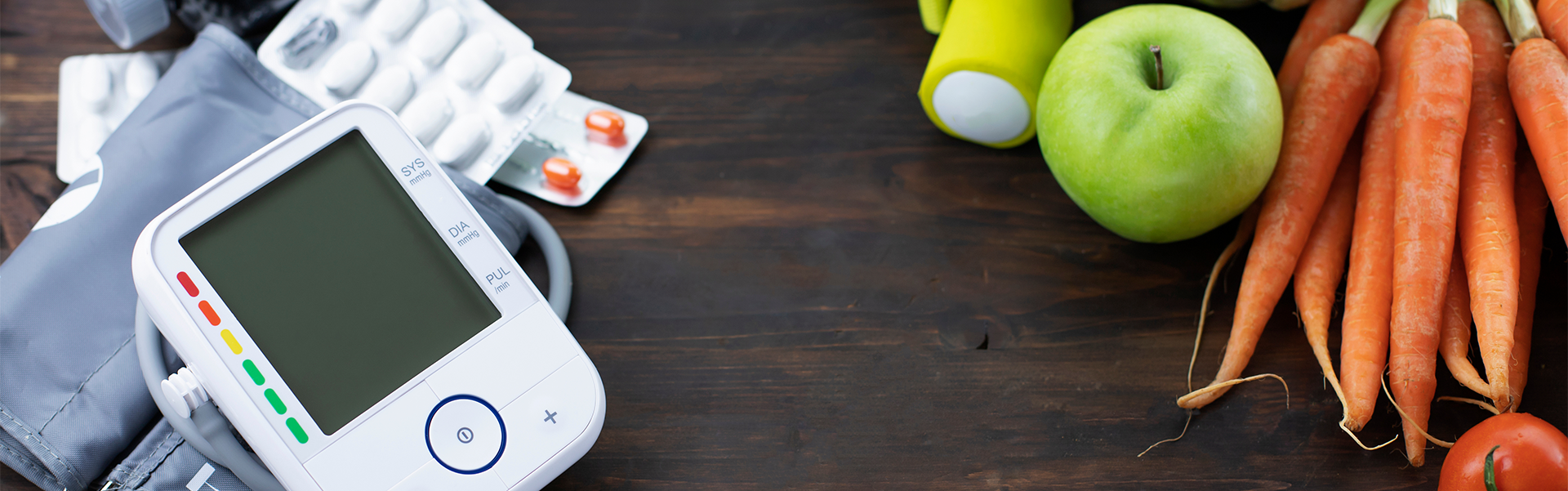


Indigenous cultures and traditional farmers prove time and time again that the deviation from the native diet and physical workload leads to high blood pressure. Age-related increases in blood pressure have been observed in almost every population, except among hunter-gatherers and farmers.
High physical activity, low-stress levels, and potentially protective diets high in fruits, vegetables, potassium, lower in calories, salt, and alcohol are the major contributing factors to the stark differences.
The Kuna Indians of Panama were essentially free of high blood pressure and cardiovascular disease until they migrated from their indigenous islands to cities. The Kuna had about twice the fruit intake (especially plantains, bananas, and mangos), four times the fish intake, and ten times the intake of cocoa-containing beverages than Kuna living in the Panama City suburb. Margarine, mayonnaise, and cookie consumption was greater in the suburban Kuna, while added salt and sugar was greater in island dwellers.
Closer proximity to the equator, higher temperatures, ultraviolet radiation, summertime, and longer hours of sunlight have been associated with lower blood pressure. Distances further from the equator with fewer hours of sunlight and a longer winter has been associated with higher blood pressure. Yet, Latin-Americans have a prevalence of high blood pressure 40% higher than that of controls in the rest of the world while the UK has the lowest rate of high blood pressure in Europe.
In Rio de Janeiro, 50% of patients with high blood pressure were obese, and 51% of patients with diabetes also had high blood pressure. In Mexico, the prevalence of hypertension is 48.2% in people with diabetes.
What this illustrates is that many cases of high blood pressure have a simple dietary and lifestyle component. However, there’s a high percentage of cases of high blood pressure that are less straight-forward, often of unknown origin, and take some investigation.
What is Considered High Blood Pressure?
Blood pressure readings are measured in millimeters of mercury (mmHg).for example, 120 over 80 (written as 120/80 mmHg).
The top number is your systolic pressure. It is considered high if it is over 140 most of the time and it is considered normal if it is below 120 most of the time.
The bottom number is your diastolic pressure. It is considered high if it is over 90 most of the time and is considered normal if it is below 80 most of the time.
Pre-hypertension may be considered when your systolic blood pressure is between 120 and 139 and the diastolic blood pressure is between 80 and 89 most of the time.
The Top Reasons for High Blood Pressure
Due to many potential causes of high blood pressure, the first step should be identifying the possible cause before starting any treatment for the best results.
Your first checklist should first look at the more straightforward reasons for high blood pressure. These include:
- Are you a healthy weight for your body type?
- Do you have a high salt, sugar or fat intake?
- Do you have high blood sugar and A1C?
- Do you have a low potassium, magnesium intake, fiber intake or vitamin D level?
- Do you have a sedentary lifestyle?
- Do you experience chronic stress?
- Do you sleep less than 6 hours per night?
- Do you smoke or are you often exposed to secondhand smoke?
If you do not fall under these causes of high blood pressure, here are other potential causes:
1. Genetics
Genes may influence approximately 30% of blood pressure variation in the world’s population. African Americans and other people of African descent show a higher incidence of hypertension than any other ethnic or racial group.
The number of genes implicated in hypertension is currently estimated to be 100 genes and often the predisposition often is related to a higher sensitivity to salt or fat intake. However, genetic variants in the HPA axis, implicating thyroid dysfunction leading to arterial damage and high blood pressure have also been discovered.
For example, the ACE1 gene is responsible for the conversion of angiotensin I to angiotensin II, constricting blood vessels and elevating blood pressure. ACE2 degrades angiotensin II and provides a balance for ACE1 by dilating blood vessels and lowering blood pressure. Certain variants in these genes can create a sensitivity to a higher saturated fat intake, leading to high blood pressure.
The AGTR1 encodes for the Angiotensin-II receptor type 1 enzyme. The CC genotype was also more prone to high blood pressure from a high fat – especially with excessive carbohydrates – diet.
You can test these 3 genes along with many others through Nutrition Genome.
2. Endocrine Disorders
High blood pressure can be the by-product from at least 15 endocrine disorders, including subclinical hyperthyroidism and hypothyroidism. Talk to your doctor about getting your TSH. T3, T4 and reverse T3 tested if you suspect a thyroid condition. Read more about the genetic connection to thyroid disorders here.
3. Heavy Metal Toxicity
Researchers recommend testing for heavy metal toxicity in any patient with unexplained hypertension.
Mercury, cadmium, and other heavy metals inactivate COMT, which increases serum and urinary epinephrine/norepinephrine (adrenaline), and dopamine. This effect will increase blood pressure and may be a clinical clue to heavy metal toxicity.
Air pollution is one obvious route of exposure depending on where you live. Non-organic agriculture uses high amounts of synthetic organophosphates which end up in our food, creating a very high phosphorus content. The high phosphorus content upsets calcium and magnesium levels, affecting blood pressure. Synthetic phosphorus also concentrates the amounts of heavy metals, like cadmium and uranium, in non-organic soils and food
4. Low Omega-3s
Genetically, people have lower and higher requirements for EPA and DHA due to variants in the FADS1 and FADS2 genes. Numerous studies have shown that omega-3’s successfully lower blood pressure, however some have not. This is why it’s important to determine the cause of high blood pressure first.
5. Low CoQ10
CoQ10 has been shown to protect against stroke, benefit cardiovascular disease, promote younger skin, prevent migraines, improve glucose control, fight cancer, and improve high blood pressure.
CoQ10 requires BH4, B6, vitamin C, B2, B12, folate, niacin, and B5 for production.
6. Zinc/Copper Imbalance
Zinc and copper intake should be at a 12-15mg of zinc to 1mg of copper. A balanced diet of animal and plant foods typically hit this ratio. A plant-based diet may be low in zinc and high in copper and can cause sodium cravings. High iron levels, malabsorption syndromes, and high amounts of supplemental zinc without copper can push copper too low. Copper deficiency can enhance the vulnerability of the heart and blood vessels to damage, along with high blood pressure.
7. Plastic Water Bottles
Recent research shows that plastic water bottles have up to 100 times the nanoplastics than previously estimated. Researchers are currently looking at the connection of microplastics and nanoplastics to high blood pressure and cardiovascular disease.
Ditch the plastic water bottles and opt for stainless steel or glass.
8. Low Phytoestrogen Intake
In healthy men and postmenopausal women, phytoestrogen intake improved blood pressure and lipids status.
Phytoestrogens have been found to lower blood pressure in post-menopausal women in multiple studies. In a Mediterranean study, specific phytoestrogens found in hummus, peanuts, miso soup, tahini sauce, and cruciferous vegetables (broccoli, cabbage, kale, Brussels sprouts) were the most effective.
9. Low Testosterone in Men
Men whose testosterone levels were slightly above average were 45% less likely to have high blood pressure, 72% less likely to have experienced a heart attack and 75% less likely to be obese than men whose levels were slightly below average. The optimal level appears to in the 550-900 ng/dl range to reduce risk according to the American College of Cardiology.
The Best Supplements for High Blood Pressure
1. PaleoValley Supergreens (15% off with this link)
This supergreens powder packs a lot of blood pressure lowering and potassium-rich plants, with special compounds from broccoli sprouts and other cruciferous vegetables, beets, raspberry, blueberry and tart cherries, ginger, prebiotic fiber and more.
Research has shown positive effects of glucosinolates in relation to blood pressure have been found in animal models with dried broccoli sprouts (200 mg/day) administered daily to spontaneously hypertensive stroke-prone rats resulting in significantly lower oxidative stress and lower blood pressure.
Beets contain betalain, which is anti-inflammatory, anti-obesity, lipid-lowering, reduces blood pressure and is antidiabetic.
Prebiotics are indigestible plant fiber that bypass digestion and reach the lower gut for healthy microflora. Experimental evidence from recent studies has suggested that prebiotics are capable of reducing and preventing hypertension. Genetically, some people have higher prebiotic fiber requirements based on the FUT2 genotype.
Numerous studies have shown that ginger lowers blood pressure. In a human study, ginger intake caused a significant reduction in the blood pressure of patients with hypertension and coronary heart disease. This study demonstrated that the risk of hypertension and coronary heart disease was significantly decreased to 8% and 13% by consuming 1 gram of ginger per day. To increase the ginger content of the supergreens powder to hit 1 gram per day, consider adding 2 capsules of the SuperPure Ginger Extract.
2. Allimax
Garlic and its secondary metabolites have shown excellent health-promoting and disease-preventing effects on cardiovascular and metabolic disorders, blood pressure, and diabetes.
Those who are genetically more prone to high blood pressure may respond better to garlic due to the ability of allicin to target the ACE1/ACE2 genes.
Garlic capsules have 26 to 109% lower bioavailability, while non-enteric tablets showed 80 to 111% higher bioavailability.
3. Doctor’s Best Cinnamon Extract
Researchers found a significant reduction in both systolic blood pressure and diastolic blood pressure following cinnamon supplementation in adults. It has now been proposed as a hypotensive supplement in hypertension management.
4. Thorne Research Omega-3s and CoQ10
The blood pressure-lowering effects of fish oil, rich in EPA and DHA, have been attributed in part to enhanced prostaglandins that promote vasodilatation and inhibit platelet aggregation.
CoQ10 has been shown to protect against stroke, benefit cardiovascular disease, promote younger skin, prevent migraines, improve glucose control, fight cancer, and improve high blood pressure.
The American Heart Association reviewed dozens of studies and concluded that the optimal amount of omega-3 fatty acids to consume to lower blood pressure is likely about 3 grams daily. This would be 2 capsules of this product that would also give you 60mg of CoQ10.
If you are not taking a multivitamin or your diet has an imbalance of zinc to copper, this supplement can help. Zinc and copper should be at a 12-15mg to 1mg balance. A balanced diet of animal and plant foods typically hit this ratio. A plant-based diet may be low in zinc and high in copper and can cause sodium cravings. High iron levels, malabsorption syndromes, and high amounts of supplemental zinc without copper can push copper too low. Copper deficiency can enhance the vulnerability of the heart and blood vessels to damage.
6. PaleoValley Turmeric (15% off with this link)
If obesity and non-alcoholic fatty liver is contributing to high blood pressure, a double blind, randomized, placebo controlled trial found that 3,000 mg of turmeric powder in six 500-mg capsules for 12 weeks, participants in the turmeric group exhibited lower weight, BMI, and systolic blood pressure after 12 weeks of intervention compared with the baseline.

Very good articles. Lots of relevant information. I agree with you, people with high blood pressure should start with a Complete Blood Count (CBC) to determine the cause. Providing references on supplements for high blood pressure (section: The Best Supplements for High Blood Pressure) is a very good idea. Thank you for your rigor in your articles Alex Swanson.
Hi Eric,
I appreciate that. Thank you for taking the time to comment!