Best Electrolyte Drinks for Chemotherapy

Best Electrolyte Drinks for Chemotherapy

In the article, the Best Nutrition During Chemotherapy, I went into detail about how chemotherapy affects both cancer cells and healthy cells, and how nutrition can help protect the healthy cells.

Having worked with many cancer patients in my past nutrition practice and genetic nutrition testing through Nutrition Genome, electrolyte drinks before, during and after chemotherapy are critical. The best electrolyte drinks for chemo should follow specific guidelines to offset the damage.

Why Do Cancer Patients Need Electrolytes During Chemotherapy?

Platinum chemotherapy (Cisplatin), is commonly associated with electrolyte imbalances, including low magnesium (up to 90% using Cisplatin), low potassium, low phosphate, low calcium, and low sodium (up to 43%). This is the type of chemo typically used for lung, colon, ovarian, breast, head/neck, bladder, and testicular cancers. Vomiting and diarrhea compound these electrolyte imbalances. Chemotherapy patients often experience the following:

  • Nausea
  • Exhaustion
  • Lack of stamina
  • Poor wound healing
  • Metallic taste in the mouth
  • Diarrhea
  • Poor appetite
  • Low platelets
  • Low hemoglobin
  • Brain fog
  • Neuropathy
  • Memory loss

The early signs of magnesium deficiency including loss of appetite, nausea, vomiting, fatigue, weakness, muscle cramps (especially the calf muscle), and arrhythmias. If a patient has acid reflux and they are given proton pump inhibitors (PPI’s), magnesium deficiency becomes much worse, along with deficiencies in calcium and other nutrients like B12.

How to Choose an Electrolyte Formula for Chemotherapy

1. Avoid any electrolyte drinks that use sucrose, fructose, crystalline fructose, sucralose, high fructose corn syrup or acesulfame K. Stevia or Lo Han Guo are acceptable. In the NIH-AARP Diet and Health study of 435,674 subjects looking at the amount of sucrose, fructose, added sugars, added sucrose and added fructose in the diet over 7.2 years found that added sugars were positively associated with multiples risks.

These included an increased risk of esophageal adenocarcinoma, added fructose was associated with risk of small intestine cancer, and all investigated sugars were associated with increased risk of pleural cancer (cavities between the lung and chest).

In women, total sugars, added sugars and added fructose intakes were positively associated with the risk of leukemia, and high fructose intake was associated with increased risk of bladder cancer.

2. Choose bicarbonate forms of sodium and potassium or ionic minerals from the sea. The formula should have sodium, chloride, potassium, magnesium, and calcium. A bonus will be the addition of niacin and lithium.

3. The formula should use magnesium malate, citrate or ionic. Avoid electrolyte drinks that do not contain magnesium, or use poorly absorbed forms like magnesium oxide.

4. Avoid any electrolyte drinks that use artificial colors, food dyes or MSG disguised as natural flavors. The food dyes have been found to inhibit mitochondrial respiration, which affects your cell’s ability to convert food to energy.

The dye Red 3 has been shown to cause causes cancer in animals, and other food dyes have also been shown to exhibit carcinogenic activity. Red 40, Yellow 5, and Yellow 6) have been found to be contaminated with carcinogens like benzidine, while multiple studies have found Yellow 5 positive for genotoxicity. Depending on the flavor, Gatorade uses Yellow 5, Yellow 6, Red 40 and Blue 1.

5. Keep the electrolyte drink on ice. Due to the change in taste buds, you may want one that has very little taste.

The Best Electrolyte Drinks for Chemotherapy

1. Seeking Health Optimal Electrolyte

The Optimal Electrolyte Formula by Seeking Health contains the bicarbonate forms of sodium (140mg) and potassium (580mg), 150mg of magnesium malate, 75mg of niacin, 2g of D-ribose, 225mg of creatine and 250mg of taurine.*

In cancer patients, niacin deficiency is common. Niacin deficiency is also highly correlated with cancer cell growth in the breasts, lungs, and skin. Niacin and NAD+ levels are important determinants of protecting healthy cells against chemical assaults, and niacin deficiency delays all of the processes involved in DNA protection and repair DNA protection and repair.

Chemotherapy causes damage to cells that can cause acute bone marrow suppression and the long-term development of leukemias. Improvement of niacin status in rats significantly decreased leukemia incidence and suggests that niacin supplementation of cancer patients may decrease the severity of short and long-term side effects of chemotherapy, and could improve tumor cell death.

In a double-blind randomized controlled trial, creatine improved body cell mass (BCM) and cell integrity in patients going through mild chemotherapy. Creatine, however, has failed in multiple trials to help cancer-induced weight loss.

One study found that taurine supplementation could be a protection against chemotherapy-induced toxicities, significantly increased white blood cell count, increased in the taurine-treated group, improved liver and kidney functions, significantly reduced serum malondialdehyde (MDA), and decreased chemotherapy-induced nausea and vomiting. The flavor of this one may be too sweet for some chemo patients.

*The latest research shows that taurine promotes leukemia cancer cell growth and therefore should be avoided for those who have leukemia.

2. PaleoValley Essential Electrolytes (15% off with this link)

Price: $59.99 for 30-60 servings

PaleoValley is known for using very clean, whole-food ingredients and not compromising on anything, which is why I like their Greens powder. This is one of the few electrolyte products that does not use citric acid, and uses salt from an underground ancient sea bed, safe from modern pollutants like microplastics with third party testing to guarantee it is safe and free of harmful ingredients.

This formulation uses a higher dose of sea salt for sodium (400mg), 280mg of potassium from coconut water, 80mg of calcium from seawater, 160mg of magnesium for seawater, 0.8mg of iron from seaweed. The flavoring comes from monk fruit, organic turmeric root, organic flavors from real fruit, and organic coconut water powder. This is on the sweeter side with all three flavors (lemon lime, orange and watermelon) and I found myself cutting the scoop in half to make it less sweet, or using a lot more water.

3. DayLyte

DayLyte contains 65mg of magnesium, 475mg of chloride, 50mg of sodium, 150mg of potassium, 10mg of calcium, 18mg of sulfate, 100mg of L-lysine, 400mcg of boron and 1mg of lithium. DayLyte is a great choice if the taste of the other electrolytes drinks are too strong for you because there is little to no flavor. These are simply ionic minerals from Lake Utah in a liquid form that you add to water. I recommend DayLyte to increase lithium intake and other trace minerals.

Trace amounts of lithium can have powerful effects on the body, including the remyelination of peripheral nerves. Lithium has been found to inhibit colon cancer metastasis and prevent metastasis to the lungs, liver, and lymph nodes.

4. Gerolsteiner Mineral Water

Gerolsteiner is a natural mineral water from Germany near the Dolomites. One liter has 345mg of calcium, 100mg of magnesium, 1800mg of bicarbonate, 115mg of sodium, 40mg of chloride, 10mg of potassium, 35mg of sulfate, and 55 mg of trace minerals. Gerolsteiner is carbonated, but you could let it go flat if that bothers you. This mineral water has a very unique profile. Not only is it high in calcium and magnesium, but it is an excellent source of bicarbonate.

Why is bicarbonate so important? Bicarbonate increases tumor pH and inhibits spontaneous metastases. This study was able to show that oral sodium bicarbonate selectively increased the pH of tumors and reduced the formation of spontaneous metastases in mouse models of metastatic breast cancer.

The Worst Electrolyte Drinks for Chemotherapy


1. Gatorade

Gatorade contains 34 grams of sugar and dextrose per 20 oz. serving, sodium, and potassium but omits all the other electrolytes, citric acid, gum arabic, glycerol ester of rosin, natural flavor, and uses the food dyes Yellow 5, Yellow 6, Red 40 and Blue 1 depending on the flavor. Gatorade is still shockingly recommended for cancer patients going through chemotherapy. First, it contains 34 grams of sugar and dextrose per 20 oz. serving.

Sugar depletes minerals, can lower immunity, spur cancer growth and has been found to increase strains of bad bacteria like C-Diff and clostridium perfringens (food poisoning strain). Chemotherapy severely affects the microbiome, causing a dramatic shift in good and bad bacteria. Up to 80% of your immune system is in your digestive tract, making chemotherapy extremely immunosuppressive.

Research has shown that there is a massive increase in the genus Proteobacteria, known for the pathogenic bacteria salmonella, E. coli, and Helicobacter (H. pylori). In vitro studies have found that citric acid, phosphoric acid (found in sodas) benzoic acid, and calcium propionate all cause DNA damage in human lymphocytes, that can lead to cancerous growth.

2. Pedialyte

Pedialyte contains dextrose, citric acid, natural and artificial flavors, sodium, potassium, sucralose, acesulfame potassium, zinc gluconate and depending on the flavor, Yellow 6, Blue 1 or Red 40. Sucralose is a synthetic organochlorine that has been found in studies to reduce the total number of bifidobacteria, lactobacilli and other good bacteria.

A mice study found that acesulfame potassium disturbed the gut microbiome after a 4-week treatment, with an increase in weight gain in the male mice. Your gut bacteria are able to produce a full spectrum of B-vitamins, needed for healthy DNA. Disturbing your gut flora decreases this ability.

3. Powerade and Powerade Zero

Powerade uses 34 grams of high fructose corn syrup as the second ingredient after water, citric acid, sodium chloride, magnesium chloride, calcium chloride, potassium phosphate, natural flavors (can be MSG), Modified Food Starch, Calcium Disodium EDTA (to protect color), Medium Chain Triglycerides, Sucrose Acetate Isobutyrate, Vitamin B3, Vitamin B6, Vitamin B12 and Blue 1.

There is also a note on the Powerade website that they use GMO crops, which is often contaminated with glyphosate. Powerade Zero uses water, citric acid, salt and mono-potassium phosphate, magnesium chloride, calcium chloride, natural flavors (can be MSG), sucralose, acesulfame potassium, B3, B6, B12 (cyanocobalamin), Blue 1 or Red 40 or Yellow #5 or Yellow #6 depending on the flavor, ascorbic acid, calcium disodium EDTA (to protect color).

A study that looked at 55 popular brand-name food and beverage products found that almost half of the tested samples of commercial high-fructose corn syrup (HFCS) products contained mercury. Mercury is ranked third by the US Government Agency for Toxic Substances and Disease Registry of the most toxic elements on the planet next to arsenic and lead. Recent studies have suggested that high blood sugar and inflammation, as seen in diabetics, may lead to increased tumor growth.

Mercury exposure is a risk factor for diabetes, with research showing it causes decreased insulin secretion and increased blood glucose levels. This combination of spiked blood sugar from high fructose corn syrup and mercury disrupting insulin and blood glucose levels is a toxic combination for cancer patients. Mercury is widely toxic in the body. 


Best Supplements for Colds and the Flu

Best Supplements for Colds and the Flu

As we head into each new cold and flu season, people are justifiably nervous for catching anything now. Nutrition Genome has outlined numerous strategies for COVID-19, including a hypothesis in March 2020 that COVID-19 is using the NF-kB pathway for the inflammatory response and should be the target of vitamins, minerals, compounds and drugs.

The best supplements for colds and the flu should successfully fend off numerous viruses and bacteria. Even with different immune systems, and susceptibilities, we have something for everyone to increase the probability of staying well.

Top 3 Cold and Flu Prevention Lifestyle Tips

1. Don’t stay up late and get enough sleep: Getting to sleep early is one of the best and easiest ways to boost your immune system. If you think you are starting to get sick, go to bed by 9:30 or earlier. Adults need 7-8.5 hours, while teenagers and children need more.

A recent study took 164 healthy men and women with an average age of 30, infected them with the cold virus and quarantined everyone to see who got sick.

Adults who averaged five or six hours nightly during the study were four times more likely to catch a cold than people who slept at least seven hours per night. Of those who slept more than six hours, only 18 percent got colds.

2. Don’t overtrain at the gym but get enough exercise: I can’t tell you how many times I use to get a cold from overtraining and being exposed to sick people at the gym. If you are starting to feel fatigued or achy, skip the gym. Missing one day is better than one week.

3. Don’t go overboard on sugar and flour-based foods: This one is more challenging during the holidays, but the fact is that this combination depletes B1, folate, B12, calcium, magnesium, vitamin C and glutathione.

Best Supplements for Colds and the Flu (Children)

1. Hiya Kid’s Daily Immune

This is a new, exciting product because most kid’s chewablea are full of sugar or corn syrup. This one includes eight immune-supporting ingredients, including two types of Vitamin C, Elderberry, Beta Glucans, zinc, a fruit immunity blend, and more.This unique combination, specific to kids, supports natural defenses, antioxidant protection, and a healthy immune response. My go-to combination for illness has alwasy involved vitamin C, elderberry, zinc and medicinal mushrooms, so I would say they nailed this formulation.

2. Gaia Herbs Black Elderberry for Kids

Elderberry is one of the best natural anti-viral supplements available. Your kids will be asking for more each time they get it, making it an easy solution for even the pickiest ones.

Best Supplements for Colds and the Flu (Adults)

1. Life Extension Enhanced Zinc Acetate Lozenge

For 2022, this zinc lozenge has been a consistent winner against the cold and flu. A systematic review found that three placebo-controlled trials that used zinc acetate lozenges in daily doses of over 75 mg showed a 42% reduction in the duration of colds. I have found that just one lozenge (19mg) has been effective in stopping the early tickle in your throat that is a sign of a virus.

The most effective way for zinc to work against cold and flu viruses for it to dissolve in your mouth, and use the forms zinc acetate or zinc gluconate. You want to keep a lozenge in your mouth for 20-30 minutes at the first sign of cold or flu symptoms. Killing the virus early in the game is your best chance.

2.  Elderberry & Echinacea for Immunity Support or Elderberry Syrup

While guidance with elderberry and echinacea is to only take it at the beginning of feeling sick, many professionals believe it is effective to take daily as a preventative.

Echinacea Proven Effective Against the Common Cold

A meta-analysis has confirmed my own results with echinacea, finding that it decreased the odds of developing the common cold by 58% and the duration of a cold by 1.4 days. This percentage is most likely influenced by other remedies being used, and the timing of use once exposed.

Elderberry Proven Effective Against the Flu

One study investigated elderberry syrup for treating influenza A and B infections. Sixty patients (aged 18-54 years) suffering from influenza-like symptoms for 48 hours or less were enrolled in a randomized, double-blind, placebo-controlled study during the influenza season in Norway.

Patients received 15 ml of elderberry or placebo syrup four times a day for 5 days and recorded their symptoms. Symptoms were relieved on average 4 days earlier and use of rescue medication was significantly less in those receiving elderberry extract compared with placebo.

3. Daily Immune Builder by Herb Pharm

This formula contains echinacea, astragalus, reishi, schizandra berry and prickly ash bark.

In the old video game Super Mario Brothers, mushrooms would restore your health by getting an additional heart to your life meter. This is what mushrooms do in real life.

I have always been a huge advocate of mushrooms – especially medical mushrooms like Cordyceps, Reishi, Maitake, Chaga and Coriolus. The heath benefits are a mile long, and research will continue to figure out how these alien fungi work.

Reishi May Be Protective Against the Flu

Reishi has an impressive list of research that isn’t utilized enough in the US. In Asia, Reishi is highly revered and for good reason. It has been my experience that Reishi works best for those who are prone to allergies, high blood pressure, high blood sugar, bronchitis (Cordyceps as well) and general low immunity to begin with.

Take a look at what it can do:

  • Analgesic
  • Anti-allergy activity
  • Bronchitis-preventative effect, inducing regeneration of bronchial epithelium
  • Anti-inflammatory
  • Antibacterial against Staphloccoci, Streptococci and Baccillus pneumonia
  • Antioxidant
  • Antitumor
  • Antiviral against the flu
  • Lowers blood pressure
  • Enhances bone marrow nucleated cell proliferation
  • Cardiotonic action, lowering serum cholesterol levels with no effect on triglycerides, enhancing myocardial metabolism and improving the coronary arteries
  • Central depressant and perpheral anticholinergic actions on the automatic nervous system reduce the effects of caffeine and relax muscles
  • Enhanced natural killer cells in mice
  • Expectorant and antitussive properties in mice
  • Anti-HIV activity
  • Improved adrenocortical function
  • Increased production of Interleukin-1 and Interleukin-2
  • Liver-protective and detoxifying effects
  • Protection against ionizing radiation
  • Slight anti-ulcer activity
  • Increase white blood cells and hematoglobin

4. Virgin Cod Liver Oil or Rosita Extra Virgin Norwegian Cod Liver Oil

The Viking Solution to Colds and the Flu

If you are prone to respiratory illnesses, you will want to consider cod liver oil.

Cod liver oil is a superior product over fish oils due to the vitamin A and D content, as well as an often higher amount of DHA. Vitamin D has become well known for its ability to fight against illness. 

Individuals with lower vitamin D levels (<30 ng/ml) were more likely to self-report a recent upper respiratory tract infection than those with sufficient levels. Cod liver oil has been found to reduce the incidence of viral respiratory infections, not only because of vitamin D but also because of vitamin A.

There are many cod liver oils on the market, some cheap and some expensive. This is one of those products where a cheap, heated, highly processed version that removes vitamins or adds synthetic ones back in cannot be substituted for a truly raw, pristine version that many of our ancestors used.

The companies in Norway are using the old Norse way of processing cod liver oil. Rosita discovered that cinnamon is actually pro-oxidant when added to cod liver oil and instead use high-quality vitamin E and rosemary (Norse people used birch bark as an antioxidant).

Both have been tested extensively for metals and contaminants, and the bottle is sent to you is fresh. You can see the small batch process here. I recommend using cod liver oil daily in the fall and winter, then using only once a week during the spring and summer while using vitamin D.

5. Vitamin C with Flavonoids (Rutin, Hesperidin, and Quercetin) or C-Salts Buffered Vitamin C

Since the early days of Linus Pauling, vitamin C has been on trial for its effectiveness against the common cold, even though it is considered one of the most well known anti-viral agents to influenza.

Despite the controversy and disagreement of the medical world, the research and biochemistry of vitamin C show a positive benefit time and time again when the dosage is appropriate. If you go through the literature, you will find that the studies that fail to show a positive benefit are below 500mg, but as soon as you go over that amount with multiple dosages in a day due to the half life of vitamin C, the results change.

In a 2023 meta-analysis looking at fifteen comparisons of ten placebo-controlled trials using orally administered vitamin C in doses of at least 1 g/day, researchers concluded that “vitamin C had a significant benefit on the duration of severe symptoms.”

In a study of 463 students that used 1,000 milligrams every hour for 6 hours, then 3 times daily after that, reported flu and cold symptoms in the test group decreased 85% compared with the control group after the administration of megadose Vitamin C.

When you go through the biochemistry, you find that vitamin C is involved in almost everything. Read my article on vitamin C to learn more and read more studies.

6. Allicin Max

Garlic is a natural antibiotic, antiviral, antimicrobial, antifungal and antiparasitic. When I worked in a university vegetable garden, the garlic wouldn’t ever fall to disease. However, you want a product with stabilized allicin.

One doubled blind placebo study took 146 volunteers were randomized to receive a placebo or an allicin-containing garlic supplement, one capsule daily, over a 12-week period between November and February.

The active-treatment group had significantly fewer colds (reduced by 63%) than the placebo group. The placebo group recorded significantly more days challenged virally (5 days compared to 1.5) and a significantly longer duration of symptoms.

Volunteers in the active group were less likely to get a cold and recovered faster if infected. Volunteers taking placebo were much more likely to get more than one cold over the treatment period.

It is important not to use aged garlic, which does not have the high allicin compound like the one listed here. Freshly chopped raw garlic is another excellent option.

Does Red Wine Protect You Against the Flu?

You have probably heard of alcoholic drinks like a Hot toddy for sickness. Does alcohol have its place for cold and flu prevention?

A study* in the early 1990’s inoculated 391 subjects with the cold virus. Of the 391, 148 (38%) developed colds. Of the 243 that avoided the infection, 169 were non-smoking drinkers with a dose-response showing higher protection. Consumers of two to three drinks daily had an 85% greater resistance. Another study in 1997 that was published in the Journal of American Medical Association actually found that that alcohol abstinence was a risk factor!

In 2002, a study* in Spain found that total alcohol intake from beer and hard liquor was not related to the occurrence of the common cold. whereas wine was inversely associated with the risk of the common cold. Closer inspection found that red wine had the strongest effect against the common cold.

Red wine has also been found in studies to increase probiotic diversity, where 70-80% of your immune system resides. Scientists have isolated 11 strains of probiotic bacteria from wine and research has shown that polyphenols in wine increase gut diversity.

Not all red wine is treated the same. A large percentage of wine the US has been found to have higher levels of pesticides, herbicides, heavy metals and potentially harmful additives (The FDA has 76 approved additives in wine), along with glyphosate (even in organic US wine). Studies have found that wine from Italy and Argentina show the lowest levels of chemicals, metals, and additives due to a cleaner environment and the traditional practice of small batch winemaking.

*These studies can be found in The Science of Healthy Drinking.

Preparing for the Battle Against the Cold and Flu

You can use elderberry, echinacea, medicinal mushrooms and vitamin C daily. If you start to feel something coming on or you are around a lot of sick people, start using the zinc lozenge and elderberry/echinacea 2-3x a day.  If you start feeling the tickle in your throat, increase your vitamin C as needed on the hour.

*The fewer people that are sick, the lower the probability that we all get sick! If you are taking any medications or have any health conditions, always run these recommendations by your doctor first.

Best and Worst Electrolyte Drinks

Best and Worst Electrolyte Drinks

Electrolytes are charged metallic “ions” that help balance fluid pressure inside our cells and control the pH of our blood. Normal nerve, heart and muscle function rely on adequate amounts of these minerals, and deficiencies can hamper performance dramatically.

Water is consumed per kilogram of body weight more than any other item in the diet, making it a major source of minerals. However, plain water does not supply enough of these minerals anymore. This is why we created the best and worst electrolyte drinks.

Why Doesn’t Water Provide Enough Electrolytes?

In the past, our water would come down from the mountains, collect minerals from the rocks, become activated through movement and was free of pollutants.

Today, our water needs to be purified, distilled and treated which can diminish or completely eliminate the mineral content and can lead to an electrolyte imbalance. To top it off, much of the water has become fluoridated, which binds to magnesium and sets you up for fatigue, muscle cramps, and spasms.

In fact, the root cause of muscle cramps is usually from a lack of electrolytes, especially magnesium and potassium. While many types of mineral water are still an excellent source of electrolytes, carbonation may not be your best friend during exercise.

What about Fermented Electrolyte Drinks?

During our early days of agriculture and in cities and villages around the world, fermented drinks fit the bill for hydration and were often safer to drink than water. These included kombucha, kvass, low-alcohol beer and other creative concoctions to maintain energy, nutrition and hydration all day.

Today, research has allowed us to design drinks to address the precise needs of the athlete during physiological, emotional and psychological stress to allow us to push beyond what is considered humanly possible.

DNA-Based Nutrition Testing for Electrolyte Requirements and Performance

If you are really serious about performance, consider nutrigenomic testing through Nutrition Genome to analyze your genes for VO2 max, muscle injury risk, muscle recovery, muscle strength, higher needs for minerals like potassium and magnesium, and a lot more for overall health. I also recommend reading the article Adaptogens: The Secret Weapon for Athletes and if you are male, How to Increase Testosterone Naturally.

Best Liquid Electrolyte Drinks

To get this party started for the best and worst electrolyte drinks, we are starting with the liquid category. I find these to be the most convenient and best tasting for those who just want a little flavor to their water, not a bowl of fruit punch. If you have diabetes, you may also benefit from reading The Best Electrolyte Drinks for Diabetes.

1. DayLyte

DayLyte Price: $14.95 for 39 servings
LyteShow Price: $16.83 for 40 servings

DayLyte was just launched in May 2018 and updated in 2022 with a new lemon flavor option, a glass bottle, and a new measuring dropper. This makes it the best electrolyte drink in its category. It contains an advanced formulation over other sea-mineral-based electrolyte drops. DayLyte uses concentrated ionic sea salt minerals from the Great Salt Lake and does not contain any sugar or carbohydrates.

Liquid mineral drops that you can add to any bottle of water make these an extremely convenient option. In one study, added electrolytes (in the form of sea minerals from a product called Elete have been clinically tested using firefighters, showing enhanced hydration with less water than regular water.

The researchers found that “this can minimize carrying excessive weight, possibly reducing fatigue during extended exercise.”

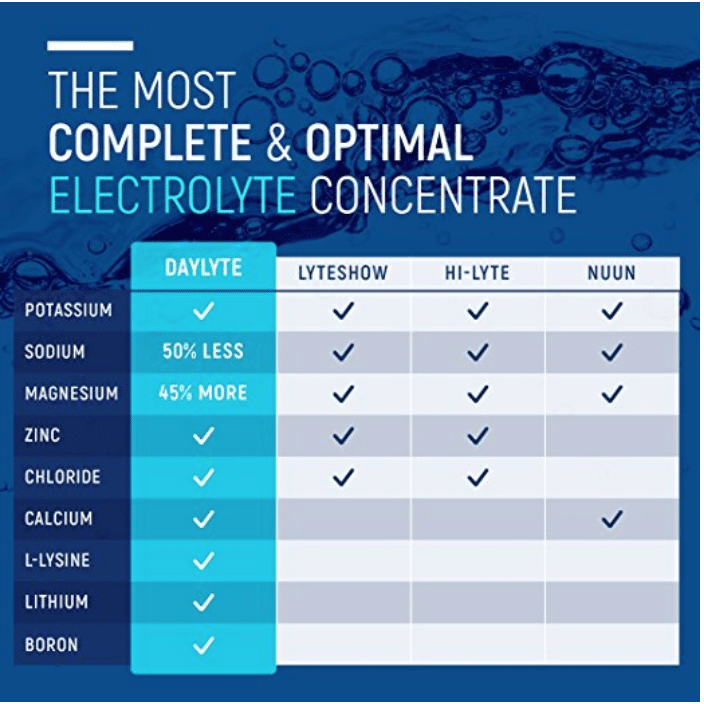
DayLyte vs. Lyteshow, Hi-Lyte and NUUN

DayLyte is superior to Lyteshow mainly due to the higher magnesium content (65mg), L-lysine, boron, and 1mg of lithium. L-lysine helps lower anxiety and reduces the risk of diarrhea, boron positively influences hormones in men and women, and lithium is a B12 carrier that improves mood, increases focus, and is neuroprotective.

DayLyte has a 3:1 ratio of potassium to sodium (Lyteshow is higher in sodium), which may be more beneficial for those trying to increase their potassium intake and lower their sodium intake.
 

Best Electrolyte Capsules

1. Enhanced Electrolyte Capsules

Price: $29.99 for 50 servings

Enhanced Electrolytes by Total Hydration was launched in March 2018. There are a few reasons that these capsules have taken a top ranking for best electrolyte drinks. First, it has higher magnesium (65mg magnesium malate) and potassium content (100mg) than other similar competitor products, reducing the incidence of muscle cramps while also increasing energy levels.

The B6 addition as P-5-P (like magnesium, many people are low in B6) provides excellent synergy with magnesium and balances sodium and potassium ratios. Second, the bicarbonate forms of sodium and potassium along with Himalayan salt for trace mineral balance is a huge advantage for exercise performance. Research has shown that sodium bicarbonate is the most effective sodium form in improving high-intensity exercise and increasing endurance.

Zinc bisglycinate is included that helps offset the higher zinc loss found in athletes (especially important for vegan, vegetarian and female athletes who may have higher copper levels) and helps support testosterone levels, immunity, and thyroid health that can be affected by exhaustive exercise.

What Activities Should I use Enhanced Electrolytes For?

Enhanced Electrolytes was formulated by a Ph.D. and former triathlete for all types of physical activity, the ketogenic diet, long flights and during illness. I see this product being an ideal fit for high-intensity exercise in the 2-hour or less range that requires both sprints and endurance performance with moderate to heavy sweat loss. Since these are capsules, you want to make sure you drink them with sufficient water.

2. Saltstick

Price: $29.95 for 100 capsules (serving size can range based on activity)

Saltstick was created by a triathlete and organic chemist, for triathletes and people competing in the Ironman. It has held a top spot in the best electrolye drinks article for numerous years.

The bioavailable forms of the minerals with a focus on a higher sodium content and lower magnesium content makes it an ideal electrolyte replacement for long, endurance events. Heavy sweat loss equals a higher need for sodium and other minerals.

If you are a triathlete or Ironman competitor and have experienced more than normal sweat loss, you may require a higher sodium intake from Saltstick. Your diet, requirements, susceptibility to muscle cramps and sweat loss will determine your sodium and magnesium needs.

Research using Electrolyte Capsules like Saltstick

A 2015 double-blind placebo study from Spain found that triathletes who used 12 salt capsules divided into three doses during a Half Ironman on top of their sports drinks completed the race 26 minutes faster than the placebo group who also used sports drinks, but placebo capsules. 

The researchers later explain that more salt is needed than supplied in sports drinks, however, the taste would ruin the drink. This gives evidence that adding these capsules in addition to your sports drink would be the ideal combination for heavy sweat loss and competitions over 2 hours.


Best Electrolyte Powder Drinks

1. Primitive Scientific Whole Food Electrolyte Powder or Capsules

Price: $29.99 for 39 servings

Primitive Scientific is a new company that has produced one of the most unique whole food electrolyte powders on the market. It is a newcomer to the best electrolyte drink article this year. The attention to detail for athletic performance in this formulation is beyond anything currently available.

The base level of electrolytes is formulated with a higher level of magnesium in the correct form (malate), sodium and potassium bicarbonate, and the most researched foods for athletic performance and muscle recovery including montromency cherry, beets, celery, pomegranates, ginger, and schisandra berry. See more below. You are getting way more for your money than just an electrolyte powder.

Due to this being a whole food powder, keep in mind that it is going to dissolve and taste differently. It’s more of a faint berry flavor, so if you prefer your electrolyte drink to not be very sweet, this will be a good fit. Only use filtered water (no chlorine due to the fulvic acid in this product).

2. PaleoValley Essential Electrolytes (15% off with this link)

Price: $59.99 for 30-60 servings

This product recently launched in summer 2023, and I just finished testing it in different environments, temperature, cardio exercise, and strength training. I was happy with the results of this product, especially in higher heat with more sweat loss. PaleoValley is known for using very clean, whole-food ingredients and not compromising on anything, which is why I like their Greens powder. This is one of the few electrolyte products that does not use citric acid, and uses salt from an underground ancient sea bed, safe from modern pollutants like microplastics with third party testing to guarantee it is safe and free of harmful ingredients.

This formulation uses a higher dose of sea salt for sodium (400mg) to target heavier sweat loss, 280mg of potassium from coconut water, 80mg of calcium from seawater, 160mg of magnesium for seawater, 0.8mg of iron from seaweed. The flavoring comes from monk fruit, organic turmeric root, organic flavors from real fruit, and organic coconut water powder. Unlike using coconut water while exercising, I didn’t notice any GI issues. This is on the sweeter side with all three flavors (lemon lime, orange and watermelon) and I found myself cutting the scoop in half to make it less sweet, or using a lot more water.

3. Optimal Electrolyte by Seeking Health

Price: $27.95 for 30 servings

Optimal Electrolyte holds a unique spot in the best electrolyte drink ranking. It is an excellent formulation with 580mg of potassium bicarbonate to 140mg of sodium bicarbonate, 150mg of magnesium malate/creatine chelate, 75mg of niacin for increasing blood flow, and D-ribose for energy production.

This would be a good electrolyte formula for sports that require repeated boosts of sprints like soccer and hockey. If you prefer a sweeter flavor for your electrolyte drink, this would be a good choice.

4. Vega Sport Electrolyte Hydrator

Price: $23.51 for 50 servings

The Vega Sport Electrolyte Hydrator is an electrolyte powder that contains just electrolytes with stevia as a sweetener.  Athletes sometimes get cramps from sugary drinks when you are not sweating profusely, making this an ideal solution for those wanting something sweeter without the sugar.

While it has remained on the best electrolyte list due to its profile, the taste of stevia may be too strong for some people. It may also fall short for those requiring a steady supply of glucose, like for runners and cyclists.

Best Bottled Electrolyte Drinks

1. Gerolsteiner Sparkling Mineral Water
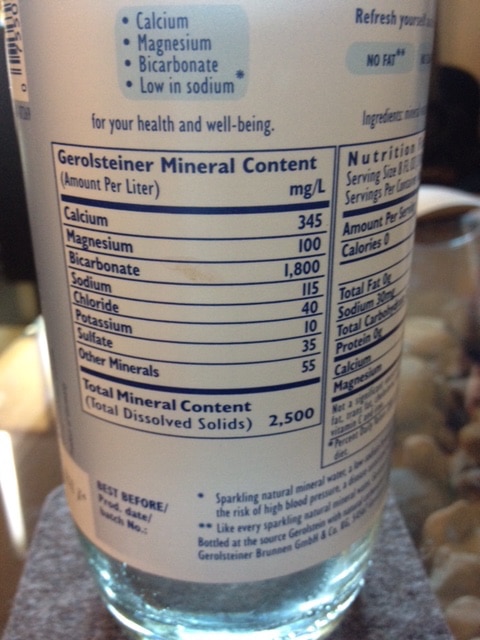
Gerolsteiner label

I did some traveling and tested out numerous mineral waters, taking pictures of each of the labels. While some mineral waters were very low in minerals, there were a few that were impressively high in all the electrolytes, including bicarbonate which is often missing and important for pH balancing.

What stood out to me about Gerolsteiner from Germany is that it collects minerals from the Dolomites, making it very high in calcium, magnesium, and bicarbonate. And it tastes amazing, especially if you crave carbonated drinks. Even after 6 years of testing, Gerolsteiner is still, in my opinion, the best electrolyte drink in the mineral water category.

That combination is perfect for those with headaches, nausea, fatigue, and digestive issues. So if your doctor has recommended that you drink an electrolyte drink that isn’t necessarily to be used for exercise and sweating and needs to be low in sodium, this is the best choice straight from nature. However, check with your doctor if bicarbonate is contraindicated with any of your medications.

If you are an athlete, keep it in the fridge and enjoy it later in the evening to supply more calcium and magnesium to speed recovery and alleviate sore muscles. If you want more energy and hydration while sitting at your desk, this is the best option.

In the US, you can find it in liter bottles in stores like Trader Joe’s or Whole Foods for $2.00-$3.00, but if you can’t then online is the way to go. I make a homemade electrolyte drink with this one by adding lemon juice and stevia, which makes a sparkling lemonade.

What about Coconut Water for an Electrolyte Drink?

A study from 2012 and a study from 2015 found that coconut water has anti-glycation properties, kidney protection, prevented hyperglycemia and oxidative stress.

Another study from 2012 took 12 young guys and had them run on a treadmill for 60 minutes. They were either given bottled water, VitaCoco coconut water, coconut water from concentrate, or a carbohydrate/electrolyte sports drink that they didn’t name.

They tested on four different occasions spaced by five days and measured hydration status, performance and subjective measures like thirst, fatigue and stomach discomfort. No differences were reported for fluid retention or performance. However, the coconut water and concentrated coconut water group had more bloating and stomach upset.

The best way to enjoy coconut water is to buy a young coconut, take a hammer to the top, and enjoy it fresh and raw.

If you want to buy coconut water in the store, you need to be more selective since many companies are going out of their way to deliver cheap coconut water. These are processed to last for two years on a shelf, often from concentrate and with added sugar and flavors. That should make you suspicious and I would like to see raw coconut water tested in additional studies.

There are a few things you want to look for with coconut water. First, it should be in the refrigerated section, use young coconuts, and not pasteurized. Second, it should not contain any added ingredients like natural flavors, fruit juice, or sugar.

The companies I have found that follow these guidelines include Harmless Harvest, Unoco, Liquitera, Vital Juice and Juice Press. Many of these use a process called HPP, which sterilizes the juice with pressure instead of heat. This keeps the vitamins and enzymes intact.

Best Water Bottles?

I have been getting questions about what water bottles I recommend. I use a 40 oz. stainless steel water bottle that doesn’t have an aluminum lining like most stainless bottles do. It’s called a Hydroflask and will keep drinks cold or hot. Very satisfying to have a cold drink after a few hours on a trail.

I take out the bladder of a 50 oz. Camelbak because I don’t want to worry about using an electrolyte drink in it and cleaning afterward, and the Hydroflask fits there perfectly. This size isn’t too cumbersome on your body and is great for hikes or trail runs.

Worst Electrolyte Drinks

The following is based on my opinion and research on the worst electrolyte replacement drinks. When looking at a label for bottled drinks, look for reverse osmosis or filtered water.

If a drink doesn’t have magnesium, to begin with, and uses fluoridated water, I see an increased risk of muscle cramps. Magnesium deficiency may cause sudden cardiac death in athletes, especially those in heat or doing long endurance events.

1. Gatorade

Gatorade is owned by PepsiCo, the makers of Pepsi and who dominate the sports drink market at 75 percent. Many of the colors and flavors seem a little extreme with their bright blues and reds.

How are these made? The artificial colors and flavors are derived from aromatic hydrocarbons from petrochemicals. In other words, oil. Manufacturers are not required to divulge this information because artificial colors and flavors are considered intellectual property.

How about the numbered dyes? For starters, these food dyes have been found to inhibit mitochondrial respirationthe ability of the powerhouse of your cells to convert nutrients to energyRed 3 causes cancer in animals, with evidence that other dyes also are carcinogenic.

Three dyes (Red 40, Yellow 5, and Yellow 6) have been found to be contaminated with benzidine or other carcinogens. At least four dyes (Blue 1, Red 40, Yellow 5, and Yellow 6) cause hypersensitivity reactions, and numerous studies found Yellow 5 positive for genotoxicity. Depending on the flavor, Gatorade uses Yellow 5, Yellow 6, Red 40 and Blue 1.

For years, Gatorade used high-fructose corn syrup, hydrogenated soybean and cottonseed oils, hydrogenated coconut oil (fruit punch flavor), and brominated vegetable oil (orange, strawberry), a flame retardant that is banned in Japan and the European Union. Bromine is a toxin and a goitrogen (harmful to the thyroid).

Hydrogenated oils are now banned in many restaurants across the US due to their negative health impacts. They are strongly linked to heart disease and are known to destroy the porosity and flexibility of healthy cell membranes. Gatorade has now removed brominated vegetable oil and replaced it with sucrose acetate isobutyrate.

Gatorade went from GMO high-fructose corn syrup to GMO glucose-fructose corn syrup (changed the ratios to avoid the dreaded HFCS title) to the most recent combination of 34 grams of sugar and dextrose per 20 oz serving.

Along with the depleting of minerals caused by sugar, it has also been found to increase the strains of bad bacteria like c difficile (C-Diff) and chlostridium perfringens (one of the main strains of bacteria responsible for food poisoning).

Gatorade also only contains sodium and potassium, neglecting calcium, magnesium and chloride which seems like a major oversight for electrolyte loss.

2. Powerade 

Powerade is owned by Coca-Cola and commands 19.8 percent of the market as of 2014. The online ingredients of the Powerade Berry & Tropical are water, glucose, fructose, citric acid, mineral salts (sodium chloride, magnesium chloride, calcium chloride, potassium phosphate), flavourings, acidity regulator (potassium citrate), stabilisers (acacia gum, glycerol esters of wood rosins), sweeteners (sucralose, acesulfame K), colour (brilliant blue). (You have to go to 3rd party websites to find the US ingredients).

You have to break down the label a little more to see what exactly is water, glucose, fructose, “flavorings,” sucralose, acesulfame K and “color,” which I can promise you is not brilliant.

The other interesting part in my search is that Powerade is fairly clever in deceiving the customer by getting around the high fructose corn syrup label online. It is also interesting that the European spelling of flavour and colour is used.

Why would they do this? Because in certain countries, they label high fructose corn syrup as water, glucose, and fructose! It is the SAME THING. High fructose corn syrup is water, glucose, and fructose. The U.S. label has to tell the ugly truth. Nice try Powerade.

Spiking your blood sugar affects hormones and nitric oxide levels, both important for performance. On top of that, if you consume food color dyes, you are blocking your body’s ability to generate energy (study cited under Gatorade).

Here is the U.S. label. Water, High Fructose Corn Syrup, Less than 0.5% of: Citric Acid, Salt and Potassium Citrate and Magnesium Chloride and Calcium Chloride and Potassium Phosphate (electrolyte sources), Natural FlavorsModified Food StarchCalcium Disodium EDTA(to protect color), Medium Chain Triglycerides (contains coconut oil), Brominated Vegetable Oil,Vitamin B3 (niacinamide), Vitamin B6 (pyridoxine hydrochloride),Vitamin B12, Red #40

Despite pressure on Gatorade to remove Brominated Vegetable Oil, Powerade has at this time chosen to keep the flame retardant in their drink, not to mention a red dye.

Powerade has 20 packed grams of high fructose corn syrup leading the way to type 2 diabetes.

3. Powerade Zero

Also made by Coca-Cola, you see the artificial sweeteners sucralose and acesulfame K and artificial colors. Sucralose – also known as Splenda – is an organochlorine. Sucralose has been found to wreak havoc on intestinal bacteria (up to 50% destruction).

Your beneficial bacteria is responsible for up to 80 percent of your immune system, manufacturing b-vitamins and vitamin K, your ability to lose weight, and emerging research is connecting anxiety and depression to low beneficial bacteria populations. Sucralose is also used in a lot of whey protein powders.

Ingredients: Water, citric acid, mineral salts (sodium chloride, magnesium chloride, calcium chloride, potassium phosphate), colour (anthocyanins), natural raspberry flavouring with other natural flavourings, acidity regulator (E332), sweeteners (sucralose, acesulfame K), color (E133).

4. PediaLyte

PediaLyte is a drink marketed to kids for hydrating during times of diarrhea and vomiting. It is also used by athletes. As you can see from the label, there isn’t anything that makes PediaLyte stand out. It uses the same common cheap formula of dextrose, salt, artificial flavors, artificial sweeteners and food color dyes. They even have a bubble gum flavor. It also missing magnesium and calcium. But their marketing is what makes PediaLyte the first thing people think of when they are sick.

The main headline at the top of each PediaLytes drink is “Pedialyte helps prevent dehydration and quickly replaces fluids, zinc, and electrolytes lost during diarrhea and vomiting.”

They have taken it a step further and added prebiotics that help probiotics colonize, yet they use sucralose. From the sucralose study mentioned above, the total numbers of bifidobacteria, lactobacilli and other probiotics were significantly decreased. These strains of bacteria are what help keep you well and prevent diarrhea.

As mentioned under Gatorade, three dyes (Red 40, Yellow 5, and Yellow 6) have been found to be contaminated with benzidine or other carcinogens, and numerous studies of Yellow 5 have been positive for genotoxicity. And Pedialyte is being marketed to children? Or anyone when they are sick?

Ingredients: Dextrose, Citric Acid, Natural & Artificial Flavor, Potassium Citrate, Salt, Sodium Citrate, Sucralose, Acesulfame Potassium, Zinc Gluconate, and Red 40, Blue Dye 1 or Yellow Dye 6 depending on the flavor. The AdvancedCare product also uses acesulfame K.

5. Drip Drop

Drip Drop contains sugar, fructose, natural flavor (can sometimes be MSG unless the company discloses otherwise), sucralose and a form of zinc called “asparate” that I can more in-depth on with Ultima Replenisher.

Ingredients: Sugar, fructose, sodium citrate, citric acid, natural flavor, potassium citrate, magnesium citrate, dextrose, salt, vitamin C, sucralose, turmeric for color, zinc asparate.

6. Liquid IV

Liquid IV contains pure cane sugar, dextrose, and stevia leaf extract, which together really seem like overkill for sweetness. Natural flavors are also used (companies don’t have to disclose this, but those who have nothing to hide will). A very high level of sodium is used for very heavy sweating.

The formula also contains cheap forms of B-vitamins, with one form of B12 called cyanocobalamin that research has found to be potentially problematic.

Ingredients: Pure cane sugar, dextrose, citric acid, salt, potassium citrate, sodium citrate, dipotassium phosphate, silicon dioxide, stevia leaf extract, natural flavors, vitamin C, B3 (niacinamide), vitamin B5 (D-calcium pantothenate), vitamin B6 (pyridoxine hydrochloride), vitamin B12 (cyanocobalamin).

7. Ultima Replenisher

Ultima Replenisher uses citric acid, malic acid, natural pomegranate flavor, beet juice color, beta-carotene, rebaudioside A, and cherry powder in the ingredient section. It has a wide range of vitamins and minerals, resembling a multivitamin on the label.

It contains 55mg of sodium, 79mg of chloride, 100mg of magnesium citrate, 250mg of potassium aspartate and phosphate, and 65mg of calcium citrate. It does a lot of things right.

While I am aware that aspartate forms may have performance results, I have voiced my concern to the company because when glutamic acid or aspartic acid are not protein bound, it raises levels of glutamate and aspartate in the body.

This may be an issue for those sensitive to excitatory effects. Disorders that fall under the excitatory umbrella include anxiety, Obsessive Compulsive Disorder, ADHD, Oppositional Defiant Disorder, IBS, epilepsy, and others. Until Ultima changes its formula to remove aspartate, it will be on the worst list.


8. Propel

How innocuous can a bottle of water be right? Well, the makers of Gatorade managed to take water and make it worse with the bold ingredients below. Originally it had sucrose and 20mg of sodium, but someone had the idea to add more salt, just take out the sugar and keep the artificial sweeteners as the key to success.

But it’s calorie-free now! This is just water (no information about reverse osmosis filtering), salt, artificial sweeteners, natural flavor (from where?), water-soluble vitamins that are most likely diminished and barely relevant, and aggressive marketing.

Ingredients for 12 oz. bottle: Water, citric acid, sodium hexametaphosphate, natural flavor, salt, potassium sorbate, sorbate, potassium citrate, sodium citrate, ascorbic acid (vitamin C), sucralose, acesulfame potassium, calcium disodium EDTA, calcium pantothenate (vitamin B5), niacinamide (vitamin B3), vitamin E acetate, pyridoxine hydrochloride (vitamin B6).

Ingredients of packet: Citric acid, sodium citrate, potassium citrate, maltodextrin, ascorbic acid (vitamin C), sucralose, sugar, natural flavors, silicon dioxide, niacinamide (vitamin B3) acesulfame potassium, calcium disodium EDTA, calcium pantothenate (vitamin B5), vitamin E acetate, pyridoxine hydrochloride (vitamin B6), cyanocobalamin (vitamin B12).

9. Vitaminwater

Vitaminwater is also owned by Coca-Cola. You may have noticed that the bottle contains “2.5 servings” which means you need to multiply everything by 2.5, a deceiving way to lower the amounts on the label from first glance.

There are 32 grams of sugar in most of the products, crystalline fructose, and sugar. Crystalline fructose is even higher in fructose than high fructose corn syrup and often tainted with heavy metals.

Compare 32 grams of sugar in a bottle of Vitaminwater to 35 grams of sugar in one can of Coke. You may have even read the about the lawsuit against Vitaminwater for calling itself a healthy beverage, and Coca-Cola has since acknowledged that it is indeed not.

Too much refined sugar will make you cramp while you’re competing, upset your stomach, lower your immunity, deplete minerals and actually dehydrate you. As for the vitamins, they are cheap forms of questionable origin, stability and worthless to the body.

10. ZipFizz Healthy Energy Drink Mix

ZipFizz has been marketed as an electrolyte energy drink. What do you get when you mix sucralose, synthetic folic acid, synthetic vitamin E, a huge dose of B12 and caffeine? Apparently a “healthy” energy drink mix for athletes and anyone active.

This one caught my attention when an electrolyte article explained the reasons to avoid sucralose, then listed ZipFizz as their top choice for their readers. ZipFizz discusses what a great sweetener Xylitol is in their FAQ while neglecting to say anything further about their choice to include sucralose. Natural flavors are always anyone’s guess due to being kept secret, and can potentially be MSG.

I’ve talked about the issues with folic acid, huge doses of cyanocobalamin and synthetic vitamin E in my Best and Worst Multivitamin article if you are interested in learning more. Zipfizz also claims 4-6 hours of enhanced energy without the crash from 100mg of caffeine. The caffeine comes from guarana and green tea. If guarana sounds familiar, it’s because you probably have heard of it from the ingredient list in energy drinks like Rockstar.

Closer inspection finds that ZipFizz is similar to common energy drinks. The most common ingredients in energy drinks include caffeine, taurine, glucuronolactone, guarana, and B vitamins. Research has found that “when higher doses of caffeine are combined with these other substances currently blended in energy drinks, the subsequent effect cannot always be predicted; adverse effects have been reported, including cardiac arrest.”

Caffeine is also a diuretic, causing you to lose more fluid and disrupt electrolyte balance. Therefore, it is wise if you are a coffee drinker that you factor in multiple sources of caffeine.

Ingredients: Citric acid, glucose polymers, potassium carbonate, malic acid, calcium ascorbate, natural flavors, magnesium glycinate, beet color, potassium bicarbonate, sodium bicarbonate, grape skin extract (color), silica, potassium citrate, taurine, sucralose, zinc amino acid chelate, dl-alpha-tocopheral acetate, niacin, grape seed extract, manganese gluconate, selenium-l-methionine complex, d-calcium pantothenate, cyanocobalamin, green tea leaf extract, chromium dinicotinate glycinate, folic acid, pyridoxal-5-phosphate, riboflavin-5-phosphate, xylitol, thiamin mononitrate, copper citrate and methylcobalamin. Contains 100mg of caffeine from guarana and green tea extract.

11. Lucozade Sport

This one was brought to my attention by a reader from England where this drink is popular. There may be a bigger backlash to aspartame in the US than England, where even Pepsi is removing it from their diet drinks. They are just replacing it with another artificial sweetener – sucralose – but one small victory at a time.

Where to start with aspartame. I’ll keep it simple and straight to the point. It has been found to contribute to the formation of tumors in the CNS such as gliomas, medulloblastomas, and meningiomas, increased lymphoma and leukemia and is an excitotoxin to brain neurons.

Artificial sweeteners in general increased waist circumference 500 percent while aspartame in particular increased blood sugar in diabetes-prone mice. The safety profile of aspartame has most likely been suppressed for many years and is finally seeing its day in court.

Ingredients: water, glucose syrup, acid (citric acid), acidity regulator (sodium citrate), stabiliser (acacia gum), preservative (potassium sorbate), anti-oxidant (ascorbic acid), sweeteners (aspartame, acesulfame K), flavouring, vitamins (niacin, pantothenic acid, b6, b12), colour (beta-carotene). Contains a source of phenylalanine.

12. Accelerade

This has a poor combination of sucrose, fructose and soy protein. For many sports and activities, drinking protein while exercising at maximum effort can cause gastric distress. For triathletes and the Ironman, the requirements and replenishing schedules are different. Look for non-GMO protein sources like Hammer Nutrition Perpetuem.

It bears repeating that refined sugar has been found to increase the strains of bad bacteria like c difficile (C-Diff) and chlostridium perfringens (one of the main strains of bacteria responsible for food poisoning). Altering bad gut flora isn’t the best strategy in a long race.

Ingredients: Sucrose, whey protein concentrate, soy protein isolate, citric acid, fructose, natural flavors, soy lecithin, magnesium carbonate, salt, red beet, xanthan gum, maltodextrin, potassium phosphate, vitamin E acetate, ascorbic acid.

13. Cytomax

From the makers of Muscle Milk – one of the most contaminated protein drinks – comes Cytomax. Its advanced carbohydrate system uses crystalline fructose, which has a higher fructose content than high fructose corn syrup and seems to be pushing the limits with heavy metals.

Due to their Muscle Milk reputation with heavy metals, I’m not convinced of the purity of this product until further testing is done.

14. Electrolyte Drinks Containing Sodium Benzoate 

I originally had NUUN Active Hydration listed here due to the ingredients sodium benzoate and acesulfame potassium. It was brought to my attention that NUUN has now removed these two ingredients from their formula. If you didn’t see your drink listed here, check for sodium benzoate.

When you combine sodium benzoate and ascorbic acid you create benzene, especially in the presence of heat and light (common with storing citrus-flavored soda in a warm garage). Citric acid may act as a catalyst for this process in the presence of ascorbic acid. If the formula contains vitamin C in the active ingredients, it is a prime candidate for this reaction.

Benzene damages the cell’s mitochondria, the powerhouse of the cell where you are generating energy in the first place! It has been found to cause cancer – leukemia and other cancers of the blood – by disabling a cell’s DNA. This is especially true for those with certain P-450 CYP1B1 gene variants.

Benzene is also found in cigarettes, pesticides, car exhaust, paint and certain laundry detergents. Runners and bikers exposed to car exhaust should be especially mindful of this and try to avoid training in places with heavy traffic.

See also:

The Best Multivitamins for Athletes and High Performing Executives
Best and Worst Whey Protein Powders
Best Plant-Based Protein Powders
Adaptogens: The Secret Weapon for Athletes

Is Vitamin C the Most Important Vitamin For You?

Is Vitamin C the Most Important Vitamin For You?

“There are more than ten thousand published scientific papers that make it quite clear that there is not one body process (such as what goes on inside cells or tissues) and not one disease or syndrome (from the common cold to leprosy) that is not influenced – directly or indirectly – by vitamin C.” Drs Emanuel Cheraskin, Marshall Ringsdorf and Emily Sisley

To demonstrate how being low in even one nutrient can affect your entire body, I’d like to give myself as an example. Even as a nutrition researcher and recognizing deficiencies from thousands of programs for clients, there is always something to learn.

I eat well, exercise, sleep and try to balance work and play. But sometimes, certain events transpire that you glance over as symptoms of stress, not realizing more precisely it is your inability to withstand stress from a deficiency.

Last year, I had a series of things happen that I attributed to stress. I injured my back in a yoga class, my eyes were bothering me when I used the computer and got glasses, my gums started receding, and just recently

I started to develop environmental allergies for the first time after moving to a new climate. I assumed everything was related to over-working (and overtraining), and that the allergies were something that apparently everyone has in this area.

I also thought about how environmental allergies really don’t make sense in an evolutionary context, and since nature always provides what we need in each environment, it would stand to reason that vitamin C and flavonoids like quercetin from plants would counterbalance the reaction to the very allergens they produce.

I had been taking what I considered a low dose of whole food vitamin C (about 150mg for acerola cherry, camu camu and rose hips) with a vitamin pack, thinking that this was a sufficient amount with my diet.

When I started reading 1) how quickly vitamin C is depleted post-harvest making my whole foods vitamin C questionable 2) how vitamin C is depleted in high amounts by stress, pollution, and exercise, and that in most food it is basically depleted from storage, processing, and cooking – I started to second guess myself.

It wasn’t until I started to experiment with 3-4 grams of vitamin C to see if I could eliminate new environmental allergies that I had never had, that I started seeing results.

My cough and allergy symptoms disappeared. I felt relaxed with a strong balanced sense of well-being despite a very stressful time of family issues. My body felt stronger and more resilient with faster recovery times. My gums looked healthier, my eyes felt stronger and I was able to maintain all of these things with a 500mg-3,000mg dose depending on circumstances. I started to wonder if vitamin C was the most important vitamin I should be taking.

How Were These Symptoms All Related to Vitamin C?

  • Vitamin C is necessary for the correct synthesis of collagen, and it helps to maintain healthy collagen. Collagen is the glue that holds your body together, and without healthy collagen, you will begin to fall apart. Vitamin C strengthens the tendons through collagen synthesis, and high dose vitamin C has been found to accelerate healing of the Achilles tendon.
  • The vitamin C concentration in the lens of the eye is one of the highest of any human tissue.
  • Vitamin C has a high concentration in the adrenal glands and is used up rapidly during times of emotional stress.
  • The link between gum health and vitamin C has long been established.
  • Vitamin C works as an antihistamine against environmental allergens.
  • Through genetic testing at Nutrition Genome, I was able to discover an increased need for vitamin C. 

Here are some other ways YOU could be deficient in vitamin C, and how it can help you stay well:

  • Vitamin C is depleted during a fever, viral illness, antibiotics, cortisone, aspirin and pain medicines.
  • Sugar and vitamin C use the same transport mechanism, which excess sugar overrides and causes deficiency.
  • Environmental toxins such as DDT, petroleum products, carbon monoxide, exposure to heavy metals such as lead, mercury or cadmium deplete vitamin C rapidly. This means just our environment is depleting our vitamin C. Adequate vitamin C intake removes toxic metals such as aluminum, mercury, and lead from the body.
  • After exposure to toxic chemicals, natural killer cell function is decreased significantly (common after chemotherapy). One study found that at a dose of 60mg per kilogram of body weight (4000mg for a 150lb person), vitamin C enhanced natural killer cell function ten-fold in 78% of patients.
  • Sulfa antibiotics increase elimination of vitamin C from the body by two to three times the normal rate.
  • Extensive research shows that adequate vitamin C reduces the risk of cancer, heart disease, colds, flu, cataracts, hypertension and even depression.
  • Vitamin C speeds wound healing, helps keep the body in good repair, slows the aging process and extends life itself. A lack of vitamin C results in tiny cracks in the walls of the blood vessels, which makes the body produce more cholesterol to fill in the cracks. Vitamin C keeps blood vessels strong, reducing circulating cholesterol, while also clearing the inner walls of fat deposits. 
  • Vitamin C is also very safe; negative effects from overdosing have never been observed. Only contraindications are high amounts of oxalic acid in the urine, anemia from pyruvate kinase and G6PD deficiencies, iron metabolism disorder causing increased iron storage, sickle cell anemia.

We Once Produced Our Own Vitamin C!? How Did We Lose our Vitamin C Mojo?

What really piqued my interest about vitamin C is that we can’t produce it while some animals can, and every brightly colored berry and vegetable that contains vitamin C appear to be nature’s way of attracting us to this molecule.

Like water, neither plants or animals can live without vitamin C, making it one of the most important vitamins for survival, especially for preventing infection.

We have all probably heard the story of the sailors that got scurvy while on the sea due to a lack of fruits and vegetables and was quickly remedied by the additions of citrus to the boat.

Cases of scurvy are very serious and have accounted for millions of lost lives. But if we go back a little further, we find out something very interesting about vitamin C. The anthropoid primates were able to synthesize vitamin C. That’s right, the hominids (estimated to be 2.3 to 2.4 million years old) that include the modern human are a part of the anthropoid primate pack. It is thought our distant ancestors lost this ability roughly 41-60 million years ago.

In fact, many species, such as anthropoid primates, teleost fishes, guinea pigs, as well as some bat and Passeriformes bird species, have lost the capacity to synthesize it.

This compound is synthesized by the large majority of vertebrate and invertebrate species, including our faithful companions, the dog and cat. When’s the last time your dog or cat caught a cold? The reason we lost it has to do with an evolutionary gene mutation, much like photolayse that use to protect us from the sun. As this seems like a mutation that would have seemed unfavorable for survival, it somehow became a dominant trait and remains a mystery.

From my own studies about how diet has changed our skin color, I would place my bet on the climate-changing the available plant life, increasing vitamin C consumption and causing a genetic mutation that told the body it is no longer needed.

Yet over hundreds of millions of years, the majority of other animals did not lose this ability; most likely due to not obtaining enough from the diet to trigger a mutation. Was our intake that high?

Do We Need Higher Doses of Vitamin C for Optimal Health?

All truth passes through three stages. First, it is ridiculed. Second, it is violently opposed. Third, it is accepted as being self-evident. -Arthur Schopenhauer 

It was estimated by researchers that the Paleolithic diet provided approximately 600mg of vitamin C to our ancestors. Today, the RDA is 60mg a day for adult males and 75mg a day for adult females. Put on your thinking cap for a second and think about that. We had 400mg from freshly harvested plants, organ meats, and zero pollution.

Today, most of the vitamin C is almost absent from our foods due to storage and preparation, while we have satan’s Easter basket of chemicals in the water, air, and soil.

What about athletes? According to Dr. Colgan, Ph.D., who researched vitamin C absorption rates in athletes, he reported a variance with individuals ranging from 100-1000%. That’s 900mg to 9,000mg for males.

Guinea pig studies have found that there is a twenty-fold range in the vitamin C needs of individual guinea pigs for optimal health and that the individual variations in humans are probably just as great.

Based on stress, illness, heavy metals, 150lbs of sugar consumption per year, air pollution, water contamination, exercise, genetic variants and medications, how much do you think most of us need today?

How Three Scientists Arrived at the Same Conclusion

Linus Pauling is one of only two people who won two Nobel Prizes in different fields, and one of them was for chemistry. He is often referred to as one of the most brilliant scientists of our time, yet his research on vitamin C is what brought him the most controversy – and the most opposition from people that apparently have done something more impressive than win two Nobel Prizes.

The first was the physician Dr. Victor Herbert refuting his recommendation for the common cold, asking for research to back up his claims. Pauling sent 4 randomized double-blind clinical studies – like he asked – from which Dr. Herbert allegedly got flustered, took his ball, and went home.

Linus Pauling started out taking 3,000mg and worked up to 18,000mg of vitamin C, after receiving a letter and attached study from a biochemist showing how 3,000mg of vitamin C could extend his life 25 years or more.

I had the pleasure of meeting Dr. Zelek Herman on the Stanford Campus, who worked with Linus Pauling for the last 15 years of his life. He claimed that Pauling was one of the most brilliant men he had met. After talking with Dr. Herman about his work with Pauling, speaking two of the six different languages he spoke as other people he knew approached him, I started to think that he was one of the most brilliant men I had met.

Pauling based his own intake of vitamin C on several factors, including the amount synthesized by animals that are able to do so, the amount consumed in the diet by wild animals that are biologically closely related to humans, and the estimated intake by our Paleolithic ancestors. He claimed he used to get colds often, but once he started taking vitamin C they never came back. He lived until he was 94 and obviously did something right. Dr. Herman continues the regiment of 10,000mg of vitamin C a day.

Raymond Francis, a chemist from MIT and author of Never Be Sick Again, saved his own life with vitamin C and came up with the theory that there is only one disease, two causes (deficiency and toxicity) and six pathways. To this day, Francis takes 10,000-12,000mg of vitamin C daily.

The truth of the matter is that every clinical practitioner I have spoken with that has decades of experience, has recommended dosages in the range of 2000mg to 6000mg orally for various disorders and recommending high dose vitamin C IV’s for cancer. For oral doses, bowel tolerance is often used to determine when the level is too much.

There is no shortage of anecdotal cases of success to back up these dosages, and, of course, it is difficult to prove what you prevented for those being proactive. Obviously, something is missing between the research and practical application of oral vitamin C.

What Do the Studies on Vitamin C Really Say?

There are currently 52,119 studies on vitamin C! I have never seen so much controversy and conflicting studies and research as I have with vitamin C. If you are limiting yourself to a Google search on vitamin C studies, you are going to be on a wild ride of confusion and possibly convinced that anything over 200mg is a waste. But you would be doing yourself a great disservice, especially if you do not take the time to see why the poor design of many vitamin C studies has stifled larger research on an inexpensive solution to possibly improving the health of the entire human population.

For the sake of not making this article ten pages in length, I will not bore you with an analysis of each study. You can read many of these in the book Ascorbate: The Science of Vitamin C (not boring to us science nerds), Curing the Uncurable and some fascinating double blind studies in the book How to Live Longer and Feel Better by Linus Pauling. Here a few to peak your interest:
Vitamin C and The Common Cold and Flu

In a 2023 meta-analysis looking at fifteen comparisons of ten placebo-controlled trials using orally administered vitamin C in doses of at least 1 g/day, researchers concluded that “vitamin C had a significant benefit on the duration of severe symptoms.”

In a study of 463 students that used 1,000 milligrams every hour for 6 hours, then 3 times daily after that, reported flu and cold symptoms in the test group decreased 85% compared with the control group after the administration of megadose Vitamin C.

Vitamin C and Cardiovascular Disease

For those interested in vitamin C and cardiovascular disease, you will find that from 1990-2000 there is only 1 study that shows a beneficial response to a dose of less than 500mg of vitamin C and 3 studies with no response.

You will also find 30 studies with a beneficial response over 500mg, and 4 studies with no response. So why do we highlight the negative studies and disregard higher doses again?

How Negative Vitamin C Studies Can Be Poorly Designed

What I will say is that it appears very clear that many of the negative studies:

  • Used too low a dose to find any significant value
  • Used too small of a sample population 
  • Did not understand the mechanism and half-life of vitamin C, and therefore limited it to one daily dose when multiple doses should have been used throughout the day
  • Did not take into the account the numerous health variables that change vitamin C status, and an RDA for an entire population cannnot be effectively established based on the mechanism of vitamin C and bio-individuality
  • Makes you wonder if cheap, simple and unable to be patented vitamin C is a bigger threat to pharmaceutical companies than is publicized

The Most Accurate Understanding of Vitamin C

The Dynamic Flow Model put forth by Dr. Steve Hickey and Dr. Hillary Roberts addresses the flaws in vitamin C research, while also giving the best explanation as to the full mechanism of vitamin C in the body.

“It is biologically useful to have a dynamic flow through the body, even though not all the ascorbate is absorbed. During times of stress or infection, ascorbate absorption is increased; the surplus dietary ascorbate then acts as a reservoir upon which the body can draw without delay.”

In animals when levels are low, they make more. Humans cannot do this, and continually need to fill the reservoir for protection against free radical tissue damage that can happen continually throughout the day from our lifestyle, environment, and exercise frequency.

Therefore it stands to reason a surplus of vitamin C would be better than a deficiency, with the dosage being spread out throughout the day.

How to Choose the Right Vitamin C

There are three simple rules for choosing a vitamin C product.

1. It should be 100 percent L-ascorbic acid and NOT 50 percent D-isoascorbic acid, the isomer. D-isoascorbic acid is considered biologically inert, an irritant and may even interfere with vitamin C metabolism.

2. It should be fully reduced. This means it is 100 percent in the anti-oxidant form, not the pro-oxidant form which will damage tissues.

3. It should be from non-GMO corn (more of an environmental bonus than change to the final product) or non-corn sources like potatoes, beets, or tapioca.

There does not appear to be any difference or advantage with flavonoids for increasing absorption, however, they do have other important health qualities and come with vitamin C foods known as vitamin P. There are some indications that Ester-C should be avoided.

Regarding Lypo-spheric C: Raymond Francis states that it is a solution to a problem that doesn’t exist (vitamin C getting into the tissues), however the claim from Lypo-Spheric C is that it allows more in.

He also states that dissolving ascorbate in water to make tiny nano-particles will cause the dissolved oxygen in the water to oxidize the C. The form of ascorbate presumably used in this product is calcium ascorbate that consists of D, L-ascorbate, meaning it is 50% D-ascorbate and only 50% L-ascorbate.

Dr. Steve Hickey is the creator of Lypo-Spheric C, and from what I’ve read has done the best job of elucidating the mechanism of vitamin C and breaking down poor studies.

One is a chemist from MIT and the other a Medical Biophysicist from the University of Manchester. We may need a one on one match in the lab with these titans to know the truth.

Here Are Products that Follow These Guidelines: To Your Health!

Avoid products that contain sodium benzoate and vitamin C together. In certain conditions, sodium benzoate combines with ascorbic acid to create benzene, a known cause of cancer.

1. Thorne Research Vitamin C

I emailed Thorne Research and had the 3 rules confirmed with a medical professional, and it contains the flavonoids or vitamin P. The flavonoids (rutin, hesperidin, and quercetin) play important roles for lowering inflammation. Hesperidin in particular, is a natural aromatase inhibitor.

Thorne Research has proven time and time again to be one of the most trustworthy companies for a consistent and clean product.

2. C-Salts Buffered Vitamin C

This is a corn free, non-GMO buffered vitamin C with a long successful 35-year history and is best for those with sensitive stomachs. It has been recommended in the past by Linus Pauling and Dr. Weil.

A buffered vitamin C contains calcium, magnesium, potassium and zinc to buffer ascorbic acid, making it easy on the stomach. It is much easier to use higher dosages or smaller dosages for children as well. Note that the serving size is 1 tsp., 4,000mg. Dose accordingly.

3. PaleoValley Essential C Complex

PaleoValley reached out to me regarding their new vitamin C product and had it tested 30 days after manufacturing for stability. It came back 474.9mg per 2 capsules! They nailed the sourcing, processing and stability for whole food vitamin C to help you get your Paleolithic dose.

4. Xymogen Bio-C 1:1:

This product uses L-ascorbate with a higher dose of bioflavonoids for all the phytonutrient, synergistic benefits.

5. Pure Synergy Pure Radiance C Powder

I have included this vitamin C whole food powder because I think it is a good option for children who require a smaller dose.

While the amount of vitamin C is reduced after processing from whole food products, Pure Synergy appears to have better stability than most.

Other Sources
1. www.beyondhealth.com
2. http://lpi.oregonstate.edu
3. Primal Panacea by Thomas E. Levy MD
4. How to Live Longer and Feel Better by Linus Pauling
5. Ascorbate: The Science of Vitamin C by Dr. Steve Hickey and Dr. Hilary Roberts
6. The Vitamin C Foundation

Does Turmeric Work for Depression?

Does Turmeric Work for Depression?

According to the World Health Organization, depression is the leading cause of disability worldwide. Approximately 300 million suffer from depression, with more women affected than men. A Mayo Clinic study found that 70% of Americans are prescribed medications and anti-depressants are the second-highest prescriptions given. Approximately 1/3 of these people do not get the help they need from anti-depressant drugs. What about turmeric? Does turmeric work for depression? 

Anxiety and depression are complex disorders because there are numerous factors including social, environmental, psychological and physical manifestations.  

  • Our interpersonal relationships and career can lead to chronic stress and the suppression of our feel-good neurotransmitters. 
  • Imbalanced estrogen and progesterone levels in women and low testosterone in men can lead to depression.
  • The environment can be a source of toxicity depending on the air, water, and your home, leading to inflammation-induced depression. The climate can affect your mood, with some people feeling worse in heat and others in colder climates with less sun. 
  • Your digestive health plays a major role in your psychological health due to the gut/brain axis, affecting both nutrient absorption and toxicity levels. Probiotics in your gut are vitamin factories and balance all your neurotransmitters. There also be a connection to your gut bacteria and turmeric for depression.
  • A lack of exercise and the extreme end of exercise affect numerous genes that can lead to depression.

The Estrogen and Serotonin Connection to Depression

Prescribed antidepressants target the monoamine (MAO) systems, which are in the estrogen pathway, targeting the neurotransmitters dopamine, serotonin or norepinephrine. While the complexity makes it difficult to pin down the full scope of higher rates of depression, I do want to highlight the serotonin and estrogen pathway because the MAO pathway may help explain how turmeric helps for depression.  

In the estrogen pathway, MAO, COMT, and CYP1B1 all govern the speed at which serotonin, estrogen, dopamine, and epinephrine are increased and decreased. Low and high levels of any of these neurotransmitters will lead to depression or anxiety.

Turmeric has been found to be a natural MAO inhibitor, increasing the amount of circulating serotonin, dopamine, and norepinephrine. This is an important point to note if you are already taking an MAO inhibitor because you want to be careful not to cause serotonin syndrome (high levels of serotonin that causes extreme panic and anxiety).

For females, the menstrual cycle gives rise and fall in estrogen, progesterone, and serotonin. As estrogen rises, so does serotonin. As it goes down, so does serotonin. Estrogen influences pain transmission, headache, dizziness, nausea, and depression through serotonin signaling. 

When these swings happen in extremes, the feelings of anxiety and depression can be amplified. While serotonin is mainly thought of as a mood-elevating neurotransmitter of the brain, only 1% of serotonin is found in the central nervous system. The remaining 99% is found in the gut and immune tissues regulating gut motility, vasodilation, clotting, immune cells and uterine contractions. 

The cravings for sugar and carbohydrates right before your period is your digestive brain’s attempt to bring serotonin levels back up. Add poor gut flora to the equation, and estrogen can become deconjugated, reabsorbed and reactivated in the blood leading to estrogen dominance and wide swings in serotonin.

IBS is a condition of serotonin (and glutamate) rushes and shortages and the consequential estrogen dysregulation.

Fibromyalgia is another condition believed to be linked to estrogen and serotonin levels due to altered tryptophan metabolism (precursor to serotonin) and is observed in more females than males. 


Dysregulated Hormones Monthly Cycle 

Turmeric for depression


What about post-menopausal women you may be asking?  The loss of estrogen at menopause results in a lower activity of serotonin, likely connected to hot flashes and night sweats. Increasing foods high in phytoestrogens like flax seeds during this time period helps bring relief due to phytoestrogens binding to estrogen receptors and upregulating serotonin receptors. Maintaining a diet high in phytoestrogens may assist throughout the post-menopausal period for estrogen and serotonin levels.

The Inflammation Connection and Why Turmeric May Work for Depression

Turmeric has many health benefits, including being a natural anti-inflammatory. Inflammation is another reason why we may look towards the benefits of turmeric for depression. Have you noticed that your cold and flu symptoms also bring depression? We may think that this is an obvious symptom of feeling sick, but what if your immune system is actually dictating how you feel? If you have a chronic illness or low-level inflammation, those inflammatory compounds are going to depress your digestive system (80% of your immune system is in your gut) and the neurotransmitters in your brain (gut/brain axis).

Research has shown that “patients with increased inflammatory cytokines due to a variety of medical illnesses have increased rates of depression compared to the general population.” Therefore, we can consider inflammatory depression as another subtype.

Research has also shown that mania, and to a less extent, depression, occurs in a pro-inflammatory state and that the immune system should be a target for treatment. In this study, the pro-inflammatory cytokines, IL-2, IL-4 and IL-6, were increased in mania subjects in comparison with healthy subjects. Patients in the depressive episodes showed only increased IL-6 levels. Mood symptoms showed a positive correlation with IL-6 and IL-2. Other studies have also found elevated levels of TNF-alpha and C-Reactive Protein.

Chronic exposure to elevated inflammatory cytokines alters the neurotransmitters, which can lead to neuropsychiatric disorders and depression. This includes the serotonin, dopamine, epinephrine, glutamate, and decreases in the brain-derived neurotrophic factor (BDNF), and genetic susceptibilities to low and high levels can be tested in The Nutrition Genome ReportWhat is causing chronic inflammation? It can be your diet, digestive inflammation, physical or emotional trauma, obesity, chronic stress, poor sleep and genetic polymorphisms.

Mice studies on the gut microbiota have found that manipulation of probiotics altered behavior and BDNF levels independent of changes in inflammatory cytokines. It is almost as if your gut flora circumvents external inflammation, overrides the negative neural signals and improves mood despite elevated cytokines. This may help explain why obesity influences depression due to altered gut flora and high adipose tissue that leads to elevated cytokines.

The anti-inflammatory activity of turmeric is something that should be considered for inflammation-induced depression.

Past Trauma and Depression

When the system has been under extreme duress, there appears to be a hyper response to stressors. Individuals with early life stress have responded to stressors with higher levels of the cytokine IL-6, NF-kB and a decreased ability to inhibit inflammatory cytokines compared to non-depressed controls. This may be rooted in evolutionary survival in that a heightened cytokine response confers greater protection against bacteria and viruses, however, when chronically stimulated, it leads to depression. This can increase the need for a strong-anti-inflammatory to offset oxidative stress. 

Interesting enough, research has found that patients who did not respond to antidepressant treatment had higher concentrations of circulating cytokines than patients who respond to antidepressant treatment, extenuating the role of turmeric for depression by lowering inflammation.

How Does Turmeric Work for Depression?

There are many products that claim to be a supplement for depression based on their influence on certain neurotransmitters. It has been my experience that people with chronically low serotonin levels respond best to turmeric. This is the same 33.3 percent group that respond positively to SSRI’s.

Research indicates that turmeric and curcumin treatment may provide benefit by acting on gut microbiota. Currently, there is limited evidence to support this hypothesis, but since 90% of serotonin is made in the gut, there is likely an interaction here along with the MAO serotonin pathway.

How do you know if low serotonin levels are the primary cause of your depression and not issues with dopamine, epinephrine, glutamate, and GABA? It isn’t always just one neurotransmitter, and some people take SSRI’s and a medication like Lamictal to target both serotonin and glutamate.

The hint that turmeric will work depression is poor gut health (chronic use of antibiotics, candida overgrowth, periods of constipation and diarrhea), sugar and flour-based carbohydrate cravings, low motivation to exercise, and simply a lack of motivation to do much at all.

Turmeric root has a full spectrum of mechanisms at work for depression, unlike drugs that trick the body and lead to nutrient depletion and tolerance.

  • Moderates hypothalamus–pituitary–adrenal disturbances
  • Lowers inflammation
  • Protects against oxidative stress from free radicals and mitochondrial damage
  • Protects against neuroprogression and intestinal hyperpermeability

Is Turmeric One of the Alternatives to Prozac?

A study from 2014 took 60 patients diagnosed with major depressive disorder and was randomized in a 1:1:1 ratio for six weeks given fluoxetine (20 mg) and curcumin (1000 mg) individually or their combination. The proportion of the responders was highest in the combination group (77.8%) while the Prozac group showed 64.7%and the curcumin group 62.5%.

The researchers, however, concluded that the data was not statistically significant, there was a higher risk of the placebo effect due to the subjects not being blinded, and they were also allowed to take benzodiazepines.

This study should serve to influence further research using a double-blind placebo model. Based on the research to this point, there is evidence that turmeric may be one of the alternatives to Prozac without the side effects.

Should You Use Turmeric or A Curcumin Extract for Depression?

What’s the difference between turmeric and curcumin? Turmeric is a member of the ginger family (Zingiberaceae) and is prescribed abundantly for ailments in both traditional Chinese and Indian medicine. Turmeric extract is isolated curcumin, the active compound (up to 5%) of the spice turmeric. This is the compound you see in the majority of research studies and curcumin supplements.

Major phytoconstituents of turmeric are diarylheptanoids, which occur in a mixture.

  • Curcuminoids generally makeup approximately 16% of turmeric. 
  • Demethoxycurcumin (3, 20, 27%),
  • Bisdemethoxycurcumin (4, 10,15%)
  • Numerous and less abundant secondary metabolites

A fascinating mechanism known as neurohormesis is when low doses of a substance activate adaptive cellular stress-response pathways in cells and neurons. Phytochemicals such as resveratrol, sulforaphanes, and curcumin might protect neurons against injury and disease through a neurohormetic response to a low dosage that stimulates the production of antioxidant enzymes, neurotrophic factors, and more.

I suspect alcohol in the right dosage also has this effect. Scientists reported in the Chemical Research in Toxicology that phytochemicals in high supplement doses could actually be detrimental to health, especially when combined with certain medications or genetic polymorphisms.

The implications of this understanding his huge. This means that instead of isolating resveratrol, sulforaphane, and curcumin and taking large isolated doses, it is likely that small amounts like those found in wine (resveratrol), broccoli (sulforaphane) and the spice turmeric (curcumin) are more advantageous. Overloading the body with isolated extracts may suppress neurohormesis. Therefore, a low dose of curcumin working in a proportion of the whole root makes more sense than high amounts of isolated curcumin.

What do the Studies Say About Turmeric for Depression?

A 2017 meta-analysis of 6 clinical trials with a total of 377 patients comparing the active ingredient curcumin to a placebo found significant clinical efficacy of curcumin in ameliorating depressive symptoms and anxiety in 3 of the trials. There were also zero reports of adverse events in any of the trials.

What about Turmeric Supplements? How Much Turmeric Should You Take Per Day for Depression?

How much turmeric for depression is the key question? Researchers have found that high doses of curcumin do not necessarily equal more benefits. In fact, low doses of curcumin are believed to be preferable. An oral dose of up to 12 g/day has been given with no adverse effects, but the absorption of the compound has been found to be negligible.

A dosage between 500-1000mg of a full spectrum product is likely how much turmeric to use for depression. Since turmeric has a notoriously poor absorption profile, a fat carrier, and black pepper is necessary to increase absorption.

How Long Does It Take for Turmeric to Work?

If you are not noticing any effect from turmeric, make sure you are using a quality full-spectrum formulation with a fat carrier and black pepper. There are a lot of cheap, poorly made isolated curcumin products on the market. You should notice a difference within 1-2 weeks if turmeric is the right fit for you.

The Health Beat’s Recommend Turmeric Supplements

Along with using turmeric powder in your cooking, the following turmeric supplements are recommended. Talk to your doctor before starting turmeric.

1. PaleoValley Turmeric Complex (15% off with this link)

This product provides 1,000mg of full spectrum turmeric, is tested extensively for purity, and contains coconut oil powder and black pepper to enhance absorption and bioavailability. This formula also includes rosemary, ginger, and cloves, which gives this it an edge for targeting the inflammation root cause of depression.

2. Synergy SuperPure Turmeric Extract

Synergy uses a triple spectrum extract of the whole plant with an essential oil carrier. This superior formula also contains turmerosacchrides that have been found to lower osteoarthritic pain. 

2. Gaia Herbs Turmeric Supreme

Gaia’s formula uses a whole plant profile of turmeric with non-GMO lecithin oil carrier and black pepper.