What the Nutrition Research Shows for COVID-19

What the Nutrition Research Shows for COVID-19

As COVID-19 has been categorized as a pandemic in record time, my company – Nutrition Genome – has been dedicating resources to help advance the scientific discussion around novel approaches to combating the virus. Due to the complexity of this virus, I addressed this topic on Nutrition Genome and wanted to share a link with The Health Beat Community.

In the first article from March 2020, I examine the NF-kB pathway, how viral pathogens “hijack” this pathway to further replication, and the hypothesis that suppressing the NF-kb pathway may lead to a higher probability of a successful recovery. This hypothesis was recently validated by Boston University in September 2020.

In the second article, I address the best practices for basic immunity, along with addressing myths and misconceptions that are occurring with certain recommendations.

In the third article, I go into depth on ACE1, ACE2 and TMPRSS2 and how variants in the genes may increase the susceptibility to COVID-19.

COVID-19: Genetic Research and a Novel Pathway

Basic Immunity, Myths and Misconceptions for COVID-19

The Latest Nutrigenomic Research on COVID-19

How to Make a Natural Electrolyte Drink

How to Make a Natural Electrolyte Drink

Due to the drinking water being depleted in vital minerals in many parts of the world – including the U.S., electrolyte drinks are crucial for any activity and general hydration during the warmer months.

We have explored The Best Electrolyte Drinks for powders and liquids, as well as the Top 11 Fruits and Vegetables High in Electrolytes. These articles prompted many questions regarding how to make a natural electrolyte drink at home, on the cheap, and that is effective for every level of activity.

After reading these articles, you will see the most sports drinks are nothing more than sugar, salt, and artificial colors, and even coconut water might not be ideal due to cramping during exercise.

While electrolyte powders and bottled sports drinks are great for convenience, you can make a very impressive natural electrolyte drink using fruits, vegetables and sea minerals for a fraction of the cost.

The following is a list of the best homemade, natural electrolyte drinks. These recipes are open to tweaking based on your personal tastes. You may find that you want to use less of the liquid sea minerals for some of these formulas to get the flavor you want.

If you feel like you are losing a lot of sweat and may need more sodium and carbohydrates, you always add a pinch sea salt and raw honey or maple syrup in place of stevia. If you are following a low-carb diet, you may need to increase your sodium intake, along with potassium.

How to Make a Natural Electrolyte Drink (Basic)

1. The Classic: Lemon, Orange, and Cucumber Electrolyte Drink

The Classic is basic and just requires you to slice lemon, cucumber, and orange, throw it in as is, and add Total Hydration liquid electrolytes and optional Stevia.

32 oz. water
3 droppers DayLyte
1 sliced lemon
1 sliced medium cucumber
1 sliced orange
Powdered stevia to taste (optional)

The Electrolyte Stats
Sodium: 54.5mg
Chloride: 475mg
Potassium: 802mg
Magnesium: 109.9mg
Calcium: 113.4mg
Phosphorus: 68.2mg
Zinc: 3mg

2. Carbonated Lemonade Electrolyte Drink

This one takes mineral effort and is an incredibly refreshing way to replenish electrolytes. I have made this one on numerous occasions to have during a hike. This is an excellent way to get sodium bicarbonate, calcium, and magnesium without having to add baking soda or calcium-magnesium powder.

25.3 oz. bottle Gerolsteiner Mineral Water
Freshly squeezed juice of 2 lemons
Powdered stevia to taste
Serve chilled

The Electrolyte Stats
Sodium: 115mg
Potassium: 126mg
Magnesium: 105.6 mg
Calcium: 351.6mg
Bicarbonate: 1,800mg
Chloride: 40mg
Potassium: 10mg
Sulfate: 35mg
Other trace minerals: 55mg

Bonus: Carbonation and bicarbonate. Carbonation increases stomach pressure, which pushes the contents through the stomach lining and into the bloodstream. This increases the delivery system for electrolytes to your bloodstream and muscles. However, this could cause a lot of burping. Bicarbonate helps balance your pH and in some studies to potentially increase muscle performance.

Recommendation: Post-workout lemonade for muscle recovery or in-between exercise. I often take this one on a hike and drink it during rest periods.

3. The Mojito Electrolyte Drink: Mint, Lime and Cucumber

The Mojito is for those brutally hot days where you just want to sit under a lime tree and call it a day.

32 oz. filtered water
1 handful of fresh mint
Juice of 2 limes (or two tablespoons bottled lime juice)
1 sliced cucumber
3 droppers DayLyte
Powdered stevia to taste (optional)

The Electrolyte Stats
Sodium: 56.6mg
Potassium: 559.60mg
Magnesium: 97.1mg
Calcium: 82.3mg
Phosphorus: 66.4mg
Zinc: 3mg

4. Frozen Watermelon Electrolyte Slushee

Watermelon is an electrolyte superfruit on its own. People go crazy over the taste of this one and it is so simple to make. Scoop out the watermelon, add to a blender, and then pour into individual paper or plastic cups and freeze.

Watermelon is 92% water and originally comes from southern Africa. It contains potassium, sodium and a high level of lycopene, which protects against sun damage. The white and rind contain one of the only sources of citrulline, which benefits nitric oxide production for athletic performance.

The Electrolyte Stats
1 cup
Sodium: 1.5mg
Potassium: 170mg
Magnesium: 15.2mg
Calcium: 10.6mg
Phosphorus: 16.7mg

Recommendation: This is awesome on a hot day after a solid workout. Watermelon has been found in studies reduce muscle soreness. This is also one of the only things people can keep down to stay hydrated during the stomach flu or food poisoning.

5. Cherry Recovery Electrolyte Drink

12 oz. filtered water
4 oz. organic, cold processed tart cherry juice (no added sugar)
3 droppers DayLyte
Juice of 1 lemon (or 2 tablespoons bottle lemon juice)

The Electrolyte Stats
Sodium: 122.2mg
Chloride: 475mg
Potassium: 351.80mg
Magnesium: 65mg
Calcium: 10mg
Zinc: 3mg

Recommendation: Cherries perform very well in studies for athletes. Numerous studies have found decreased muscle soreness and increased recovery from cherry juice and dehydrated cherry supplements. Drink after heavy lifting or endurance training. You could make a protein shake with whey or plant-based protein with it as well for a complete recovery drink.

6. Lemon, Strawberry and Mint Electrolyte Drink

32 oz. Filter water
Juice of 1 lemon (or 2 tablespoons bottled lemon juice)
5 sliced strawberries
A handful of fresh mint
3 droppers DayLyte
Powdered stevia to taste

The Electrolyte Stats
Sodium: 50mg
Chloride: 475mg
Potassium: 308.3mg
Magnesium: 76mg
Calcium: 13.3mg
Zinc: 3mg

How to Make a Natural Electrolyte Drink (Advanced)

1. ELECT: The PhytoVest Formula (secret until now)

This is the formula that I almost made into a commercial electrolyte drink. The problem is that you need to drink it fresh. HPP or pasteurization will ruin the flavor. This is a little more expensive to make, but the nutrition profile is superior to anything on the market. My family and friends ask me to make this for them every summer.

16 oz. filtered water
2 tsp. BaoMax
1 tsp. Yacon Syrup
18 drops of Total Hydration Keto Electrolyte Concentrate
7 drops Liquid NuNaturals Orange Stevia

*Serve cold. This drink tastes best chilled.

The Estimated Electrolyte Stats

Sodium: 25mg
Potassium: 190mg
Magnesium: 21.6mg
Calcium: 22.8

RAW YACON ROOT
Potassium
Magnesium
Iron
Phosphorus
Antioxidants
FOS
An increased absorption rate of minerals
Fiber to stabilize blood sugar suppress appetite

BAOBOB “The Tree of Life”
2x Calcium of Milk
B-vitamins
Iron
6x the Potassium of Bananas
Magnesium
3x Vitamin C of Oranges
6x Antioxidants of Blueberries
Polyphenols
Fiber to stabilize blood sugar and suppress appetite

Bonus: ELECT tastes similar to orange Gatorade and has an incredible nutrient profile for hydration, energy, digestive health (contains a prebiotic fiber) and reducing your appetite to aid weight loss.

Recommendation: I have used this for gym workouts, hikes, regular daily hydration, you name it. This is best consumed in the 16-32 oz. range due to the fiber content of yacon and baobob.

2. Marty’s Super Electrolyte Soda

This recipe supercharges electrolytes, probiotics, vitamin C, and wild greens from Canada.
1 cup Gerolsteiner
1/4 bottle ginger kombucha
Juice of 1 whole lemon (or 2 tablespoons bottled lemon juice)
1 whole grapefruit juice

NAHS Greensflush (one dropper full)

The Electrolyte Stats
Sodium: 40mg
Potassium: 386mg
Magnesium: 59mg
Calcium: 135mg

3. Marty’s Cold Brew Electrolyte Drink

Marty’s Cold Brew formula is probably one of the more unique combinations I’ve seen.

1 teabag of Rooibos or Pau D’arco steeped in 1.5 cups of water then cooled
1 tsp Dandy Blend
1/4 tsp Yacon Powder
20 drops of DayLyte
(optional) 1 tsp Montmorency cherry concentrate
The Electrolyte Stats
Sodium: .5mg
Chloride: 325mg
Potassium: 13mg
Magnesium: 125mg
Calcium: Unknown

4. Marty’s Pre and Post Sauna Electrolyte Drink

Pre-sauna:
500 ml filtered water
1 scoop of Orange Seeking Health Optimal Electrolyte
1 scoop Pranin Bs
1 tsp chlorella
1 tsp sunflower lecithin
(shake well after electrolyte powder stops foaming)
The Electrolyte Stats
Sodium: 140mg
Chloride: 325mg
Potassium: 580mg
Magnesium: 150mg
Calcium: Unknown
Post-sauna (pre-juice and store in the freezer to chill for after sauna; requires juicer):
2 sticks of celery juiced
1/2 an English cucumber juiced
Full lime juiced
Handful of cilantro juiced
Handful of parsley juiced
1 head romaine lettuce juiced
Chunk of ginger juiced
1/2 tsp of dulse flakes
a few drops of lemon stevia
filtered water to adjust
The Electrolyte Stats
Sodium: 114mg
Potassium: 2,126.5mg
Magnesium: 128.6mg
Calcium: 291mg
The FDA’s New Recommended Daily Intake for Multivitamin Labels: Why the Change?

The FDA’s New Recommended Daily Intake for Multivitamin Labels: Why the Change?

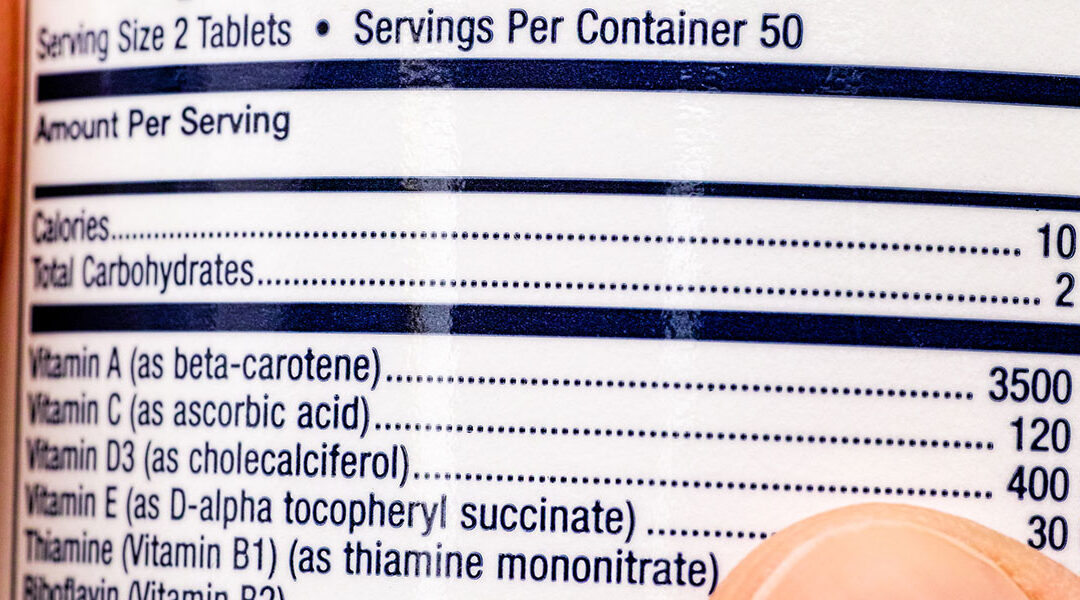
Many of you may have noticed that the daily values on your multivitamin changed dramatically for certain vitamins and minerals. The FDA released a 258-page document that goes over the new Daily Value (DV) and Recommended Daily Intake (RDI) changes. I have done the heavy lifting and sifted through all of it.

The FDA states “the updated information is consistent with current data on the associations between nutrients and chronic diseases, health-related conditions, physiological endpoints, and/or maintaining a healthy dietary pattern that reflects current public health conditions in the United States and corresponds to new information on consumer understanding and consumption patterns.” But does it?

It is helpful to remember that the FDA takes a broad approach for the entire U.S. with these new recommendations. The true daily value really depends on your diet, lifestyle, environment, and genetic requirements (see Nutrition Genome). For some vitamins and minerals, the DV went down because it has become clear that the majority of people are getting sufficient amounts and too much may be problematic.  Some requirements went up due to research showing common deficiencies in the U.S. population. Others got completely ignored despite overwhelming evidence.

The FDA has taken into account that people’s sugar intake is higher and “when added sugar intake is 10 to 15 percent of calories, the median intakes of nine nutrients (vitamin A, vitamin E, vitamin C, folate, magnesium, potassium, vitamin K, fiber, and total choline) are significantly lower.” This formula didn’t factor the compounded effects of nutrient depletion caused by a diet higher in sugar. Vitamin D, calcium, potassium, iron, and fiber were also considered as nutrients of public health concern for underconsumption.

What the FDA does not take into account is the vitamin and mineral depletion caused by environmental toxins, medications, dietary depleting habits, chemical agriculture and depleted soil, storage and travel of food, and psychological, emotional, physical and biological stress. 

This guidelines also do not display the different needs of men and women or between major biological stage changes.

The New FDA Recommended Daily Intake Chart

The FDA has also changed the measurements of certain vitamins and minerals. For example, you no longer see IU for vitamin A, vitamin E, vitamin D and folate is now measured in micrograms DFE. You will also notice that lithium and boron are missing from this chart.
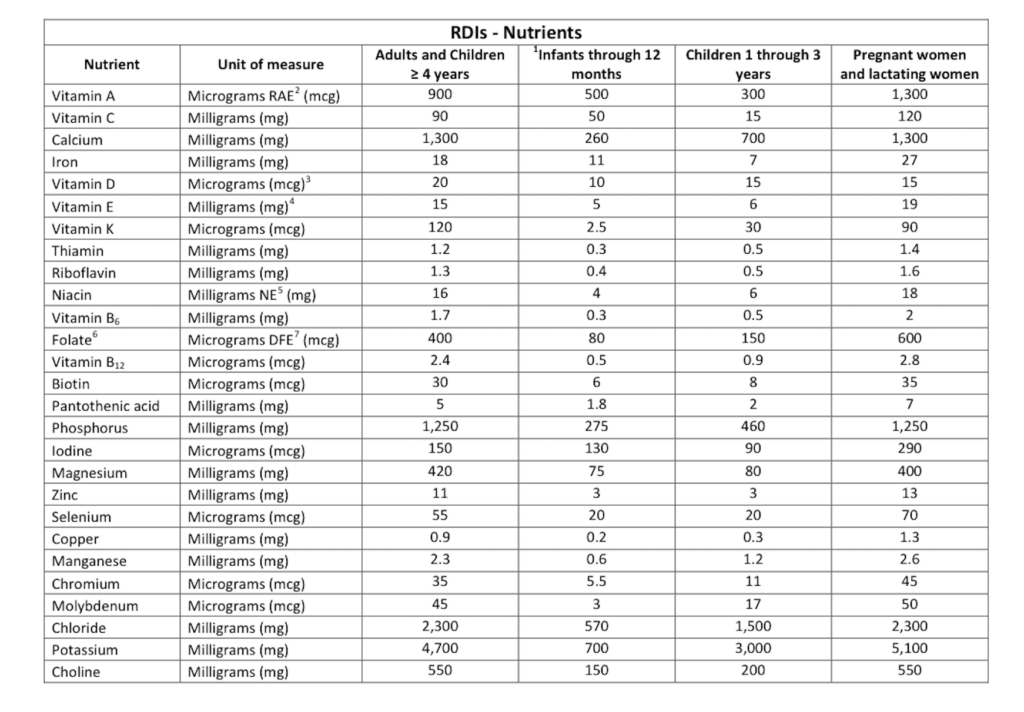
Table source link


The Health Beat’s Recommend Daily Intake Chart

Here is The Health Beat’s version of improvements in certain vitamins and minerals that better reflect the current research, optimal intake based on a whole foods diet, and other epigenetic factors (environment, stress) for the general public. I have added a column for ages 4-12 because the current RDI combines 4-12-year-olds and adults, which isn’t accurate.

I highly recommend getting a nutrigenomic test done to determine individual requirements.
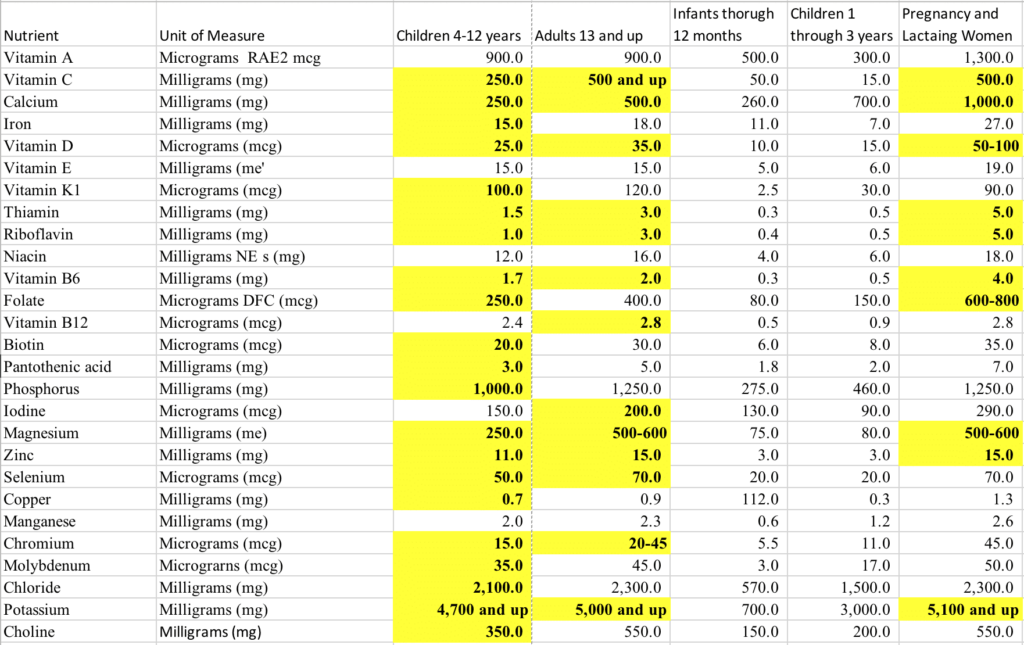
 

The Highlights of the New FDA Recommended Dietary Intake Changes


Vitamin A

Old FDA RDI: 3,000IU
New FDA RDI: 
900mcg RAE for adults and 1300mcg for pregnancy 
The Health Beat RDI: 
900mcg RAE for adults and 1300mcg for pregnancy (dependant on BCMO1 gene function, see below)

The FDA found that vitamin A “was found in a limited number of foods within the food supply a 1990 IOM labeling report identified vitamin A as a nutrient of potential public health significance and stated that certain subpopulations (children under 5 years of age) were still at risk of deficiency for this vitamin.” However, they concluded that vitamin A is no longer a nutrient of public health significance and so the final rule does not require a declaration of vitamin A on the Nutrition Facts label.

The measurements for vitamin A goes as follows:

  • 1 IU = 0.3 mcg as retinol = 0.6 mcg as beta-carotene
  • 1 retinol activity equivalent (mcg RAE) = 1 mcg retinol
  • 900 mcg RAE for adolescent and adult men is equivalent to 3,000 IU if the food or supplement source is preformed vitamin A (eggs, liver, dairy)
  • 900mcg RAE is equivalent to 6,000 IU of beta-carotene from supplements, 18,000 IU of beta-carotene from food, or 36,000 IU of alpha-carotene or beta-cryptoxanthin from food. This means that a diet containing 900 mcg RAE provides between 3,000 to 36,000 IU of vitamin A, depending on the foods consumed.

The conversion of beta-carotene to vitamin A ranges dramatically between people due to genetic variants in BCMO1 (you can see your genotype in the Nutrition Genome Report) and true vitamin A comes from eggs, full-fat dairy, organ meats, cod liver oil, wild salmon oil, and eel. The need for vitamin A is likely going to vary widely between individuals.

Vitamin C

Old FDA RDI: 60mg
New FDA RDI: 90mg
The Health Beat RDI: 500mg and up

According to the FDA, “nearly 35 percent of the general healthy U.S. population (4 years and older) have vitamin C intakes below the recommended intake from conventional foods and nearly 28 percent of the general healthy U.S. population (4 years and older) have vitamin C intakes below the recommended intake from conventional foods plus dietary supplements. While vitamin C intakes are low, vitamin C deficiency is uncommon, so we no longer find vitamin C to be a nutrient of public health significance for the general U.S. population.”

I think there is an incredible misunderstanding in thinking that scurvy is the only sign of vitamin C deficiency. It was recognized that scurvy is a problem among homeless and the youth, but since they are not buying products, they state vitamin C on labels should be omitted. This is an interesting point in the document because the FDA is looking at the nutrients which influence buying behavior of boxed items. You would think that vitamin C should be a priority nutrient since the population buying boxed items may be less likely to purchase fresh fruits and vegetables to get vitamin C.

It is more accurate to recognize suboptimal levels of vitamin C for health by inflammatory biomarkers, stress tolerance, and immunity. Research has estimated that vitamin C intake during the Paleolithic period was 400mg, and the toxic load in our environment alone today has put us at a higher need for vitamin C today more than ever in history. To recommend only 90mg for the general population is a massive oversight.

Read this article on vitamin C to see why this new assessment is incorrect.

Calcium

Old FDA DRI: 1,000mg
New FDA DRI: 1,300mg
The Health Beat RDI: 500mg for adults and 1,000mg for pregnancy

In setting DRIs for calcium, the FDA reviewed bone health, cancer, cardiovascular disease, and diabetes. Bone health was the only endpoint with sufficient scientific evidence to set a DRI. Therefore, given the benefits of adequate intake on bone health, they concluded that a relatively low intake of calcium (about 49 percent of individuals ages 4 years and older have usual calcium intake from conventional foods below the EAR and 37 percent have intakes from both conventional foods plus supplements below the EAR), and the high prevalence of osteoporosis and osteopenia among the U.S. population. This led to a conclusion of 1300mg daily for both adults and pregnancy, which have different requirements.

Studies of pre-agricultural diets show a 1:1 ratio of calcium to magnesium, and represents a time when dairy was non-existent in the diet. The Paleolithic time period serves as an excellent sample to study for bone health due to the superior skeletal structures and teeth observed in archeological digs compared to the Neolithic farmers, who’s high grain intake dramatically harmed their skeletal structures.

While vitamin D and calcium absorption varies between individuals based on genetics, modern studies using a Paleo diet have shown that while calcium intake was lower on this diet, magnesium intake was higher, and the lower calcium intake was compensated for by lower calcium and magnesium excretions, which led the authors to speculate that “calcium homeostasis was unlikely to have become compromised.” One of the noncontrolled Paleolithic diet–intervention studies also showed a decrease from baseline in calcium excretion after 10 days consumption of the Paleolithic diet. The researchers concluded that the low-salt, high-protein, and alkalizing properties of Paleo nutrition may substantially contribute to a healthy calcium balance.

Current statistics have shown that countries with the highest dairy consumption including Finland, Sweden, England and the U.S. also have the highest rates of fractures and osteoporosis and are most likely the most vitamin D deficient. The Physician’s Committee for Responsible Medicine stated that “increases in dairy or total dietary calcium intake (above 400 to 500 mg per day) are not correlated with – or a predictor of – bone mineral density or fracture rate in children or young adults.”

I propose that the conclusion that poor bone health must be strictly be occurring from calcium intake is incorrect. By increasing calcium requirements to this level, you are increasing your need for magnesium and K2 to prevent calcification. Bone health requires vitamin D, calcium, magnesium, zinc, copper, silicon, vitamin K1, K2, vitamin C, inositol, L-arginine and boron, and the overall diet influences calcium homeostasis. For women, estrogen plays a major role as an antioxidant to protect bone loss from inflammation, which drives osteoporosis in post-menopausal women. However, it would appear that increasing calcium intake to a ratio of 2:1 for calcium: magnesium during pregnancy makes sense because a new skeleton is being built.

Iron

Old FDA DRI: 18mg for adults
New FDA DRI: 18mg for adults and 27mg for pregnancy
The Health Beat RDI: 18mg for adults and 27mg for pregnancy

The FDA found that iron intake is of concern among adolescents and premenopausal females. The amount in the FDA chart did not differentiate between men and women. The data showed that about 14 percent of women of childbearing age (12 to 49 years) had serum ferritin concentration (the major iron storage compounds) less than 15 ng/mL, while 10 and 14.5 percent of women had inadequate stores of body iron based on the body iron model or ferritin model. Additionally, about 3.76 million of these women of childbearing age are considered to have iron deficiency anemia.

Heme iron (animal protein) and non-heme iron (plants) have different absorption rates, with heme iron having a much higher absorption rate. Men should avoid supplements with iron, while women may require iron supplementation depending on iron intake. Iron levels that are too low or too high are both damaging to the body. If insufficient iron intake is a concern, then vitamin C should be as well because it increases the absorption of iron. Testing your HFE genes with the Nutrition Genome Report can help determine if you need to be careful regarding iron intake.

Vitamin D

Old DRI: 800IU or 20mcg
New DRI: 20mcg for adults and 15mcg for pregnancy
The Health Beat DRI: Ranges for adults and 50mcg-100mcg for pregnancy and seniors

The new vitamin D measurement uses micrograms instead of I.U. This means that 10mcg = 400IU.

A large body of research has found that 2,000IU-4,000IU is the optimal daily dose of vitamin D when deficient, for pregnancy and for seniors. The amount you require may range based on your climate, exposure to the sun, current vitamin D level, and genetics due variants in the CYP2R1 and VDR genes.

Vitamin E

Old FDA DRI: 30IU
New FDA DRI: 15mg and 19mg for pregnancy
The Health Beat DRI: 15-20mg

For a long time, 400IU was the standard amount of vitamin E in many supplements. 1 IU is the biological equivalent of 0.67 mg d-alpha-tocopherol or 0.9 mg of dl-alpha-tocopherol. This was another number that didn’t make sense based on the amount of vitamin E found in food. Vitamin E is fat-soluble and vitamin C recycles vitamin E. If you eat nuts, seeds, and certain vegetables, you may get approximately 15-20mg on a good day. This makes this amount the ideal target. High levels of vitamin E may even be inflammatory for people with certain variants in the GSTP1 gene.

Vitamin K

Old DRI for K1: 120mcg
New DRI for K1: 120mcg
The Health Beat DRI: 120mcg for K1 and 60-70mcg for K2

While K1 requirements are established, the FDA document disagrees with including K2 requirements, even though Health Canada makes convincing arguments for the inclusion of it. K1 is found in plants, while K2 is found in natto, goose liver, gouda, and brie. Vitamin K2 is also generated by healthy gut bacteria. When reviewing a food diary of foods high in K2, you will find that the total ranges between 60-70mcg.

Low levels of vitamin K2 can lead to arterial calcification, osteoporosis, and poor dental health. Those with variants in the VOKRC1*2 gene may require higher levels of vitamin K2.

B1 (Thiamine)

Old FDA RDI: 1.5mg
New FDA RDI: 1.2mg
The Health Beat RDI: 3mg for adults and 5mg for pregnancy

I discussed B1 with one of our contributors – Sarah Morgan –  who has done a lot of work with women and pregnancy. She said that all IVF women have a tremendous need for B1, are consistently low due to oral contraceptives, and that low B1 leads to the accumulation of lactate in the gut that causes nausea vomiting and abdominal pain during pregnancy. High alcohol intake and excessive urination will also lead to low B1 levels.

B2 (Riboflavin)

Old FDA RDI: 1.2mg
New FDA RDI: 1.3mg
The Health Beat RDI: 2-3mg and 5mg for pregnancy

Much attention goes to folate regarding the MTHFR gene, but riboflavin stabilizes the MTHFR gene. Therefore, riboflavin intake should be a priority nutrient for those with variants in MTHFR.

Vitamin B6

Old DRI: 2mg
New DRI: 1.7mg
The Health Beat DRI: 2mg and 4mg for pregnancy

Vitamin B6 is one of the most vital nutrients for mental health and has continually found to be low in certain populations. The issue with B6 is it is depleted by many medications, alcohol, sugar and stress. According to the CDC, 10.6 million women use oral contraceptives. Oral contraceptives deplete B6, folate, vitamins B2, B12, vitamin C and E, magnesium, selenium, and zinc.

Fresh tuna is a major source of B6, which as a population, we have reduced intake dramatically due to mercury concerns. Turkey and pistachios are other excellent sources. If you have variants in the NBPF3 gene (and many other B6 related genes) you may be more sensitive to low B6 levels for mental and hormone health.

Folate

Old DRI: 400mcg for adults and 800mcg for pregnancy
New DRI: 400mcg for adults and 600mcg for pregnancy
The Health Beat DRI: 400mcg for adults and 600-800mcg for pregnancy

Folate is now listed using the unit mcg DFE (Dietary Folate Equivalents). This is the amount of mcg folate ÷ 0.6 = [Amount in mcg DFE]. 800 mcg ÷ 0.6 = 1333 mcg DFE. New labels of 800 mcg of folate will now be reported as 1,333 mcg DFE. This new measurement system came out of a debate between labeling folic acid and folate and almost became FAE (Folic Acid Equivalent).

The section turned out to be the most interesting because genetic polymorphisms are now part of the discussion. Concerns were brought up regarding the labeling of folate versus folic acid, and how this could make drug companies the only source of methylfolate for people with polymorphisms in the MTHFR gene. MTHFR and DHFR polymorphisms were discussed, and how “defects can be found in as many as 44 percent of North American Caucasians and over 50 percent of Italians” and “for individuals who have mutations impacting MTHFR or other genes relating to folate metabolism, the comments said there is a distinct possibility of building up too much unmetabolized folic acid thereby potentially increasing the risk of cancer, heart disease or strokeConsequently, a substantial segment of the population needs to consume folate rather than folic acid and would not be able to process dietary supplements containing folic acid.”

The research actually shows that the frequency of the C677T polymorphism of MTHFR in the Caucasian population is 12% homozygous and up to 50% heterozygous. The homozygous genotype has been found to be particularly common in northern China (20%), southern Italy (26%), and Mexico (32%). Many studies have found issues with folic acid that you can read about here and here.

Vitamin B12

Old DRI: 6mcg
New DRI: 2.4mcg
The Health Beat DRI: 2.4mcg

B12 is plentiful in a diet that includes animal foods, and it is stored in the liver. There are five types of B12 found in food. These include adenosylcobalamin, hydroxocobalamin, methylcobalamin, cyanocobalamin, and sulphitocobalamin. Sulphitocobalamin and cyanocobalamin have been found to have the lowest absorption rates.

Cyanocobalamin combines a cyanide molecule with cobalamin, and when given in high isolated amounts, high circulating B12 levels on blood tests can occur. As discussed in my Best and Worst Multivitamin article, a study found that very high levels of circulating B12 levels tripled the risk of autism. High B12 levels have also been researched as a marker for cancer.

My recommendation is to be conservative with B12 supplementation unless there are issues with absorption, in which case, a stronger formula may be necessary with different forms of B12. Routinely checking your B12 levels when supplementing with higher doses would be wise.

Biotin (B7)

Old DRI: 300mcg
New DRI: 30mcg
The Health Beat DRI: 30-50mcg

For biotin, 300mcg use to be 100% of the DV and is now considered 1,000%. The reason for this change appears to be due to high doses of biotin (10-300mg) interfering with blood tests like TSH, vitamin D and troponin. That is a dramatic drop to 30 mcg. Human biotin requirements are actually unknown. We do know that biotin deficiency causes genome instability. The Old DRI of 300mcg was definitely wrong. When you look at the amounts of biotin in food, you will find that 3 oz. of liver has 30mcg, 3 eggs have 30mcg, 6 oz, of salmon has 10mcg, and 6 oz. of grass-fed beef has about 8 mcg. Plant foods contain much less biotin, with 1/4 cup of almonds containing 1.5mcg at the top.

As you can see, 300mcg would be impossible on a daily basis. Hitting 30mcg on average each day is a better more accurate target.

Iodine

Old DRI: 150mcg for adults and 150mcg for pregnancy
New DRI: 150mcg for adults and 290mcg for pregnancy
The Health Beat DRI: 200mcg for adults and 290mcg for pregnancy

I applaud this change to 290mcg of iodine for pregnancy. This is in alignment with the research. Iodine has a special role in pregnancy, breast health and thyroid health, and due to the competition of iodine intake with fluoride and bromide, increased iodine intake should be considered a priority.

Read this article for more about industrial fluoride and how it may be harming you.

Magnesium

Old FDA DRI: 400mg
New FDA DRI: 400mg
The Health Beat DRI: 500-600mg

The commentary from the FDA on magnesium is perhaps one of the most shocking parts of this document. Each section is organized by comments from a committee and then a response from the FDA. I’ll summarize the points here.

Comment: One comment said that magnesium deficiency in the face of a normal calcium intake can lead to soft tissue calcification in animals. The comment said that the most prominent feature of magnesium deficiency is the calcification predominantly of arteries.

Another comment further stated that magnesium inadequacy has a variety of other adverse health effects and that dietary magnesium intake was found to be inversely associated with mortality risk in individuals at high risk of cardiovascular disease. In addition, the comment said, a higher dietary magnesium intake is associated with lower fasting glucose and insulin and dietary magnesium intake is inversely associated with plasma concentrations of the inflammation indicator C-reactive protein (CRP).

One comment stated that national survey data indicate that dietary magnesium intake is inadequate in the general U.S. population, particularly among adolescent girls, adult women, and the elderly.

FDA’s Response: “We agree that magnesium is an essential nutrient and that it is important in many different pathways and functions of the body. However, consistent with our consideration of the factors for mandatory and voluntary declaration of vitamins and minerals, while magnesium dietary intake is currently low, the IOM recommended intake is not set based on a public health endpoint (e.g., a chronic disease), and the overt symptoms of magnesium deficiency are rarely seen among general healthy U.S population. Consequently, we do not consider magnesium to be a nutrient of public health significance for the general U.S. population.”

My response: Wow. Heart disease is the leading cause of death in the U.S. and diabetes increases the risk of heart disease dramatically. Read this article on magnesium to see why this is absolutely a nutrient of public health significance.

Zinc 

Old FDA RDI: 15mg
New FDA RDI: 11mg
The Health Beat RDI: 15mg

The new RDI lowered zinc from 15mg to 11mg. Why? The reasoning appears to be more towards not exceeding a certain level of zinc for children ages 4-8 since they are put in the same category for adults. A study published in 2013 referenced in the FDA document found that a dose-response intervention of 5 to 15 mg/day of zinc for 4 months did not alter copper status in healthy Canadian boys aged 6 to 8 years.

Zinc and copper compete for absorption, and the balance between zinc and copper is a key element to overall health. High copper and low zinc can manifest as ADHD, anger, agitation, autism, anxiety, panic, racing thoughts, insomnia, oxidative stress, severe cramps, endometriosis, and fibroids. Due to the use of the copper IUD, estrogen dominance (estrogen retains and accumulates copper, and a sensitivity to both oral contraceptives and the copper IUD can be a clue for high copper levels), low zinc intake, copper fungicides, copper pipes, a vegetarian diet, poor gut health (copper elevates in response to infections). my stance is that the RDI should still be 15mg of zinc for adults while keeping copper at 0.9mcg.

Selenium 

Old FDA DRI: 70mcg
New FDA DRI: 55mcg
The Health Beat DRI: 70mcg

The committee fought hard against any reductions in the DRI for nutrients like selenium. They correctly stated that “Americans need more vitamins and minerals because toxin intake is increasing and nutrient intake is decreasing. They also correctly state that the science shows that “we need a higher daily intake of vitamin B and other vitamins as well as more minerals such as magnesium and selenium.”

The FDA’s response essentially was that they disagree and that no evidence was provided to support the various assertions made, including that Americans need more vitamins and minerals due to increased toxins. I’m not sure which party I’m more upset with on this one. The fact of the matter is, yes, the evidence is overwhelming that we are living in a more toxic environment and that does require a higher intake of protective and detoxifying co-factors to assist our bodies with a toxic load it has never experienced in human history.

Copper 

Old FDA DRI: 2mg
New FDA DRI: 0.9mg
The Health Beat DRI: 0.9mg

I agree with this reduction in copper intake as mentioned in the zinc section above.

Chromium 

Old DRI: 120mcg
New DRI: 35mcg and 45mcg for pregnancy
The Health Beat DRI: Ranges from 20-45mcg depending on the individual

Chromium is a nutrient often discussed in regards to blood sugar control and diabetics. Diets that are high in sugar, infection, intense exercise, pregnancy, lactation and physical trauma all increase chromium losses and can cause deficiencies. Medications like proton pump inhibitors and antacids may lead to low chromium levels. The reduction from 120mcg to 35mcg is quite a drop and it wasn’t clear why this change was made.

Chromium is supplied in fairly low amounts in the diet. Broccoli has 11mcg in a half a cup, and 5 oz. of red wine can have up to 13mcg depending on the source of the wine. Other foods are in the 1-3mcg range. It would appear that the FDA realized that 120mcg is much higher than could be supplied by an average diet.

Potassium 

Old FDA DRI: 4,700mg
New FDA DRI: 4,700mg
The Health Beat DRI: 5,000mg and above

The National Health and Nutrition Examination Survey (NHANES) reported that less than two percent of people in the U.S. meet the daily 4,700-mg potassium. The Paleolithic diet delivered approximately 11,000 milligrams (mg) of potassium a day, much of it from fruits, vegetables, leaves, flowers, roots, and other plant sources, but well under 700 mg of sodium. The average adult now consumes 2,500-7,500 mg of sodium and 2,500 mg a day of potassium. The correct ratio of sodium to potassium in the U.S. has been turned upside down.

Choline

Old FDA DRI: 425mg
New FDA DRI: 550mg
The Health Beat DRI: 550mg

The curtain has been pulled back on the decades of horrible advice regarding chicken thighs, organ meats, egg yolks and fish eggs due to the fear of dietary cholesterol when all of these foods contain the highest levels of choline. When you review the amounts of choline in food, you will find that it is almost impossible to reach the recommended choline targets without these foods.

Choline is a nutrient that I talk about in-depth in the Nutrition Genome Report. Choline is crucial for pregnancy, lowers anxiety, prevents fatty liver, assists detoxification, improves memory and more. Due to variants in the PEMT gene, your choline requirements can vary dramatically, and I think it is a key element in Alzheimer’s progression in women.

Lithium and Boron

Dose: 250mcg to 5mg
Boron
1-3mg

Both of these were omitted from FDA’s DRI, and lithium wasn’t even mentioned once. Lithium is something many places in the world desperately need more of. Lithium is connected to mental health, nerve health and cancer prevention. As I have talked about here, studies found an association between higher levels of lithium in local water and “beneficial clinical, behavioral, legal and medical outcomes.” Studies in Texas, Japan, Greece, and Austria all found that areas with higher lithium had lower suicide rates.

Boron is connected to bone health, hormone health and healthy SAMe levels for brain health. Men with low testosterone women with osteoporosis or osteopenia will benefit from more boron.


Is Gatorade Good for You?

Is Gatorade Good for You?

When I wrote the Best and Worst Electrolyte Drinks in 2013, I didn’t know it would cause a major domino effect in companies changing their formulas. High fructose corn syrup, sugar, food dyes, sodium benzoate, aspartame, sucralose and “natural” flavor with a little salt and potassium has been the main recipe variation for the majority of commercial electrolyte drinks.

What about Gatorade? Is Gatorade good for you? Many of you probably have grown up with Gatorade, with memories of Michael Jordan and drinking it during timeouts or half-time childhood sports games.

The question “is Gatorade good for you” in the ’80s and ’90s was never really asked, and there really wasn’t a lot of electrolyte drinks to choose from. Gatorade was the only “thirst quencher” and contained electrolytes, so it must be good for you. Right? Remember, this was also during the time of cold cereals like Cookie Crisp and Count Chocula for breakfast. Let’s face it, these weren’t our best years of nutrition.

What Does Gatorade Do? Does Gatorade Really Hydrate You?

Gatorade attempts to hydrate you through a sugar, salt, and potassium water mixture. The fact that Gatorade became an electrolyte staple shows the power of branding and marketing. Instead of quenching your thirst, you could argue that Gatorade actually depletes electrolytes based on the sugar content and therefore is not effectively hydrating you.

Gatorade only includes the electrolytes sodium and potassium, ignoring chloride, calcium, and magnesium. All of these electrolytes are crucial for preventing muscle cramps and aiding in faster recovery.

Gatorade’s Rise to the Throne

Gatorade still controls 77% of the sports drinks sales in the U.S. has been around for almost 50 years. It was originally developed for football players in the Florida heat. Ironically, billions of Gatorade sales go to the average consumer that does not require this sodium and sugar concoction.

During this 50-year reign, Gatorade’s nutrition facts included high fructose corn syrup as a sweetener, brominated vegetable oils (a flame retardant that has been banned in Japan and the EU that harms the thyroid gland), hydrogenated oils (linked to heart disease) and food dyes made from oil. It was an absolute liquid abomination.

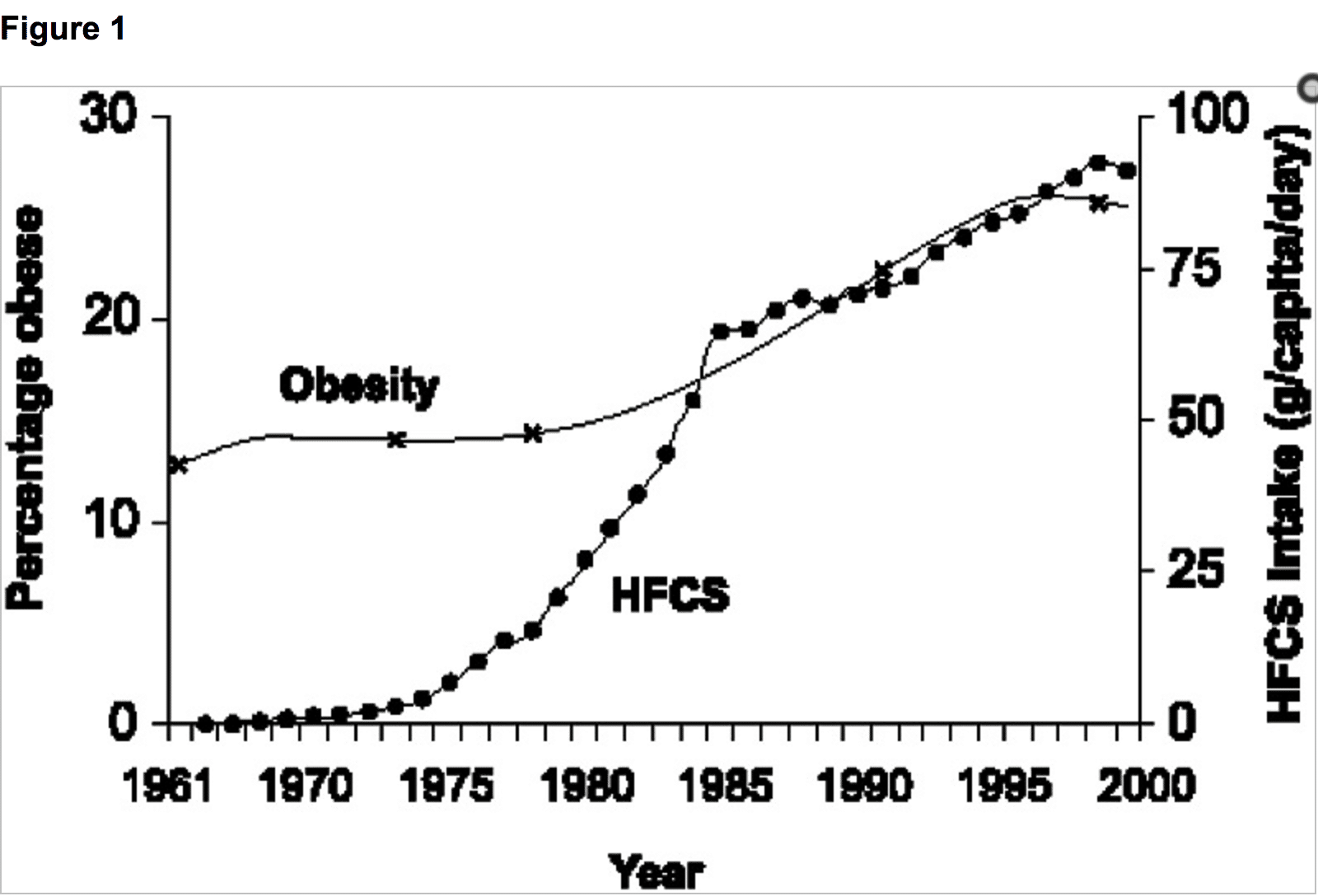
The damage that has been done to the human race by high fructose corn syrup is profound. Today in the U.S., two out of three adults are overweight or obese. Take a look at the chart below to see when HFCS really took off and its correlation with obesity.

Gatorade’s Rise to the Throne

Gatorade’s Rise to the Throne


How Much Sugar Does Gatorade Have? What are the other Ingredients?

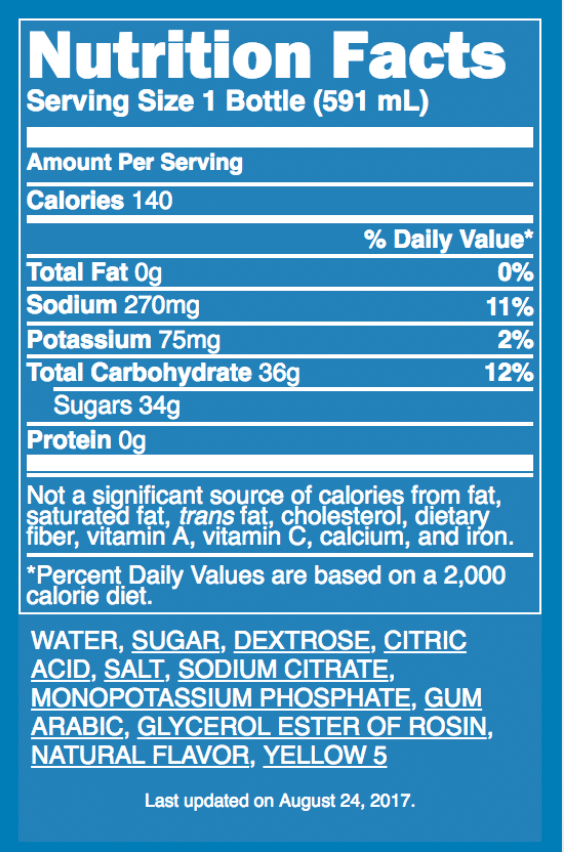
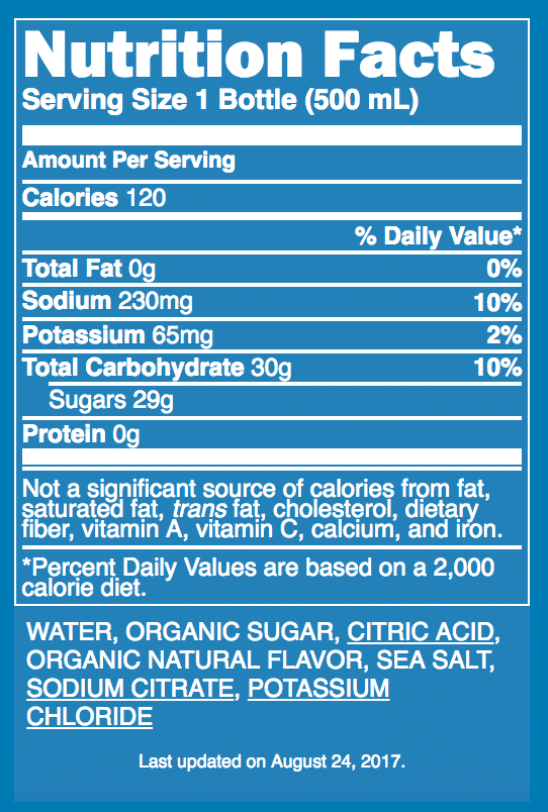
In case you were wondering if Gatorade is really that bad for you, here are Gatorade’s new nutrition facts and ingredients label:

Is Gatorade Bad For You and How Much Sugar Does Gatorade Have? 

Along with a ridiculous amount of sugar (36 grams), you may also glance over glycerol ester of rosin, natural flavor, and yellow #5. “Glycerol ester of rosin” sounds like some romanticized essential oil from biblical times. This is actually a food additive to keep oil suspended in a liquid. This was Gatorade’s answer to brominated vegetable oils that they were so fond of for decades. There are no long term studies on glycerol ester of rosin, and therefore the long-term effects are currently unknown.

Natural flavor is always ambiguous and corporations don’t have to tell you what it is, including if it is MSG. It is the fourth most common ingredient in foods after salt, sugar, and water. In the lab, the differences between natural flavor and the artificial flavor become fuzzy, because the starting material may be natural, but the end product is a highly purified chemical isolate.

In my early days in the organic chemistry lab, I couldn’t believe the chemical process involved to make a “natural” banana flavor. How about that nice lemon and lime color? Does that come from freshly picked citrus? No, it comes from the food dye yellow #5. Yellow #5 has been found to be contaminated with benzidine, carcinogens, and found to cause hypersensitivity reactions and genotoxicity.

News Flash: High Fructose Corn Syrup and Sucrose Do the Same Amount of Damage

Gatorade switched back to sucrose (cane sugar) due to the backlash of people avoiding high fructose corn syrup and the reputation that Gatorade is bad for you. But here’s the thing; apparently there is no difference between high fructose corn syrup and sucrose intake in terms of damage. When you look at the composition, HFCS is made of fructose and glucose with the ratio in favor of fructose. Sucrose is made up of glucose and fructose in a 1:1 ratio.

Gatorade has thirty-four grams of refined sugar is close to thirty-nine grams of sugar in 1 can of coke.   Published studies have demonstrated that the physiological response to HFCS is virtually identical in levels of glucose, insulin, leptin, ghrelin, and appetite in normal-weight and obese women. Another study found that both men and women demonstrated no difference in triglycerides after HFCS or sucrose was consumed as 25% of total caloric intake.

What’s the Difference Between Isolated Sucrose and Sucrose in Whole Foods?

When you isolate something like sugar, you strip away all of the fiber, enzymes, antioxidants, polyphenols, vitamins, and minerals that make up the intelligent design that nature intended for optimal health. Coconut water is an excellent example of everything being in the right balance. Coconut water has 16 grams of sugar and is broken down into 50% glucose, 35% sucrose and 15% fructose.  

Research from 2012 and 2015 found that coconut water prevents hyperglycemia, protects the kidneys, lowers oxidative stress, and has anti-glycation properties. It is a top source of potassium, magnesium, calcium, lower in sodium, B-vitamins, vitamin C, and enzymes. How do you think sugar water like Gatorade would hold up in these studies? Along with the depleting of minerals caused by sugar and altering your oral flora for healthy teeth, it has also been found to increase the strains of bad bacteria like c difficile (C-Diff) and clostridium perfringens (one of the main strains of bacteria responsible for food poisoning).

What about Organic Gatorade?

 Is Organic Gatorade good for you? 

Gatorade is doubling down and has released an “organic” Gatorade that uses organic cane sugar in a blatant attempt to put lipstick on a pig. They have taken the food dyes out, but the ambiguous “natural flavor” is always a proprietary secret that may contain MSG. One 16.9 ounce bottle contains 29 grams of sugar and 240 milligrams of sodium. Gatorade’s organic choice is completely superficial. Sugar is sugar. It doesn’t matter if it is organic or not.

What are the Best Gatorade Alternatives?

The Health Beat has done extensive research to organize the best Gatorade alternatives for regular hydration, fitness, and diabetes. Essentially, you want to look for a balanced electrolyte profile of sodium, chloride, potassium, calcium, and magnesium. Stevia can be used for a sweetener, but sucrose, fructose, acesulfame K, aspartame, sucralose and food dyes should all be avoided.

Click on the articles below to see an in-depth analysis of the electrolyte drinks on the market. Best and Worst Electrolyte Drinks Best and Worst Electrolyte Drinks for Diabetes

What do You Think? Is Gatorade Good for You?

While Gatorade has been forced to make changes in their formulation, they continue to dominate the electrolyte market with a formula designed just like the producers of fast food. Create a high sugar, a high salt flavor profile that is addicting and makes the consumer always wanting more. As far as Gatorade is concerned, the health consequences of your choice to consume it is your problem. As long as you are addicted and can’t seem to quench your thirst with enough Gatorade, their mission is complete.

Sources

  1. https://www.ncbi.nlm.nih.gov/pmc/articles/PMC3649104/
  2. https://www.ncbi.nlm.nih.gov/pmc/articles/PMC3649104/
  3. https://www.ncbi.nlm.nih.gov/pmc/articles/PMC3649104/
  4. https://www.ncbi.nlm.nih.gov/pmc/articles/PMC3649104/
  5. https://www.ncbi.nlm.nih.gov/pmc/articles/PMC3649104/
  6. https://www.ncbi.nlm.nih.gov/pmc/articles/PMC3649104/
  7. https://www.ncbi.nlm.nih.gov/pubmed/22576019
  8. https://www.ncbi.nlm.nih.gov/pubmed/22576019
  9. https://www.ncbi.nlm.nih.gov/pubmed/22576019
  10. https://www.ncbi.nlm.nih.gov/pubmed/22576019
Top 11 Foods High in Electrolytes

Top 11 Foods High in Electrolytes

What Are Electrolytes?

In my best and worst electrolyte drinks article, I analyzed the best and worst electrolyte powders, liquids, tablets and capsules that you can add to your water. In this article, we are going to go over the top foods high in electrolytes. The main electrolytes are sodium, chloride, potassium, magnesium, calcium, and phosphorus. There is a delicate balance between these electrolytes for your body to be in optimal health.

What do electrolytes do? When there is an extreme deficiency or excess from even just one electrolyte, life-threatening disorders can occur. Excess sweating, vomiting, diarrhea, chemotherapy, medications, diabetes, digestive disorders and kidney disorders can all lead to extreme electrolyte imbalances.

Why are electrolytes important? The first signs are low electrolytes often include a headache, muscle spasms (calf cramps in the night are a sign of potassium and magnesium deficiency), low energy and dizziness or irritability. If this isn’t addressed, it can lead to A-fib, constipation, kidney stones, bladder infections and heart failure.

While water is supposed to be our major source of minerals, things have changed due to our depleted water supplies.

Drinking too much mineral-depleted water will actually lead to low electrolyte levels in the body. This is where fruits and vegetables high in electrolytes come in.


How to Get More Electrolytes Naturally?

Unlike sugary sports drinks that only include sodium and potassium, electrolyte levels can be maintained by including fruits and vegetables that are high in electrolytes in your diet. Not only do you get all the electrolytes, but you also get vitamins, a healthy source of carbohydrates and numerous other health-protective compounds.

Your electrolyte needs for all of these will depend on your activity level and health goals. What you will notice is that most electrolyte drinks are heavy in sodium and low in potassium. In nature, the opposite is true. Many people today have a high sodium/low potassium ratio due to eating out at restaurants, processed foods and a lack of fruits and vegetables. While the majority of fruits and vegetables high in electrolytes are in season during summer when we need them most, there are many foods rich in potassium that are available year-round.


The Top 11 Foods High in Electrolytes

1. Watermelon 


Foods high in electrolytes: Watermelon

1 cup

Sodium: 1.5mg
Potassium: 170mg
Magnesium: 15.2mg
Calcium: 10.6mg
Phosphorus: 16.7mg

Carbohydrates: 11.5mg

Nutrition Bonus: Watermelon is 92% water. It is native to Kalahari desert of Africa and contains lycopene, B1, B6,  l-citrulline, and l-arginine. Lycopene is highest in watermelon, and also found in tomatoes and guava. One study found that lycopene was photoprotective, and inhibits proliferation of several types of cancer cells.

Men with a high consumption of lycopene in diet reported 25% fewer incidences of prostate cancer and overall 44 % reduced risk of other cancers. Females consuming ample amount of watermelon have five times less likely risk of cervical cancer.

L-citrulline and L-arginine boost nitric oxide levels, leading to better cardiovascular health and exercise performance. L-arginine may also boost fat loss and watermelon juice has been found to reduce muscle soreness.

For tasty post-workout hydration or dessert, blend watermelon and freeze it in individual cups. Instant watermelon slushie.


2. Pomegranates

Foods high in electrolytes: Pomegranates

1 pomegranate 4 inch diamater

Sodium: 8.5mg
Potassium: 666mg
Magnesium: 33.8mg
Calcium: 28.2mg
Phosphorus: 102mg

Carbohydrates: 52.7g

Nutrition Bonus: Pomegranates contain high amounts of folate (107mcg), flavonoids, rich in potassium, a good source of magnesium, blood sugar lowering ability post-mealprostate cancer prevention and treatmentinhibiting cartilage destruction in those with osteoarthritis, limit brain cell damageprotection against sun damage, ability to positively influence nitric oxide, prevent LDL oxidation and lower inflammation. One study found that pomegranate juice outperformed blueberry juice, red wine, vitamin C and synthetic vitamin E for quenching free radical damage inflicted upon cell membranes, while another study found that pomegranate helped reduce cellular oxygen radicals by 71% while increasing cellular antioxidants by 141%.


3. Oranges

Foods high in electrolytes: Oranges

1 cup

Sodium: 0mg
Potassium: 326mg
Magnesium: 18mg
Calcium: 72mg
Phosphorus: 25.2mg

Carbohydrates: 21.1 grams

Nutrition Bonus: Oranges are a rich source of folate, rich in potassium,  a good source of calcium, and vitamin C. All citrus contains an aromatase inhibitor, an anti-estrogenic compound helping prevent estrogen positive breast cancer in women and increasing testosterone in males.


4. Cucumber

Foods high in electrolytes: Cucumbers

1 medium cucumber

Sodium: 4mg
Potassium: 273mg
Magnesium: 24.1mg
Calcium: 28.1mg
Phosphorus: 42.2mg

Carbohydrates: 4.1mg

Nutrition Bonus: Cucumbers are 95% water, supplies B1, B5 and B7, a good source of magnesium and calcium, a good veggie source of potassium, apigenin and have a cooling, anti-inflammatory effect on the body. They contain a unique flavonol called fisetin that may protect brain cells. Cucumbers also contain phytonutrients and anti-cancer polyphenols (lignans) that interact with our gut bacteria to protect against breast, ovarian, prostate and uterine cancers.

Choose lacto-fermented pickles to also get some salt and probiotics after a hard workout.


5. Tart Cherries

Foods high in electrolytes: Thart Cherries

1 cup Cherries

Sodium: 4.7mg
Potassium: 268mg
Magnesium: 13.9mg
Calcium: 24.8mg
Phosphorus: 23.2mg

Carbohydrates: 18.9g

Nutrition Bonus: Multiple studies have found decreased muscle soreness and increased recovery from cherry juice and dehydrated cherry supplements. One of these studies had subjects perform ten sets of ten repetitions at 70 % of a 1-RM back squat. The researchers found that  Montmorency powdered tart cherry supplementation used daily and 48 hours post-workout significantly lowered muscle soreness strength decrement during recovery, and markers of muscle catabolism throughout the 48-hour post-lifting recovery period compared to placebo.


6. Bananas

Foods high in electrolytes: Bananas

1 medium Banana

Sodium: 1.2mg
Potassium: 422mg
Magnesium: 31.9 mg
Calcium: 5.9 mg
Phosphorus: 26.0 mg

Carbohydrates: 27g

Nutrition Bonus: Bananas contain B6, rich in potassium, a good source of magnesium, phytosterols, carotenoids and a prebiotic fiber that help probiotics colonize and keep you full.


 7. Beets

Foods high in electrolytes: Beets

1 beet

Sodium: 64mg
Potassium: 267mg
Magnesium: 18.9mg
Calcium: 13.1mg
Phosphorus: 32.8mg

Carbohydrate: 7.8mg

Nutrition Bonus: Beets have received a lot of attention due to their ability to boost nitric oxide levels. This is due to the nitrate content, like celery. Beets are a powerhouse of vitamins, minerals, and compounds, a good source of sodium in balance with potassium, and contains the elusive betaine. Beets have been found in studies to lower blood pressure, increase endurance, detox the blood and liver and lower inflammation. Try a few ounces of fresh beet juice before a workout to get a boost, or after to restore electrolyte levels.


8. Strawberries

Foods high in electrolytes: Strawberries

1 cup

Sodium: 1.5mg
Potassium: 233mg
Magnesium: 19.8mg
Calcium: 24.3mg
Phosphorus: 36.5mg

Carbohydrates: 11.7g

Nutrition Bonus: Strawberries are a good source of folate and vitamin C. Berry phenols like ellagic acid in strawberries have strong anti-cancer activity and the ability to protect the mitochondria (powerhouse of the cell). Strawberries also contain malic acid. Malic acid has been found to increase carbohydrate reserves and decrease oxygen consumption by tissues, therefore increasing physical work capacity and endurance. Malic acid also helps whiten your teeth.


9. Celery

Foods high in electrolytes: Celery

1 stalk of celery

Sodium: 32mg
Potassium: 104mg
Magnesium: 4mg
Calcium: 16mg
Phosphorus: 10mg

Carbohydrates: 1.4mg

Nutrition Bonus: Celery contains nitrates, apigenin, and luteolin. Nitrates in certain green vegetables have been found to reduce blood pressure, inhibiting platelet aggregation, improve endothelial dysfunction and enhance exercise performance in healthy individuals and patients with peripheral arterial disease.

Apigenin is an aromatase inhibitor, helping prevent estrogen positive breast cancer in women and increase testosterone in males. Luteolin was found to locate triple-negative cancer cells and stop them from metastasizing.


10. Mangos

Foods high in electrolytes: Mangos

1 cup mango

Sodium: 3.3mg
Potassium: 257mg
Magnesium: 14.8mg
Calcium: 16.5mg
Phosphorus: 18.2mg

Carbohydrates: 28.1g

Nutrition Bonus: Mango has been found to have photoprotective, anti-carcinogenic and anti-inflammatory properties.


11. Lemons

Foods high in electrolytes: Lemons

1 lemon

Sodium: 0.5mg
Potassium: 53mg
Magnesium: 2.8 mg
Calcium: 3.3 mg
Phosphorus: 2.8mg 

Carbohydrates: 4.1g 

Nutrition Bonus: Citrus has higher levels of vitamin C and aromatase inhibitor, an anti-estrogenic compound helping prevent estrogen positive breast cancer in women and increase testosterone in males.


Conclusion 

Use nature as your guide to find the best foods high in electrolytes throughout the year. As your activity and sweat loss increases, the more of these foods should be included in your diet. The nutritional bonus of these foods combined with the electrolytes provides the ultimate hydration package.

Further Reading

Best and Worst Electrolyte Drinks
Best and Worst Electrolyte Drinks for Chemotherapy
Best Electrolyte Drinks for Diabetes

Sources

  1. https://www.ncbi.nlm.nih.gov/pmc/articles/PMC4664803/
  2. https://www.ncbi.nlm.nih.gov/pmc/articles/PMC4464475/
  3. https://www.ncbi.nlm.nih.gov/pmc/articles/PMC4664803/
  4. https://www.ncbi.nlm.nih.gov/pmc/articles/PMC4664803/
  5. http://www.ncbi.nlm.nih.gov/pubmed/15383219
  6. http://www.ncbi.nlm.nih.gov/pubmed/16140882
  7. http://www.ncbi.nlm.nih.gov/pubmed/17010630
  8. http://www.ncbi.nlm.nih.gov/pubmed/15493960
  9. http://www.ncbi.nlm.nih.gov/pubmed/16626982
  10. http://www.ncbi.nlm.nih.gov/pubmed/16226266
  11. http://www.ncbi.nlm.nih.gov/pubmed/22209285
  12. https://www.ncbi.nlm.nih.gov/pmc/articles/PMC4647629/
  13. http://www.ncbi.nlm.nih.gov/pubmed/3410020
  14. http://www.ncbi.nlm.nih.gov/pubmed/3410020
  15. http://www.ncbi.nlm.nih.gov/pubmed/3410020
  16. https://www.ncbi.nlm.nih.gov/pubmed/20205391
  17. https://www.ncbi.nlm.nih.gov/pubmed/20205391