What to Do After You Quit Smoking

What to Do After You Quit Smoking

Congratulations! You’ve Officially Quit Smoking


Did you know that within 20 minutes of smoking that last cigarette, your body began a series of positive changes that will continue for a decade or more? You have significantly reduced your risk of death from stroke, heart disease, emphysema, chronic bronchitis, and several kinds of cancer­, not just lung cancer.

Cigarette smoking is responsible every year for approximately 130,000 deaths from cancer, 170,000 deaths from heart disease, and 50,000 deaths from lung disease.

After you quit smoking, our goal is to support you nutritionally as your body begins to heal and to support your blood sugar to modify any food cravings you may develop.

According to Dr. Joseph Mercola, researchers are actually documenting neurochemical effects that support the concept that cigarettes may actually be a drug that smokers are using to treat their underlying chronic anxiety and depression.

In conjunction with diet and exercise changes, he recommends a stress-relieving technique called EFT (Emotional Freedom Technique).

What Happens When You Quit Smoking

After you quit smoking, within 12 hours the potentially toxic carbon monoxide levels in your blood drop to normal. Ten years after quitting smoking, your risk of dying from lung cancer is half that of a smoker’s. Although quitting smoking definitely creates healthier lungs, there are several steps you can take to maximize your lungs’ health.

Talk with your doctor about your current lung and overall fitness levels and for any recommendations or restrictions that may be specific to your condition. Stock your refrigerator and cabinets with plenty of healthy foods, particularly those filled with antioxidants from fruits and vegetables, and be sure to include carrots and other beta-carotene-rich foods.

Research published in 1991 in “Nutrition and Cancer” suggests that eating as little as one carrot per day could cut the rate of lung cancer in half. Plan an exercise program that includes endurance exercises such as walking and bicycling, which are some of the best things you can do to keep your lungs healthy.

Take yoga or Pilates classes, especially those that concentrate on deep breathing techniques. Check out this article on the best exercises to do based on your genetics.

Remove as many indoor and outdoor pollutants in your home and work environment as possible, particularly those that give off fumes such as paint, gasoline, formaldehyde-containing particleboard furniture, aerosols, and other chemicals. Fill your house with plants that work as natural air filters. Switch to baking soda or vinegar and water as household cleaners.1

Below is a timeline that shows how your body is regenerating over time.

20 MINUTES AFTER YOU QUIT SMOKING (after your last cigarette)

  • Blood pressure drops to normal
  • Pulse rate drops to normal
  • Body temperature of hands and feet increases to normal

8 HOURS AFTER YOU QUIT SMOKING

  • Carbon monoxide level in blood drops to normal
  • Oxygen level in blood increases to normal

24 HOURS AFTER YOU QUIT SMOKING

  • Chance of heart attack decreases

48 HOURS AFTER YOU QUIT SMOKING

  • Nerve endings start regrowing
  • Ability to smell and taste is enhanced

2 WEEKS TO 3 MONTHS AFTER YOU QUIT SMOKING

  • Circulation improves
  • Walking becomes easier
  • Lung function increases up to 30%

1 TO 9 MONTHS AFTER YOU QUIT SMOKING

  • Coughing, sinus congestion, fatigue, and shortness of breath decrease
  • Cilia regrow in lungs, increasing ability to handle mucus, clean the lungs, and reduce infection
  • Body’s overall energy increases

1 YEAR AFTER YOU QUIT SMOKING

5 YEARS AFTER YOU QUIT SMOKING

  • Lung cancer death rate for average smoker (one pack a day) decreases by almost half
  • Stroke risk is reduced to that of a nonsmoker 5-15 years after quitting
  • Risk of cancer of the mouth, throat and esophagus is half that of a smoker’s

10 YEARS AFTER YOU QUIT SMOKING

  • Lung cancer death rate similar to that of nonsmokers
  • Precancerous cells are replaced
  • Risk of cancer of the mouth, throat, esophagus, bladder, kidney and pancreas decreases

15 YEARS AFTER YOU QUIT SMOKING

Lung Detox

Over time, the lungs of a regular smoker get coated with tar. This can lead to serious health problems like bronchitis, emphysema and, ultimately, lung failure. Lung detoxification is an essential part of your healing. It’s definitely worth the effort, and the effects just may help you extend your life!

Now that you have a good idea as to why lung cleansing is important for your health, let us take a look at the detoxification process. A lung detox program has three important aspects: breathing exercises, diet, and cardiovascular activities.

Breathing Exercises

Taking deep breaths is the first step toward making your lungs healthy. Meditation, Pilates, and yoga can help you deepen your breathing and make your lungs stronger.

Avoid Mucus-Causing Foods

Regular intake of food items like cow dairy products, feedlot beef, margarine products and trans fats, white flour and refined sugar produces a lot of mucus in your body. This leads to a build-up over time, which significantly affects the capacity of your lungs.

Healing Foods

Smokers gain an average of 10 to 12 pounds after quitting smoking, partly due to cravings resulting from quitting, and partly due to their metabolism slowing down after they have dropped the habit.

Depression is also a common side effect when quitting smoking, making it very difficult for a smoker to make any major changes to his/her diet. In fact, Dr. Mercola recommends you begin changing your diet before you quit smoking so that bad habits like sugar and carbohydrate cravings after quitting are lessened or eliminated.

Small frequent meals are advised to keep blood sugar steady. You may find yourself craving grains and sugars while coming off of nicotine, and you may find your metabolism is sluggish.

Eat an anti-inflammatory diet to reduce cravings: pastured meats, bone broths, raw dairy, good fats in the form of ghee, coconut oil and coconut butter, wild-caught fish, avocado and flaxseed, and lots of organic vegetables and apples, pears, oranges, and berries.

Some studies indicate that a diet that is low in fruits and vegetables may make a person more vulnerable to the cancer-causing agents in tobacco smoke. Conversely, growing evidence is suggesting that a diet rich in fruits and vegetables lowers cancer risk.

Daily juicing (example: five celery stalks, one carrot, ½ lemon, one piece of ginger, one bunch of parsley, one apple) is a quick and easy way to receive the healing, oxygen and antioxidant-rich benefits of organic vegetables and fruits- also provides a great energy boost. Regenerative, oxygen-rich foods will help rebuild cells and cilia damaged by tobacco smoke.

Repair skin elasticity with Vitamin C-rich foods such as oranges, strawberries, papayas, sauerkraut, red and green hot chili peppers, and bell peppers.

Lycopene is an antioxidant that some researchers believe helps prevent or slow the growth of lung, prostate and stomach cancers. A great source of lycopene is tomatoes (tomatoes that are cooked with a little olive oil, as in tomato sauce, are a better source than raw tomatoes or juice), pink grapefruit, guava, apricots, watermelon, and papaya. The lycopene may be working in consort with other antioxidants and compounds in these fruits, so you can’t take a shortcut with lycopene supplements. 3

Grapes, almonds, olives, water chestnuts, and apricots are all considered ‘lung friendly’ foods. Most importantly, drink at least six to eight glasses of water every day.

Increase your intake of chlorophyll-rich food substances like spinach, spirulina, and chlorella, which play an important role in cleansing your lungs.

Cardiovascular Health

If you want to strengthen your lungs, you should exercise for at least 30 minutes a day, five days a week. Walking, running, cycling, and any other exercise that increases your heart rate to 120-130 beats per minute is good for your respiratory system.

Herbal Lung Cleanses

Herbs like rosemary, ginkgo biloba, honeysuckle, nettles, chrysanthemum and ginger root are known for their ability to increase oxygen flow, open capillaries, increase oxygen flow, inhibit bacteria growth and nourish lung tissues.*

*These herbs, however, should be used in a lung detox program only after consulting a qualified herbologist.

Recommended Supplementation

1. Prothrivers Wellness Multivitamin (No Beta Carotene)

One of the only multivitamin formulas that does not contain beta-carotene, 500mg vitamin C, K2 instead of just K1, methylated b-vitamins and bioavailable forms of the minerals.

As we know smoking increases the risk for heart disease. But why does it? Oxidative stress from toxicity. Exposure to toxins contain free radicals, which promotes the growth of atherosclerotic plaques.

Smoking severely depletes vitamin E, a potent antioxidant, and studies have demonstrated that vitamin C works with vitamin E. When smokers are given vitamin C supplementation, their antioxidant levels of E become close to that of a non-smoker.

Smoking dramatically depletes folate and other b-vitamins, and smokers with plenty of b-vitamins in the blood cut their risk of lung cancer in half. B-vitamins will calm your nerves, reduce cravings and lower inflammation.

2. Cordyceps by Mushroom Science

Cordyceps have traditionally been used to strengthen the kidneys and the lungs, has anti-cancer compounds against lung and skin cancers, helps reduce inflammation in the airways, reduce phlegm, while also restoring their function.

It may increase the production of adrenal cortex hormones and help expand bronchial smooth muscles, increasing oxygen in the body.

3. Calcium Magnesium Citramate

Calcium and magnesium play many important roles in the body. Magnesium, in particular, is a vasodilator, one of the most important nutrients for the heart and blood sugar, is calming and already deficient in up to 80% of the population due to depleted soils and other practices.


Best Electrolyte Drinks for the Keto Diet 2023

Best Electrolyte Drinks for the Keto Diet 2023

The Ketogenic diet is a high-fat, low-carb and low/moderate-protein diet with the goal of achieving nutritional ketosis. Ketosis is when the body begins producing ketone bodies out of fat and utilizes these ketones as fuel instead of glucose from sugar and carbohydrates.

Nutritional ketosis is a is characterized by serum concentrations of ketone bodies that are 0.5–3.0 mg/dL or 0.05–0.29 mmol/L and can be measured using the Keto Mojo Blood Ketone and Glucose Testing Meter Kit. The best electrolyte drinks for the keto diet address the shift in mineral requirements that occur as outlined below.

The Change in Electrolyte Requirements for the Keto Diet

When following a low-carb diet, the body shifts from retaining salt and water, to dumping it. This is why someone who begins to lower carbs can lose 5lbs right off the bat because it is water weight. It is also why increasing minerals while following the keto diet is vital.

If you don’t compensate with increased sodium intake, blood flow can be impaired and the kidneys tried to compensate by wasting potassium in an attempt to achieve the correct sodium/potassium balance. This is when you begin to lose muscle mass or experience headaches or feel faint, often referred to as “keto flu.”

How to Balance Your Electrolytes on the Keto Diet

Sodium Chloride/Potassium

There is a current debate among researchers as to what the optimal amount of sodium is on a Ketogenic diet and a concern among individuals with high blood pressure. Dr. Stephen Phinney, one of the authors of  The Art and Science of Low Carbohydrate Performance has stated that the ideal range is 4-5 grams of sodium per day during the Ketogenic diet.

It is generally recommended to add 2 extra grams of sodium to your diet if you are experiencing any symptoms of low sodium levels during the Ketogenic diet. Dr. Phinney considers 3 grams of sodium is considered too low while on Keto, while 4-5 grams may be the optimal amount depending on other factors like sweat loss, medications and current health issues.

It has been estimated in studies that our Paleolithic hunter-gatherer ancestors took in about 11,000 milligrams (mg) of potassium a day from fruits, vegetables, leaves, flowers, roots, and other plant sources. This may seem almost impossible today, where the average potassium intake is 2,500mg. Dr. Phinney recommends 2,000-3,000mg of potassium while on the Ketogenic diet, however, I would argue that potassium should either match sodium in a 1:1 ratio or be higher when on a low-carbohydrate diet. 

If you look at the sodium/potassium ratio of the traditional Yukon, Dene/Métis, and Inuit diet that is very low in carbohydrates – you see a daily intake of 2,334mg sodium and 3520mg potassium, 2692mg of sodium and 2608mg potassium, and 2,199mg of sodium and 2,997mg of potassium respectively. However, they are not in a constant state of ketosis. In fact, they have a genetic mutation called the “Arctic mutation” that occurred to prevent ketosis in the presence of a high-fat diet.

You can read more on the high-fat diets of the Arctic region and the Maasai of Africa, along with the genetic connection to whether or not you should be following a Keto diet here: Is the Keto Diet Right for You? The answer may be in your genes.

Magnesium

I have outlined why magnesium is such a critical mineral in the article How Have We Become So Magnesium Deficient? Aim for 300-600mg daily, depending on exercise, stress, dietary habits, and muscle cramps.

Calcium

I have outlined how to obtain enough calcium in this article How Much Calcium, Magnesium, and Vitamin D Should You Take? The ratio of calcium to magnesium should be 1:1 or higher in favor of magnesium for optimal health.

What about BHB Salts for the Keto Diet?

You may have seen BHB salt supplements advertised for the Ketogenic diet. In the case of BHB, I have hesitancy of using it daily long-term. When it is something your body endogenously makes and then you try and take it exogenously as a supplement, it is no longer the same process.

BHB may be fine to use here and there to help transition into a ketogenic diet, but it isn’t something I would recommend using long term. If your body produces low amounts of ketones while in ketosis, this may be a clue that you shouldn’t be spending a lot of time in ketosis. Ketosis is a backup system, not a primary system.

Currently, research on BHB salts has only been done on rats. This study done in 2017 points towards this possibility of issues with long-term use:

“Interestingly, we also observed that long-term ketone salt supplementation significantly increased liver protein carbonyl levels. While there is currently no literature to date documenting such effects, this suggests that the daily low-dose consumption of ketone salts may induce repetitive bouts of oxidative stress to the liver and this finding warrants further mechanistic investigation.”

Second, BHB salts do not put you into nutritional ketosis on their own. They simply add more ketone bodies to your blood, which then goes back to baseline. For people following a Ketogenic diet, they are already producing ketone bodies and do not need to flood their blood with more ketones, which could actually be dangerous if they get too high.

What about Caffeine During the Keto Diet?

Researchers have debated whether caffeine has long-term ketogenic effects or can enhance the ketogenic effect of medium-chain triglycerides. In a small 2017 study with 10 adults, 2 doses of caffeine (2.5; 5.0 mg/kg) was given. The study found that caffeine given at breakfast significantly stimulated ketone production in a dose-dependent manner and also raised plasma free fatty acids.

It is important to remember that caffeine is a diuretic (excreting electrolytes) but can also increase blood pressure by activating the sympathetic nervous system. So something to calculate with your caffeine intake is also the sodium loss occurring from both a ketogenic diet and caffeine consumption.

I also recommend getting genetic testing through Nutrition Genome so you understand your caffeine metabolism (slow, intermediate or fast metabolizer) along with genes involved in catecholamine metabolism and ketone production.

The Best Electrolyte Drinks for the Keto Diet

One common mistake people make when following a Ketogenic diet is that they are drinking water deficient in natural electrolytes, while not consuming enough sodium. This is a guaranteed way to experience the symptoms of Keto flu, like low energy and brain fog. The best electrolyte drinks for the keto diet are going to include a balanced liquid mineral formula and salt capsules.

Much like utilizing MCT oil to increase fat intake, you will most likely want some assistance in hitting your sodium requirements while on the Ketogenic diet.

While you can obtain this by increasing Kettle and Fire Bone Broth or Chicken Broth (use the coupon code swanson20 for 20% off) in your diet, this may not always be at your disposal or convenient.

1. LMNT Recharge Electrolyte Powder

Sodium: 1,000mg
Potassium: 200mg
Magnesium Malate: 60mg

This product was designed by Robb Wolf, with the ketogenic, paleo, and low-carbohydrate diet in mind. A straight forward formula sweetened with stevia, LMNT is a convenient way for you to hit your sodium targets.

2. Total Hydration Ketolyte Electrolyte Concentrate

Sodium: 100mg
Chloride: 375mg
Potassium: 150mg
Magnesium: 45mg
Sulfate: 20mg

This is an affordable way to add liquid sea minerals to your water throughout the day to help you hit your electrolyte targets. You may want to add Saltstick capsules to increase your sodium intake.

3. Saltstick

Sodium: 215mg
Potassium: 63mg
Magnesium: 11mg
Calcium: 22mg
Vitamin D3: 100IU

Saltstick is usually associated with triathlons and the Ironman, however, it fits the bill for helping increase your sodium intake and other electrolytes in easy to take capsules, especially if you are training hard and losing a lot of sweat.

4. Gerolsteiner Mineral Water

Gerolsteiner is my number #1 pick for mineral water.  This probably contains one of the most impressive electrolyte profiles for calcium, magnesium, and bicarbonate. While it won’t help you increase your sodium intake, it will help you increase calcium and magnesium intake, along with all of the benefits of bicarbonate including pH balancing and potentially increasing exercise performance.

How to Live Longer with These 7 Phenomenal Compounds

How to Live Longer with These 7 Phenomenal Compounds

Who doesn’t want to live longer? In The Latest Fascinating Findings in Anti-Aging Research, we explored the longevity pathways mTOR, AMPK, SIRT1, and NF-kB. Now that you have a base understanding of these pathways, you will learn how to epigenetically target them for extending life. If you are really serious about longevity, consider genetic testing through Nutrition Genome to discover your genetic strengths and weaknesses, and see which pathways need the most attention.

How to Live Longer with These 7 Compounds

1. Resveratrol

Defined: Resveratrol is a plant chemical known as a polyphenol stilbene.

Research: Protects against heart disease; showed to extend life in worms, fish, and flies; extends life in obese mice; improved health of all mice (73).

Pathways: INHIBITS mTOR, INHIBITS NFkB, ACTIVATES AMPK, ACTIVATES SIRT1

Food sources: red wine, peanuts, pistachios, berries (blueberries, bilberries, cranberries), cacao, muscadine grape

2. Pterostilbene

Defined: Pterostilbene is a plant chemical know as a polyphenol stilbene.

Research: Reduces oxidative damage; acts as an anti-inflammatory; a powerful control of gene expression and enzyme activity modulator; similar benefits as resveratrol but more bioavailable (potential for better absorption) (74)

Pathways: INHIBITS mTOR, INHIBITS NFkB, ACTIVATES AMPK, ACTIVATES SIRT1.

Food sources: blueberries, red wine, almonds, peanuts and cacao.

3. Curcumin

Defined: Curcumin is a plant rhizome chemical known as a polyphenol curcuminoid.

Research: Shows antioxidant activity similar to Vitamin C and E; acts as an anti-inflammatory; liver protective; reduces cholesterol and triglyceride levels; cancer and Alzheimer’s Disease protection, glucose lowering activity (75) (76)

Pathways: INHIBITS mTOR, INHIBITS NFkB, ACTIVATES AMPK

Food sources: Turmeric.

4. Magnesium

Defined: Magnesium is a critical mineral essential to human life.

Research: 45% of the USA are deficient in magnesium; required by all the enzymes that use and produce ATP (the energy form used by cells); it is involved in ion transport; cell signaling; and has structural functions

Pathways: ACTIVATE SIRT1 (77); a critical co-factor to proper functioning pathways; over 300 enzymes within the body require magnesium (78)

Food sources: Spinach, swiss chard, beet greens, pumpkin seeds, summer squash and turnip greens. See our top magnesium supplements here.

5. Melatonin

Defined: Melatonin is the main hormone of the pituitary gland, which is primarily responsible for maintaining normal circadian rhythm (sleep-wake cycle)

Research: Shown to extend lifespan in mice; linked to reduce cancer; associated with neuroprotection; improve immune system function; powerful antioxidant (79)

Pathways: ACTIVATES AMPK; INHIBITS NF-kB, ACTIVATES SIRT1 (80) (81) (36) Melatonin appears to be unique in that it seems to target the AMPK and SIRT pathways differently depending on normal cells or a cancerous cell.  In the case of cancerous cells, AMPK and SIRT are downregulated and inhibited by melatonin.

Food sources: Montmorency (tart) cherry, goji berries, walnuts, almonds, raspberries, tomatoes, other berry varieties, other cherry varieties, Barolo and Barbaresco red wines.

6. Vitamin D

Defined: Vitamin D is a synthesized in the skin when it is exposed to sunlight and then metabolized by the liver and the kidney to a hormone variant.  In supplement form, Vitamin D is known as Vitamin D3 (cholecalciferol).

Research: Vitamin D regulates the expression of hundreds of genes; blood levels of Vitamin D are associated with reduced dementia, cancer, and heart disease risk; it ensures bone health and strength; Vitamin D inhibits autoimmune disease; lowers likelihood of cold and flu; inadequate blood levels of vitamin D are associated with asthma, stroke, neurodegenerative disease and multiple sclerosis (82)

Pathways: ACTIVATES AMPK; INHIBITS mTOR; INHIBITS NF-kB, ACTIVATES SIRT1 (83) (84) (85) (86) (87) (64) (88) (89) (90)

Food sources: Cold liver oil, whole salmon oil, salmon, sardines, cow’s milk and egg yolks.

7. EPA & DHA

Defined:  Eicosapentaenoic acid (EPA) and docosahexaenoic acid (DHA) are essential omega-3 fatty acids found primarily in marine products like fish.

Research:  Fish oil has shown to protect against cognitive decline; slows the aging process in general; associated with slower telomere shortening; reduces oxidation in blood cells; reduces inflammation (91)

Pathways:  ACTIVATES AMPK; INHIBITS mTOR; INHIBITS NF-kB, ACTIVATES SIRT1 (92) (93) (93)

Food sources: fish and other seafood, marine oil supplements. See our top fish oil picks here.

NOTE:  AMPK increases SIRT1 by increasing NAD+ levels within cells. SIRT1 activation also indirectly activates AMPK. Moreover, what increases AMPK activity typically inhibits mTOR.

Resveratrol Pterostilbene Curcumin Magnesium Melatonin Vitamin D DHA/EPA
Top Food Source: Red wine Wild blueberries Turmeric Spinach Montmorency cherries Cod Liver Oil Fish and seafood, Fish Oil
Inhibits mTOR X X X * ** X X
Activates AMPK X X X * X X X
Activates SIRT X X X X X X X
Inhibits NF-kB X X X * X X X

* magnesium is a necessary co-factor in all pathways and many people are deficient in this mineral ** Satisfactory references could not be found so this was left blank, although mTOR tends to be inhibited if AMPK is activated

Sources

https://themedicalbiochemistrypage.org/minerals.php. [Online] https://themedicalbiochemistrypage.org/minerals.php.
https://www.ncbi.nlm.nih.gov/pmc/articles/PMC4039264/. [Online] https://www.ncbi.nlm.nih.gov/pmc/articles/PMC4039264/.
https://www.sciencedaily.com/releases/2007/04/070430224756.htm. [Online] https://www.sciencedaily.com/releases/2007/04/070430224756.htm.
https://www.ncbi.nlm.nih.gov/pmc/articles/PMC3982418/. [Online] https://www.ncbi.nlm.nih.gov/pmc/articles/PMC3982418/.
https://www.ncbi.nlm.nih.gov/pmc/articles/PMC5346970. [Online] https://www.ncbi.nlm.nih.gov/pmc/articles/PMC5346970.
http://stm.sciencemag.org/content/9/377/eaai8700. [Online] http://stm.sciencemag.org/content/9/377/eaai8700.
http://www.altmedrev.com/publications/15/2/152.pdf. [Online] http://www.altmedrev.com/publications/15/2/152.pdf.
http://jeffreydachmd.com/wp-content/uploads/2013/06/Pterostilbene_Monograph_Altern_Med_Review_July_2010.pdf. [Online] http://jeffreydachmd.com/wp-content/uploads/2013/06/Pterostilbene_Monograph_Altern_Med_Review_July_2010.pdf.
http://onlinelibrary.wiley.com/doi/10.1002/mnfr.201370084/full. [Online] http://onlinelibrary.wiley.com/doi/10.1002/mnfr.201370084/full.
https://www.ncbi.nlm.nih.gov/pubmed/11591174. [Online] https://www.ncbi.nlm.nih.gov/pubmed/11591174.
https://www.scirp.org/journal/PaperInformation.aspx?PaperID=66859. [Online] https://www.scirp.org/journal/PaperInformation.aspx?PaperID=66859.
http://lpi.oregonstate.edu/mic/minerals/magnesium. [Online] http://lpi.oregonstate.edu/mic/minerals/magnesium.
http://www.altmedrev.com/publications/10/4/326.pdf. [Online] http://www.altmedrev.com/publications/10/4/326.pdf.
https://www.researchgate.net/publication/268332935_Melatonin_Therapeutic_Value_and_Neuroprotection. [Online] https://www.researchgate.net/publication/268332935_Melatonin_Therapeutic_Value_and_Neuroprotection.
https://www.ncbi.nlm.nih.gov/pubmed/26564773. [Online] https://www.ncbi.nlm.nih.gov/pubmed/26564773.
http://www.altmedrev.com/publications/13/2/153.pdf. [Online] http://www.altmedrev.com/publications/13/2/153.pdf.
http://www.endocrine-abstracts.org/ea/0049/ea0049EP786.htm. [Online] http://www.endocrine-abstracts.org/ea/0049/ea0049EP786.htm.
https://www.ncbi.nlm.nih.gov/pubmed/21558808. [Online] https://www.ncbi.nlm.nih.gov/pubmed/21558808.
https://www.ncbi.nlm.nih.gov/pubmed/23669253. [Online] https://www.ncbi.nlm.nih.gov/pubmed/23669253.
https://www.crs-src.ca/page.aspx?pid=1911. [Online] https://www.crs-src.ca/page.aspx?pid=1911.
http://www.jbc.org/content/early/2013/05/13/jbc.M113.467670. [Online] http://www.jbc.org/content/early/2013/05/13/jbc.M113.467670.
https://www.ncbi.nlm.nih.gov/pmc/articles/PMC4647131/. [Online] https://www.ncbi.nlm.nih.gov/pmc/articles/PMC4647131/.
https://link.springer.com/article/10.1007/s12265-012-9436-x. [Online] https://link.springer.com/article/10.1007/s12265-012-9436-x.
https://www.researchgate.net/publication/312102422_Vitamin_D_supplementation_inhibits_oxidative_stress_and_upregulate_SIRT1AMPKGLUT4_cascade_in_high_glucose-treated_3T3L1_adipocytes_and_in_adipose_tissue_of_high_fat_diet-fed_diabetic_mice. [Online] https://www.researchgate.net/publication/312102422_Vitamin_D_supplementation_inhibits_oxidative_stress_and_upregulate_SIRT1AMPKGLUT4_cascade_in_high_glucose-treated_3T3L1_adipocytes_and_in_adipose_tissue_of_high_fat_diet-fed_diabetic_mice.
http://www.altmedrev.com/publications/5/6/576.pdf. [Online] http://www.altmedrev.com/publications/5/6/576.pdf.
https://www.ncbi.nlm.nih.gov/pubmed/23071533. [Online] https://www.ncbi.nlm.nih.gov/pubmed/23071533.
https://www.ncbi.nlm.nih.gov/pmc/articles/PMC3691929/. [Online] https://www.ncbi.nlm.nih.gov/pmc/articles/PMC3691929/.
https://www.ncbi.nlm.nih.gov/pmc/articles/PMC36424
[Online] https://www.ncbi.nlm.nih.gov/pmc/articles/PMC3642442/.https://link.springer.com/article/10.1007/s00018-008-8103-5. [Online] https://link.springer.com/article/10.1007/s00018-008-8103-5.
http://articles.mercola.com/sites/articles/archive/2017/08/28/terpenoids.aspx. [Online] http://articles.mercola.com/sites/articles/archive/2017/08/28/terpenoids.aspx.
https://www.ncbi.nlm.nih.gov/pmc/articles/PMC3153165/. [Online] https://www.ncbi.nlm.nih.gov/pmc/articles/PMC3153165/.
https://www.ncbi.nlm.nih.gov/books/NBK92757/. [Online] https://www.ncbi.nlm.nih.gov/books/NBK92757/.
https://www.ncbi.nlm.nih.gov/pmc/articles/PMC4553310/. [Online] https://www.ncbi.nlm.nih.gov/pmc/articles/PMC4553310/.
http://altmedrev.com/publications/15/4/352.pdf. [Online] http://altmedrev.com/publications/15/4/352.pdf

The Best Nutrition Support During Chemotherapy

The Best Nutrition Support During Chemotherapy

The Function of Chemotherapy

Chemotherapy may be given as an injection, drip or pill, and exerts its effects on cancer by inducing oxidative stress -mainly superoxide and hydrogen peroxide – to all cells, both normal and cancerous.

Due to the toxic action of chemotherapy, the heart, kidneys, bone marrow, liver and digestive system are highly susceptible to injury. This makes the synergistic support with diet and the best supplementation for chemotherapy a crucial part of a cancer treatment program. Immunotherapy is becoming a superior option to chemotherapy because it uses substances either made by the body or in a lab to improve or restore immune system function. This is exactly what diet and supplementation can also do.

Antioxidants and Chemotherapy: Is there Evidence to Avoid Antioxidants?

A primary mechanism of many chemotherapy drugs against cancer cells is the formation of pro-oxidants or free radicals. The standard protocol for chemotherapy is to discontinue the use of antioxidants with the logic that it may interfere with the pro-oxidant effect of chemotherapy. Chemotherapy generates high amounts of oxidative stress, and therefore it would appear that antioxidants could attenuate the effectiveness of the oxidative stress to kill cancer cells. This, however, is just a theory and has not sufficiently been proven.

Whether to avoid antioxidants or use them during chemotherapy is still considered controversial. The problem is that to avoid all antioxidants during chemotherapy would mean to avoid all meat, fish, whey, fruits, vegetables, nuts, seeds, and herbs. Antioxidants are ubiquitous through endogenous production in our body and in our entire whole food supply. It is also to misunderstand the pro-oxidative effect that some of these compounds have on cancerous cells through oxidative stress without harming healthy cells.

Recommendation Basis to Avoid Antioxidants during Chemotherapy?

If you go through the literature, there is a lot of conflicting opinions regarding the use of antioxidants during chemotherapy. I have not been able to find any definitive evidence for avoiding them.

A 2005 study boldly titled “Use of Antioxidants During Chemotherapy Should Be Avoided” was not based on any conclusive findings. It was based on the fact that “preclinical data is currently inconclusive and a limited number of clinical studies have not found any benefit” regarding antioxidant supplementation.

study from 2000 found that “several studies suggest that dietary supplementation with antioxidants can influence the response to chemotherapy as well as the development of adverse side effects that results from treatment. It is the increase in oxidative stress that causes gastrointestinal toxicity and mutagenesis. Antioxidants detoxify ROS (oxidative stress) and may enhance the anticancer effects of chemotherapy.”

A study from 2007 did a systematic review of the evidence from 845 articles and 19 randomized controlled trials. They concluded that “none of the trials reported evidence of significant decreases in efficacy from antioxidant supplementation during chemotherapy. Many of the studies indicated that antioxidant supplementation resulted in either increased survival times, increased tumor responses, or both, as well as fewer toxicities than controls.” The need for larger well-designed studies was noted, but there is no evidence showing that antioxidants are negatively affecting treatment.

A study from 2008 found that pre-treatment with vitamin C in mice given doxorubicin, cisplatin, vincristine, methotrexate and imatinib and was found to reduce the effectiveness of the drugs. The mechanism, however, had nothing to do with its antioxidant activity, and instead was hypothesized to possibly be due to vitamin C protecting a cancer cell’s mitochondria. However, later in this article, you will see why I see agree with this theory and that there must have been something different that occurred due to using a cell culture and the timing of the dose.

study from 2013 stated that “There is still limited evidence in both quality and sample size, suggesting that certain antioxidant supplements may reduce adverse reactions and toxicities. Significant reductions in toxicity may alleviate dose-limiting toxicities so that more patients are able to complete prescribed chemotherapy regimens and thus, in turn, improve the potential for success in terms of tumor response and survival.”

Examples of the Best Supplements During Chemotherapy: The Research

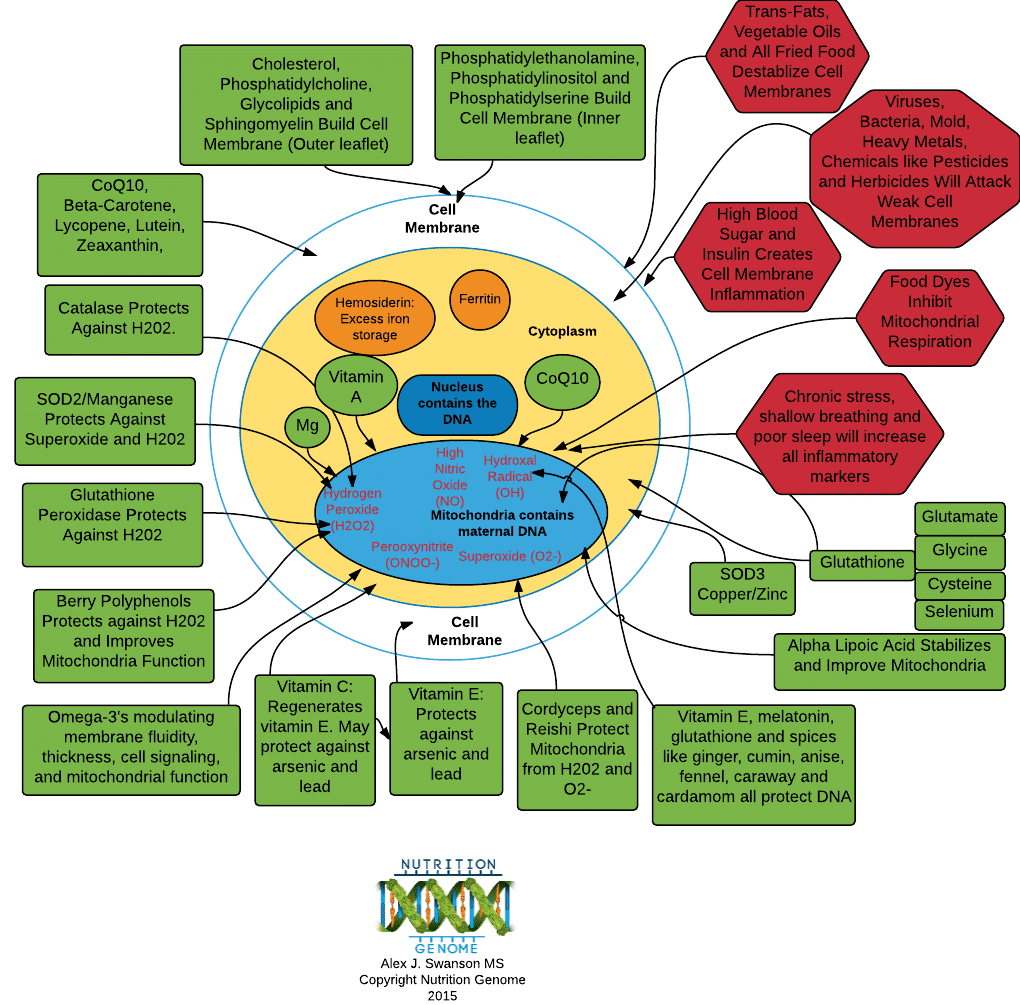
In the following diagram, you can see the process by which chemotherapy generates superoxide and hydrogen peroxide to kill cancer cells. This process happens to healthy cells too. Here is the oxidative stress process, and how antioxidants can support healthy cell protection without disrupting therapy:

Vitamin C

The endogenous enzymatic antioxidant defenses of the body include superoxide dismutase, glutathione peroxidase, and catalase, with nitric oxide playing a major role in balancing oxidative stress and tumor potential. Cancer cells do not contain catalase or superoxide dismutase. The theory why vitamin C is so effective against cancer cells is because it produces hydrogen peroxide on the outside and inside of cancer cells, and without superoxide dismutase or catalase, cancer cells can’t defend against it.

It has been shown that hydrogen peroxide and vitamin C have a high affinity for tumor cells, blocking cancer cell metabolism from three pathways, literally starving it to death. Vitamin C attacks the cell membrane, mitochondria and nuclear DNA of a cancer cell by inducing hydrogen peroxide (page 59 Hyperthermia in Oncology). Radiotherapy attacks the cytoplasm and nucleus DNA by increasing hydrogen peroxide. The author stated that “the combination of the two would eliminate any chance for cancer cell survival.”

Vitamin C is selectively targeting tumor cells by increasing hydrogen peroxide around and inside these cells. That is a pro-oxidant effect, like chemotherapy. Chemotherapy increases superoxide and hydrogen peroxide, elucidating the pathway for killing cancer cell. Protecting normal cells against superoxide and hydrogen peroxide should not affect cancer cells and should improve therapy outcome, improve the quality of life during therapy and reduce reoccurrence of cancer.

Grapeseed Extract

To give another example, let’s look at grapeseed extract. Tannic Acid (from grapes) procyanidins (grape seeds) both have been demonstrated to protect against cardiotoxicity from the chemotherapy drugs doxorubicin and anthracycline due to their antioxidant activity. But here is where it gets interesting.

Unlike chemotherapy, grapeseed targets cancer cells while leaving healthy cells alone. While chemotherapy requires large doses to kill advanced stage colon cancer, the opposite is true of grapeseed extract. According to this study, it requires more than half of the grapeseed extract concentration to halt the growth of cancer cells and kill 50% of the stage IV cells than it did to kill the stage II cells. The researchers hypothesized that the grapeseed extract targets colon cancer by introducing oxidative stress, which is programmed cell death. Grapeseed extract is also an inhibitor of the DHFR gene for folate, the same mechanism of the antifolate cancer drug methotrexate.

Niacin

Chemotherapy often causes damage to cells with long-term and short-term regeneration capacities, leading to acute bone marrow suppression and the long-term development of leukemias. Niacin deficiency is common in cancer patients and causes dramatic genomic instability in bone marrow cells in an in vivo rat model. Niacin deficiency delays all of the processes involved in DNA protection and repair which is crucial for cancer prevention. Improvement of niacin status in rats significantly decreased leukemia incidence and suggests that niacin supplementation of cancer patients may decrease the severity of short and long-term side effects of chemotherapy, and could improve tumor cell death.

Niacin is also used in an overmethylated state to bring down high nitric oxide levels. Since most tumors are in a hypermethylated state and nitric oxide plays a role in tumorigenesis, research should explore niacin’s role in tumor hypermethylation.

Grass-Fed Whey Protein

The amino acids in whey protein boost glutathione levels, the body’s major antioxidant system. Glutathione is a doubled edged sword because cancer cells elevate glutathione in their own cells to survive and become drug resistant. However, whey protein lowers cancer cell glutathione levels, allowing the chemotherapy and radiation to be more effective at destroying cancer cells but not to normal cells. Once again, there is a more intelligent process occurring in the body that is beyond the simplistic view of antioxidants.

It would not stand to reason that “antioxidants” are working against chemotherapy because they are protecting healthy cells from hydrogen peroxide and superoxide through superoxide dismutase and catalase activity, an ability a cancer cell does not have. Furthermore, antioxidants and other compounds are targeting cancer cells by introducing oxidative stress selectively to cancer cells, while protecting healthy cells.

A Visual of the Requirements for a Healthy Cell 

Below you can see everything that is required to keep a cell healthy. Now, notice what catalase, glutathione peroxidase and superoxide dismutase are doing. Protecting the mitochondria against hydrogen peroxide right? A cancer cell often fails to do this.

best supplements during chemotherapy


SOD2, SOD3, GSTM1, GSTP1, GPX1, and catalase are all genes that I test through Nutrition Genome and show people which genes need to be strengthened. For example, if you have variants in SOD causing lower activity, you need to be much more conscious of things that lower SOD activity, like fluoridated water.

Significantly lowered levels of reduced glutathione, glutathione peroxidase, superoxide dismutase, and vitamin C and E have all been observed in cancer patients when compared to control subjects. This puts them at a distinct disadvantage for a successful recovery from therapy and the possibility of secondary cancers. In 1997, Dr. Samuel Epstein stated for the Congressional Record that chemotherapy and radiation can increase the risk of secondary cancers by up to 100 times.

best supplements during chemotherapy
 

Increasing Superoxide Dismutase and Catalase Activity

Increasing superoxide dismutase and catalase activity will help you protect healthy cells from the elevated superoxide and hydrogen peroxide generated by chemotherapy. Superoxide dismutase requires zinc and copper in the right ratios for the cell membrane, while intracellular SOD requires manganese. Cordyceps, reishi, and black cumin seed oil have all been found in studies to protect against and scavenge superoxide. You will also find some of the most impressive anti-cancer research with these three.

Flavonoids, iron (chemotherapy induces anemia), selenium, ginger, cumin, anise, fennel, caraway, and cardamom all assist catalase. Ginger consumption has been reported to decrease lipid peroxidation and normalizes the activities of superoxide dismutase and catalase, as well as GSH and glutathione peroxidase, glutathione reductase, and glutathione-S-transferase. Ginger is also one of the most effective herbs for nausea, common during chemotherapy. All of these have strong antioxidant and anticancer activity.

Fasting and Chemotherapy

From years of research with cancer, I have suspected that one aspect of cancerous growth occurs from overfeeding. This doesn’t necessarily mean obesity, which also increases cancer risk. It means that we do not enter the fasting mode nearly enough to trigger one of the body’s most powerful DNA repair mechanisms that occur when we fast.

Modern studies of fasting how shown tremendous changes that occur after the 13-hour mark, where DNA repair occurs (protecting against cancer). One fascinating study found that fasting protects normal cells, but not cancer cells against high-dose chemotherapy in mice. Fasting prior to chemotherapy often led to more tumor shrinkage than chemo alone, and the combination appeared to eliminate certain kinds of cancer. One study found that women who fasted fewer than 13 hours a night had a 36% higher risk for breast cancer reoccurrence, compared with those who fasted 13 or more hours.

Doing therapy while in the fasting state (aim for 13 hours) and using Gerolsteiner Mineral Water would be the optimal approach if blood sugar issues are not present.

The Best Supplements During Chemotherapy

*Your doctor may or may not approve any of these suggestions, and therefore anything recommended here should be approved by your doctor first. If you only choose one or two items from this list that are not controversial with therapy, it should be the mushrooms.

There is a misconception that medicinal mushrooms interfere with chemotherapy. The exact opposite has been found to be true. As Andrew Weil, MD has stated “They are nontoxic, do not interfere with conventional therapies, and strengthen the body’s defenses.”

Chemotherapy must penetrate the tumor and accumulate within each cell to induce cancer cell death. Medicinal mushrooms have been shown to increase the effects of chemotherapy, usually by increasing the dose of the chemotherapeutic agent that accumulates within a cell. Medicinal mushrooms make chemotherapy work better, reduce the side effects and have a colossal backlog of tumor suppressing and cancer-killing research. The dosage used in research is typically in the 3,00mg to 6,000mg or higher range.

1. Medicinal Mushrooms

Cordyceps

In one study, an orally administered hot-water extract from Cordyceps Sinensis (CS), protected mice from bone marrow and intestinal injuries after total-body irradiation. Even WebMD states, “Cordyceps might improve immunity by stimulating cells and specific chemicals in the immune system. It may also have activity against cancer cells and may shrink tumor size, particularly with lung or skin cancers.”

Cisplatin Chemotherapy Drug: Cordyceps can decrease blood supply to the cancer cell and increase the ability of cisplatin to exert cytotoxic effects. Participants whose combination therapy that included Cordyceps had the longest survival rate.

Reishi

meta-analysis results showed that patients who had been given reishi (G. lucidum) alongside with chemo/radiotherapy were more likely to respond positively (1.27 times more) compared to chemo/radiotherapy alone, and four studies showed that patients in the G. lucidum group had a relatively improved quality of life in comparison to controls. One study recorded minimal side effects, including nausea and insomnia.

Cisplatin Chemotherapy Drug: Extracts from reishi in the form of ganoderic acid A were recently found to increase accumulation of the chemotherapeutic agent cisplatin inside tumor cells.

Turkey Tail (PSK)

Turkey Tail (PSK) has been shown to provide protection against chemotherapy toxicity. Peripheral neuropathy (ie, nerve damage often occurring in the hands and feet) is a common side effect experienced by colon cancer patients receiving the chemotherapy drugs oxaliplatin, leucovorin, and 5-fluorouracil.

Researchers observed grade 2 or grade 3 peripheral neuropathies in only 4% of colon cancer patients receiving chemotherapy drugs with Turkey Tail (PSK) which is in stark contrast to a 38.4% incidence in those receiving the chemotherapy drugs without PSK. Turkey Tail (PSK) may also have a chemopreventive potential to restrict prostate tumorigenic progression from the hormone-dependent to the hormone-refractory state.

Turkey Tail has been found to protect the immune system’s activity from being suppressed by prolonged use of chemotherapy drugs and the drain from cancer itself. One ten year study of 185 patients with lung cancer showed that combining Turkey Tail with radiation therapy produced satisfactory tumor shrinkage and better survival rates for patients with Stage 1 cancer (39 percent) and Stage II cancer (22 percent) compared to patients with Stage 1 cancer (16 percent) and Stage II cancer (5 percent) who did not take PSK(other studies found in Medicinal Mushrooms: A Clinical Guide.

meta-analysis of turkey tail by Eliza et al demonstrated an increased rate of survival for cancer patients who took this mushroom, especially participants with breast, gastric, and colorectal cancers.

Docetaxel Chemotherapy Drug: PSK extracted from turkey tail increases the efficacy of the drug docetaxel in the treatment of human gastric carcinoma.

Trastuzumab Chemotherapy Drug: Trastuzumab is a HER2-targeted therapy. When PSK from turkey tail was given with trastuzumab, cell-mediated cytotoxicity was greatly increased. When PSK and trastuzumab were used alone, they had similar rates of tumor inhibition. Combined, these 2 treatments decreased cell growth in tumors by 96%.

Lion’s Mane

One study demonstrated that Lion’s Mane (Herinaceus) acts as an enhancer to sensitize the chemotherapy drug doxorubicin (Dox) and enhanced intracellular Dox accumulation. The researchers also concluded that induction of natural killer cell activity, activation of macrophages and inhibition of angiogenesis by Lion’s Mane all contribute to the mechanism of reduction of tumor size.

Treatment with a hot water extract of Lion’s Mane decreased lipid peroxidation and increased superoxide dismutase (SOD) and catalase (CAT) activities, quenching free radicals in the gastric tissue of the ethanol-induced rats to exhibit gastroprotective activity.

Maitake

Maitake is thought to exert its effects through its ability to activate various effector cells, such as macrophages, natural killer cells, and T cells, as well as interleukin-1 and superoxide anions.

Research has shown that maitake enhances natural killer cells and prevent cancer progression. One study found that cancer regression or significant symptom improvement was observed in 58.3 percent of liver cancer patients, 68.8 percent of breast cancer patients, and 62.5 percent of lung cancer patients. Furthermore, when maitake was taken in addition to chemotherapy, immune-competent cell activities were enhanced 1.2-1.4 times, compared with chemotherapy alone.

Chaga

Chaga contains a multitude of minerals and is one of the highest sources of superoxide dimutase (SOD) known. In one study, the researchers concluded that Chaga mushroom extracts might represent a valuable source of biologically active compounds with potential for protecting cellular DNA from oxidative damage in human lymphocytes and “affords cellular protection against endogenous DNA damage produced by hydrogen peroxide H2O2.” 

Another study concluded that Chaga extract induced the growth inhibition, G0/G1-phase arrest, and apoptosis in human hepatoma HepG2 cells, proving Chaga to be a potential anticancer agent in the treatment of hepatoma. In other studies, long-term administration of Chaga significantly improved the general condition and objective state of patients with uncurable stage III – IV cancer, irrespective of the tumor location.

2. Gerolsteiner Mineral Water

Minerals such as potassium, calcium, sodium, chloride, magnesium, and phosphorus control the balance of fluids within and surrounding cells which is offset by chemotherapy.

On therapy days, prepare according to instructions and sip while undergoing therapy. If using Gerolsteiner and the carbonation bothers you, let it go flat first. It is usually soothing for people. Since water by itself can be nauseating, be sure to add ice and lemon.

3. Grass-Fed Whey

Grass-fed whey concentrate is higher in CLA, a potent anti-cancer compound. Whey protein contains the amino acid precursors glycine, lysine, and glutamine for glutathione (glutamine is needed for repairing the gut which is crucial during chemotherapy), prevents muscle wasting, and provides immunoglobulins for immune system support. This particular product also contains chia seeds (electrolyte rich), MCT oil, probiotics for gut healing, and no sugar or artificial sweeteners.

Use with frozen berries when you get home post-therapy and drink on non-therapy days.

4. Jarrow-Dophilus High Potentcy EPS

Digestion and malabsorption problems are common in patients undergoing chemotherapy since those agents attack all rapidly dividing cells which include the linings of the gastrointestinal tract. Chemotherapy often leads to constipation, and probiotics help prevent constipation.

You may be told by your doctor to avoid lettuce or anything raw that may have bacteria on it. This is because your gut flora is severely compromised, highlighting the importance of balancing gut flora.

5. CoQ10 with Vitamin E

Helps protect the heart during therapy. CoQ10 protects the mitochondria from free radicals and the heart contains the highest concentration of mitochondria. Low blood levels of CoQ10 have been found in patients with myeloma, lymphoma, and cancers of the breast, lung, prostate, pancreas, colon, kidney and head and neck.

Vitamin E has been shown to protect against cardio-myopathies induced by chemotherapy. Vitamin E has also been used in combination with CoQ10 to reduce the side effects of the chemotherapy drug doxorubicin.

6. Seeking Health Niacin Lozenge

See research earlier in the article.


Other Sources

  1. Hyperthermia in Oncology
  2. http://www.ncbi.nlm.nih.gov/pubmed/19961266 2. Vitamin C
  3. http://www.ncbi.nlm.nih.gov/pubmed/12522125 3. Nitric Oxide
  4. http://www.sciencedirect.com/science/article/pii/S2213231712000067 4. NOS1,2,3:
  5. http://www.diabetesincontrol.com/wp-content/uploads/2015/10/nitric-oxide.pdf?5. Flavonoids:
  6. http://www.sciencedirect.com/science/article/pii/S000527280900190X 6. Oxidized LDL:
  7. http://www.ncbi.nlm.nih.gov/pubmed/8653881 7. Pomegranates: Aviram M, Rosenblat M, Gaitini D, et al. Pomegranate juice consumption for 3 years by patients with carotid artery stenosis reduces common carotid intima-media thickness, blood pressure and LDL oxidation. Clin Nutr. 2004 Jun;23(3):423-33. 8. Mg:
  8. http://www.ncbi.nlm.nih.gov/pubmed/26114348
  9. Vitamin C and OH: http://www.ncbi.nlm.nih.gov/pubmed/26237409
  10.  Black Cumin Seed: http://www.ncbi.nlm.nih.gov/pmc/articles/PMC2583426/
  11. Rosemarinic Acid http://www.ncbi.nlm.nih.gov/pubmed/17420060 

The Ancient Practice of Chewing Sticks to Clean Teeth

The Ancient Practice of Chewing Sticks to Clean Teeth

The Connection to Chewing and Oral Health

While reading the book Breath: The New Science of a Lost Art by James Nestor, I was struck by an extremely perceptive insight regarding chewing, jaw development, and oral health. During a section referencing Weston Price’s research in Nutritional and Physical Degeneration, he noted the profound negative changes of jaw and teeth development in one generation when indigenous people changed to a western diet from their ancestral diet. However, the focus of that research was always nutritional in nature, with the focus on fat-soluble vitamins and the x-factor known later as vitamin K2.

What Nestor points out is that yes, nutrition was a contributing factor to the degeneration. Not only did it cause nutritional deficiencies, but it also altered the oral bacteria, leading to flora imbalances and subsequent cavity development, and poor oral health has been linked to a higher rate of heart attacks and strokes. Perhaps what was overlooked is that the western diet, full of processed food that included white bread, canned fruit, and sugar, was also extremely soft, and no longer challenged the muscles of the jaw. 

This gave me a flashback of an oral surgeon I knew who also traveled around the world and inspected the teeth of indigenous people. Like Weston Price, he found perfectly straight teeth and little to no cavities. What stood out to me was his comment regarding the constant chewing of sugar cane on one of his trips, yet he didn’t see any dental issues. He said that “all of that sugar should have led to cavities.”

Bone Loss and a Youthful Face: A Lack of Chewing?

As our face ages, the result of sagging skin, hollow eyes, and sallow cheeks is a result of bone loss. Besides obesity, it is also a reason for sleep apnea and snoring getting worse with age. However, the doctors and scientists interviewed in Breath challenge the idea that this can’t be stopped with case studies showing patient’s mouths and faces growing younger as they got older with intervention to stimulate bone growth. 

Similar to how weight-bearing exercise helps build bone density, chewing helps release stem cells, bone density, and therefore a younger-looking face and better ability to breath. Something to consider in an age of smoothies, juices, and soups with soft cuts of meat.

The History of Chewing Sticks to Clean Teeth

When we think of chewing sticks, the first image is probably a dog. Bones and chewing sticks are for dogs, right? When I started trying chewing sticks after meals, my family started pretending to mix my name up with our dogs.

What did we do before toothbrushes? How did we keep our teeth and mouth clean? Does it seem that it was an impossible feat without complex bristles and bright colored handles? Well, before we started manufacturing toothbrushes, chewing sticks of plants were prehistorically used by the early Arabs, Babylonian, Greek, and Roman societies for cleaning teeth.

When you start looking at the analysis of plant sticks, you will actually recognize similarities and perhaps superiority over a toothbrush and toothpaste.

Chemical examinations have revealed ascorbic acid, tri-methylamine, chloride, fluoride, silica, resins, salvadorine, volatile oils, tannic acid, sulphur and sterols in chewing sticks. These compounds heal inflamed and bleeding gums, produce stimulatory effect on gingiva, remove tartar and stains from the teeth, re-mineralize dental hard tissue, whitens teeth, provide enamel barrier, increase salivary flow, and possess anti-septic, astringent and bactericidal properties. All these help reduces plaque formation, provides anti-carious effects, eliminates bad odor, improves the sense of taste, and cure many systemic diseases.

Chewing Sticks vs. Toothbrushes

I’m not saying anyone should stop using their toothbrush, but I think it is interesting to research nonetheless. I think that chewing sticks are a great addition to get assistance beyond the toothbrush for those who need more help with their teeth, jaw, and gums.

In a study of fifty subjects comparing chewing sticks and toothbrushes, chewing sticks parallel and at times showed greater mechanical and chemical cleansing of oral tissues as compared to a toothbrush. The anti-plaque efficacy of chewing sticks was significantly demonstrated in this study. This “indicates that it may effectively and exclusively replace the toothbrush.”

In other research, the antimicrobial actions of the chewing sticks, the risk of dental caries was 9.35 times more in subjects using a toothbrush than those using chewing sticks. Other findings also found a lower occurrence of dental caries due to fewer plaque deposits has been observed in populations using the Neem and Arak miswak sticks.

The Best Chewing Sticks to Clean Teeth and Bonus Oral Care Tips

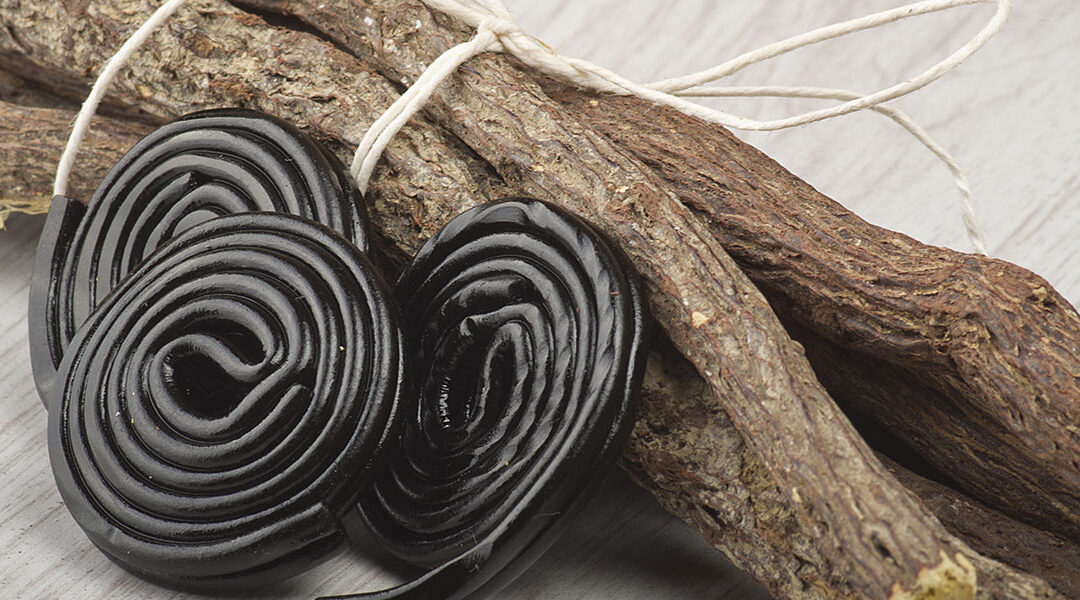
While I haven’t been able to find Neem and miswak sticks in the US, I could find licorice sticks. Licorice root promotes anti-cavity action, reduces plaque, and has an antibacterial effect. I’ve also included some other additions that I have adopted in my own routine.

1. African Licorice Sticks

Licorice root promotes anti-cavity action, reduces plaque, and has an antibacterial effect. I found these to be surprisingly sweet since it looks like you just picked up a stick off the ground and started chewing on it. I break each one in half and chew on it for about 15 minutes after breakfast and dinner.

2. Greek Chios Mastic Gum

If a chewing stick seems a little too eccentric for you, finding gum that challenges your jaw is an alternative. Mastic gum will give your jaw the workout it needs to get results. I’ve tried Falim gum, but I wasn’t pleased with the ingredient list. So far, this is the best one I’ve been able to find.

3. Himalaya Organic Amla

After finding out I had gum recession, likely from braces earlier in life, I wanted to be proactive to keep my gums as healthy as possible. What I found was that vitamin C, amla, bilberry, and hawthorn appear to be some of the best researched for gum health.

In Ayurveda, amla is considered a general rebuilder of oral health. Amla works well as a mouth rinse as a decoction or one to two grams per day can be taken orally in capsules for long-term benefit to the teeth and gums. Amla supports the healing and development of connective tissue when taken internally, but also benefits the gums. The healing effect of amla appears to take longer to become apparent since they must saturate the whole body in order to work on the gums, but is thought to have a more lasting effect.

Upon further research, amla has even more incredible benefits as a bonus. A clinical study found that 500mg twice showed a reduction of total cholesterol, LDL, and triglycerides, and an increase in HDL. What was impressive (and rare) was that the results were similar to a statin drug.

4. Bilberry Extract

This is one I already started using to help protect my eyes from excessive screen time. Something I think we could all use now. The fact that it also helped gum tissue was a bonus.

Researchers found that bilberry fruit and hawthorn berry stabilize collagen, strengthening the gum tissue. I didn’t feel that bilberry and hawthorn were necessary, so I just picked bilberry.

5. Orawellness Shine Teeth Whitening Powder

I tried the entire Orawellness package. Out of all the products, this is the one I decided to continually use. It is hard to find teeth whitening products that are natural, actually work, and strengthen your teeth at the same time.

The ingredients include Microcrystalline Hydroxyapatite* (powdered bone from grass-fed New Zealand cattle), Sodium Bicarbonate, Xylitol (sourced from birch), White Kaolin Clay, Calcium Lactate (non-dairy), Magnesium Carbonate, Peppermint, Spearmint, Himalayan Salt, and Menthol.