How to Reduce Your Industrial Fluoride Intake

How to Reduce Your Industrial Fluoride Intake
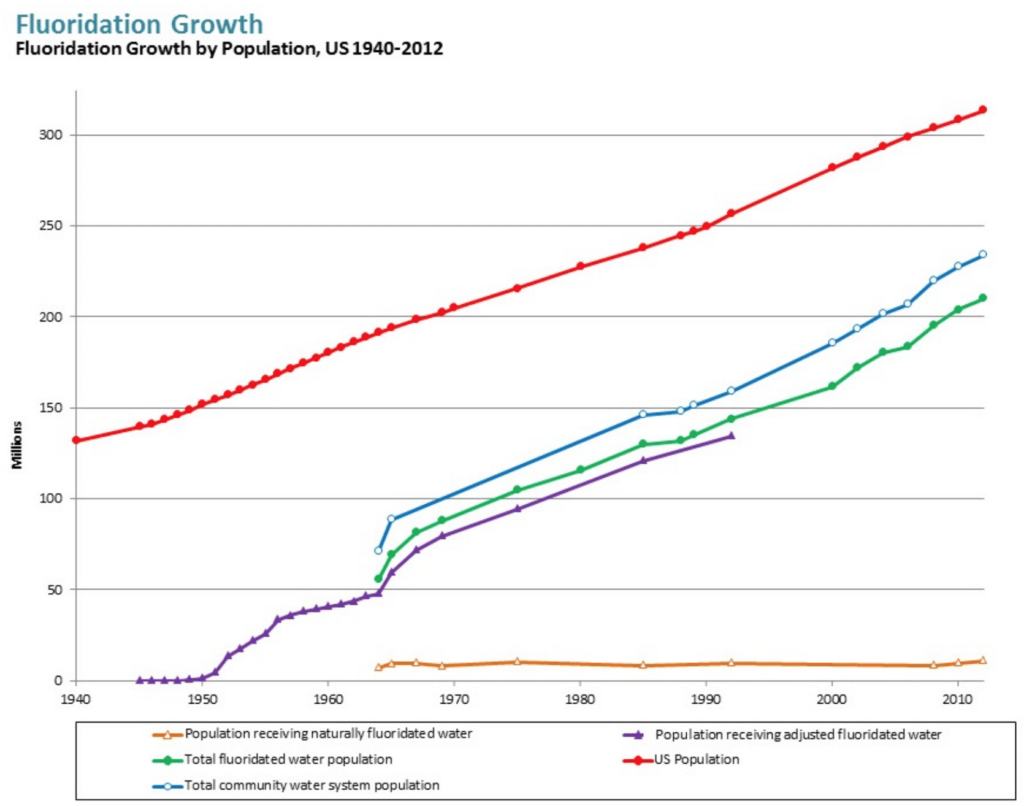
Fluoridation growth

Source from the CDC: http://www.cdc.gov/fluoridation/factsheets/engineering/wfadditives.htm


“Fluoride has a protective effect against caries, but this is a local effect. If you drink it, you are running the risk of all kinds of toxic actions.” 

Dr. Arvid Carlsson, Swedish Neuropharmacologist and Nobel Prize winner 

In western Europe, approximately 3% drink artificially fluoridated water. In the United States, 75% drink artificially fluoridated water. If you have followed any statistics regarding the quality of our food and drink supply vs. most of Europe, you will see that Europeans are the ones to follow.

While Europe has largely rejected fluoridating their water supply, the US has decided to attempt to fluoridate all of it with a national goal for 80% of Americans to have water with enough fluoride “to prevent tooth decay” by 2020. Take a look at the top states with the highest water fluoridation.

Top 10 States with the Highest Percentage of Fluoridation

  1. Kentucky 99.9%
  2. Minnesota 98.8%
  3. Illinois 98.5%
  4. Maryland 97.2%
  5. North Dakota 97.7%
  6. Georgia 96.3%
  7. Virgina 96%
  8. Indiana 94.8%
  9. South Carolina 93.8%
  10. South Dakota 93.6%

Where is all the Fluoride Coming From?

Naturally occurring fluoride is found as calcium fluoride, magnesium fluoride or sodium fluoride in small amounts as a result of the geological composition of soils and bedrock.

What you are mainly finding in your water supply is called fluorosilicic acid. Fluorosilicic acid is the most commonly used additive for water fluoridation in the United States and it is a by-product of phosphate fertilizer. That’s right, the main type of fluoride being added to your water is a liquid by-product of fertilizer that needed somewhere to go, like your drinking water.

The CDC will argue that these fluoride additives are no different than naturally occurring fluoride, and add two studies that demonstrate that the same fluoride ion is present in naturally occurring fluoride or in fluoride drinking water additives and that no intermediates or other products were observed at pH levels as low as 3.5. The argument isn’t about the fluorosilicic acid vs. naturally occurring fluoride. It is fluoride ion ingestion itself. 

People probably won’t take the time to read referenced CDC studies, so I thought I would. The first study used a whopping 10 adults for a 6-hour blood test in a single-blind, crossover study. That should be enough to make a conclusion about the long term health of an entire country right?

The second study does not look at any population and challenges a previous study that did find fluorosilicate intermediates were present in appreciable concentrations in drinking water.

Here’s the thing; fluoride ingestion has toxic effects on the body based on the dosage which will range person to person, and there are many studies verifying the damage. The safety and effectiveness of fluoridated water have not been demonstrated by randomized controlled trials.

Why the Fluoride Ion is a Problem

Magnesium Deficiency, DNA Damage, and Infertility

Let’s focus on the idea that the natural fluoride ion is no different than the fluoride ion in artificial fluoride, and that more information is needed about the intermediates. The issue to me is that it is the dosage of the fluoride ion ingestion is problematic, regardless of what it is attached to. The fluoride ion is an accumulated ion.

The fluoride ion interferes with the biological activity of the magnesium ion by reducing intestinal magnesium resorption. This fact alone illuminates the concern of a water supply low in magnesium and high in fluoride in a population that is up to 80% magnesium deficient. The enormous amount of literature showing the repercussions of magnesium deficiency highlights the importance of this point.

Fluoride ions also damage DNA, inhibit testosterone at 3.00mg/L, had adverse effects on animal reproductive function in a second study, and induced testicular inflammation in a third study.

Hypothyroidism, Cancer and Low IQ

Have you been wondering why so many people have hypothyroidism in this country? Fluoride competes with iodine, having major implications for the thyroid gland. Fluoride easily displaces iodine in the body because it is much lighter and therefore more reactive.

Studies have found that fluoride interferes with the thyroid gland function, and when you increase the number of fluoride ions in the body, eventually the thyroid becomes deficient in iodine. Every week I see multiple people with a new diagnosis of hypothyroidism. Iodine is also important for the health of the breasts, uterus, ovaries, prostate, and testicles.

It wouldn’t be a far leap to look at the carcinogenic role of fluoride in hormone-based cancers based on the displacement of iodine and DNA damage. In fact, Dr. Dean Burk, the head of the cytochemistry laboratory at the Cancer Institute until 1974 and co-discoverer of biotin stated that from his research that the link of fluoride to cancer “is one of the most conclusive scientific and biologic evidence that I have come across in my 50 years in the field cancer research.”

Fluoride can cause degenerative changes in the central nervous system, low IQ, impairment of brain function and abnormal development in children. The low IQ study showed drinking water with fluoride levels greater than 1.0 mg/L may adversely affect the development of children’s intelligence.

After reviewing 27 of the human IQ studies, a team of Harvard scientists concluded that fluoride’s effect on the young brain should now be a “high research priority.”

Where Else Will You Find Fluoride?

Fluoride is found in toothpaste, pesticides and a large percentage of prescription drugs.

Sodium aluminum fluoride is a pesticide used in chemical agriculture (especially wine grapes) that is especially sticky and likely to stay on your food. I recommend choosing organic wines only in the US or wines from Italy and Argentina explained here. Elena Walch is a good example of an excellent clean, reasonably priced Italian wine.

According to Suzy Cohen, author of Drug Muggers, medications that have fluoride include:

  • Atorvastatin (Lipitor), fluvastatin (Lescol)
  • Fluoroquinolone antibiotics such as ciprofloxacin (Cipro) and levofloxacin (Levaquin)
  • Fluoxetine (Prozac), Paroxetine (Paxil), Citalopram (Celexa) and Escitalopram (Lexapro).
  • Antifungal fluconazole (Diflucan)
  • Steroids like dexamethasone (Decadron), fluticasone (Flonase) and flunisolide (Nasarel and Nasalide)
  • Fluvoxamine (Luvox)
  • Versed

Millions of people use some of these medications.

But Fluoride is Good for Your Teeth!

The reason we are told that fluoride is added to our water supply is to prevent cavities, but any benefit of fluoride for your teeth is not dependent on your ingestion of it. Even the CDC states that the benefits are from topical application, not ingestion. You could argue that the amount being ingested is doing the opposite for your teeth. Too much can cause dental fluorosis; mottled tooth enamel and tooth discoloration from the ingestion of excessive fluoride.

Bone fractures and skeletal fluorosis also can occur, a condition characterized by pain and tenderness of the major joints. When was the last time you heard of painful joints being diagnosed as skeletal fluorosis? In studies done by Dr. Michael Whyte, heavy tea drinkers developed skeletal fluorosis and had been misdiagnosed for years as suffering from arthritis and/or fibromyalgia.

Fluoridation is actually not required by the EPA, which is prohibited by the Safe Drinking Water Act from requiring the addition of any substance to drinking water for preventive health care purposes. Well, that’s interesting. Water fluoridation is locally and nationally promoted for this very reason. Maybe a more ethical approach would be to honor the Safe Drinking Water Act and take a potentially toxic halogen out of the drinking water and keep its use to dentistry.

Finally, if you have read Nutritional and Physical Degeneration by the dentist Weston Price, you will see that indigenous cultures around the world had perfect teeth due to their diet and most likely their microbiome, not from a higher intake of fluoride. You can see the dental downfall from pictures in each following generation that switches to westernized food.

What is the Upper Safety Limit of Fluoride?

According to the EPA, the fluoride guidelines are a maximum of 4.0 mg per liter (mg/L). From 1992, you can see a fluoridation chart that shows numerous cities throughout the US above 4.0mg/L and even above 6.0mg/L. Before 2015, the recommended range was from 0.7 – 1.2mg/L that has now been reduced further 0.7mg.L due to instances of high fluoride ingestion.

Staying below an upper limit of 0.08 mg/kg/day is the amount the EPA has claimed prevents against pitting of the tooth enamel and concluded that this value is valid for preventing fractures and skeletal effects in adults. The World Health Organization (WHO) guideline is that 1.5 mg/L of fluoride is the desirable upper limit in drinking water. Fluoride levels above 1.5 mg/L may lead to dental fluorosis while levels above 3–6 mg/L during the lifetime may lead to skeletal fluorosis.

The EPA also has a non-enforceable secondary standard for fluoride of 2.0 mg/L, which is recommended to protect children against the tooth discoloration and/or pitting that can be caused by excess fluoride exposures during the formative period prior to the eruption of the teeth. However, the water systems are not required to comply with secondary standards. The EPA also states that “data indicate that fluoride exposure levels among the population have increased in the last 40 to 50 years resulting in an increase in some effects on teeth. Based on the data presented in this report, it is likely that some children are exposed to too much fluoride.” They really tried to downplay that statement.

Do you see the problem? The safety range does not address the dose tolerance per individual. Babies, children and certain adults with higher sensitivities to fluoride ingestion like the 20 million people with some variation of thyroid disease will range considerably.

How Much Fluoride Are We Ingesting?

The amount of fluoride you will find naturally in whole foods are low, below .1mg/L. Higher amounts are found in processed foods, sports drinks, beers (this ranges based on the company’s water source), soda and tea. Black tea contains 3-4mg/L and commercial tea drinks contain 1-4mg/L. The quality and age (white tea is best) help negate the fluoride levels due to the antioxidants. Or choose unsmoked Yerba Mate[/easyazon_link], which has low levels of fluoride.

If you are drinking fluoridated water in the US, you may be ingesting anywhere from 0.7mg/L to 1.2mg/L or even close to 4.0mg/L. Find out how much your city has here.

If your water supply is fluoridated, you use fluoridated toothpaste, eat foods or drink wine with fluoridated pesticides, drink tea and you take one or more of the mentioned prescription drugs, do you think fluoride intake could become excessive? Add in the biochemical and genetic differences of each person and current health state, and that upper limit of fluoride tolerance drops down dramatically.

How to Reduce Your Fluoride Intake

If you are interested in taking out the fluoride in your drinking water, a reverse osmosis is the only filtration system that removes fluoride with the exception of Berkey. Forget Brita or any other portable filter; those only remove chloride and other contaminants.

A reverse osmosis system for your house or apartment or Berkey with fluoride filters is the only solution I am aware of. Or purchase reverse osmosis water at your local grocery store by filling up 3-gallon or 5-gallon glass or BPA-free plastic bottles for about 25-50 cents per gallon.

Here are three systems that I have researched:

1. Countertop Reverse Osmosis Water Filter

This is very convenient because it just attaches to your faucet on the counter, and you can easily move it anywhere. You can even take it with you when you travel. Make sure that it fits your faucet, because it won’t work with spray faucets.

This uses a 4 stage system:

1st Stage: Premium Quick-Connect 5 micron sediment filter -removes dust, particles, and rust. Protects and extends the life of the membrane and system US Made.
2nd Stage: Premium Quick-Connect coconut shell activated carbon filter -gets rid of unpleasant chlorine, odors, cloudiness, & colors. This also removes VOCs and other common chemicals from the water.
3rd Stage: Select FILMTEC (Dow Chemical) High Rejection TFC reverse osmosis membrane. Removes up to 99% of total dissolved solids (TDS) and contaminants such as arsenic, lead, fluoride, chromium, radium, bacteria, viruses and much more.
4th Stage: Premium Quick-Connect coconut shell activated carbon filter -removes any possible residual tastes.

2. Big Berkey Drinking Water Filtration System

This is a free standing gravity-fed water filter. Since I have a spray faucet in my kitchen and I can’t alter the plumbing below due to being in an apartment, this was my best option. It removes up to 95% of fluoride and 99.9% of the following: viruses, chlorine, lead, THM’s, VOC’s, lindane, atrazine, benzene, TCE, pre-oxidized arsenic III and V, MTBE and other heavy metal ions.

After speaking with the company, I found out that they can’t ship directly to California or Iowa. But if you purchase it through Amazon you can get it shipped. If you want the warranty on it, make sure to purchase it through the Berkey seller on Amazon and call them afterward with your order number. The lifetime warranty covers the stainless steel housing, washers, wing nuts, the spigot if it leaks, the black filters the first 6 months then discounted up to 2 years, the fluoride filters for six months that should also be changed every 8-12 months depending on how much you use and the contamination of your water.

Since I have had issues with leaking plastic spigots with my past water systems, I opted to also get the stainless steel spigot.

3. APEC Water Systems ROES-PH75 Top Tier pH Alkaline Calcium Mineral Reverse Osmosis Drinking Water System

This is the system I recommend for under the sink. This is a full conversion that also adds calcium to the water, creating a delicious taste and more alkaline pH. It goes through a 6 stage system of filtering:

1st stage: high-capacity polypropylene sediment filter -removes dust, particles, and rust. Protects and extends the life of the membrane and system

2rd & 3rd Stage: Carbon Block – gets rid of unpleasant chlorine, tastes, odors, cloudiness and colors. It also removes VOCs and other common chemicals from the water

4th Stage: High Rejection TFC RO membrane. Removes up to 99% of total dissolved solids (TDS) and contaminants such as arsenic, lead, fluoride, chromium, radium, bacteria, viruses and much more

5th Stage: Coconut Shell Carbon – TCR filter removes any possible residual taste from the tank

6th Stage: Calcite Acidic Water Neutralizer 10″ – adds calcium carbonate to increase water alkalinity

5. How to Protect Against Toxicity

Oxidative stress is believed to be a key mechanism by which fluoride damages cells in the body. Nutrient deficiencies in calcium, vitamin C, iodine, magnesium and vitamin D increase fluoride toxicity.

Tamarind has been found to increase fluoride excretion and selenium appears to help detoxify. One study found that “the antioxidative nature of selenium coupled with its reversal effect on metabolic enzymes in the brain of mice treated with fluoride suggests its use as antidote agent against fluorosis.”

How to Interpret Your Cardiovascular Blood Work in 5 Easy Steps

How to Interpret Your Cardiovascular Blood Work in 5 Easy Steps

According to the latest 2015 statistics, cardiovascular disease is the leading global cause of death and claims more lives than all cancers combined. Approximately 80 percent of those deaths take place in low and middle-income countries. In the United States, 1 in 3 deaths occurs from heart disease, stroke or other cardiovascular-related diseases. Therefore, getting consistent cardiovascular blood work done and knowing how to interpret it is key for prevention.
 

The American Heart Association will have you believe that the biggest dietary concern is “reducing sodium and increasing whole grains.” If you have followed any nutrition research over the years, you will see that there is much more to the dietary picture than that. And if you are privy to how the lobbying industry works, you will know why sugar and vegetable oils are not called out. Ever since I gave a lecture on the dietary connection to heart disease and posted it online, I have attempted to simplify the dietary information to reach more people.

I think one of the best ways to help reduce the risk of cardiovascular disease is to know what to focus on with your blood work. If you have cardiovascular disease in your family, I highly recommend doing a Nutrition Genome Report so that you have genetic information and blood work for the most accurate program.

How to Read Your Cardiovascular Bloodwork in 5 Easy Steps

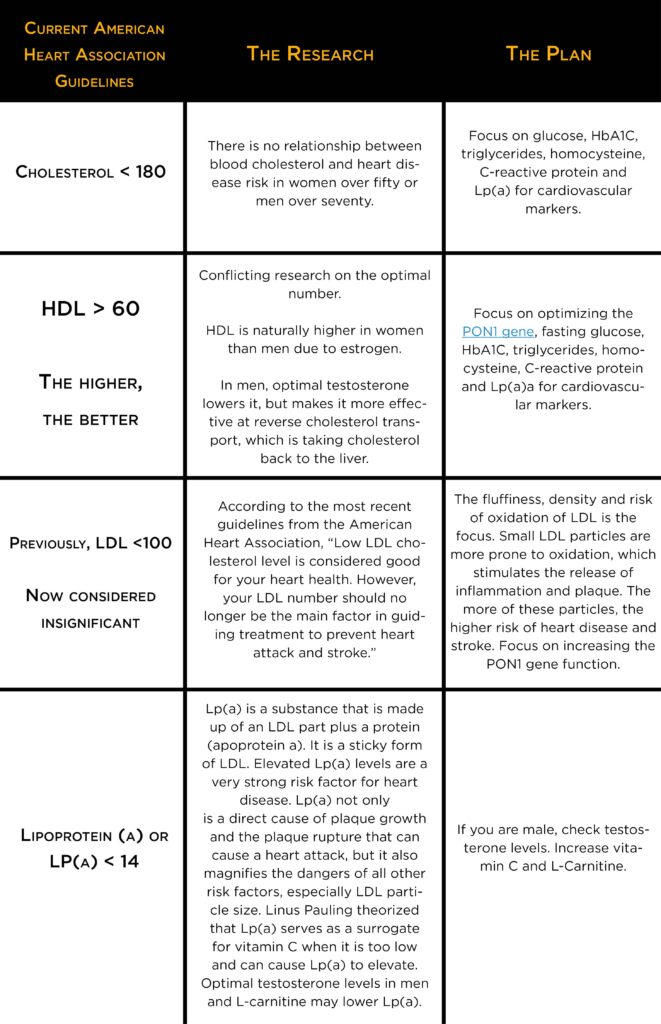
I have put together multiple quick reference tables for you to organize and decipher your blood work for cardiovascular health. As you will see, I have outlined what the American Heart Associated has outlined and is used in most doctors offices. To the right, you will see what the actual research has found and what to do about it.

If you do not see any of these on your routine blood work, request them. Homocysteine is a common one that isn’t tested. Whether you are male or female, in your 30’s, 60’s or 90’s, it is relevant for everyone.

1. Cholesterol

HDL is often called the “good cholesterol” and transports cholesterol to the liver and other organs. In women, estrogen raises HDL and goes down as estrogen does. In men, optimal testosterone lowers it but makes it more effective at reverse cholesterol transport, which is taking cholesterol back to the liver. While HDL alone may not directly tell you your risk, one study found that the risk of heart attack went up 16 times for those with the highest triglycerides and lowest HDL.

For patients taking statins, the guidelines say they no longer need to get LDL cholesterol levels down to a specific target number. This is a strange claim because cholesterol-lowering is mainly targeting LDL since doctors try to increase HDL. An issue of the American Heart Journal found that 50% of patients hospitalized for a heart attack had LDL levels less than 100 mg/dl. Now if your triglycerides are in the normal range, you are not targeting the LDL number and trying to raise HDL, what does this tell you about the alleged importance of lowering total cholesterol?

Now, what if cholesterol is very high, say in the mid 300’s or more? Look at your thyroid panel. The thyroid hormone is the central conductor of the LDL receptor, and the LDL receptor is the central conductor of the clearance of LDL cholesterol from the blood. Hypothyroidism could be the cause. The thyroid gland requires magnesium, vitamin C, zinc, iodine, selenium, and B2.

Make sure your thyroid is in order and have a glass of organic wine (or wine from Italy or Argentina) with your healthy dinner to increase HDL and protect LDL from oxidizing, which is the real concern with LDL. Alcohol in small amounts – 5 oz. of wine daily for example – makes the gene PON1 work 395% better to protect against LDL oxidation, but over that amount leads to a 45% decrease in function. Learn more about optimizing PON1 here.


cardiovascular-blood-work-table-1

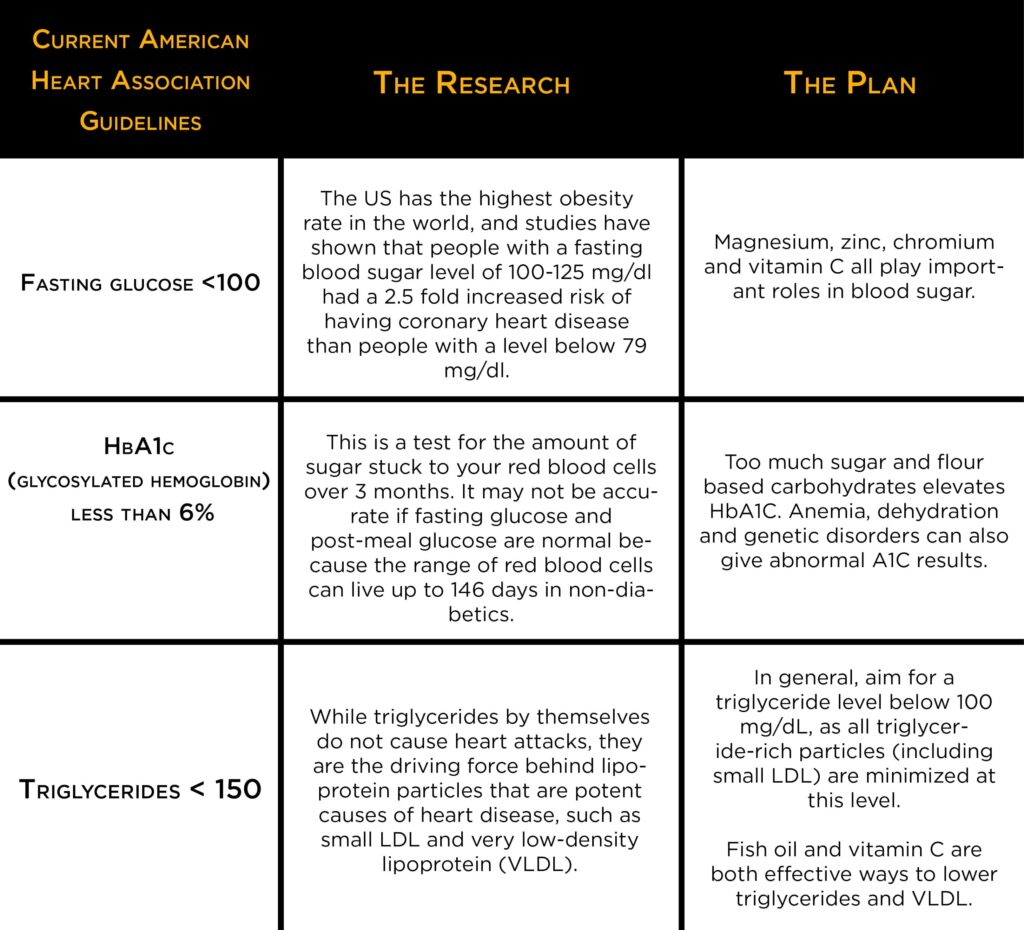
2. Blood Sugar

Fasting Glucose and A1C: When blood glucose levels are high, glucose molecules attach to the hemoglobin in red blood cells. Normal levels of glucose produce a normal amount of glycated hemoglobin. Too much causes stiffening of the collagen in the blood vessel walls, leading to high blood pressure, especially in diabetes. High levels also cause weakening of the collagen in the blood vessel walls, leading to strokes. A deficiency of B12 and iron may also lead to higher HbA1C levels, as well as the chronic use of NSAID’s (Aspirin, Advil). Other medications should also be explored if high levels are unexplained.

Triglycerides: Triglycerides can easily be kept in range with a good diet low in sugar and flour-based foods while supplementing with vitamin C and fish oil.

See my vitamin C recommendations here.

Cardio Bloowork 2


3. Inflammation

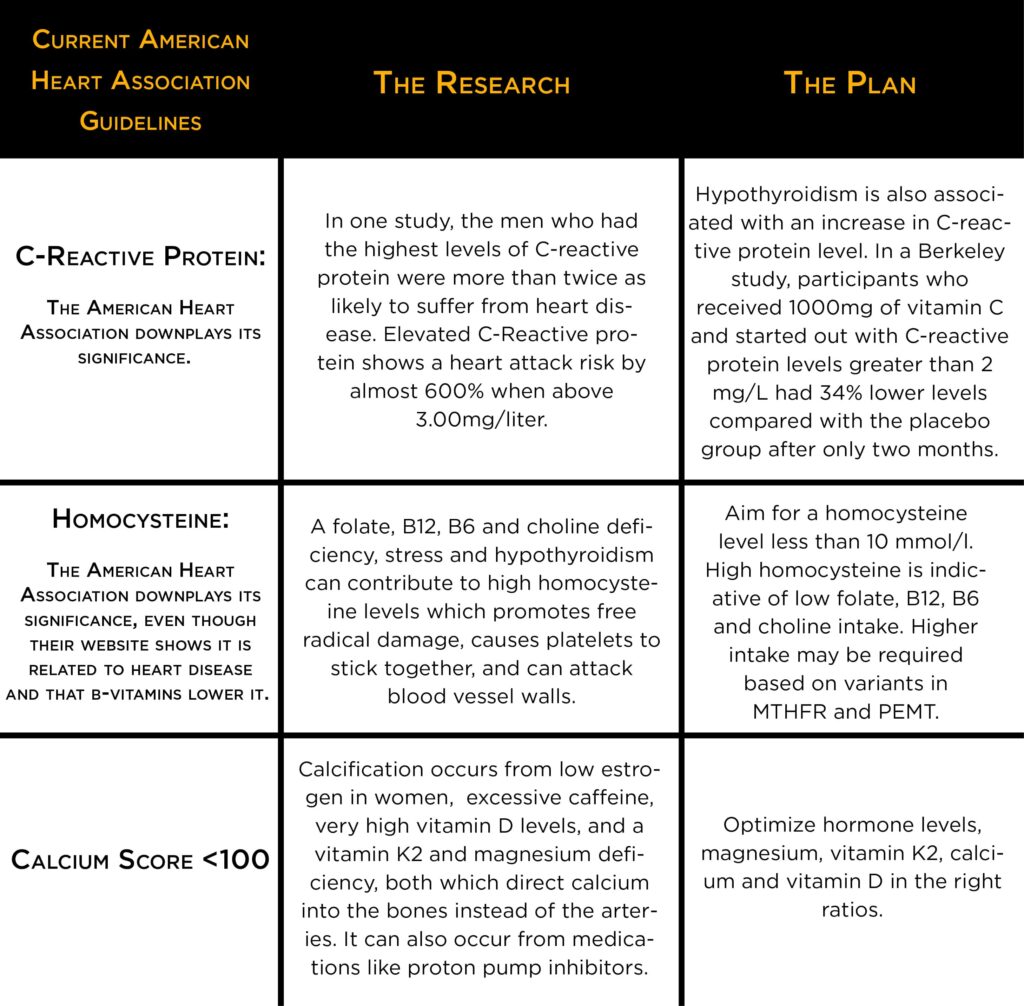
C-Reactive Protein: A measure of inflammation and a strong indicator of blood vessel damage. Hypothyroidism, low testosterone and high in estrogen in men, sugar, refined vegetable oils, high-glycemic carbohydrates, low vitamin C, excessive exercise and stress increase C-reactive protein. One study reported that three weeks of beer consumption significantly reduced the level of plasma c-reactive protein (CRP), but was attributed to the alcohol.

Homocysteine: A folate, B12, B6 and choline deficiency, stress and hypothyroidism can contribute to high homocysteine levels and free radical damage, causes platelets to stick together and can attack the walls of the blood vessels.

Researchers found that the normal higher limit of homocysteinemia levels should be reduced, as the values found in this over 14 µmol/l, were associated with a risk of 2.03 for coronary disease. Another study found that approximately 30% of a group with coronary heart disease had homocysteine levels above 15 mmol/l.

High homocysteine is indicative of a b-vitamin deficiency of folate, B6, and B12, and may be connected to the MTHFR, CBS and PEMT gene variants that require higher doses of folate, B6, B12, and choline.

See my B-vitamin recommendations here.

Cardio Bloodwork 3


4. Blood Pressure, Thyroid and Iron Levels

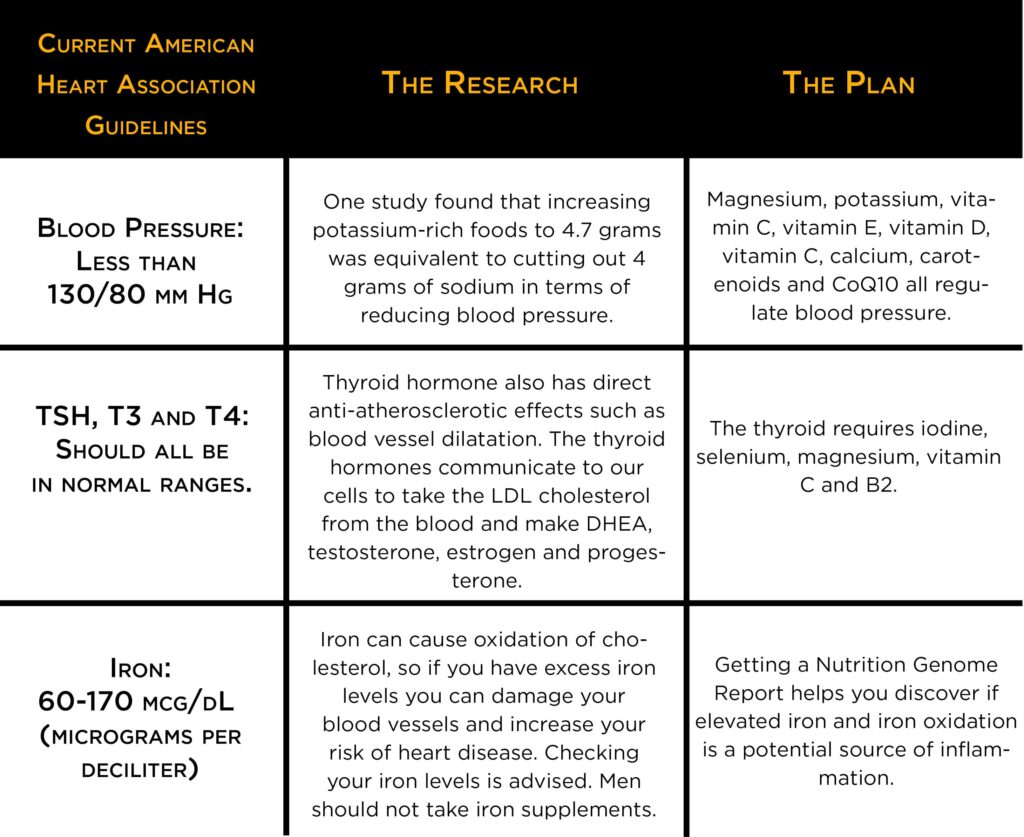
Blood pressure goes up with too much sugar in the diet, excess weight, stress, low testosterone, low magnesium, potassium, vitamin C, vitamin D, vitamin E, carotenoids, and CoQ10. See how to get enough magnesium, potassium, vitamin E and other nutrients in your diet here. Check your vitamin D levels on your blood work and check your testosterone.

Men whose testosterone levels were slightly above average were 45% less likely to have high blood pressure, 72% less likely to have experienced a heart attack and 75% less likely to be obese than men whose levels were slightly below average. The optimal level appears to in the 550-900 ng/dl range to reduce risk according to the American College of Cardiology. See how to raise your testosterone levels naturally here.

The thyroid gland requires selenium, iodine, vitamin C, zinc, magnesium, and B2 (riboflavin). See how to get these nutrients here.


BloodPressureTable

 5. Check Your Medications!

You would be surprised to see how often it is the medications that are causing health issues in the first place. After all, prescription drugs are the 4th leading cause of death, tied with strokes.

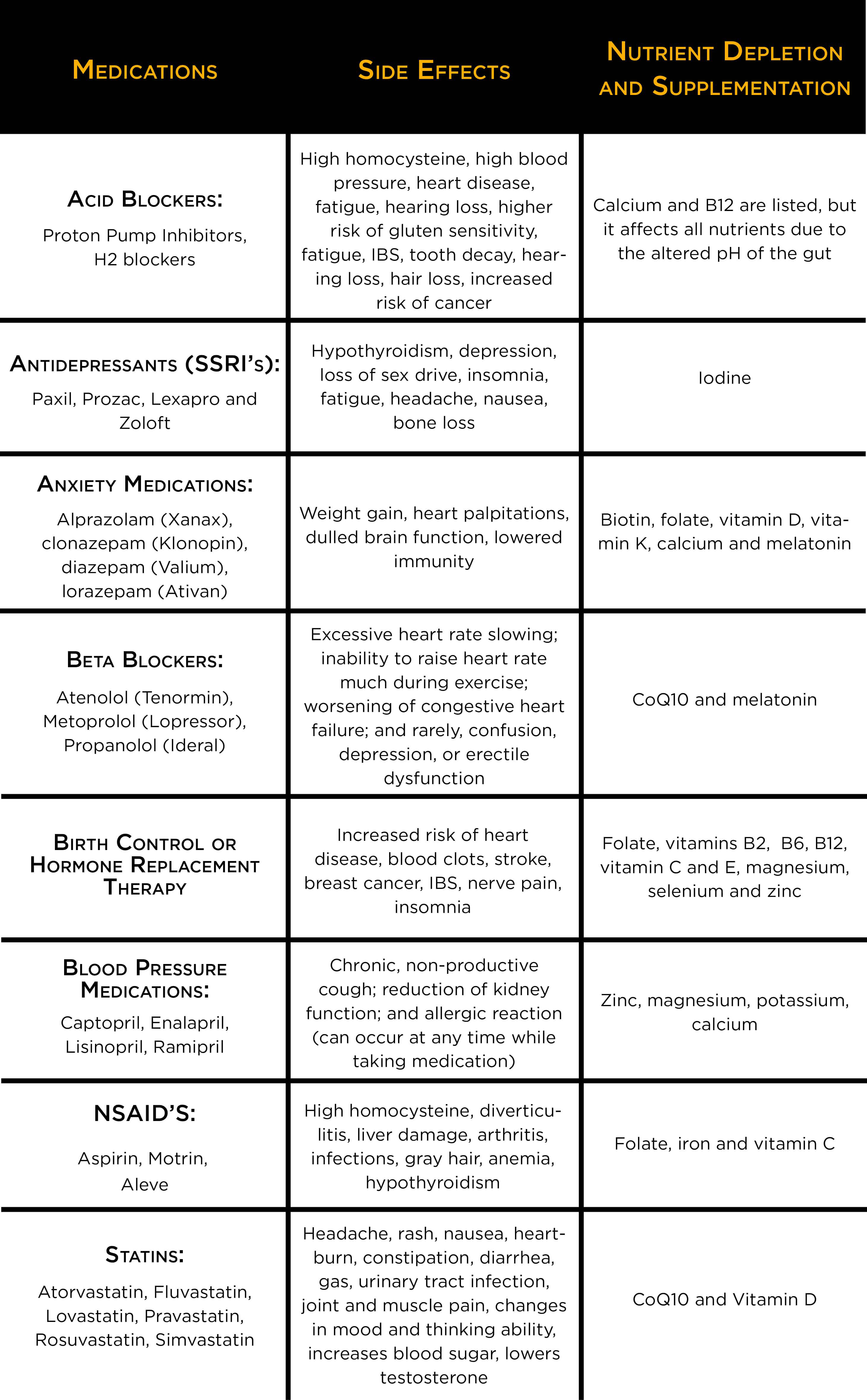
You may not be told of the side effects or nutrient depletions caused by your medications and it is up to you to do your homework. Here is a chart for your convenience of commonly used medications.

How to interpret your cardiovascular blood work


Other Sources for Studies

  1. Supplement Your Prescription by Hyla Cass MD
  2. Drug Muggers: Which Medications Are Robbing Your Body of Essential Nutrients – and Natural Ways to Restore Them
The Best Genetic Testing for Athletes

The Best Genetic Testing for Athletes

We are entering an age of science where we are starting to do some pretty incredible things in the health field. Genetics is a field where a scientific renaissance is taking place. We are starting to be able to fine-tune our diet like never before with genetic data through the study of nutrigenomics, or how diet influences our genome. The best genetic testing for athletes is one that looks at every biochemical level of efficiency and performance.

Nutrigenomic Testing and Why Most Diets Fail

Have you ever wondered why one diet works for one, but not for another? Or why population studies on certain diets are continually conflicting? It is because we are all individually unique in our requirements and sensitivities. The most accurate way to understand this is through genetics.

As some of you know, I created a genetic software analysis program called Nutrition Genome. With this information, you can see where certain vitamins, compounds, and minerals may be higher, which chemicals you are most sensitive to and therefore should make a larger effort to avoid (like pesticides, polycystic aromatic hydrocarbons in grains and vegetable oils or benzene), and what foods you want to focus on. Finding these things out helps your body run at its highest genetic and biochemical level for power, strength, endurance, and efficiency.

Your diet should reflect a combination of your ancestor’s predominant migration routes as illustrated in your genetic analysis, the current environment you live in, and the type of performance you are trying to achieve.

How Genetic Testing Can Improve Your Athletic Performance

I was listening to a podcast on sports nutrition and genetics while doing a long drive this past week. They were talking about how certain protocols work wonderfully for certain athletes, while others are non-responders and wished they knew why.

We are starting to find out that the reason can be explained by many of these SNPs, which encode for enzymes that have vitamin and mineral requirements. Certain variants in these SNPs may increase the need for folate or magnesium to normalize enzymatic speed, and therefore optimal physiological function.

When we review studies, we need to pay as much attention to those that had zero effect as much as those that had an overwhelmingly positive response. If we can understand why then we can adjust their protocol. For example, genetic testing can reveal the following:

  • Do you have a naturally lower VO2 max and need additional nutritional support to increase it?
  • Are you more prone to muscle and ligament tears, requiring higher precursors to collagen production?
  • Are you more sensitive to pesticides, and therefore more prone to microbiome and testosterone or estrogen disruption?
  • If you are male, do you need higher amounts of testosterone precursors? If female, dietary strategies to increase progesterone and lower excess estrogen?
  • Do you experience longer recovery times? Is it actually more anti-inflammatory support that you need for recovery, not more protein?
  • How do you respond to caffeine? Caffeine in coffee may help focus and performance in one while it may increase anxiety, cardiovascular risk and lower bone mass in another.
  • Do you require higher amounts of B12, folate, B6 and choline for the methylation cycle that takes place a billion times a second in every cell in your body? This understanding can make a huge difference in keeping inflammation down.

What is so incredible about this tool is that we are finally able to understand more about why population studies in nutrition are constantly conflicting. You can fine-tune every part of your biochemistry for more energy, strength, power, and endurance by understanding where your higher needs are, and potential sensitivities lie.

Genetics enables us to move into the world of personalized medicine, where we can focus on the individual and move away from sweeping generalized recommendations.

Genetics and Your VO2 Max

People who have a heterozygous or homozygous variant in the PPARGC1A gene in the Nutrition Genome Report have a VO2 max (maximum oxygen capacity) that is 20-50% lower. Ashwagandha and eleuthero root are two adaptogens that have been proven to increase VO2 max. But what about cold water?

Athletes are constantly trying to improve their VO2 max and cold exposure may be a way to do it. Since the mitochondria (the powerhouse of the cell) are what give us the ability to use oxygen in order to produce cellular energy, the more we have the more aerobic potential we can obtain. Cold exposure activates the PPARGC1A gene, which makes more mitochondria in the muscle.

One study had men immerse one leg in cold water at 50°F (10°C) for 15 minutes, 3 times a week for four weeks after running while the other leg served as a control. Researchers discovered that the cold water leg had an increase in the number of mitochondria in the muscle tissue.

In another study, 9 well-trained runners performed three repetitions of a simulated trail run on a motorized treadmill, designed to induce muscle damage. Three different recovery modalities (whole body cryotherapy, far infrared or passive modalities) were used in random order immediately post-run, 24 hours and 48 hours after exercise. The whole body cryotherapy was most effective, with a 20% increase in speed and power up to two days later.

Genetics, Collagen Production and Injury Risk

Let’s take a look at just one gene for collagen. COL1A1 produces alpha 1 chain of type I collagen, a major protein in tendons and ligaments. According to this study, the gene encoding for the alpha1 chain of type I collagen (COL1A1) has been shown to be associated with cruciate ligament ruptures and shoulder dislocations.

ACL ruptures are considered the most severe injury sustained in sports. The T variant produces more COL1A1. Two TT’s reduced risk of ACL rupture by ten times, while only 5% have two TT’s. Consider the following from a Stanford lecture on injuries:

  • Approximately 30-75% of runners and 50-75% of triathletes are injured each year.
  • 159 MLB players injured in 2013, costing 602 million in salaries (18.9% of total MLB payroll).
  • 100,000-250,000 ACL reconstructions per year costing 1.7-6.25 billion in direct healthcare costs.
  • 75% of the track team at Stanford gets injured.

How to Epigenetically Improve Gene Function

Let’s say you have the homozygous CC genotype that requires a much higher collagen intake. This means that vitamin C, lysine, glycine and proline may be required in higher amounts in those with poor collagen production and injury recovery, which is a large percentage of the population.

In fact, a rat study found that high-dose vitamin C accelerated the healing of the Achilles’ tendon. This information could also have implications for the heart, kidney and liver health, and the repair of blood vessels, bruises, and broken bones.

I had COL1A1 tested myself, and I have two CC’s putting me at the highest probability of muscle and tendon injuries. And I have had a LOT of these types of injuries, including tearing ligaments and tendons in my ankle that stopped my baseball career, and muscle tears in my back that took 2 years to recover from.

The Best Genetic Testing for Athletes: The Nutrition Genome Report

Imagine finding exactly what other nutrients your body requires strength, endurance, recovery and general cardiovascular health. I wrote an article about how certain nutrients can help prevent the damage and speed recovery of concussions, and now you begin to see how you can build your body to its strongest by finding where the “chinks” in your own armor are, and how to design your own Iron Man suit.

You can get this analysis done through Nutrition Genome which gives you a comprehensive 50-page report including the comprehensive cardiovascular and exercise performance section.

The Best Alternatives to Coffee

The Best Alternatives to Coffee

“I can give up anything, but don’t ask me to give up coffee.”

The quote above is one I have heard hundreds of times. Very few things will incite such a passionate objection as to the fact that coffee may be masking causes of current health complaints. The problem is that coffee has some amazing benefits, but it can be abused. There are also people who find it either too stimulating or too much of a crutch and end up looking for the best alternatives to coffee. How do you know if coffee is being beneficial or detrimental?

  • Do you find you can’t wake up without it?
  • Can’t make it through the afternoon without that second cup?
  • Does coffee make you jittery or give you anxiety?
  • Do you get a headache if you don’t have it?
  • Trouble sleeping at night?

If these are true, you may want to find the best alternatives to coffee.

During my time in clinical practice, I was shocked at how many people felt like they can’t get through the day without coffee. Coffee has numerous health benefits in published research, including improved cognitive health, reduced risk of certain diseases, and increased telomere length  (isolated caffeine did the opposite). However, the reliance on caffeine as an energy source may be an early sign of poor mitochondrial health that can lead to other health disorders later.

The Duality of Coffee Research

The research on coffee can appear overwhelmingly positive in news reports. But when you look at the literature, you will see a duality in its health role. On one hand, you will see an increased risk of elevated homocysteine – a risk factor for cardiovascular disease and neurological disorders – but also find a decreased risk of Parkinson’s, diabetes and liver disease. You’ll see an increase in the inflammatory markers IL-6 (50% higher, C-Reactive Protein (30%) and TNF-alpha (28%) from over one cup of coffee in healthy individuals, but an increase in telomere length.

Caffeic acid and chlorogenic acid in coffee inhibit the enzyme COMT, which is the dopamine, adrenaline, and estrogen metabolism pathway. COMT requires magnesium, and if you have certain variants in COMT that already slow it down, coffee will slow it down further. The diuretic action and inhibition leads to low magnesium and can ramp up dopamine, adrenaline and estrogen levels. Enter anxiety for some people.

For certain people who metabolize caffeine well, eat a b-vitamin and an electrolyte-rich diet, your COMT enzyme is functioning at a higher rate, exercise and sleep deeply, the pros and cons of coffee even out. For many clients at Swanson Health Center, it was extremely common for coffee to be problematic due to its use to mask symptoms, exacerbate stress, anxiety, poor digestion, poor bone health, poor sleep and dependence for energy.

The Duality of Alcohol Research

We have also been told 1-2 glasses of wine each night is good for your heart. Yet, for many people, the wine makes them congested, increases homocysteine, induces drowsiness but causes shallow and disrupted sleep, earlier wake times, and therefore causes fatigue the next day. If it affects your sleep, your risk for cardiovascular disease increases. Like coffee, wine also contains caffeic acid, chlorogenic acid and depletes magnesium, making the COMT enzyme also relevant.

I also think much of the wine in the United States being made now is not what our ancestors or Europeans enjoy. Between fungicides, phthalates, mycotoxins, added sulfites and the numerous FDA-approved chemicals and additives in wine, it is no wonder people get headaches and can’t sleep, even with small amounts.

Seek out organic dry-farmed wines that use wild yeast without all toxins and additives, or unfiltered organic beer (the yeast left in is a source of b-vitamins) and see if you are able to maintain moderate intake with deep sleep and energy.

What seems clear to me is that your b-vitamin and electrolyte intake, medications and genetic biochemistry determine whether the pros outweigh the cons. In either case, you have to see if the dependency on stimulants (caffeine) and depressants (alcohol) masks the reason why the body isn’t running well on its own to move and rest.

The Kreb’s Cycle or Energy Cycle Biochemistry

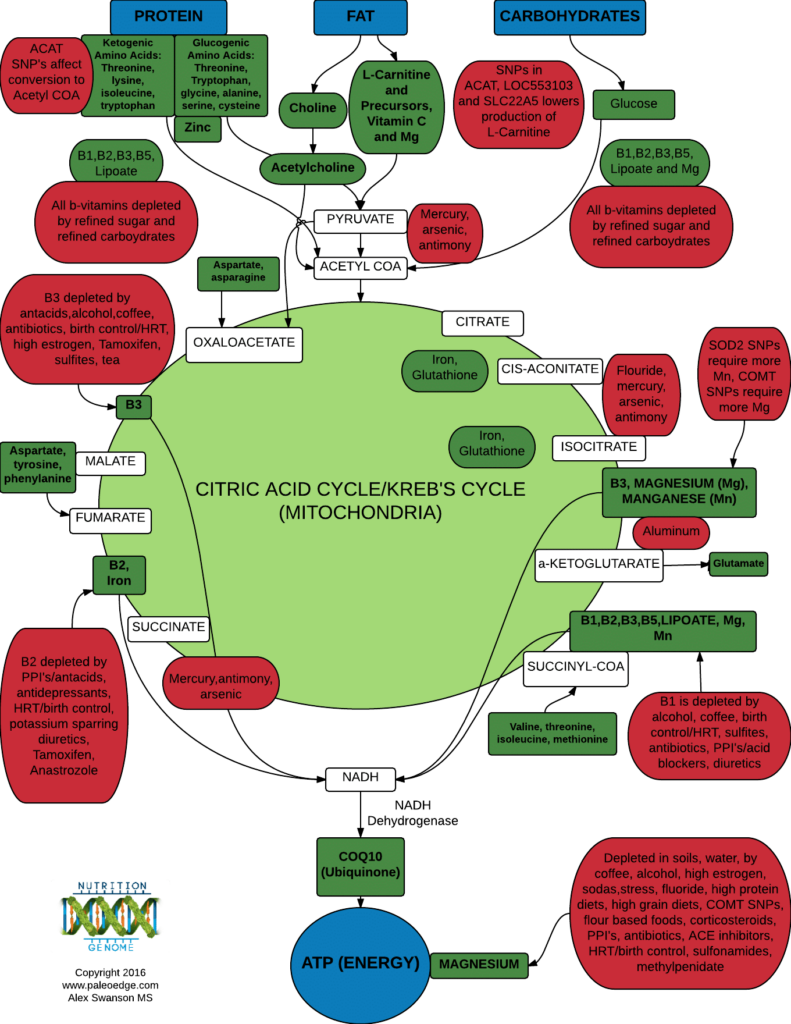
Now that you see the vitamins and minerals that are depleted, you can see how this zaps your body of energy by looking at the Kreb’s Cycle. The Kreb’s Cycle is the process of converting food into energy and takes place in the mitochondria (powerhouse) of your cells. Fat and protein are the preferred energy sources, with B-vitamins, magnesium, choline, and manganese as crucial nutrient factors to the energy cycle working properly.

If you consume sugar, refined flour based carbs, excess coffee, excess alcohol, and use antacids, antibiotics or birth control, you are going to deplete the nutrients needed to run the energy cycle. ATP (energy) especially relies on magnesium, which is low in our diet and depleted by many factors. Coffee and alcohol deplete b-vitamins and magnesium, creating sluggish natural energy by tapping the adrenal glands to produce adrenaline for energy. This creates a coffee/dependence cycle.

Can you enjoy a beer or glass of wine at night without struggling to sleep or get out of bed in the morning? Can you have a cup of coffee in the morning without feeling jittery, anxious or crashing mid-afternoon? Yes, some people are not affected and this may be an indicator of good health. But for others, it depends on how many categories of depletions you have from the chart above, your current state of health, and your individual genetic biochemistry for stimulants and depressants. You can actually see how your body handles coffee and alcohol genetically through Nutrition Genome.

Citric Acid Cycle Legend

best alternatives to coffee

Understanding Mitochondria is the Key to Energy and Health

The mitochondria is the powerhouse of your cell. They are responsible for energy through CoQ10 and ATP production from the Kreb’s Cycle and consume up to 90% of the oxygen in your body. What happens when you get out of breath? You have to stop moving. Now, what happens when your mitochondria are struggling for oxygen? Your whole body is tired all the time. We are even finding low oxygen or “hypoxia” associated with type 2 diabetes, Alzheimer’s disease, cardiac ischemia/reperfusion injury, tissue inflammation and cancer.

As we age, we have to pay even more attention to increasing the number of mitochondria through exercise and protecting their health with diet to remain biologically younger than our physical age. In fact, more and more evidence is pointing towards protecting the mitochondria for slowing the aging process. You can tell the state of your health simply by your energy during the day and sleep during the night. Is it a struggle to get through the day without caffeine? Are you “tired and wired” at night? If so, it is time to implement a new protocol.

By protecting your mitochondria, you are increasing energy naturally, promoting deep restorative sleep, preventing disease and increasing longevity. For a more detailed article on mitochondria, read this one.

The Energy Stack Protocol

There is a major difference between going a million miles a minute and crashing, and keeping a moderate pace throughout the day without fatigue. For the same reason you wouldn’t start sprinting in the beginning of a marathon, you don’t want to jolt your body with stimulants all day long. You will continually crash. This is the shift people need to make when they are used to a stimulant and instead experience steady energy without a crash or fatigue.

  • Focus on my list of protein, fat and carbohydrates
  • Choose an electrolyte drink
  • Choose a grass-fed whey protein powder for the morning or post-workout/intense mental work
  • Exercise: Sitting is now the new smoking. Choose your favorite activities and do them often. If you have a desk job, keep on the move, opt for a standing desk, bike to work if possible, and do pushups/squats throughout the day.
  • Sleep: Going to sleep before 10:30 can do wonders for energy the next day, and magnesium supplementation at night can help promote deep restorative sleep.

What about Coffee Alternatives like Yerba Mate?

Many people have had success switching from coffee to Yerba Mate. While it still contains caffeine, the feedback I have received is that they do not experience the crash associated with coffee. Yerba mate is a South American herb that is rich in vitamins, minerals, amino acids and antioxidants.

It appears to be unclear as to why the caffeine is energizing without the crash or excessive jitters. It is a lower dose (30mg vs 100mg in coffee) and has been purported to be another variant of the caffeine molecule. It also does not increase stomach acid like coffee, making it easier on the stomach.

Concerns came out a few years ago about Yerba Mate regarding the cancer risk. The majority of these studies included populations in South America that also smoked, drank alcohol, and neglected to include other factors including nutrition, environmental pollutants, pesticides and contamination during processing.

For the studies pointing towards an increased cancer risk, the researchers postulated a synergistic effect between tobacco use and drinking hot infusions of smoked Yerba mate leaves that would have increased the polycyclic aromatic hydrocarbons consumption (these are all highest in vegetable oils and grains).

A review of the studies can be found here and states, “there is no sound population-based case-control study on mate consumption as a risk factor for cancer.”

I recommend using the Organic Unsmoked Yerba Mate.

Coffee Alternatives that Taste Like Coffee?

The best one is called Dandy Blend, and contains dandelion root, chicory root, beetroot, roasted rye and barley extract (no gluten). Add half and half with a little coconut palm sugar for the full experience. This combination is a wealth of vitamins and minerals, and incredibly cleansing for the liver.

Energizing Supplementation

1. B-Complex Plus

B1, B2, B3, B5 are all required for the Kreb’s Cycle to produce NADH and CoQ10. Folate and B12 are needed for the methylation cycle. I think you can hit these targets with food if you don’t have numerous depletions and genetic polymorphisms occurring. Otherwise supplementation with the right forms of b-vitamins can give a major boost.

2. Magnesium Malate 

Magnesium is needed by ATP for energy, while citrate and malate are intermediaries in the Kreb’s Cycle. The perfect combination for energy during the day and relaxation at night. Magnesium is a mineral that I believe everyone should be taking.

3. Cordyceps Sinesis Cs-4 400mg by Mushroom Science

Cordyceps have been discussed many times in my articles. For more information, I recommend reading this article. One of the key benefits is preventing hypoxia (low oxygen), increasing stamina, lowering stress and protecting the mitochondria from superoxide.

4. Lion’s Mane

Lion’s Mane is known for increasing memory and concentration. Mental fatigue can drag the whole body down, and it is why we have so many people taking Adderall simply to focus. Compounds in Lion’s Mane are able to stimulate the production of nerve growth factor (NGF), which promotes the repair and regeneration of neurons. The fatty acids in Lion’s Mane are believed to be responsible for enhancing cognitive function.

The combination of Cordyceps and Lion’s Mane provides a very impressive profile for energizing the body and mind, and I owe a major part of my mental and physical endurance to both.

5. NADH and CoQ10

Are the previous recommendations still not providing enough energy? If you have digestive and mitochondrial issues, you may need to bypass the energy cycle and provide the final product of NADH and CoQ10. Or, this may be what is needed for those who have higher demands. I found out about this one at a conference from a practitioner, whose son was using it for track. The practitioner joked that he felt like he was doping his son because the results were so dramatic.

Other Sources

1. Alcohol and CoQ10: http://www.ncbi.nlm.nih.gov/pubmed/22841563
2. Alcohol and B12 in post-menopausal women: http://www.ncbi.nlm.nih.gov/pubmed/15138463
3. Alcohol and B12/folate in men: http://www.ncbi.nlm.nih.gov/pmc/articles/PMC2572692/
4. Alcohol and magnesium: http://www.ncbi.nlm.nih.gov/pubmed/19271417
5. Citric Acid Cycle: https://www.gdx.net/core/interpretive-guides/Organix-IG.pdf
6. A. L. Peace-Brewer, PhD, Genova Diagnostics

Sports Nutrition 101: The Best Sources of Carbohydrates

Sports Nutrition 101: The Best Sources of Carbohydrates

What are the Best Sources of Carbohydrates from Vegetables?

The first choice for endurance producing carbohydrates is going to come from starchy root vegetables. You may have been told to avoid potatoes if you were following a strict Paleo diet, but this is a mistake due to its nutritional profile and complement to meat. One Yukon gold potato has 1600mg of potassium, 0.9mg of B6, 83.7mg of folate and magnesium, and .7mg of manganese. Make mashed potatoes with bone marrow, and you have a superfood. Your training and goals will dictate how if root vegetables play a large or small role in your diet.

  • Sweet potatoes
  • Yams
  • Squash
  • Yukon gold, fingerling or red potatoes
  • Taro root
  • Carrots
  • Beets

Add folate (aim for 400 mcg from all sources daily) and mineral-rich green vegetables for healthy DNA, natural aromatase inhibitors (lowers high estrogen, beneficial to women and men) and preventing inflammation:

  • Romaine lettuce
  • Spinach
  • Parsley (aromatase inhibitor)
  • Collard greens
  • Broccoli

Add watery vegetables for electrolytes 

  • Celery
  • Cucumber
  • Zucchini

What are the Best Sources of Carbohydrates from Fruit?

The best sources of fruit and antioxidants for athletes are going to come from:

  • Pomegranates for its high folate (107mcg), flavonoids, potassium, blood sugar lowering ability post-meal, prostate cancer prevention and treatment, inhibiting cartilage destruction in those with osteoarthritis, limit brain cell damage, protection against sun damage, ability to positively influence nitric oxide, prevents LDL oxidation and lower inflammation. One study found that pomegranate juice outperformed blueberry juice, red wine, vitamin C and synthetic vitamin E for quenching free radical damage inflicted upon cell membranes, while another study found that pomegranate helped reduce cellular oxygen radicals by 71% while increasing cellular antioxidants by 141%. Grapefruit juice is known to inhibit CYP3A4 – and to a lesser extent so does pomegranate juice. Therefore you should be aware if you are taking any drugs that use this liver enzyme.
  • Apples due to its high malic acid content. Malic acid has been found to increase carbohydrate reserves and decrease oxygen consumption by tissues, therefore increasing physical work capacity and endurance.
  • Oranges, grapefruit, and lemons due to their vitamin C, electrolyte and aromatase inhibitor (anti-estrogenic compound helping prevent breast cancer and increase testosterone in males).
  • Watermelon due to its anti-inflammatory lycopene content, malic acid, potassium and hydration ability.
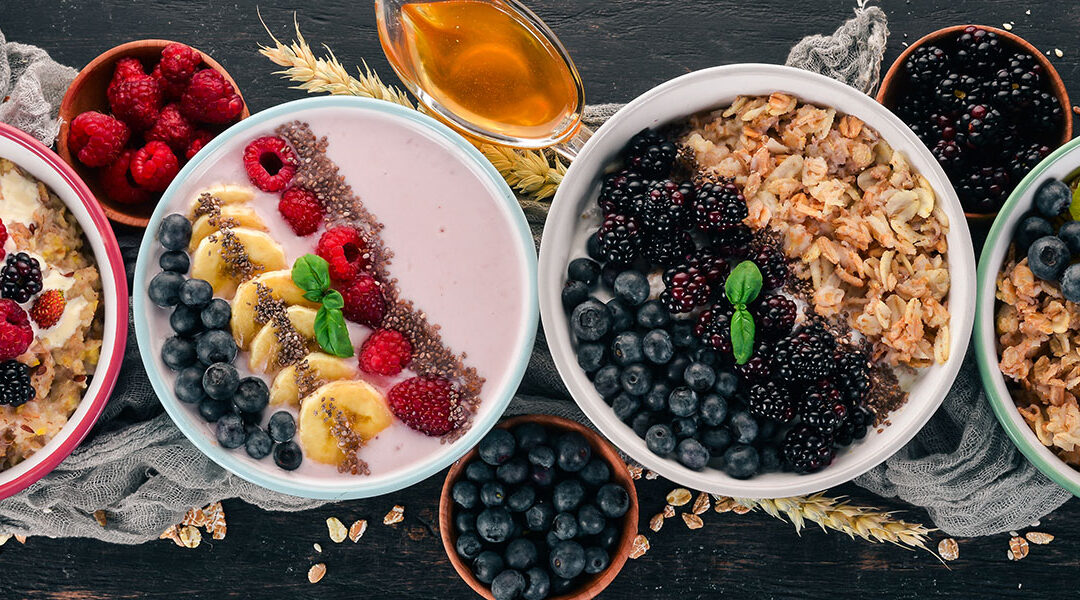
  • Blueberries, strawberries, blackberries, cherries and all other berries for their polyphenol, vitamin C, and ellagic acid (anti-cancer) content.
  • Bananas due to their enzymes, potassium, and necessity for delicious smoothies.

What About Grains for Carbohydrates?

If you believe that grains were not a part of the Paleolithic era, I have some news for you. It has been suggested that wild einkorn grain was harvested in the late Paleolithic and early Mesolithic Ages, 16,000-15,000 BC. Thousands of fully mature small-grained wild grasses were retrieved at Ohalo II, a submerged 23,000-year-old site at the shore of the Sea of Galilee in Israel.

There is also evidence of sorghum grain residues found on stone tools and African potato consumption at a site in Mozambique, Africa dating back to 103,000 B.C., and residues of 10 grass seed grains of triticeae – the family of wheat, rye and barley – and legumes in the teeth of Neanderthals in Belgium and Iraq who are believed to have lived 36,000-46,000 years ago.

That being said, the wheat today does not resemble the wheat of our ancestors and should be avoided when possible. Refined grains today are also often fortified with synthetic folic acid, which for people with a slow DHFR enzyme can potentially create cancerous conditions. Many grains are also a high source of polycystic aromatic hydrocarbons – a known carcinogen also in vegetable oils – that have increased due to our environment.

I advise athletes that need more calories and carbohydrates to utilize white rice, organic wheat pasta, rice mochi, oats and organic corn. If a sandwich is the only way to pack an easy lunch, choose sourdough bread that uses a sourdough starter, not bakers yeast. Even better, look for sourdough rye that doesn’t use wheat.

How Many Carbohydrates Should I Eat?

Sports 

The number of carbohydrates will vary greatly depending on your sport or activity. Five to ten grams per kg of body weight is a formula often used for serious athletes. An example would be a 70kg male would require 350 to 700 grams of carbohydrates. Power and strength sports will be on the lower end, while endurance sports may fall on the higher end.

If you are like Michael Phelps and training 5 hours a day, 6 days a week, then you will be taking in 12,000 calories and taking a more extreme approach to carbohydrate consumption. I have had athletes that need 5,000-6,000 calories a day. The one constant that stays the same with carbohydrates is increasing glycogen storage before an event, and replenishing glycogen after a workout, game or event. If you are a football player, runner or swimmer, your glycogen storage needs are going to be different than a golfer or baseball player.

General Fitness and Training

For general fitness and training of 3-5 days a week, I recommend 100-200 grams of carbohydrates for men and 75-150 grams for women.

Weight Loss

For weight loss, women should aim roughly for 75 grams of carbohydrates, and men 100 grams. Eliminate all grains and eat your last meal by 6:00 pm at night. These numbers will of course vary based on activity level, height and weight.

Can You Be an Endurance Athlete and Follow a Low-Carbohydrate Diet?

Low carbohydrate diets can work by keeping your body in nutritional ketosis with a high-fat diet. If you are interested in following this track, I would highly recommend reading the book The Art and Science of Low Carbohydrate Performance.

Bonus Mushrooms, Herbs and Spices

There are numerous benefits to mushrooms like oyster, maitake, shiitake, crimini, lion’s mane, white mushrooms, crimini and portobello, and should be included as often as possible. Herbs and spices have been found repeatedly in studies to provide protection against inflammation including ginger, fennel, anise, cumin, caraway, and cardamom.