Sports Nutrition 101: The Best Sources of Fat

Sports Nutrition 101: The Best Sources of Fat

What are the Best Sources of Fat?

The best sources of fat are from pastured eggs, bone marrow, pastured lard, avocados, pastured butter, ghee, brie, gouda, nuts, seeds, extra virgin coconut oil, and extra virgin non-filtered, cold-pressed olive oil. From a culinary standpoint, fat is the difference between a meal tasting fantastic or completely bland.

From an athletic standpoint, fat not only provides an energy source, but it is what makes your hormones work, feel satiety, prevent sugar cravings and helps keep your glycogen reserves from being tapped too early in the game. When you don’t have fat in a meal, food is digested too quickly leads to low blood sugar. Chronic low blood sugar fuels the desire for sugar and excess carbohydrates in the body’s attempt to bring it back up quickly. This is when your energy levels get in trouble and your ability to focus becomes comprised.

How Much Fat Should Men Eat?

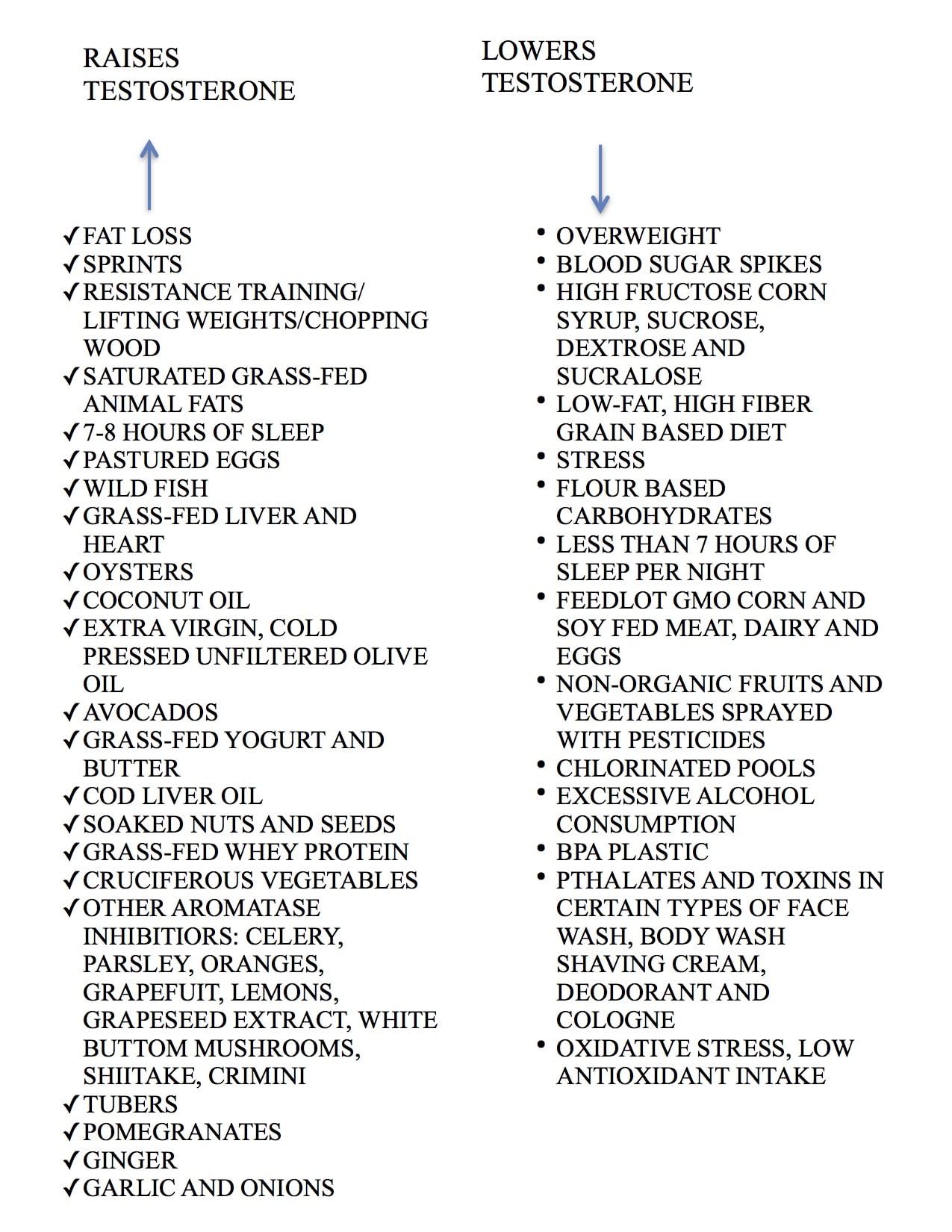
For optimal testosterone levels, fat intake should be roughly 40% of your caloric intake. Therefore if your total caloric intake is 2500 calories, 1000 of those calories should be from animal fat, coconut oil, olive oil, avocados, nuts, seeds should be included in different proportions in every meal. Fat will make you feel satisfied and keep you full longer while promoting optimal testosterone levels. Stay away from low-fat and high fiber diets, which will deplete your testosterone, muscle, ambition, focus, and confidence.

thehealthbeat.com testosterone chart

Read my article on optimizing testosterone here.

How Much Fat Should Women Eat?

Women are more complicated when it comes to determining fat and fiber intake. Fat is obviously important for hormones and reproductive health, but high estrogen and low progesterone levels play a major role in deciding if more fiber-rich vegetables or fat is needed. In our xenoestrogen environment, I continually see estrogen dominance and low progesterone.

It is my experience that women, in general, tend to best on moderate amounts of animal fat, a higher intake of eggs, and moderate amounts of butter, ghee, coconut oil, nuts, seeds, and olive oil. Fiber is more important for women due to bringing high estrogen levels down and regulating digestion for proper detoxification. Higher fiber increases the sex hormone-binding globulin (SHGB) to help estrogen meet its target. 

Fat should be included with each meal. Instead of trying to rely on percentages in your diet, use common sense. This isn’t the case with carbohydrates where the signal isn’t sent to your brain to stop eating and you can easily eat too many. Like protein, you call only eat so much fat before your body tells you to stop. It will range from athlete to athlete, sport to sport.

For example, your fat source may be avocado or guacamole with protein bowl, grass-fed cheese on your burger or pesto sauce on your salmon. If you find yourself running into low blood sugar throughout the day, add more fat to your meals and snacks.

What about Low-Fat and Non-Fat Food?

The low-fat diet craze was a combination of poor research and deceptive corporate greed. If saturated fat in butter is bad for you, then a company must create a fake, cheap to manufactured butter resembling plastic to take its place. If cholesterol in eggs will kill you, then a company must promote high carbohydrate, sugary cheap to manufacture cereal to take its place for breakfast.

The fact of the matter is that whole foods we have consumed for thousands of years has the lowest profit margin and become an easy target to blame. Meanwhile, aspartame, high-fructose corn syrup, soy and corn oil, toxic breakfast cereal, and genetically modified foods get a pass from the FDA.

When we consume low-fat and non-fat versions of food, we are unable to absorb the extremely important vitamins A, D, E and K; all of which protect from the diseases that fat allegedly causes and are crucial for an athlete’s cardiovascular system.

Grass-fed butter is a source of fat-soluble vitamins A, D, E and K, and important trace minerals magnesium, zinc, chromium, selenium and iodine. Beta-carotene in carrots cannot be converted to vitamin A without fat, and even calcium in milk, yogurt or cottage cheese cannot be effectively absorbed. Avocados are rich sources of vitamin E, but if we stripped it of all its fat the E would become useless.

Fat Studies

One study from Ohio State University did a salad test showing the impact of adding avocado for the absorption of fat-soluble vitamins. The first salad included romaine lettuce, baby spinach, shredded carrots, and a non-fat dressing, resulting in fat content of about 2%. After avocado was added, the fat content jumped to 42%. When the salad was consumed with avocado, the 11 test subjects absorbed 7 times the lutein and 18 times the beta carotene.

Lutein is a carotenoid found in many green vegetables is linked with improved eye and heart health. Research has shown that people who consume whole-fat dairy products — as opposed to their processed, lower-fat versions  — were associated with lower body mass index (BMI, smaller waist circumference) and Harvard highlighted the compound, trans-palmitoleic acid, a fatty acid found in milk, cheese, yogurt, and butter that may reduce the risk of Type 2 diabetes.

The Women’s Health Initiative was a low-fat trial that enrolled 49,000 when in 1993. Everyone involved thought that the results would validate the low-fat diet. After a decade of eating more fruits, vegetables and whole grains, while cutting back on meat and fat, the women not only failed to lose weight, but they did not lower their risk of heart disease and cancer whatsoever.

What is Ghee?

Ghee is just the fat from butter that is gently heated to remove the casein. This means that people who are allergic or sensitive to dairy can use this. Ghee should be used for any medium to high heat cooking. Not only does it provide the highest smoke point (higher than coconut oil and lard), but a study on a rural population in India revealed a significantly lower prevalence of coronary heart disease in men who consumed higher amounts of ghee.

Ghee relative to soybean oil in another study decreased the activities of cytochrome P450 (CYP) enzymes, CYP1A1, CYP1A2, CYP1B1, and CYP2B1 – responsible for the dangerous activation of carcinogens in the liver when increased –  and upregulates carcinogen detoxification activities in liver and breast tissues. A fat that detoxifies!

Extra Virgin Coconut Oil 

Coconut oil is very unique in that it can be used for the skin, hair, cooking, as a quick pre-workout source of energy, used safely by those with missing gallbladders, increases HDL and has anti-viral, anti-microbial and immune-boosting compounds.

The coconut tree is by far one of the greatest gifts to mankind. What you are looking for with coconut oil is that it is organic, extra virgin, in a glass jar, not hydrogenated and chemicals are not used in the process of the oil. This particular product uses the traditional methods of processing, maintaining the integrity and quality of the oil.

Sports Nutrition 101: The Best Sources of Protein

Sports Nutrition 101: The Best Sources of Protein

Are You Getting Enough Protein?

Protein and the branch chain amino acids (BCAA’s) help repair and build muscles, maintain the immune system, manufacture enzyme and hormones, replace old red blood cells to carry oxygen to muscles, and act as fuel as a last resort.

Protein converts to glucose more slowly than carbohydrates, while slowing down the absorption of carbohydrates in a meal. When healthy fats like avocado and fiber-rich vegetables are added to the meal, the absorption rate is slowed down even more – which helps maintain blood sugar and energy levels.

If you find yourself sluggish, irritable, slow to recover and progress, and constantly catch colds, you are probably protein deficient and/or overtraining.

Your Best Sources of Protein

Your best protein sources are pastured eggs, wild salmon, wild crab, oysters, herring, elk, venison, boar, buffalo, grass-fed beef, lamb, goat, chicken, turkey, duck, grass-fed dairy, lentils, chickpeas, nuts, and seeds. Grass-fed whey protein can be used as for post-workout purposes and when you are limited on time for breakfast.

How Much Protein Do You Need?

Your protein intake will depend on your training schedule and individual needs. For precise protein in grams, the formula is 0.8 to 1.0 per pound of lean body mass (calculation subtracting body fat percentage in pounds). Excess protein is converted to glucose, adding more stored glycogen. For example, if you weigh 165 pounds and have 12% body fat, you would calculate 12% of 165lbs = 145 (165-20). Then you would multiply 0.8, 0.9 or 1.0 based on your activity level (think easy, moderate, hard). If you are training hard 6 days a week, you would need to consume 145 grams of protein (145×1.0) on a daily basis.

Another formula considers how much protein can absorb at a time while factoring in your goals of maintaining muscle or adding mass. Based on the current evidence, research has shown that the max anabolic response happens at 0.4 to 0.55 g/kg/meal spread across a minimum of 4 meals a day to hit 1.6 g/kg to 2.2 g/kg/day. Let’s say you weigh 145 pounds, which is 65 kilograms. That would mean you want 26-36 grams of protein per serving depending on your goal. Spread out to 4 meals per day, 2.2 g/kg/day that would yield 144 grams of protein total for the day. This is essentially the 1 gram of protein per pound of bodyweight theory for building mass.

What some protein amount examples?

4 eggs: 24 g
1/4 cup of almonds: 8 g
1/4 cup pumpkin seeds: 8 g
1 cup of full-fat yogurt: 10 g
6 oz. grass-fed steak: 42 g
1 cup broccoli: 4 g
1 cup spinach: 5 g
6 oz. wild salmon: 38 g

What if You Don’t Know Your Body Fat Percentage?

Men and women have different body fat percentages, putting men on the higher end of protein intake and women on the lower end. You also have to take into account bio-individuality when determining your protein tolerance and creatine needs from red meat, which can better be assessed through genetic testing. If you do not know your body fat percentage, you can get an estimate with a few measurements here: http://www.active.com/fitness/calculators/bodyfat

Can You Get Too Much Protein?

While most athletes are usually not getting enough protein, you can get overzealous and take in more than is required by your body. The only time I have seen this happen was with protein powders that had extremely high protein contents that were consumed throughout the day on top of 3-4 large meals.

Excessive protein intake through protein powders does not increase results, may increase body fat storage, and rapidly depletes vitamin A. The best way to hit your target is to get adequate amounts for your body weight at breakfast, lunch, snacks, dinner and from one-two recovery protein shakes. This will cover your needs.

Sports Nutrition 101: How to Shop for Protein

Seafood 

Seafood should only be wild, never farmed. Farmed fish are fed grain, soy (sound familiar?) and even animal feces fed to shrimp and scallops coming from China. Choose wild salmon, halibut, crab, oysters, small Albacore tuna, herring, sardines and from pristine waters like Alaska.

Avoid swordfish, shark, tile fish and king mackerel because their mercury levels are too high for human consumption. When selenium outnumbers methylmercury -as is the case with smaller fish-mercury is safely moved out of the body.

In larger fish like shark, mercury outnumbers selenium along with high levels of PCB’s and other contaminants and can be very dangerous. The best place on the planet to buy wild fish that has been tested for low contamination is Vital Choice.

Eggs

Eggs can change dramatically based on their source. The Omega-3 and Omega-6 fatty acids exist in an almost one-to-one ratio in eggs from chickens roaming out in the sun and hunting for bugs and worms; but in eggs from chickens fed only grain indoors, the Omega-6 content can be as much as 19 times greater than the all-important unsaturated Omega-3.

Why is this so important for the athlete? Omega-3‘s play a crucial role as an anti-inflammatory and are one of the most important parts of recovery. Omega-6‘s, on the other hand, will promote inflammation in excess and prolong the recovery process. In addition, there are 4-6 times less vitamin D in eggs from factory farms. Other very long-chain and highly unsaturated fatty acids – necessary for the development of the brain – are found in properly produced eggs but are almost wholly absent in most commercial eggs.

When compared to the USDA’s nutrient data for conventional eggs coming from chickens confined in factory farms, the eggs of pastured hens usually contain:

  • 1/3 less cholesterol
  • 1/4 less saturated fat
  • 2/3 more vitamin A
  • 2 times more omega-3 fatty acids
  • 3 times more vitamin E
  • 7 times more beta carotene
  • 4 to 6 times more vitamin D

“Pastured” eggs are going to be the top choice, however, these eggs have become expensive in grocery stores so it’s best to buy them from farmers’ markets. The second best choice will be “free range omega-3 eggs” where the chickens have been given flax seeds along with their feed. The third best choice would be any free-range or “fertile” eggs.

Grass-Fed Meat, Dairy, CLA and Muscle Mass

Congugated linolenic acid is found in grass-fed lamb, grass-fed beef and grass-fed dairy. In fact, it is up to 500 percent higher in grass-fed meat and dairy. CLA helps glucose get into muscle cells for effectively, which prevents glucose from being converted to fat while helping fat enter cell membranes of muscle and connective tissue where fat is burned for fuel. This is why grass-fed meat is so effective at building healthy muscle mass while shrinking waistlines.

Grass-fed meat and feedlot meat are not equivalent. Don’t forget to include grass-fed liver, heart and bone marrow into your diet. If you look at the B12 levels in the liver and heart and compare them to muscle meats, you will see why so many people are deficient in absorbable B12.

The liver is a powerhouse of vitamin A, D, folate, B12, zinc, selenium and numerous other nutrients. The heart is a brick house of B12, selenium, and CoQ10.

Bone marrow is an unbelievable source of choline (protects all your cell membranes and prevents fatty liver) K2 (prevents calcium from entering the arteries), healthy fat, and alkylglycerols (found also in shark oil and known for its immune building properties). 

Grass-Fed Grain-Fed
2-4x more anti-inflammatory Omega-3 fatty acids Contains up to 10x more Omega-6 fatty acids (pro-inflammatory, weight producing)
Lower toxic load due to cleaner environment Grain-fed meat has a higher fat content and toxic load
Up to 500% higher in muscle building CLA Low CLA levels and high omega-6 fatty acid levels contribute to higher abdominal fat (predominate in metabolic syndrome and increased insulin resistance)
4x higher in vitamin E than feedlot cattle and almost 2x higher than cattle given synthetic vitamin E Vitamin E is crucial for a healthy cardiovascular system, and a deficiency can affect heart function
Higher in B-vitamins, calcium, magnesium and potassium B vitamins are important for a healthy metabolism, and a deficiency can affect muscle loss and low energy levels
No antibiotics, hormones or unknown feed given Antibiotics, hormones and questionable feed given


How to Choose Grass-Fed Whey Protein 

See my article on the best and worst whey protein powders here.

Shopping for Nuts and Seeds

Choose sprouted or raw nuts and seeds in sealed bags, ideally kept in the refrigerator. Avoid getting both out of bins where there is a higher risk of mold. I place special interest on pumpkin seeds for zinc, sunflower seeds for vitamin E, and chia seeds for multiple minerals and endurance.

Macadamia nuts have the unique B17, pistachios have a higher percentage of B6, walnuts a higher source of omega-3 fatty acids, and almonds are a good source of calcium.

Shopping for Lentils and Chickpeas

You probably saw Paleo at the top and thought I eschewed legumes and beans. No, I have always included these two with athletes because they are nutrient-dense, useful and easy to digest.

Lentils are often a forgotten source of protein, folate and molybdenum, and provide a sustained energy source. A lentil-based bar was actually studied for its superior results in endurance athletes. Choose lentils in sealed bags and soak in water for 12 hours.

Drain the water and place it in a well-lighted place for another 6-12 hours until it starts to sprout. Cook in water or broth for 20 minutes. Chickpeas, also known as garbanzo beans, are an excellent source of protein, folate, manganese, and many other nutrients. Hummus is the best way to consume these. When buying hummus, choose ones that are olive oil-based only, not canola oil-based.

Ending Heart Disease in the 21st Century with Nutrition

Ending Heart Disease in the 21st Century with Nutrition

The information you are about to read was first written and researched for a lecture I gave. I received a lot of requests for notes or the outline to the lecture. I have provided a summary box at the bottom if you are not interested at how I arrived at the dietary guidelines, but just want to know what to eat and what not to eat.

As someone who also couldn’t believe the misinformation online, I hope this will provide evidence based truth for preventing and reversing cardiovascular disease.

What are the True Causes of Heart Disease and Stroke?

Coronary heart disease is a disease of the blood vessels supplying the heart muscle. Ischemic strokes are the result of a clot in the blood vessel, while hemorrhagic strokes are caused by a rupture of a blood vessel. So what we are really trying to understand when looking at the cause of heart disease and stroke:

1. What is causing damage to the blood vessels, making it constrict, causing clots, and making them vulnerable to damage like calcification (measured by you calcium score indicating calcium is going into the arteries instead of the bones), glycation (measured by your glycated hemoglobin known as HbA1C) and risk of oxidation (measured by the type of LDL, not the total number)

2. What is cholesterol’s role, and therefore Statin drugs in this process?

The Top Main Risk Factors for Inflammation, and therefore Heart Disease and Stroke include:

1. Obesity, high blood sugar, oxidized cholesterol, high blood pressure and non-alcoholic fatty liver disease from a diet high in sugar (esp. high fructose corn syrup), trans-fats (hydrogenated oils), refined vegetable oils (soy, corn, canola, sunflower and safflower), excessive amounts of refined grains (esp. wheat) and a lack of exercise.

The US has the highest obesity rate in the world, and studies have shown that people with a fasting blood sugar level of 100-125 mg/dl had a 2.5 fold increased risk of having coronary heart disease than people with a level below 79 mg/dl.

According to a study from the American Journal of Cardiovascular Disease, the consumption of oxysterols from commercially fried foods, oxidation of cholesterol driven by consumption of excess polyunsaturated fatty acids from vegetable oils, smoking, trans fatty acids from partially hydrogenated vegetable oil, and lifestyle factors likely underlie the persistent national burden of heart disease.

Up to 80 percent of strokes are preventable. According to researchers, lifestyle factors such as diet, exercise, body mass index, blood sugar levels, blood pressure, vitamin D status, stress, and smoking can have a direct bearing on your individual risk.

The rate of strokes among those younger than 55 nearly doubled between 1993 and 2005 – and this rise is likely due to increasing rates of risk factors like obesity, diabetes, and high blood pressure.

2. Smoking, medications, binge drinking and other toxic ingestion and exposure, especially when coupled with a deficiency in vitamin C.

3. Stress, Depression, and Diabetes. In a recent study, 86 percent of people were more likely to have a stroke or mini-stroke from depression, 59 percent more likely to have a stroke or mini-stroke from the highest chronic stress, and more than twice as likely to have a stroke or mini-stroke from hostility.

Interesting enough, anger wasn’t a risk factor. The World Health Organization is projecting that, by the year 2020, depression will become the world’s second most devastating illness, after heart disease.

Women are twice as likely to get depression than men, especially around the stressful time periods of childbirth and menopause. Estrogen increases the activity of the enzyme – endothelial nitric oxide synthase (eNOS) – that causes tissues to swell and blood vessels to widen, resulting in rashes, breathing issues and even cardiac arrest.

The balance of estrogen and progesterone are important, as normal nitric oxide production is healthy but too little or too much can be harmful. 

Those with Type 2 diabetes are up to 4 times more likely to get heart disease, and 65% of those with diabetes die from heart disease or stroke.

4. Hypothyroidism and Hyperthyroidism. Many thyroid disorders are linked to a deficiency in iodine and selenium and toxicity from soy oil, fluoride, and chloride from unfiltered drinking water supplies, brominated vegetable oils from sodas and sports drinks, and bromides from pesticides and commercial bread.

5. A deficiency in vitamin K2 and magnesium that leads to calcification of the arteries, and a deficiency in CoQ10, vitamin C, E and carotenoids that weaken blood vessels and make cholesterol prone to oxidation.

The Highest Rates of Heart Disease and Stroke in the US Gives US a Clue

heart disease map


Magnesium MapCDC depression rates US


If you look at the US map of heart disease and stroke, you will see a major cluster of rates of heart disease and stroke highest in the southeastern US, and lowest in the west for both men and women.

The states in the South also have some of the highest rates of obesity, smoking, sugar, vegetable oil consumption, depression, sedentary lifestyle, hypertension, and diabetes; all the major risk factors for heart disease and stroke. What is VERY interesting, is the depression rates and the heart disease are coincidentally close to each other in many states. Is our diet making up depressed?

I recently discovered after writing an article titled Mental Health Starts in the Gut, Not the Brain, that the vitamins and minerals that are required in sufficient amounts for all of your neurotransmitters to work properly to prevent anxiety and depression, are the EXACT same ones that help prevent heart disease and strokes.

The third map is taken from the USGS, and shows where the soils are lacking magnesium. The lighter the color, the less magnesium is in the soil. As you can see, the southeast is the most deficient. 

The Lowest Rates of Heart Disease around the World

While it is hard to pin down the latest statistics, here are five countries that have recorded the lowest rates of heart disease deaths:

1. Hong Kong
2. Japan
3. France
4. Spain
5. Greece

When looking at France, scientists are often dumbfounded because everything that mainstream US medical industry believes about dietary cholesterol, saturated fat and heart disease get turned on its head. It has been dubbed the “French Paradox.”

The French eat four times as much butter, 60 percent more cheese, more red meat, nearly three times as much pork and have a ten percent higher rate of smoking.

The French and the Swiss are considered the slimmest people in Europe, and the United States is ranked #1 for obesity in the world. Obesity (especially belly fat) from a diet high in sugar (mainly high fructose corn syrup), fried foods in vegetable oil (all fast food and the majority of restaurants) and refined carbohydrates leads to inflammation, high blood pressure, diabetes, inactivity and therefore blood vessel damage, heart disease, and stroke.

Saturated Fat and Heart Disease: Poor Evidence

In the past, the US focus on heart disease and stroke risk from a dietary standpoint has zeroed in on saturated fat and dietary cholesterol. In a recent January, 2010 meta analysis from the American Journal of Clinical Nutrition over 23 years, it showed no correlations of all saturated fat intake (like red meat, animal fat, eggs and dairy) to heart disease and stroke. Another meta-analysis from 2010 that looked over 20 studies, also found no correlation from red meat consumption to heart disease and diabetes.

What if it is actually the high intake of saturated fat and cholesterol that is protecting the French? Or is it vitamin K2 rich fat? A study from the Journal of Clinical Endocrinology & Metabolism reported that a low-fat, high-fiber diet (which has also been found to deplete heart-healthy vitamin D 43% faster) reduced testosterone levels in middle-aged men, with a diet containing less than 40 percent of energy as fat (including saturated) lead to a decrease in testosterone levels.

We also have to consider a cleaner agricultural system in France. When we look at a study from Brazil – who have also embraced genetically modified crops and therefore heavy pesticide and herbicide use – we find that these chemicals lower testosterone and increase estrogen.

Chemical agriculture was introduced in the early 1900’s, and use has been compounding since then along with our disease rates. GMO’s have pushed this amount even further despite promises that it would require less chemicals. Instead, nature created super weeds.

Men whose testosterone levels were slightly above average were 45% less likely to have high blood pressure, 72% less likely to have experienced a heart attack and 75% less likely to be obese than men whose levels were slightly below average. The optimal level appears to in the 550-900 ng/dl range to reduce risk according to the American College of Cardiology.

Animal Fat for Heart Health?

In the Gascony region, you will also find goose and duck fat are slathered on bread instead of butter, people snack on fried duck skin and eat twice as much foie gras as other Frenchman, and fifty times as much as Americans.

During a 10 year epidemiological study of food surveys by Dr. Serge Renaud, he concluded that the Gascons eat a diet higher in saturated fat than any other group of people in the industrialized world, and have the lowest rate of death from cardiovascular disease in all of France.

High-fat diets have been observed in several indigenous populations with the absence of heart disease. The Inuit who survive on almost entirely seal meat and fish, the Masai tribe in Africa that subsist only beef and raw milk, and the Pacific Islanders with their high consumption of coconut meat and oil (saturated fat), fish, tubers, and fruit.

In all of these, some have low cholesterol in the 140’s and 150’s like the Masai, and some have high cholesterol up to 250 like the Pacific Islanders. This shows a benchmark range that is free of heart disease if only looking at cholesterol numbers, and this tells us that there is much more to picture when assessing risk.

Does this Apply to Everyone?

Just like we have to be careful about making sweeping generalizations about saturated fat and cholesterol, we also need to be careful when extrapolating conclusions from certain populations and applying it to everyone.

All you have to do is look at the saturated fat intake difference between France and Japan, yet still, both are ranked in the top 5 for the lowest levels of cardiovascular disease.

As I have learned doing nutrigenomics analysis programs at Nutrition Genome, there is never a one size fits all system. When we start to look at individual genes and biochemistry, we see a difference in the type of fat and how it is broken down from person to person.

Some people will thrive on a higher fat diet, while others may experience more inflammation and even insulin resistance. So while the French or Inuit may thrive on fat, people with other heritage may thrive more on a lower-fat diet. This is why genetic testing is so invaluable.

Trans-Fats and Vegetable Oils: The True Cause of the Increase of Heart Disease and Strokes

The government has been telling Americans for the last 60 years or so that saturated fat and cholesterol is the cause of heart disease and to adopt a low-fat diet, so they can’t exactly admit they have been wrong all along (they are). The majority of fat consumed in the US has come in the form of hydrogenated oils or trans-fats and vegetable oils, especially soy oil in restaurants and processed food because it’s cheap.

In the U.S., we saw a period of heart disease skyrocketing from 1920-1960. Before that it was relatively unknown. From 1920-1980 we saw a percentage of dietary vegetable oils in the form of margarine and other hydrogenated oils, and refined vegetable oils increase about 400 percent while the consumption of sugar and processed foods increased about 60 percent.

Today, it is estimated we eat 100,000 times more vegetable oils than in the early 1900’s. It is the single biggest increase in any kind of food nutrient over the course of the 20th century. Check the back of most salad dressings, cookies, crackers, chips and bread and you will find vegetable oils. Almost every single restaurant in the US used hydrogenated oils – or trans-fats – to cook with and now use vegetable oils in their place since trans-fats were banned in 2007.

When vegetable oils are heated – say in fried, baked or sautéed food, they create more than 100 dangerous toxic oxidative compounds; the exact type that causes inflammation and arterial damage that leads to heart disease and strokes.

Dr. Fred Kummerow, who is now almost 100 was the first to publish a paper in 1957 pointing towards trans-fats as the cause of heart disease, not cholesterol. “Trans fat was put in the diet in 1910, and it was in the diet until 1965, when I was a member of the American Heart Association committee on fats. And when these fats were eaten by people, they didn’t develop any prostacyclin. Prostacyclin is a component in the blood that prevents the clotting of blood. So if you don’t have any prostacyclin, you can’t clot your blood. And a lot of those people ate a diet of sudden death.”

Dr. Kummerow eats a a whole egg every day. ““The egg contains all of the amino acids that you need. Now, amino acids are present in different foods, but most all of them are present in animal fat, like cheese, beef, pork, eggs, chicken, and fish. They are complete amino acids. So if you eat those kinds of foods, you will have all of the amino acids that you need to build what is called endothelin cells, and they carry all the functions in the body that cause life.”

The truth is that saturated fat and cholesterol (foods like eggs, meat, butter, coconut oil and liver) are actually some of the most nutrient dense foods available, with crucial b-vitamins and fat soluble vitamins A, D, E and K that make your heart healthy.

The prevailing dogma about saturated fat and cholesterol has been wrong both biochemically and clinically. If you look at breast milk – considered the perfect food for life – it has a higher amount of cholesterol than any other food on the planet. An estimated 50% of its calories are from fat, much of it saturated. And this is the percentage of fat when our hormones start working optimally. What does that tell us about our requirements for dietary cholesterol and saturated fat?

In the US, we do have to be more selective about the saturated fat.
In most of Europe, you will not find feedlot farms where animals are fed strictly grain. They are out in the pasture and the words “grass-fed” and “local” will generate a quizzical stare.

In the US, factory farmed animals are fattened up quickly on chemical laden soy and corn, creating high toxic loads in the fat and high omega-6’s (the same pro-inflammatory compounds in vegetable oils and are 19x higher in feedlot eggs). Grass-fed meat is 2-4x higher in omega-3 content, 4x higher in vitamin E and 500 percent higher in CLA, the compound known to be anti-carcinogenic, reduce abdominal fat, anti-diabetic and anti-sclerotic. Always look for “grass-fed” and “pastured.”

Alcohol and Heart Health: What is the Truth Regarding Wine?

When the French Paradox became popular, the US researchers concluded it must be the the resveratrol and quercetin in the wine that are making the French so healthy.

As I mentioned earlier, they are basically going to pretend they weren’t wrong about saturated fats and shift the focus. Within a year of this hypothesis, wine consumption went up 44% within a year in the US. But we didn’t get the same results as the French.

I believe this happened for a few reasons. First, because we kept our sugar, vegetable oil consumption and weight the same while not adopting the other habits of moderation that the country is known for. Small meals that are fresh from the farm, consumption of saturated fat and cholesterol balanced with plant foods, lots of walking and biking, small waistlines, and more leisure for stress relief.

Second, the wine in the United States is not the same as in France or other parts of Europe. When you break down the pesticides, fungicides, insecticides and multiple additives used for color, body and flavor allowed in US wines, it becomes no different than other processed foods. The majority of wines in Europe are still produced the way they have been for thousands of years, preserving the health benefits of unadulterated wine. There is a reason people consistently comment about how the bread and wine doesn’t bother them when they visit Europe.

The latest study on alcohol from Harvard was published this month in the European Heart Journal, and is perhaps one of the longest of its kind. It followed 14,629 men and women aged 45-64 and followed them for up to 25 years.

They found that for those who drank one 5 oz glass of wine or 12 oz. beer per day, the men had a 20 percent less incidence of heart disease and 16 percent for women. What’s interesting is that heart failure rates were higher for those who drank less OR more.

For those having more than 21 drinks, a higher risk of dying from any cause went up 47 percent for men and 89 percent for women. One way to read between the lines of this study, is that the people who were moderate with their alcohol intake at 5 oz. per day, were most likely moderate in their diet and exercise habits, and therefore body weight.

What we have seen in our nutrition practice is the daily consumption of 1-2 glasses of wine leads to excess body weight in the belly, sinus congestion and disrupted sleep, especially in women. This is because our other lifestyle habits are still in place, and therefore alcohol serves to compound the problem. But in an individual with healthy diet and exercise habits, and a healthy body weight, quality, organic wine and unfiltered/unpastuerized beer is a part of the heart healthy approach.

Calcification: Why Is Your Calcium Score So High?

Calcification of the arteries occurs when calcium is deposited into the arteries instead of bones and teeth. This occurs from a vitamin K2 deficiency, magnesium deficiency, high oxidized cholesterol intake, and low vitamin D/high calcium intake from the diet, supplements or medication that can disrupt calcium metabolism.

For example, several studies have found that people who take Proton Pump Inhibitors that block stomach acid – like Prilosec – have significantly higher arterial calcifications due to the affects on calcium. They also increase the risk for another heart attack in patients who’ve already had one. PPIs skew nutrient absorption, impede liver function and alter the bacterial balance in the intestines, making the heart more vulnerable to inflammation, arrhythmia and oxygen starvation. Statin drugs have also been found to inhibit the synthesis of vitamin K2.

One dietary example of calcification we might see is with a heavy coffee drinker and a low vitamin K2 intake, common in the American diet. The caffeine in coffee causes leaching of calcium from the bones and without enough K2 and magnesium, it can enter into the arteries. Vitamin K2 comes from butter from grass-fed animals but not grain fed (their digestive system converts k1 rich greens to k2), organ meats like liver, egg yolks and certain cheeses including brie and gouda. All of the foods you have been probably told to avoid for a healthy heart.

So if we look at a French meal of coffee with grass-fed cream, sourdough baguette with brie, pate or foie gras, fresh fruit and pastured eggs cooked in butter, vs. the American version of a double mocha cappuccino with 60 grams of sugar, feedlot pasteurized cream or cream substitute with hydrogenated oils, feedlot egg white omelet cooked in vegetable oil, high glycemic non-fermented bread with feedlot butter or butter substitutes, you see how two versions of the same foods can react completely differently.

One diet is high in omega-3’s, CLA, A, D, E, and K, vitamin C, K2 and b-vitamins, while the other is high in omega-6 fatty acids, sugar, chemicals and oxidized oil while being deficient in K2 and others. One will protect your arteries and keep them clean, and one will cause calcification, inflammation and plaque.

Culinary Techniques to Reduce Toxic Compounds

The way food is prepared and combined plays a major role with potential toxic compounds that have been of concern. For example, when you BBQ, you increase two potentially carcinogenic compounds from the use of high heat. High heat also increases the formation of advanced glycogen end products (AGE’s) from glycation when sugary marinades are used, which is why sugary BBQ sauces should be avoided.

Traditional culinary techniques have addressed ways to minimize toxins. We know that cooking meat in broth instead of high heat is a safer option, and that soups and stews over low heat are going to be the safest way to cook. Second is to cook in saturated fats and use plenty of herbs especially garlic and rosemary. Or use a marinade with olive oil, vinegar, garlic and other herbs, adding vegetables like Brussels sprouts and broccoli, or fermented veggies like sauerkraut or fermented beets, and consuming a small amount of a fermented drink like beer, wine or Kombucha also helps neutralize toxins due to the yeast. By doing this, you eliminate more than 90 percent of the carcinogenic effects, which the remaining can be taken care of by a healthy detoxification system.

What You Need to Know about Your Cholesterol Numbers and Statin Drugs

Let’s talk about your cholesterol levels. The main focus of many doctors today. Your cholesterol levels rise in the winter months and fall during the summer. They go up when you have an infection when you are stressed and during or after a heart attack. You could find a change in score by 20 points without changing anything by multiple tests within a few days, weeks or months.

The current medical guidelines promote the idea that the lower the cholesterol, the better protection you have against heart attacks and strokes. The current aim now for cholesterol levels are less than 180, and even children are being considered for cholesterol-lowering drugs. A recent January issue of American Heart Journal found that 75% of patients hospitalized for a heart attack had “normal” cholesterol levels and close to 50% had LDL levels less than 100 mg/dl.

In the Framingham study that is often cited, four of five people fell into a large middle range of cholesterol levels, whether or not they developed heart disease. Those with extremely low total cholesterol (less than 150 mg/dL) had low (though not zero) risk for heart attack, however those with low cholesterol have an increased risk of dying from gastrointestinal and respiratory diseases. T

hose with extremely high cholesterol (greater than 300 mg/dL) had a higher risk for heart attack (threefold higher). But the great majority of people fell in between these extremes, and the greatest number of heart attacks developed in people with cholesterol levels in this middle range. This is why predicting the risk of heart attacks based total cholesterol, HDL and LDL alone has been called as accurate as flipping a coin.

You may remember Bill Clinton – known for years for southern fried cooking in vegetable oil and sugar – having a greater than 90 percent blockage of all three coronary arteries and going under a quadruple coronary bypass operation in 2004. But in 1993, Dr. Dean Ornish paid a visit to the White House and enlighten the French chefs about cooking low-fat and restricting animal foods. President Clinton took this seriously and banished fat from the White House. Their fat loving French chef couldn’t follow this type of cooking, and was asked to resign.

According to his cardiologist, Bill Clinton did everything right since his 2004 bypass, including a plant based diet, exercising, and keeping his blood pressure and cholesterol in check at 179mg/dl with a statin drug. Despite this, in 2010 Clinton had chest pain, and needed emergency surgery to put two stents into one of his coronary arteries. This lead the associated press to proclaim “there is no cure for heart disease, Clinton’s case shows.” Clinton no longer follows a vegan diet.

The “Good” HDL Cholesterol

The higher the better according to the American Heart Association. HDL is often called the “good cholesterol.” There is conflicting information regarding the importance of the number. It is naturally higher in women than men. In women, estrogen raises HDL and goes down as estrogen does. In men, optimal testosterone lowers it, but makes it more effective at reverse cholesterol transport, which is taking cholesterol back to the liver.

A 2012 study in The Lancet showed that raising HDL levels may not make any difference to heart disease risk, and people who inherit genes that give them naturally higher HDL levels have no less heart disease than those with lower HDL levels. However, another study found that when triglycerides were high and HDL was low, heart attack risk went up 16 times.

The “Bad” LDL Cholesterol

According to the most recent guidelines from the American Heart Association, “Low LDL cholesterol level is considered good for your heart health. However, your LDL number should no longer be the main factor in guiding treatment to prevent heart attack and stroke. For patients taking statins, the guidelines say they no longer need to get LDL cholesterol levels down to a specific target number.

Why would the American Heart Association make this statement? A study from The Lancet show that higher HDL does not necessarily provide more protection, and  because studies show “there is no scientific basis to support treating to LDL targets” and “the safety of treating to LDL targets has never been proven.”

This is an important point to understand. When assessing your cardiovascular risk, there are many other factors that should have your attention over getting your LDL below 100mg/dl. Can you have a heart attack if you have low cholesterol? Yes. Can you survive to the age of 95 and never have a heart attack despite high cholesterol? Yes. Can you suffer a debilitating or fatal heart attack with “normal” cholesterol? Yes. Can people who take a cholesterol-lowering medication can still suffer a heart attack? Yes.

What You Should Really Know about LDL

The LDL number as an indicator of heart disease does not hold up against scientific scrutiny, and calling it the “bad cholesterol” isn’t necessarily accurate either. To show a positive correlation, a recent study from Texas A&M University discovered that in a study of 52 adults aged 60-69, those with high levels of LDL developed the most muscle mass after vigorously working out. “People often say, ‘I want to get rid of all my bad (LDL) cholesterol,’ but the fact is, if you did so, you would die,” the Texas A&M professor adds. “Everyone needs a certain amount of both LDL and HDL in their bodies. We need to change this idea of LDL always being the evil thing – we all need it, and we need it to do its job.”

The current theory is that the particle size is the most important aspect of LDL, making large fluffy LDL harmless and small sticky LDL capable of damage and inflammation. Small LDL particles are more prone to oxidation, which stimulates the release of inflammatory and adhesive proteins aka plaque.

Oxidation and glycation (from high blood sugar) are the primary concerns, which transforms LDL from cholesterol transport vehicles into highly reactive molecules capable of damaging the delicate endothelial cells that line our arterial walls and increasing plaque.

Think of LDL like ships in the bloodstream. A healthy ship has CoQ10, beta-carotene, lycopene, lutein, and vitamin E (mainly gamma-tocopherol, vitamin C recycles E) aboard to act like cannons against oxidation. If blood sugar is normal, the ship isn’t affected. But if blood sugar is high, they attach onto the ship, poke holes and make it vulnerable to free radicals that cause oxidation, which are kind of like pirates under the trans-fat and vegetable oil command. High blood sugar and low amounts of these antioxidants make small dense LDL vulnerable to be attacked and oxidized.

A new analysis followed over 1,000 men in their mid-40s to mid-50s for more than 12 years. After adjusting for other stroke risk factors, such as older age and diabetes, they found that men with the highest blood levels of lycopene were 55 percent less likely to have a stroke than those with the lowest. Lycopene is high in tomatoes, but also found in guava, apricots, papaya, watermelon and pink grapefruit.

What happens is your immune systems spots the glycated, oxidized small LDL particles, and sends out macrophages to engulf as many as possible to remove it. But the macrophages get overwhelmed trying to remove them and expand, can’t fit through the exit and become trapped. Cytokines – which are like little grenades – are released by the macrophages in an attempt to get out, damaging the arterial wall, building plaque and disrupting blood flow.

WGA in modern refined wheat products have also been found to stimulate immune cells to release cytokines. It turns out these excessive cytokines are now being explored as a major cause of depression, showcasing the link between heart disease and depression. So it is your immune system’s response to inflammation by clearing the blood of these damaged ships that makes small, dense LDL particles increase the likelihood of developing coronary plaque and suffering a heart attack by 300 percent.

Statin drugs deplete the main antioxidant CoQ10, and therefore increases the risk of LDL oxidation. A poor diet low in vegetables and fruits, nuts and seeds leads to low levels of beta carotene, lycopene and lutein, and vitamin E. Vitamin C and B-vitamins are needed for production of CoQ10, and recycling vitamin E. For back up protection, a unique polyphenol in pomegranates, reseveratrol in wine, and certain compounds in green tea, black tea and the spice turmeric have been found to have the highest activity for also protecting LDL against oxidation.

How to Treat Small Dense LDL

The best way to “treat” small-particle LDL’s is by lowering triglycerides through eliminating refined sugar and excess refined carbs, vegetable oils and trans-fats, exercise and lowering stress, anxiety and depression. There is no drug treatment available that affects LDL particle size, including Statins. High blood sugar and low antioxidants are the main cause of high glycated hemoglobin (A1C) and small LDL particles to become oxidized, leading the cascade of damage to the blood vessels – which is how diabetes quadruples the risk of heart disease. Another reason why a focus on protein and fat – macronutrients that stabilize blood sugar – makes the most sense for a heart healthy diet.

Fish oil helps lower triglycerides and promote a shift from small, dense LDL particles to larger, “fluffier” LDL particles, along with the omega-3 fatty acids known to lower inflammation and reduce cardiovascular risk.

What You Should Be Looking For On Your Blood Work

Lp(a) <14mg/dl: Lp(a) is a substance that is made up of an LDL part plus a protein (apoprotein a). It is a sticky form of LDL. Elevated Lp(a) levels are a very strong risk factor for heart disease, if not one of the highest. Lp(a) not only is a direct cause of plaque growth and the plaque rupture that can cause a heart attack, but it also magnifies the dangers of all other risk factors, especially LDL particle size.

While it is believed to be genetic and difficult to lower, Linus Pauling theorized that Lp(a) serves as a surrogate for vitamin C due to a gene mutation that occurred when we lost the ability to manufacture vitamin C millions of years ago. His hypothesis was when vitamin C is too low, it can cause Lp(a) to elevate.

One study found that the milk protein casein decreased Lp(a) by 50 percent, but soy increased it by 20 percent. Consider the major increase in soy oil and this connection to heart disease. Another found that optimal testosterone levels in men and estrogen levels in women can lower Lp(a) by 25%. L-carnitine has also been found to possibly lower Lp(a), with the highest amount found in red meat.

Homocysteine: Homocysteine is a normal by-product of protein digestion, but in elevated amounts it causes cholesterol to be oxidized (free radical damage, platelets sticking together, and can attack blood vessel walls). If you lack certain protein enzymes, b-vitamins, magnesium or have hypothyroidism, homocysteine can rise. T

he American Heart Association downplays the significance of high homocysteine, even though their website shows it is related to heart disease and that b-vitamins lower it (magnesium should be included as well because the major enzymes in homocysteine metabolism require magnesium).

Researchers have concluded that homocysteine is up to forty times more predictive than cholesterol for assessing risk of cardiovascular disease. 32% more heart attack patients had homocysteine levels above 10 µmol/L. 500% more heart attack patients had homocysteine levels above 15 µmol/L.

Two things stand out to me about homocysteine. The first is that if a high protein diet can cause it, is this rise due to the focus on lean meats instead of organ meats, the later of which have ample supplies of b-vitamins while lean meats have less? The second is the rising prevalence of the gene mutation MTHFR, which disables peoples ability to absorb folate and B12 unless they are in the methylated form.

Triglycerides <150: While triglycerides by themselves do not cause heart attacks, they are the driving force behind lipoprotein particles that are potent causes of heart disease, such as small LDL and very low-density lipoprotein (VLDL). In general, aim for a triglyceride level below 100 mg/dL, as all triglyceride-rich particles (including small LDL) are minimized at this level. Lowering your sugar (even sugary fruit) and refined grain intake, lowering body fat, exercise and increasing healthy fat are all effective strategies. Fish oil and vitamin C are both effective ways to lower triglycerides and VLDL by 30–50%.

C-Reactive Protein: The American Heart Association downplays its significance. C-Reactive protein is a measure of inflammation and a strong indicator of blood vessel damage. In one study, the men who had the highest levels of C-reactive protein were more than twice as likely to suffer from heart disease. Elevated C-Reactive protein shows a heart attack risk by almost 600% when above 3.00mg/liter. Low testosterone and high in estrogen in men, lack of probiotics, obesity, sugar, stress, refined vegetable oils and high-glycemic carbohydrates increase C-reactive protein.

Hypothyroidism is also associated with an increase in C-reactive protein level. In one study of non-diseased, overweight non-smokers who received 1000mg of vitamin C and started out with elevated C-reactive protein levels > 1.0 had 25% lower CRP levels compared with the placebo group after only two months, likely due to its protective effect against oxidation and cytokines. The researchers concluded that “vitamin C’s magnitude of the effect was similar to Statin’s,” – but without the side effects – and should be investigated for its role in reducing chronic inflammation.

Calcium Score <100: Calcification occurs from a vitamin K2 and magnesium deficiency, both which direct calcium into the bones instead of the arteries. Very high vitamin D levels can also cause calcification. It can also occur from medications like proton pump inhibitors.

Vitamin K2 is found in butter, egg yolks, liver, natto, gouda and brie cheese. Magnesium is best supplemented as magnesium citrate or citramate, since our water and top soil has become severely depleted.

TSH, T3 and T4. Thyroid hormone also has direct anti-atherosclerotic effects such as blood vessel dilatation. Carnivores are free of atherosclerosis with their standard fare of saturated fat and cholesterol until you take out the thyroid gland. Then they get blood vessel damage just like herbivores.

Hypothyroidism has become something of a silent epidemic. The thyroid hormone is the central governor of the LDL receptor, and the LDL receptor is the central governor of clearance of LDL cholesterol from the blood. So, the thyroid hormones basically communicate to our cells to take the LDL cholesterol from the blood and make DHEA, testosterone, estrogen and progesterone.

For your diet, iodine, selenium, magnesium (evidence supports hypothyroidism being a magnesium deficiency) and riboflavin intake along with filtering fluoride and chlorine from your water, and avoiding mercury from large fish, pesticides and bromides in certain sports drinks, sodas and bread help normalize the thyroid. Statins inhibit the biosynthesis of selenium-containing proteins such as glutathione peroxidase that suppresses peroxidative stress.

Blood Pressure 120/80. Reducing your systolic blood pressure by 20 millimeters (regardless of how high your blood pressure currently is) decreases your risk of stroke by 50 percent. Reduce it by another 20 mm, and you cut your individual risk in half yet again. Not smoking, or quitting smoking equated to a 40 percent lower risk.

Sugar, obesity, high coffee intake, inactivity, and stress will spike blood pressure. Low magnesium, low potassium levels and low vitamin D levels combined with a high sodium content will increase blood pressure. A recent study showed that increasing potassium-rich foods to 4.7 grams was equivalent to cutting out 4 grams of sodium in terms of reducing blood pressure.

Weight loss, cutting out sugar and excess carbs, exercise, stress relieving activities, pets, meditation, Qi Gong, magnesium, vitamin C, E, carotenoids and CoQ10 all regulate blood pressure.

Iron: Iron can cause oxidation of cholesterol, so if you have excess iron levels you can damage your blood vessels and increase your risk of heart disease. Checking your iron levels is advised. Men should not take iron supplements.

HbA1C 4.0-5.9: When blood glucose levels are high, glucose molecules attach to the hemoglobin in red blood cells. Normal levels of glucose produce a normal amount of glycated hemoglobin. Too much causes oxidized LDL leading to plaque, stiffening of the collagen in the blood vessel walls and leading to high blood pressure, especially in diabetes.

High levels also cause weakening of the collagen in the blood vessel walls, leading to strokes. Vitamin C and Vitamin E may lower HbA1C levels by reducing the rate of glycation of hemoglobin. A deficiency of B12 and iron may also lead to higher HbA1C levels, as well as chronic use of NSAID’s (Aspirin, Tylenol etc). Other medications should also be explored if high levels are unexplained.

What Statin’s Deplete

Statin drugs work by inhibiting the enzyme HMG reductase, which is needed for the production of cholesterol. The problem is that this enzyme leads to A LOT more than just cholesterol.

1. Lower’s Testosterone and DHEA: Just like a low-fat, high fiber diet, Statin drugs have been found to lower testosterone. I have written about low testosterone levels showing up in younger men with each generation and the ramifications of that in this article.

I believe it is becoming extremely prevalent, but a lot of guys don’t get tested for it so they don’t realize it is low. Men whose testosterone levels were slightly above average were 45% less likely to have high blood pressure, 72% less likely to have experienced a heart attack and 75% less likely to be obese than men whose levels were slightly below average.

2. Depletes CoQ10: At age 20, CoQ10 is higher in the heart than any other organ. By age 80, the levels are cut in half. This is arguably the most important nutrient for the heart, and statins reduce this amount of CoQ10 dramatically lower. Low CoQ10 levels are found in those with heart disease.

CoQ10 has been shown to protect against stroke, benefit cardiovascular disease, promote younger skin, prevent migraines, improve glucose control, fight cancer, and improve high blood pressure. It is also the most important nutrient for the gums, which is why low CoQ10 causes poor gum health, and poor gum health is connected to heart attack risk. Beta Blockers also deplete CoQ10, as do other types of antihypertensives and vasodilators.

3. Depletes Squalene: Squalene is a major antioxidant produced by the body to combat inflammation in the skin and eyes, aids in detoxification and has anti-cancer activity. This depletion could be why Stains increase the risk of cataracts and cancer (along with CoQ10). Olive oil is a good source of dietary squalene.

4. Depletes A, D, E, K2, B12, Folate, Zinc and Phosphate: The vitamins A, D, E, K2, folate, calcium and magnesium are all crucial for a healthy functioning heart.

5. Increases Blood Sugar: A study published in the Archives of Internal Medicine found a nearly 50 percent increase in diabetes among longtime statin users. A 2011 analysis in the Journal of the American Medical Association and a 2010 analysis in The Lancet also found a higher risk of diabetes among those taking cholesterol-lowering drugs.

This is because cholesterol is the precursor to glucocorticoids, which regulate blood sugar levels, and mineralocorticoids, which regulate mineral balance. According to the American Heart Association, Adults with diabetes are two to four times more likely to have heart disease or a stroke than adults without diabetes. High blood sugar is also connected to Alzheimers and Dementia, being referred to as Type 3 diabetes. Another study found that that high spikes in blood sugar was enough to drop testosterone levels by as much as 25% in a random grouping of healthy, prediabetic, and diabetic men.

Side Effects of Statin Drugs

How about the side effects that the patients are often unaware of the cause? The side effects include heart failure, neuropathy, cancer, elevated liver enzymes, muscle pain (can lead to muscle damage and rhabdomyolysis), dizziness, suppressing of the immune system, joint pain, weakness, headache, rash, nausea, heartburn, constipation, diarrhea, gas, memory loss, urinary tract infection and depression (people with depression are up to 40 percent more likely to die from heart disease than people without depression).

So what we are really seeing are the side effects of low cholesterol, low CoQ10 status, deficient levels of vitamins and minerals and poor hormone production. Muscle pains and memory problems are by far the most common side effects I see, and a connection to dementia wouldn’t be a far off hypothesis.

Why Are Statins Promoted if All of this Known?

So you are probably wondering with this knowledge in hand, why Statins are recommended in the first place. The simple answer is that many doctors are still convinced that high cholesterol is the most important risk factor for preventing heart disease and will cite studies in favor of Statins. But here is the truth about those studies:

#1 The big five that are usually cited found that risk of non-fatal heart attack and stroke were reduced by 1.4% in people on statin drugs – but the rate of death or serious hospitalization went up 1.8%. 1 Not the best trade off.

#2 There is no relationship between blood cholesterol and heart disease risk in women over fifty or men over seventy. In fact, for older people, deaths were more common with low cholesterol and those who lived the longest had high cholesterol. According to the authors of the recent 2015 study in Expert Review of Clinical Pharmacology, “Our opinion is that although statins are effective at reducing cholesterol levels, they have failed to substantially improve cardiovascular outcomes.”

#3 Statins have been shown to help with heart attacks and stroke in those that have suffered a heart attack or stroke, or possibly those with hypercholesterolemia (mid 300’s). For some people, the reason for having cholesterol levels that high isn’t clear, but looking at TSH, T3 and T4 of the thyroid is a good start. For this subgroup, the best approach is to supplement your prescription if you choose to use Statins.


DIET SUMMARY

Bad Heart Foods Good Heart Foods copy


Sources

1. Supplement Your Prescription: What Your Doctor Doesn’t Know About Nutrition by Dr. Hyla Cass, MD.

2. Khaw KT, Bingham S, Welch A, et al. Relation between plasma ascorbic acid and mortality in men and women in EPIC-Norfolk prospective study: a prospective population study. European Prospective Investigation into Cancer and Nutrition. Lancet. 2001 Mar 3;357(9257):657-63.

3. Yokoyama T, Date C, Kokubo Y, Yoshiike N, Matsumura Y, Tanaka H. Serum vitamin C concentration was inversely associated with subsequent 20-year incidence of stroke in a Japanese rural community. The Shibata study. Stroke. 2000 Oct;31(10):2287-94.

4. Brown DJ, Goodman J. A review of vitamins A, C, and E and their relationship to cardiovascular disease. Clin Excell Nurse Pract. 1998 Jan;2(1):10-22.

5..Myint PK, Luben RN, Welch AA, Bingham SA, Wareham NJ, Khaw KT. Plasma vitamin C concentrations predict risk of incident stroke over 10 y in 20 649 participants of the European Prospective Investigation into Cancer Norfolk prospective population study. Am J Clin Nutr. 2008 Jan;87(1):64-9.

6. Ye Z, Song H. Antioxidant vitamins intake and the risk of coronary heart disease: meta-analysis of cohort studies. Eur J Cardiovasc Prev Rehabil. 2008 Feb;15(1):26-34.

7. Myint PK, Luben RN, Wareham NJ, Bingham SA, Khaw KT. Combined effect of health behaviours and risk of first ever stroke in 20,040 men and women over 11 years’ follow-up in Norfolk cohort of European Prospective Investigation of Cancer (EPIC Norfolk): prospective population study. BMJ. 2009;338:b349.

8. Pfister R, Sharp SJ, Luben R, Wareham NJ, Khaw KT. Plasma vitamin C predicts incident heart failure in men and women in European Prospective Investigation into Cancer and Nutrition-Norfolk prospective study. Am Heart J. 2011 Aug;162(2):246-53.

9. Yildiran H, Mercanligil SM, Besler HT, Tokgozoglu L, Kepez A. Serum antioxidant vitamin levels in patients with coronary heart disease. Int J Vitam Nutr Res. 2011 Jul;81(4):211-7.

10. Aviram M, Rosenblat M, Gaitini D, et al. Pomegranate juice consumption for 3 years by patients with carotid artery stenosis reduces common carotid intima-media thickness, blood pressure and LDL oxidation. Clin Nutr. 2004 Jun;23(3):423-33.

11. Primal Panacea by Levy, Thomas E, MD, JD.

Mental Health Starts in Your Gut, Not your Brain

Mental Health Starts in Your Gut, Not your Brain

What if the way we treat anxiety, depression, learning difficulties and behavioral disorders is completely misunderstood? When you combine published and unpublished studies of antidepressants, the treatments we have today are no better than they were 50 years ago.

How is it that in this day and age, we continue to chase after a cure for modern disorders that have their roots in deficiency and toxicity? It is the same line of thinking in agriculture, that if you keep spraying plants with pesticides or give animals antibiotics, the disease problem is solved without a thought as to why the plants and animals are sick in the first place.

The World Health Organization is projecting that, by the year 2020, depression will become the world’s second most devastating illness, after heart disease. This is alarming not only for our mental state, but the Journal of the National Cancer Institute found that women who had long-term depression were 90 percent more likely to get cancer.

Cancer is complex, but we have been completely ignoring the mental health and emotional connection. If you or someone you know have experienced anxiety, depression or other behavioral disorders, you understand how devastating these disorders can be.

What I hope to offer with this article is insight into understanding the biochemical nature of these disorders, which will hopefully empower you. Modern medicine points to the brain, not the gut as the target, but if we break down neurotransmitter production all arrows point to the gut, not the brain.

The biochemistry points to deficiency of particular vitamins, minerals, and bacteria, not primarily a chemical imbalance that can only be corrected by a drug. Research is confirming that deficiency and toxicity are creating inflammation and excessive release of cytokines from the immune system; which can lead to depression and heart disease.

Two Brains are Better than One

Brain dysfunction is the number one reason people fail at school, at work, and in relationships according to Dr. Daniel Amen, one of the world’s authorities on the brain. So when we break down how the brain functions, we have to look at the two nervous systems: the central and the enteric.

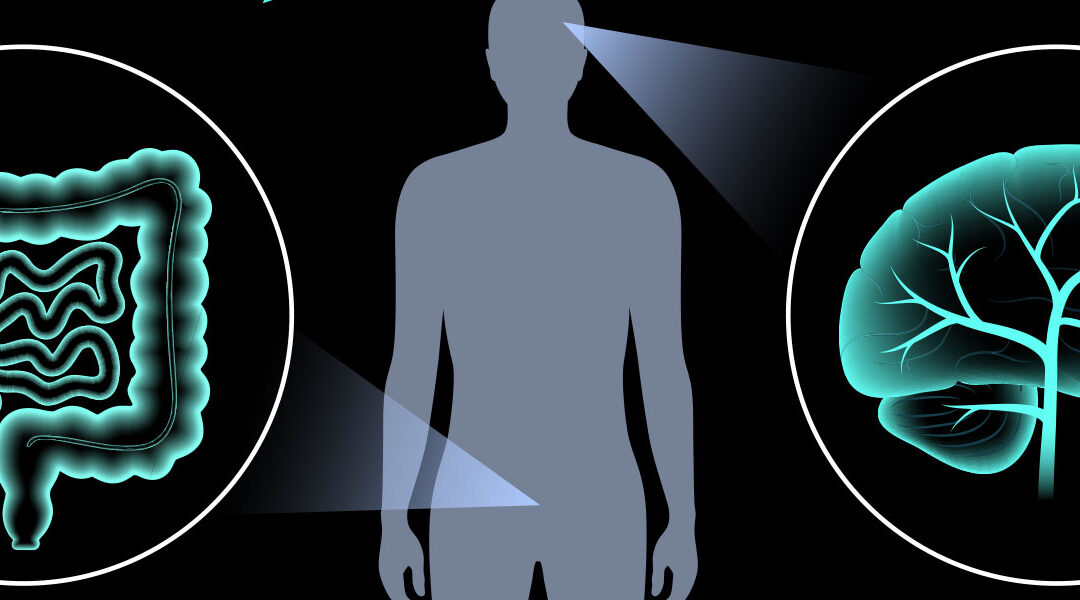
The enteric is the nervous system of your digestive system. There, millions of nerves line the digestive system and communicate with the central nervous system via the vagus nerve road to the brain. Your gut bacteria also uses the same road to transmit information to your brain, and it turns out bacteria are transmitting more information to your brain than your brain sends to your gut.

Ninety percent of serotonin (the neurotransmitter responsible for well-being, happiness, memory, learning, and sleep) is made in the gut, not the brain. Anti-depressants work (or don’t work) by raising serotonin levels in the brain, not the gut. According to the highly popular book Gut and Psychology Syndrome, intestinal flora imbalance has been linked to autism, dyspraxia, A.D.D., dyslexia, A.D.H.D., depression, and schizophrenia.

Why Bacteria May Be a Major Key to Understanding Mental Disorders

Think about the last time when you got anxious, depressed or angry, and the emotions gave you an upset stomach. Guess what happens when your gut flora is altered or wiped out from antibiotics, sucralose (Splenda, 50% intestinal flora destruction found), pesticide-laden GMO food, meat laced with antibiotics, chlorinated and fluoridated water or a high sugar diet? Anxiety, depression, anger, confusion, frustration, stress, and even autism.

Just recently, an article from the BBC/TV website reported a 67% increase in autism in Northern Ireland. Boys are affected 5 times more than girls, and those in more deprived areas are more likely to be affected. It is time we start asking the right questions, starting with nutrition status and toxicity.

A study found that children with autism have altered gut flora “working as neurotransmitters or controlling neurotransmitter biosynthesis” and researchers “suspect that gut microbes may alter levels of neurotransmitter-related metabolites affecting gut-to-brain communication and/or altering brain function.”

Furthermore, researchers from the California Institute of Technology found that some mice exhibiting autistic behaviors no longer showed signs of autism when given probiotics.

Bifidobacterium is capable of secreting large amounts of GABA, an inhibitory neurotransmitter to glutamate, controlling an imbalance found in autism-spectrum disorders, hyperactive behavior, heart attacks, strokes, ADHD, OCD, multiple sclerosis, Parkinson’s disease, Alzheimer’s disease, dementia, mood disorders, IBS, Tourette’s syndrome and seizures.

The Stanley Foundation Neuropathology Consortium found that levels of glutamate were elevated in individuals with Bi-Polar and Major Depressive disorder compared to controls. Another study shows that lactobacillus influenced GABA levels in certain brain regions, leading to lowered stress hormones, anxiety and depression. Could bacteria and GABA be one of the keys to the underlining cause of numerous mental disorders? Or better labeled, mental deficiencies?

Gluten and Mental Health: It Starts at Pregnancy

In gluten sensitive individuals, gluten can actually shut down blood flow into the frontal and prefrontal cortex, the part responsible for dopamine, serotonin, focus, managing emotional states, planning, organizing, consequences of actions, and our short term memory. This process is called “hypo-perfusion” and is strongly associated with ADHD, depression, and anxiety. WGA in wheat has also been found to perforate holes in the intestinal lining, affecting vitamin and mineral absorption, allergies, and bacteria.

A study from Sweden and Johns Hopkins found that babies born to women with a sensitivity to gluten appear to be at increased risk of developing schizophrenia and other psychiatric disorders later in life.

Children born to mothers with abnormally high levels of antibodies to gliadin (gluten) had nearly twice the risk of developing non-affective psychosis, compared with children who had normal levels of gliadin antibodies. This makes quite a strong case for avoiding gluten completely during pregnancy.

Choline Intake During Pregnancy and Mental Health

A study published in 2013 in the American Journal of Psychiatry found that 76 percent of newborns whose mothers received choline supplements had normal inhibition to the sound stimuli, while 43% did not. Those who do not have a normal inhibition to the sound stimuli have been found to have an increased risk for attention problems, social withdrawal and, later in life, schizophrenia. The results show that choline might steer the infant brain away from a developmental course that predicted mental health problems.

Research has also shown that 9 out of 10 Americans don’t get enough dietary choline found highest in eggs and liver. Choline is required for acetylcholine, a neurotransmitter of the vagus nerve that enervates multiple organs including the lungs, heart, liver, stomach, and temporal lobe of the brain (memory).

One study found that women with higher choline intake have the lowest anxiety. The Nutrition Genome Report tests your PEMT genes for choline production (along with the other neurotransmitters) so you can see if you have a much higher need for dietary choline.

Your Brain’s Reaction to Sugar and Refined Carbohydrates

Refined sugar and refined carbohydrates are the reason for the spikes and drops that lead to hypoglycemia. Recently, a UCLA study found that high blood glucose due to fructose intake was found to result in brain shrinkage, impairing learning and memory in the hippocampus, the first areas damaged in Alzheimer’s disease.

This is why both Alzheimer’s and dementia are now being called Type 3 diabetes. Interestingly enough, omega-3 fatty acids (DHA) help minimize the damage due to their brain protective powers.

A diet that is high in sugar and refined carbs without adequate protein, fat, and fiber will lead to hypoglycemia. Studies conducted in the 1970s actually looked at hypoglycemia as one of the major reasons for anti-social behavior due to the fact that hypoglycemia causes the brain to secrete excess glutamate. This excitatory effect can lead to agitation, depression, anger, anxiety, panic attacks, and violent behavior.

The Neurotransmitter Link to Mental Health: The Top 7 Most Common Neurotransmitter Nutrient Deficiencies in the US

A Mayo Clinic study found that 70% of Americans are prescribed medications, with antibiotics, anti-depressants, and opioids as the top three. Anti-depressants attempt to target one or more neurotransmitters at a time (usually serotonin and dopamine), which may not be effective.

The problem is that this system is incredibly complex, and this simplification seems almost medically primitive. Trying to isolate and manipulate one neurotransmitter will most likely cause a ripple effect in the system, and the body will try to override this glitch in the matrix.

It makes much more sense to support all the neurotransmitters at once through – wait for it – diet and exercise. Both do just that.

SSRI’s like Prozac, Zoloft, and Paxil cause a loss of libido, sexual dysfunction, suppressed REM sleep, headache, nausea, upset stomach, loss of appetite, agitation and insomnia. Hmmm, sounds like neurotransmitter imbalance.

So they can affect sexual function, upset your stomach, give you a headache, make it hard to eat and fall asleep. These side effects may make you feel even more depressed. According to Harvard psychiatrist Joseph Glenmullen, no one really knows what the long-term effects are of these chemicals on the brain.

Antibiotics deplete probiotics, magnesium, vitamin B6, B12, folate, vitamin C and zinc just to name a few. Birth control depletes folate, vitamins B2, B6, B12, vitamin C and E, magnesium, selenium, and zinc. As you can see from the diagram below, every single one of these is connected to neurotransmitter health, hormone health – and therefore mental health.

The brain has more than a hundred billion neurons, close to the number of stars in the Milky Way. If we look at the brain, we can break it down into what it needs to function optimally, which starts in the gut. Poor vitamin and bacteria status affect neurotransmitter binding to receptors on neurons, thereby altering neurotransmission.

Vitamin and Mineral Precursors for Optimal Brain Function

1. B-Complex Plus

A study done in the 1990s in the United States found that of 11,658 people, 91% of women and 71% percent of men were deficient in vitamin B6 using the RDA. An epidemiological study done from Tufts University in 2008 found that a substantial percentage of the population had inadequate B6 status.

Who is most at risk? Females at reproductive age, women taking birth control (current and past), teenagers, alcoholics, those taking pyridoxine-inactivating drugs (anticonvulsants), non-Hispanic blacks and people over the age of 65. In other words, a HUGE chunk of the population.

Data suggests that oral contraceptive users have extremely low plasma B6 levels. Three-quarters of the women who reported using oral contraceptives, but not vitamin B6 supplements, were vitamin B6 deficient.

The most bioavailable version of B6 is called pyridoxine, and was so effective at inhibiting AGEs (toxic compounds) and slowing the aging process, the FDA banned it in response to a Machiavellian petition from a pharmaceutical company so pyridoxine could be classified as a drug.

Luckily, another active form called Pyridoxal-5-Phosphate – another version found in food – has similar properties and is still available.

Some people have trouble making the conversion from B6 to P5P due to gut issues, making P5P the ideal choice for those who may need it most. Of course, pharmaceutical companies have attempted to ban P5P as well. What does this tell you about its effectiveness?

B6 is also light, heat, and cold sensitive, making it temperamental and quick to vanish in foods, especially today. Tuna is considered to be one of the highest sources of B6. Who are the largest consumers of fresh or raw tuna? The Japanese.

The Japanese also have the lowest rate of depression at 2.5%. This would give them a high intake of omega-3s, selenium, and iodine from their seaweed consumption. Iodine and selenium are needed for a healthy thyroid to assist serotonin and dopamine, and a deficiency is strongly correlated to the epidemic of hypothyroidism in the US (along with magnesium, vitamin C, and B2 deficiencies). Raw milk is a source of B6 but is destroyed during pasteurization.

Liver is one of the highest foods in B6. Americans have avoided tuna due to high mercury levels; we pasteurize all our dairy, and liver left the dinner plate one generation ago.

Raymond Francis, an MIT chemist, stated that the inventor of the anti-anxiety drug Valium later discovered that B-vitamins could produce exactly the same benefits as Valium, without side effects or addiction. (If someone could find the foreign journal this was published in, I would appreciate it). This, of course, got buried.

While all of the B-vitamins are important, B6 is perhaps the most important nutrient for serotonin, dopamine, epinephrine, norepinephrine, GABA and even CoQ10.

What are the symptoms of B6 deficiency?  Depression.

How could you be deficient? Sugar, refined carbohydrates, birth control pills, poor digestion, poor liver health, and excess alcohol will all lead to poor B-vitamin deficiency.

2. Floratrex (50 billion, 23 strains)


There has a been a huge focus on probiotics and for good reason. Not only are they responsible for up to 80% of your immune system, but they are consistently shown to improve mental health as well. It is important to have prebiotics with your probiotics because this is what helps probiotics colonize. This is especially critical for those with the homozygous FUT2 gene variant as found in the Nutrition Genome Report.

Floratrex is a unique formula with 23 strains of probiotics, a prebiotic (inulin) and fulvic acid. Fulvic acid is a component of soil that has a lot of impressive qualities, including improving digestion, increasing nutrient absorption and assisting hydration levels. However, make sure you are not drinking chlorinated tap water with anything that contains fulvic acid because it reacts with chlorine to create carcinogenic compounds.

Our Paleo ancestors first got our probiotics from eating food in the wild, food that was coated with good bacteria. Then we started fermenting foods and drinks in the agricultural age while still getting our hands dirty.

Chronic antibiotic use, processed food and the anti-bacterial soap revolution put more evolutionary wisdom in the dark. There is a longer list as to why our intestinal flora is disturbed, so the important thing to remember is that daily sources of prebiotics and probiotics are essential.

3. Magnesium Malate

Magnesium deficiency is not something that can be measured by food recall questionnaires due to the fact that it has virtually disappeared from our water and top soil.

Government studies say that 68% of people are magnesium deficient, however, I would argue that percentage is actually quite higher. To activate vitamin B6, magnesium is required. So imagine how your mental health is affected by just low B6 and magnesium status.

Women who take birth control, people with gastrointestinal issues, Type-2 diabetics, alcoholics and older adults all struggle with magnesium absorption on top of poor dietary intake. It is involved in serotonin, dopamine and norepinephrine production, is a major muscle relaxant and constipation remedy.

What are the symptoms of magnesium deficiency? Anxiety and depression. According to the Anxiety and Depression Association, anxiety disorders are the number #1 mental illness in the US affecting 40 million people 18 and older, and every 1 in 8 children. Look at the diet of most Americans, especially children and teenagers. Should we be calling this a mental illness, or a deficiency?

How could you be deficient? If it is not in the soil, it is not in our food. It is also no longer in our water. In fact, if your water is fluoridated and you don’t use a reverse osmosis system, fluoride binds to the magnesium in your body, creating a further deficiency. Sugar and refined carbohydrates also deplete magnesium.

4. Virgin Cod Liver Oil or Nordic Naturals DHA, Brain and Nervous System Support

As we have seen, our seafood consumption has plummeted over the last few decades due to pollution and high mercury levels; we have also seen the highly coveted brain nutrient DHA drop drastically. DHA is a major building block of brain tissue and also a raw material for several neurotransmitters.

A group of Belgian researchers found low blood levels of essential fatty acids (EFA’s) in depressed patients and concluded that depression “may persist despite successful antidepressant treatment” unless it is specifically treated with EFAs. Omega-3 fatty acids are believed to raise levels of the brain chemical serotonin in a way similar to anti-depressants like Prozac.

Cod liver oil contains vitamin A and D along with EPA and DHA. Vitamin A is important for those with gut issues. I recommend using cod liver oil during the fall and winter, then switching to just vitamin D or getting it from the sun during the spring and summer. This balances the A and D in the body.

Or you can use the Nordic Naturals fish oil year round if you notice a big difference with DHA and do not require as much vitamin A. Wild fish and pastured eggs are great sources of omega-3’s in the diet.

5. Vitamin C

The nerve endings in the brain contain the highest concentrations of vitamin C. I have explained in depth in the article, Is Vitamin C the Most Important Vitamin for You? and how the majority of us are most likely deficient. Vitamin C is modest and simple and is vital for our day to day health. The adrenal glands use vitamin C in high amounts.

During times of stress, your need for vitamin C increases. Vitamin C also modulates dopamine levels. In fact, according to Dr. Ben Lynch from a lecture at Bastyr University, high dopamine levels can be normalized with vitamin C supplementation.

I can confirm this to be very effective with by people who have used Nutrition Genome and research has shown that vitamin C modulates dopamine, epinephrine, and norepinephrine. To see the nutritional biochemistry of serotonin, dopamine and norepinephrine, see this diagram (In the diagram, vitamins are in green).

A more complicated process is the copper/zinc balance, where too much copper or too little can be problematic. An excess buildup of copper is caused by low vitamin C and zinc among other things, which can lead to many mental disturbances.

6. Vitamin D3

Vitamin D, sometimes called the “sunshine vitamin” is involved in the production of serotonin. An increase in serotonin is one of the many reasons we feel so good after being in the sunshine for an extended period of time. When you look at our history, you see a pattern of foods high in vitamin D, low grain consumption until 10,000 BC, and plenty of sunlight.  Today, we avoid most foods high in vitamin D due to a fear of fat, have made grains a major staple, and spend most of our time indoors.

We also have been hoodwinked into covering ourselves frenetically with sunblock as if we hadn’t spent the last 2 million years out in the sun. We may have lost the photolyase enzyme that repaired our DNA from sun damage, but we still require its production from the sun in safe doses.

As we have continually seen in studies, vitamin D is implicated in mood and mental health (esp. SAD, Seasonal Affective Disorder, during the winter) and, we are reaching extremely high population levels of deficiency. In fact, sunlight going through the eyes produces serotonin. Maybe we need to re-think things our bodies didn’t come with, like sunglasses and excessive sunblock.

7. Zinc

Zinc is used by our adrenal glands like vitamin C, crucial for keeping up with a high-stress society. It is crucial for the production of GABA. Zinc doesn’t seem like a mineral where a deficiency can take place, but when you find that the best sources come from eggs, liver, red meat and oysters –  foods eschewed by the medical industry  – you see why people become deficient in zinc.

If you are following a low-fat diet full of refined grains and egg whites, and you rarely consume red meat and shellfish, in addition to taking birth control or other medications, you are deficient in zinc.


The Best Foods to Prevent Sunburn and Skin Cancer

The Best Foods to Prevent Sunburn and Skin Cancer

The Evolutionary Timeline of the Sunburn

Over the past sixty years or so, we have moved more and more towards an indoor, temperature controlled environment with the least amount of movement required. Due to this change as a species, we have become deficient in vitamin D from the sun which is implicated in practically every single cancer and multiple health disorders.

Looking at just the recent numbers we see that in 1935, the risk of skin cancer was 1 in 500; it is now 1 in 55. One argument is that we are living longer and the accumulation of sun damage isn’t showing up until later in life. This a valid point, however, it can’t account for all of the cases including individuals that get skin cancer in their 20’s and 30’s.

Let’s think about this logically for a second. Homosapians have survived for hundreds of thousands of years spending the majority of our time outdoors in the sun. Did we have sunblock? No. Did we have skin cancer? If so, it was a rare occurrence. Something else happened during the evolutionary timeline.

At some point, we lost an enzyme called photolayse and replaced it with a less efficient nucleotide excision repair mechanism (in other words, a poor imitation product with cheap parts).

Photolayses are found in plants, fungi, many animals, bacteria and even yeast, and are responsible for scanning DNA for signs of UV damage and quickly make repairs. For some reason, humans lost this enzyme and I couldn’t find when this exactly occurred.

According to this article, “The good news is that even though humans and other mammals have lost photolyase, we may still be able to harness it to protect our own DNA. Given that photolyases were lost in evolution, it was possible that other proteins in the cell that allowed photolyases to do their job were also lost. But mice that were given the gene for the photolyase protein showed remarkable protection from UV damage. This means that in mice, the rest of the cellular infrastructure that photolyases need is still there. Chances are good that it’s there for humans as well.”

My question is, did this enzyme disappear due to a lack of sunlight as we moved more indoors, or something in our diet? Did this occur around the same time we lost the ability to synthesize vitamin C, a potent antioxidant?

Was it the Climate that Changed our Skin Color, or our Diet?

It was first thought that humans evolved with different shades of skin color dependent on climate, the amount of sun and latitude. However, this theory has changed.

In fact, this research has led to the food production theory, that states that the dietary switch to grains could be the reason Europeans developed lighter skin, not the climate change. The cereal-rich diet of Neolithic farmers lacked vitamin D so Europeans rapidly lost their dark-skin pigmentation only once they switched to agriculture because it was only at that point that they had to synthesize vitamin D from the sun more readily.

This explains why the Inuit in the arctic circle kept a dark pigmentation in a low light climate and avoided vitamin D deficiency. The northern Europeans switched to a wheat and other grain-based diet and became vitamin D deficient, while the Inuits in the arctic circle maintained a grain-free diet high in vitamin D rich animal foods, and avoided deficiency.

Our vitamin D levels are optimized with the sun exposure from the summer and fall, and the amount required is dependent on our skin color. Lighter skin required less sun, while darker skin required more to get the same desired effect.

Our new indoor version of the human species, however, has a hard time adapting to sunlight; like a houseplant put outside. Once you have spent time in the sun consistently, your body adapts and is able to withstand longer time in the sun without burning. What is dangerous is spending 8 months out of the year indoors, and then getting fried in the sun over a long weekend.


2009_skin_map_incidence


Skin Cancer Rates in the US: Does More Sun or Less Sun Equal More Skin Cancer?

Now, let’s take a look at the skin cancer rate incidence in the United States according to the CDC in 2011. If the sun was the primary cause of skin cancer, you would expect to see California, Arizona, Nevada, Texas, and Florida with the highest rates. But you don’t. They actually have some of the lowest rates of skin cancer.

Who has some of the highest? Oregon, Washington, Idaho and Minnesota, the states with some of the lowest amount of sun exposure. As you break it down further, you can see that race plays a part in these statistics. We know that Caucasians have the highest rates of skin cancer, and Hispanic and Blacks have the lowest as you can see from this chart from the CDC. More than 9 out of 10 cases of melanoma are diagnosed in non-Hispanic whites:

2009_skin_race_charts


As of 2010/2011: Lowest Rates of Skin Cancer States

  • California has 40 percent white, 39 percent hispanic and 6 percent black
  • Arizona has 55 percent white, 33 percent hispanic and 4 percent black
  • Nevada has 53 percent white, 26 percent hispanic and 8 percent black
  • Texas 42 percent white, 40 percent hispanic and 12 percent black
  • Florida has 59 percent white, 22 percent hispanic and 15 percent black

High Rates of Skin Cancer States

  • Oregon has 80 percent white, 9 percent hispanic and 2 percent black
  • Washington has 70 percent white, 12 percent hispanic and 3 percent black
  • Idaho has 82 percent white, 13 percent hispanic and no data on blacks
  • Minnesota has 83 percent white, 5 percent hispanic and 5 percent black

*Missing percentages to equal 100 are categorized as “other.”

An interesting one to point out is New York in comparison to Vermont. Granted the total population varies greatly, however it’s important to look at the profiles.

You have bordering states with polar results. New York has 57 percent white, 18 percent Hispanic and 14 percent black while Vermont has 94 percent white, 1 percent Hispanic and 1 percent black.

Updated Skin Cancer Statistics from 2012

An updated chart from 2012 from the CDC shows that Arizona, New Mexico, and Texas still have the lowest incidence, but California and Florida moved up a bracket. The two highest brackets still remain predominately in the northern region of the US.

The new interactive chart also allows you to see the rates of death by melanoma, which changes the final results. The lowest rates of death from melanoma are in California, Texas, and Colorado, while the highest rates are evenly split from the south to the north including Arizona, Utah, Idaho, Oregon and Montana, and mid-western states.

Let’s postulate that whites have a greater risk of skin cancer in areas that have the lowest level of sunlight. Would this mean that moving whites to sunnier climates would decrease the amount of skin cancer?

Is it that whites are more susceptible because they are actually deficient in vitamin D? If lighter skin was an evolutionary trait to adapt to environments to provide less sunlight, wouldn’t that mean that less sun would achieve the desired result? Or is there something else at work in the diet?

The Dietary Link to Preventing Skin Cancer

Today, it is estimated that vegetable oils are the single biggest increase in any kind of food nutrient over the course of the 20th century, with soy oil being number #1. Fats from soy, corn, safflower, sunflower, canola and other vegetable oils are high in omega-6 fats, prone to oxidation and rancidity, and causing tremendous cellular dysfunction.

This high consumption of omega-6 fats completely alters the important omega 6:3 ratio and this ratio is one of the keys to obtaining any type of cancer, skin cancer especially.

Where else would we find these omega-6’s? Feedlot agriculture from eggs, dairy and meat feed corn and soy instead of the natural pastured diet that promotes a higher omega-3 content and less omega-6s.

This would line up with the dramatic change in the skin cancer statistics from the 1930’s until now, the exact time the industrial food chain took off.

According to a study from Cancer Research,  epidemiological, experimental, and mechanistic data implicate omega-6 fat as stimulators and long-chain omega-3 fats as inhibitors of development and progression of a range of human cancers, including melanoma. 

Over a decade ago, an Australian study showed a 40 percent reduction in melanoma for those who were eating fish. Recently, the National Academy of Sciences published a comprehensive review showing that the omega 6:3 ratio was the key to preventing skin cancer development.

Now we are on to something. As humans moved out of Africa and settled in the colder, northern regions of the world with less sun, what in the diet would have changed? Fish!

An abundance of omega-3 fatty acids, vitamin A, astaxanthin (natural sunblock), selenium and food-based vitamin D. It also increased in vitamin C rich wild berries. folate-rich wild greens, and wild mushrooms found in wet climates, all of which contain very strong anti-cancer compounds. While sun exposure became less, a diet rich in protective nutrients increased.

Diet Summary for Skin

If you have British/Irish and northwestern European heritage – and are living in similar climates now – you want to focus on the foods that the climate and environment have always provided. This means fish and fish oils, berries, dark greens, mushrooms, pastured eggs, grass-fed meat, and dairy.

If you are living in hot, sunny climates and have light skin, you also want to take precautions through higher omega-3 consumption – while also avoiding burning – and increase your uptake of folate, citrus, watermelon, tomatoes, and cordyceps.

The Best Diet and Supplementation to Prevent Sunburn and Skin Cancer

1. Virgin Cod Liver Oil or Wild Salmon Oil

If you are not able to consume enough fish, then fish oil is an excellent way to hit your omega-3 fatty acid targets.

Wild salmon oil is rich in vitamin A and D to help protect from a UV-induced sunburn and cancerous changes in DNA. What makes it unique to any other fish oil is that it contains astaxanthin, which is a carotenoid that acts as a natural sunblock for marine plants.

Research shows that astaxanthin prevents cancer initiation by protecting DNA from ultraviolet and oxidant damage, reduces liver fat and triglycerides, reduces the impact of glycation, and keeps skin young.

Cod liver oil is a superior source of vitamin A and D to protect the skin against aging and cancer, as well as anti-inflammatory omega-3 fatty acids that everyone needs to balance the omega-6 intake.

There is a balance of making sure you are not getting too much sun, but also getting enough for vitamin D production. Cod liver oil provides 3,000-5,000IU of vitamin A and about 400IU of vitamin D.

If your vitamin D levels are clinically low, you will need to supplement with vitamin D on its own to bring your levels up. Vitamin A protects against toxicity of vitamin D and vice versa, however, they need to be in the right ratios in the body.

2. Cordyceps

Medicinal mushrooms including cordyceps, wild chaga, oyster, reishi, shiitake, and maitake have well-documented properties that are anti-viral, antimicrobial, anti-cancer, anti-hyperglycemic, anti-inflammatory and cardioprotective. Cordyceps and reishi have a wealth of research.

Even according to WebMD, “Cordyceps might improve immunity by stimulating cells and specific chemicals in the immune system. It may also have activity against cancer cells and may shrink tumor size, particularly with lung or skin cancers.”

3. C-Salts Vitamin C

Vitamin C is a well-known antioxidant capable of recycling vitamin E, both of which work together for the integrity of inside and outside every cell. A recent 2014 study found that vitamin C protected against UV irradiation-induced apoptosis by re-activating tumor suppression genes in skin cells.

Another study found that vitamin C epigenetically reduced melanoma cell proliferation. Higher doses of vitamin C is needed for most who do not have access to freshly picked vitamin C rich food.

4. Berries and Pomegranates

Many berries contain strong antioxidant qualities and the phytochemical ellagic acid – highest in wild berries, raspberries, strawberries, and pomegranates – with several studies showing it can inhibit the growth of tumors of the skin, esophagus and lung.

You can also use a cold processed raw blend of 8 wild berries from the Canadian mountains called Berrimax. I have found using this with the raw wild greens concentrate really makes your skin noticeably glow. This isn’t surprising if you have seen wild berries and greens in the wild, which seems to be impossibly bright and healthy. Given the price of berries for what seems like one serving, this gives you a daily dose of all the amazing compounds.

5. Dark Green Vegetables 

High in folate, lutein, and zeaxanthin, leafy greens can help protect your cells from the damaging effects of free radicals, caused from sun-induced inflammation and extended sun exposure.

An association of green leafy vegetables with decreased risk of skin cancer has also been reported, and a higher consumption of fruits and vegetables was related to decreased risk of SCC risk by 54%.

The more sun exposure you have, the higher your folate requirements. These amounts may be even higher with certain gene variants in MTHFR. Eat with a fat source like avocado or olive oil for optimal absorption.

Here is the wild greens blend called GreensFlush. I think both Berrimax and GreensFlush have gone under the radar. This one contains raw wild dandelion greens, burdock leaf and nettles, blended for detoxification, and therefore healthier skin. Dandelion greens alone are high in vitamin K, zeaxanthin, carotene, lutein, vitamin C, B6, riboflavin and many other trace minerals.

6. Tomatoes and Watermelon 

Rich in lycopene, a bright red carotenoid that has been shown to protect our skin from harmful UV damage, watermelons and tomatoes can help reduce the risk of skin cancer.

One study found that lycopene was photoprotective, and inhibit proliferation of several types of cancer cells. Watermelons have 40 percent more lycopene than tomatoes, and this water-rich fruit can help protect you from sunburns and sun damage.

Isn’t it remarkable how nature provides these during the summer? Eat both with a fat source of optimal absorption. Feta goes well with sliced watermelon and olive oil with tomatoes. Other small amounts are found in calendula, pink grapefruit, guava, papayas, and apricots.

7. Lime, Lemon and Orange Zest, Green Tea and Black Tea 

Citrus foods contain limonene, which is highly concentrated in the rind. A study found the presence of limonene in the body can reduce the risk of squamous cell carcinoma. Green and black tea’s potent antioxidants protect your DNA from damage caused by light/sun exposure. Green and black tea is also used to make Kombucha.

8. Raw Cacao 

Good news chocolate lovers! Chocolate has become recognized as an antioxidant-rich food that can help shield the skin against sun damage. One study found that dietary flavanols from cocoa contribute to endogenous photoprotection, improves dermal blood flow, hydration and complexion.

What is the Best Sunblock to Use to Prevent Sunburn?

If you want to make a dermatologist upset, mention studies that show the chemicals in commercial sunblock cause skin cancer.

Here is the rule of thumb: don’t put anything on your skin that you wouldn’t put in your mouth. The skin is actually more sensitive since it dissolves right into your bloodstream without the detoxification process of your digestive system.

Instead of going round and round in the debate about whether or not the chemicals cause skin cancer, why not just choose a natural sunblock that works and doesn’t contain these controversial chemicals? Sound good? There are going to be days when you need to be out in the sun for extended periods of time and you don’t want to get fried if you haven’t been building up a tolerance to the sun.

I am currently looking for the best non-toxic sunblock that doesn’t turn your face white. Open to suggestions!

Sources

1. http://www.cdc.gov/cancer/skin/statistics/state.htm

2. http://www.statehealthfacts.org/comparebar.jsp?ind=6&cat=1