How to Make Ancient Einkorn Sourdough Bread

How to Make Ancient Einkorn Sourdough Bread

Einkorn wheat (along with emmer) was our first form of cultivated wheat that looks entirely different than the wheat we have today. Europe’s oldest mummy – Otzi the Iceman – had an einkorn bread, ibex meat and unidentified herbs as his last meal in 3,300 BC! Perhaps the Earl of Sandwich was not the true inventor of the sandwich.

According to the New York Times, “an experiment done more than 25 years ago by Dr. Jack Harlan, an agronomist at the University of Illinois, demonstrated the likely importance of wild einkorn in the diets of post-ice age hunter-gatherers in the region and what might have encouraged them to domesticate it.

Harvesting wild einkorn by hand in southeastern Turkey, Dr. Harlan showed that in only three weeks, a small family group could have gathered enough grain to sustain them for a full year.” It does make one have to ask, just how long were the hunter-gatherers consuming einkorn bread and other grains, and does this change what we consider to be Paleo?”

It has been suggested that wild einkorn grain was harvested in the late Paleolithic and early Mesolithic Ages, 16,000-15,000 BC, and thousands of fully mature small-grained wild grasses were retrieved at Ohalo II, a submerged 23,000 year old site at the shore of the Sea of Galilee in Israel.

There is also evidence of sorghum grain residues found on stone tools and African potato consumption at a site in Mozambique, Africa dating back to 103,000 B.C., and residues of 10 grass seed grains of triticeae – the family of wheat, rye and barley – and legumes in the teeth of Neanderthals in Belgium and Iraq who are believed to have lived 36,000-46,000 years ago.

How is Einkorn Different from Modern Wheat?

While einkorn sourdough bread does contain gluten, einkorn is structured differently than modern wheat. It contains the highest protein content of any wheat species, also potassium, vitamin B6, essential amino acids and is 3-8 times higher in carotenoids.

It has also been found to be higher in selenium along with emmer, a very important antioxidant lacking in seafood deficient diets. It survived due to being able to thrive in dry, desolate conditions where nothing else would grow.

Its revival is in the infant stage thanks to small farms in Italy and Turkey among others as we begin a different approach to gluten intolerance. It is my belief that using this grain with proper fermentation is a step forward towards reducing gluten intolerance and enjoying real, healthy nutritious bread again.

According to einkorn.com, einkorn differs from modern wheat in 3 important ways, all of which may contribute to gluten intolerance:

  • Most modern wheat is a hybrid of many different grains and grasses.
  • Einkorn has 14 chromosomes, whereas modern wheat has 42 chromosomes which changes the gluten structure.
  • Einkorn is considered more nutritious than modern wheat, based on the higher level of protein, essential fatty acids, phosphorous, B6, potassium, pyridoxine, and beta-carotene.

Is Sourdough the Answer to Gluten Sensitivity?

I came across a study that described how the gluten could be broken down to gluten-free levels in wheat bread after a 48-hour fermentation window. Another study from the Scandinavian Journal of Gastroenterology found evidence that the gliadin protein in einkorn may not be as toxic to those suffering from celiac.

As I have experimented with multiple grains now, I believe I have simplified the formula for a consistent loaf and varying gluten levels based on your own tolerance and preference. I will detail these variables below. Either way, taking the time to make homemade sourdough will give you nourishing bread to feed your family, unlike 99% of the bread available.

A Word on Equipment

I first attempted making sourdough einkorn bread in 2013 when I first posted this article. Since then, I have learned a lot about making sourdough bread with multiple types of grain. While my first attempt made decent bread, I have purchased better equipment and have a system down that uses the stretch and fold method with a high hydration rate. The majority of the work is done by the sourdough starter.

Questions starting pouring in from my friends and family on how to make bread at home during the pandemic, especially since there was a shortage of yeast in grocery stores. Even more reason to keep a sourdough starter on hand.

I stalled on buying a lot of the equipment listed below, and trust me, it makes the process so much more enjoyable. If you are going to put in the time, you want it to come out perfect. If your climate gets very cold and dry, you will save yourself a lot of frustration if you purchase the bread proofer linked below. For baking, your oven is the biggest variable when it comes to temperature, time in the oven and cookware.

People who make sourdough will swear by a dutch oven as the only way to get a professional loaf made. For me, the dutch oven burned the bottom of my bread every time. I tried putting a pizza stone below it, cornmeal at the bottom, messing with the temperatures, everything. A clay pot solved it, while also doing an amazing job of providing a little steam inside and making a better crust. However, it was the Challenger Bread Pan that allowed me to make professional loaves every time.

Let’s Do This! The Recipe for Sourdough Einkorn

This is assuming you already have a sourdough starter, bubbling and ready for action.  If you don’t, making your own is easy.

Buy whole rye or wheat flour. Add 1 cup of flour to 1 cup of water and mix in a bowl. Cover with a towel and leave in a warm spot. Every morning and evening, put 1 tablespoon of flour to 1 tablespoon of water to your starter and mix vigorously. Do this for 5 days.

Around day 5, you should see bubbles and your starter should smell sour. Your starter gets stronger over time. Keep feeding 1 tablespoon flour and water morning and evening to maintain it and it will live forever. At this point, you can transition it to a full einkorn sourdough starter. If you leave on a trip, put it in the fridge. You can bring it back to life when you come back.

Equipment Needed
Challenger Bread Pan (1st choice, but you can use a Dutch Oven or Clay Pot)
Le Creuset 5.5 Quart Dutch Oven or La Chamba 6 Quart Black Clay Pot
Brod and Tayler Bread Proofer and Slow Cooker (allows you to increase humidity and control temperature)
9-inch Proofing Basket (Boule)
10-inch Proofing Baskets (Batard)
Extra proof basket liners (to cover the top for the cold ferment)
Scale
Thermometer
Komo Mio Grain Mill or GrainMaker: optional, but major nutrition bonus when grinding fresh flour. 
Glasslock Rectangular Container (this is the perfect size for your dough to rise and allows you to use glass instead of plastic)
UFO Bread Lame
Parchment Paper
Bench knife

Recipe for 2 Loaves (100 percent Einkorn)

*Einkorn is a little stickier, and your climate plays a role in the right amount of water. Start at 700 grams water (70% hydration) and adjust as needed based on humidity and the time of the year.

1,000 grams einkorn flour
700-800 grams water (70%-80% hydration)
300 grams sourdough starter
22 grams salt
Rice flour (added to proofing baskets)
Optional 2 tablespoons dried rosemary

*If you prefer a lighter loaf and more rise, use 600 grams of King Arthur Organic Bread Flour and 400 grams Einkorn, and 800-850 grams water.

The Night Before
Add 150 grams of flour and 150 grams of water to your starter to have enough sourdough starter in the morning. You will have a more vigorous starter if use about 1/4 cup of starter as the beginning amount before adding the flour and water.

Day 1 (Morning)

Step 1. Measure freshly ground flour or packaged flour. Add to a bowl with the measured water. Let sit for 30 minutes (autolyse).

Step 2: Measure salt in small bowl and the sourdough starter in the Glasslock Rectangular Container.

Step 3: Add the mixed flour into the Glasslock Rectangular Container with the sourdough starter. Sprinkle salt as you mix it together.

Step 4: First stretch and fold method. Go around the container, stretching up and fold over. Go around all 4 sides. Put a timer on for 30 minutes.

Step 5: Second stretch and fold method. Put a timer on for 30 minutes

Step 6: Third stretch and fold method. Loosely put the cover on and a dish towel over it. The temperature determines how long you let it rise. When it gets to the top of the container, it’s done. This could be 4-5 hours in warm weather, or 8-12 hours in colder weather. This is where you can use your bread proofer in colder weather to control the temperature to get a more predictable rise, Often, I’ll put it in there for the last 1-2 hours at 76 degrees to complete the rise.

Step 7. Add einkorn flour to a working surface. Pour the dough out with your bench knife and cut it in half for two loaves. Spread the dough out, pull each side out and then over like folding the arms of a sweater. Do this in 3 segments, then roll into a ball. Shape with the bench knife by going around and making it tight at the bottom.

Step 8: Cover and let the loaves sit for 20 minutes (bench rest).

Step 9: Final shaping and then flip them top down into your proofing basket with added rice flour.

10: Cover the baskets with extra proofing basket covers and place in the fridge anywhere from 12-36 hours. The longer it ferments, the more lactobacillus and sour flavor will develop, and the lower the gluten, but the rise potential will go down.

Day 2

1. Preheat oven to 500 degrees with your baking vessel of choice for 1 hour.

2. Take the vessel out and put it on top of the stove. Take your bread basket out, and flip your loaf out on parchment paper. Use your UFO lame and make a slit across the top for a batard loaf, or in an “x” for a boule loaf.

3. Here is where your oven and climate play a major role. I live in higher altitude in a very dry climate. My time in the oven is higher than people at sea level. I turn down the oven to 450, and bake for 25 minutes covered. Then, I remove the lid, lower the rack, and bake for 35 minutes at 425. It comes out exactly 200 degrees in the middle each time. Use a thermometer in the beginning to make sure you are getting around 200 degrees. Let it cool for 2 hours.

Here are the results!

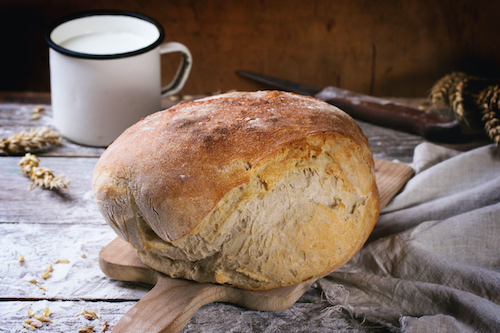
Clay Pot 100% Einkorn Version

Here is a 40% einkorn and 60% bread flour version in the Challenger Bread Pan

Einkorn Flatbread or Pizza

Here is a sourdough einkorn flatbread and pizza version. For this one, all you do is take the dough out of the proofing basket, flatten it out, and put it in the oven (ideally on pizza stone) and bake it for 17-20 minutes at 500 with a little olive oil on top.

For pizza, put it in the oven for 10 minutes at 500 on a pizza stone. Take it out, add your sauce, cheese and any other toppings you want cooked, and put it in for another 7-10 minutes.


Other Recipes with a Sourdough Starter

If you want to make other sourdough recipes like naan bread, tortillas, and pancakes, this is the book for you.

Sourdough on the Rise by Cynthia Lair

Are Your Lungs More Susceptible to Radon Exposure?

Are Your Lungs More Susceptible to Radon Exposure?

What is Radon?

Radon is a naturally occurring radioactive gas that is odorless, colorless, and tasteless. It is formed from the decay of uranium in soil, rock, and water. 

According to the EPA, radon is the number one cause of lung cancer among non-smokers. Radon is responsible for about 21,000 lung cancer deaths every year. About 2,900 of these deaths occur among people who have never smoked. 

The risk of lung cancer from radon exposure is estimated to be 10-20 times higher in smokers. Children are also at a higher risk for the damage from radon inhalation due to having smaller lungs and faster breathing rates.

Where is Radon Exposure Occurring?

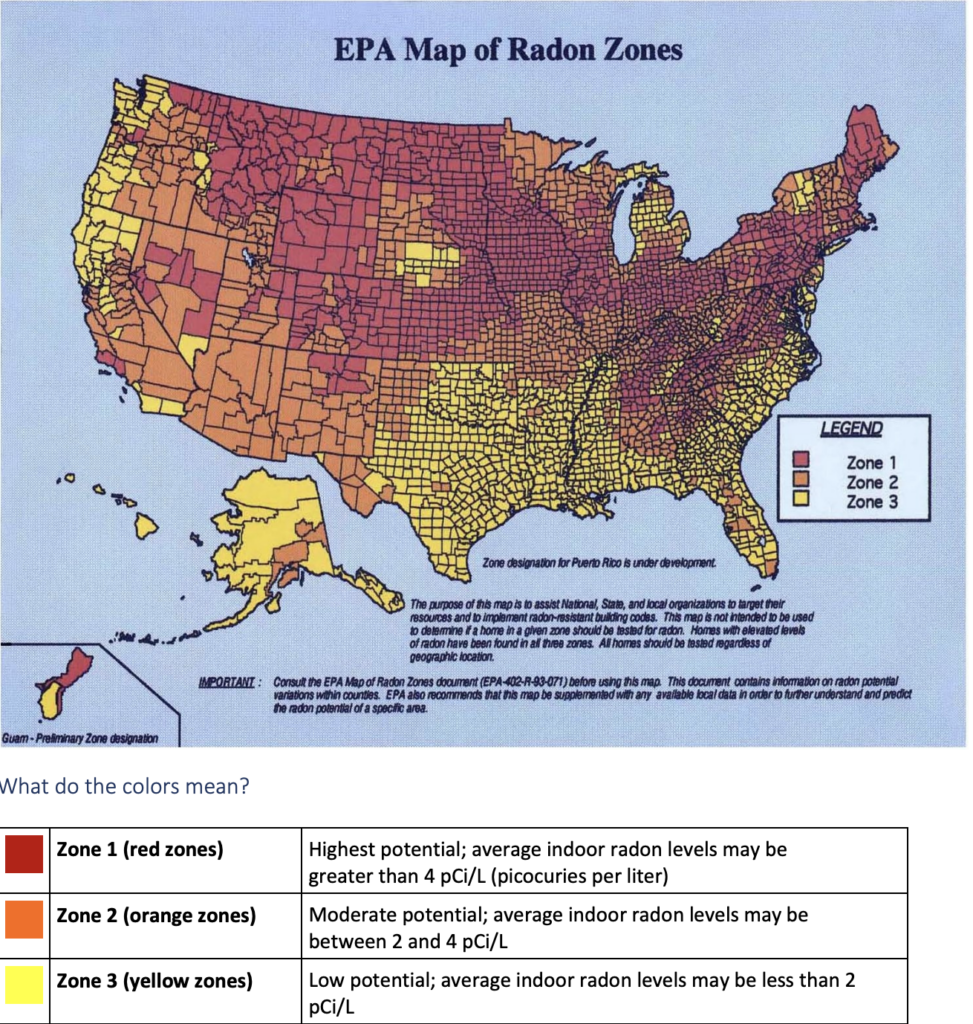
When I was living in Colorado, we drilled a well on our ranch. The water had high levels of radon that required a special filter. In certain states, the risk of radon exposure through the water or foundation of a house is much higher based on the geological makeup, so it is wise to find out about testing in your area.

The EPA created a Radon map here. Researchers have noted that North Dakota and Iowa appear to have the highest risk.

Radon Exposure and Genetic Risks

Radon gas is a known carcinogen. When inhaled, radon gas can damage the DNA in lung cells, leading to the development of lung cancer.

While radon exposure is mainly influenced by environmental factors such as the presence of radon in a particular area or building, genetic factors may also play a role in an individual’s susceptibility to its harmful effects

Studies have suggested that certain genetic variants in genes involved in DNA repair genes like ERCC1, SOD2, and the glutathione gene GSTM1 may contribute to an individual’s susceptibility to radon-induced lung cancer.  For those with the risk genotypes for each gene, researchers found that the risk of radon-induced lung cancer was much higher. You can get your GSTM1 gene tested at Nutrition Genome.

Currently, data for the highest rates of non-smoking lung cancer does not exist. At least, I couldn’t find it. Therefore, narrowing it down based on where you live, getting your house tested, and being aware that general exposure in the area may be higher is the first step. There are some strategies you can do to be more proactive in protecting your lungs based on what we know about DNA repair and GSTM1.

Epigenetic Strategies for Radon Exposure

For the best multivitamins to hit the major micronutrients, see our best and worst list here.

1. Organic Greens Powder with 23 Superfoods (15% off with this link)

For close to 15 years now, this is the first greens powder that I have been truly impressed by and I now use every day. The product was designed on the platform that they do not use any cereal grasses and it contains 23 superfoods of cold-processed vegetables, fruits, spices and herbs. PaleoValley has continued to have a reputation for being vigilant about clean sourcing, processing and testing methods.

This is a great way to get your cruciferous vegetables and ginger for GSTM1, getting manganese, boron, vitamin C, and lutein to target SOD2, and spinach, acerola cherry, and ginger to target DNA repair genes related to radon exposure.

I also personally add Black Raspberry Powder to this product to add an excellent flavor to it and additional anti-cancer benefits, including promising research for lung cancer prevention.

2. NeuroEffect (15% off with this link)

This supplement contains 2,100mg total of Lion’s mane, cordyceps, reishi, chaga, turkey tail, shiitake, maitake, tremella, and coffee fruit berry. It has been tested to contain over 26% beta-glucans. While this product is marketed for enhanced cognition, the truth is that this is also a strong anti-cancer combination as well. See all of the anti-cancer benefits for the lungs and other organs here.


Dietary Strategies Against Wildfire Smoke and Air Pollution

Dietary Strategies Against Wildfire Smoke and Air Pollution

After the 2019-2020 “black summer” fire in Australia, the fires along the entire west coast of the United States in 2020, and the fires in Canada and Pacific Northwest in 2023, there is cause for concern of repeating patterns year after year. The destruction of forests and homes are devastating, and the exposure to the chemical compounds from these fires can have lasting damage on our bodies.

Even without fires, our air represents one of the top ways to become toxic. The 2016 Air Report found that more than 50% of Americans live in areas with unhealthy levels of particle pollution and poor air quality.

Recently, the European Union issued a “final warning” to Germany, France, Spain, Italy and Britain for failing to address repeated breaches of air pollution limits for nitrogen dioxide. Approximately 40% of nitrogen dioxide is a direct result of road traffic, with diesel fuel being the worst offender.

The countries next on the list for a final warning include Austria, Belgium, the Czech Republic, Denmark, Hungary, Poland, and Portugal. Only five of the 28 EU member states – Ireland, Estonia, Malta, Cyprus, and Latvia – did not surpass the air pollution limits.

Is air pollution something we have grossly underestimated? Or perhaps profits have continued to influence regulation? Money won’t help you breathe, and everyone is affected by poor air quality. Clean water, clean food, and clean air should be non-negotiable topics in our society. Either way, we can no longer ignore it.

How Polluted is Your City?

Ozone (O3) develops in the atmosphere when gasses from fossil fuels like gasoline, oil or coal are burned, or when some chemicals, like solvents, evaporate. These react with sunlight to form smog. Within this smog is a host of other chemicals and heavy metals that combine for a toxic air cocktail.

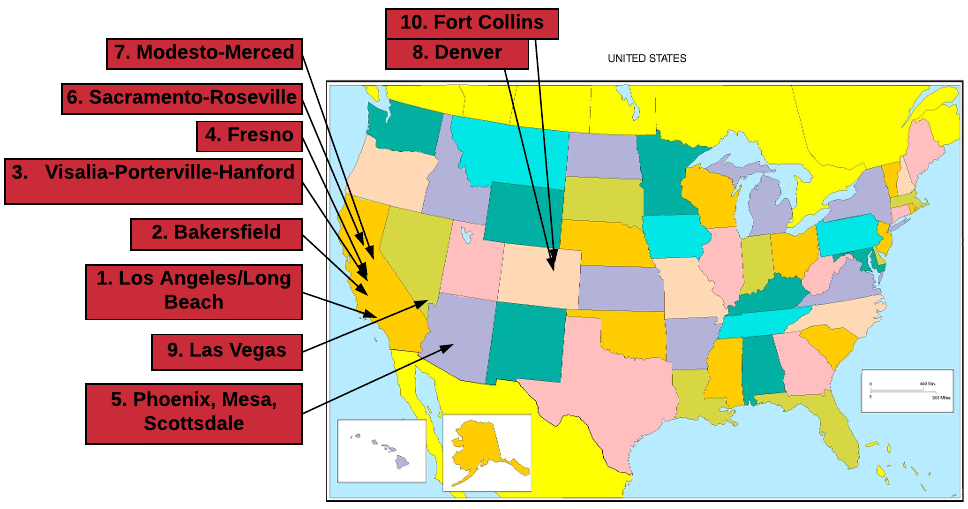
If you live in the United States, you can go to the American Lung Association website and get a report card for your city to review air quality. Here are the top 10 worst cities for ozone pollution in the United States for 2016.
best supplements for air pollution

Ozone was first recognized in southern California, and as you can see, California continues to suffer. Other cities close to the top ten include Dallas/Fort Worth, New York City, San Diego, San Francisco, San Jose, Cleveland, Houston, and Philidelphia. Not all hope is lost for California. The quality of the air has been improving in Los Angeles with the Clean Air Act, and if you are lucky enough to live along the water, the risk is reduced.

What are some of the cleanest cities with the least pollutants?  (all received the same score)
Burlington, Vermont
Bend, Oregon
Missoula, Montana
Coeur d’Alene, Idaho
McAllen-Edinburg, Texas
Honolulu, Hawaii
Bellingham, Washington
Salinas, California
Utica, New York
Tallahassee, Florida

Health Effects and Susceptibility to Air Pollution

The EPA concluded that ozone pollution increased the rates of heart attacks, strokes, heart disease, respiratory harm, central nervous system damage (look at the increase of nervous system disorders), reproductive harm (look at the infertility rates now) and early death. Cardiovascular diseases continue to dominate health statistics, and while we pinpointed smoking as a primary cause, we have neglected to put air pollution on the same scale. What we don’t think about as much is how air pollution affects children’s health.

While air pollution harms everyone, certain groups are especially susceptible.

  • Children and teens (elevated c-reactive protein levels were consistently found among children and among healthy adults)
  • Adults over the age of 65
  • Athletes who exercise outdoors, especially runners and bikers on the highways
  • People with cardiovascular disease, and respiratory diseases like asthma, and COPD. There is consistency in the findings that relate the acute increases in urban air pollution (mainly the particulate matter) and the short-term health effects (i.e. mortality and hospital admissions) on patients suffering from chronic obstructive pulmonary disease (COPD).
  • Individuals with polymorphisms in the genes CAT, SOD2, HMOX-1 (precursor of bilirubin), GSTP1, and GSTM1
  • Pregnant mothers and exposure may increase the risk of autism
  • The ability of bees to forage for food has been disrupted by air pollution and is contributing to their decline
  • Post-menopausal women prone to Alzheimer’s disease with the APOE4 genotype (A study from Nature found an increased risk for global cognitive decline and all-cause dementia respectively by 81% and 92% for older women breathing air that is heavily polluted by vehicle exhaust and other sources of fine particulates. The cognitive effects of air pollution are dramatically more pronounced in those with the APOE-e4 genotype).

Air Pollution Increases Autism Risk

A recent study from the Harvard School of Public Health found that children born to mothers exposed to the highest levels of a busy highway or carbon monoxide and freeway pollution during pregnancy were twice as likely to develop autism than were children born to mothers exposed to the lowest levels. The researchers found the most significant association with autism when the exposure occurred during the third trimester.

It doesn’t seem like a coincidence that the highest autism clusters are also found in the top polluted cities when looking at the mitochondrial dysfunction theory of autism. The autism rates in Los Angeles and San Francisco are double the rate of surrounding areas. New Jersey isn’t much further down the list for air pollution and has the highest rate of autism in the US (1 in 41).

The Ingredients of an Ozone Chemical Cocktail

Breathing ozone may increase your body’s response to other pollutants, particulate matter, and vice versa. On the east coast of the U.S., sulfur dioxide and nitrogen oxide are two common pollutants. Both of these increase the sensitivity to ozone, creating a more toxic combination. If you have allergies, ozone will increase the severity of the allergic response.

The previous study found that ozone “may act as a surrogate indicator for this highly complex and geographically variable mixture and is likely to be an imperfect measure of potential toxicity.” These toxins include but not limited to mercury, lead, arsenicVOC’s, peroxyacyl nitrates, nitrogen dioxide, styrene, chromium, cyanide, cadmium and polycyclic aromatic hydrocarbons (also highest in grains and vegetable oils).

What is the Difference with Wildfire Air Pollution?

Toxicological studies suggest that wildfire particulate matter (PM) may be more toxic than equal doses of ambient pollution. The compounds in wildfire smoke generate more free radicals and have a greater potential to cause inflammation and oxidative stress in the lungs.

When analyzing wildfire smoke, we are not only looking at the compounds produced through the burning of trees, but possibly chemicals and heavy metals found in houses, buildings, cars, factories and more. Studies have focused mainly particulate matter in wildfire smoke, but you will not find as much information on the toxins associated with wildfire particulate matter.

In 2022 study analyzing fires in California over 13 years, researchers found 40 times the levels of lead and arsenic, chromium, copper, lead, nickel, aluminum and zinc all had maximum percent changes over 2,000% depending on the fire.

How to Protect Yourself Against Outdoor and Indoor Air Pollution

We are exposed to approximately 20,000 chemicals every day from outdoor air pollution and indoor air pollution. The surface of the lung is covered with a thin layer of fluid that contains a range of antioxidants that appear to provide the first line of defense against air pollutants. This makes the effects of air pollution and nutrition connected, especially to lung cancer.

One study found that the interaction of ozone with antioxidants showed a hierarchy towards ascorbic acid first, then uric acid and glutathione for ozone defense in human epithelial lining fluid.

Next, the protection moves to the mitochondria. Mitochondria are the primary site of intracellular oxygen consumption and the major source of free radical formation inside the cell. Therefore, protecting the lungs, liver cells and mitochondria are a priority for protecting against air pollution. To protect the mitochondria, you have to improve SOD2, SOD3, catalase, glutathione and uric acid.

1. Ozone (O3): Children and adults with multiple polymorphisms in antioxidant genes are going to be more susceptible to oxidative stress, low vitamin C levels and ozone toxicity. Maintaining optimal vitamin C levels through supplementation and vitamin E from the diet or a proper dose in a multivitamin is recommended along with polyphenol consumption (including milk thistle discussed later).

2. Nitrogen Dioxide (NO2): Exposure of human blood plasma to nitrogen dioxide caused rapid losses of ascorbic acid, uric acid, protein thiol groups, lipid peroxidation and depletions of alpha-tocopherol, bilirubin, and ubiquinol leading to high levels of oxidative stress.

Bilirubin arises in the spleen, is a biomarker of liver function, and breaks down iron. Higher levels may indicate high oxidative stress associated with liver damage, however, low concentrations also seem to be a concern that doctors are overlooking.

Optimal levels are inversely correlated with disease risk of heart disease, carotid plaque, stroke, hypertension, Type 2 diabetes, metabolic syndrome, and obesity. One study found that researchers prevented bilirubin synthesis by eliminating the gene for hemeoxygenase (HMOX-1) they found twice the level of stroke damage in mice.

Supplementation with vitamin C decreased the rates of lipid peroxidation and oxidative stress, alpha-tocopherol depletion and loss of uric acid. A second fun way to increase depleted uric acid? Beer.

Another study also revealed that dietary uptake of tomato lycopene protects human cells against nitrogen dioxide-mediated damage and oxidative stress.

2. Peroxyacyl Nitrates (PAN): The toxicity of peroxyacyl nitrates is less than ozone, similar to nitrogen dioxide but higher than sulfur dioxide. While it hasn’t been researched yet, PAN is believed to be a source of toxicity to the skin and cause a synergistic effect of other toxins in the air.

Dandelion root extract has been showing to induce apoptosis in melanoma cells, and vitamin C has been found to have an epigenetic effect on melanoma cells, showing two potential sources of protection against the effects of air pollution.

3. Sulfur Dioxide: One study analyzed the effects of sea buckthorn seed oil on the protection against sulfur dioxide inhalation and found that buckthorn seed oil contributed antioxidant effects. Another study found a protective effect of salicylic acid and vitamin C.

4. Heavy Metals: Tulsi (holy basil) has also been shown to protect against the toxic effects of heavy metals such as lead, arsenic, cadmium and mercury, and the toxic effects of radiation. Vitamin C reduces blood lead levels, vitamin C, E and zinc reversed arsenic-induced lipid peroxidation and protected against mercury and cadmium in rats. Iron and copper have also been found to be high in air pollution and wildfire smoke.

5. Polycyclic Aromatic Hydrocarbons: Vitamin C protects against polycyclic aromatic hydrocarbons along with improving liver enzymes function like CYP1A2 and CYP1B1. These are outlined in detail in the Nutrition Genome Report if you have variants that increase your sensitivity to polycyclic aromatic hydrocarbons.

The Best Supplements for Air Pollution

Researchers have stated that “therapeutic strategies for liver protection against exposure to air pollutants should be considered if we are not able to reduce air pollution in our environment.”

Next to the lungs, the liver is one of the most vulnerable organs to air pollution due to the translocation of toxins through the bloodstream. Toxins increase the risk of DNA strand breaks that cause cancer and acceleration of non-alcoholic fatty liver disease.

If you are looking to improve your lungs for asthma and lung cancer, your mitochondria, and detoxification system for long-term health, I highly recommend testing your antioxidant genes through Nutrition Genome to figure out how to improve these genes and lower your risk factors.

1. Thorne Research Vitamin C

Protects against nitrogen dioxide, sulfur dioxide, reduces blood lead levels, protected against mercury and cadmium in rats, protects against polycyclic aromatic hydrocarbons in pregnant women, vitamin C, E and zinc reversed arsenic-induced lipid peroxidation (zinc also blocks cadmium uptake), protected against mercury and cadmium in rats and increased glutathione.

The adverse health effects of PM2.5 has been shown to occur from the conversion of peroxides into hydroxyl radicals (OH) rather than the direct chemical production of hydrogen peroxide (H2O2). This is science talk for an inflammatory process that causes DNA damage. You can geek out on a diagram I made here.

2. Liver Health by Global Healing

Liver Health is an alcohol-free, raw herbal cold extract with milk thistle, wildcrafted chanca piedra, wildcrafted borututu root bark, organic reishi mushroom, organic yellow dock root, organic dandelion root, organic turmeric root, organic chicory root, organic peppermint leaf and trace minerals.

Milk thistle acts as an antioxidant by reducing free radical production and lipid peroxidation, has antifibrotic activity (prevents thickening and scarring of tissue), protects the skin and may serve as a toxin blockade agent by inhibiting binding of toxins to the liver cell membrane receptors.

Dandelion root has a long history as a liver cleansing herb with a high antioxidant profile. Dandelion root extract has also been found to induce apoptosis in human melanoma cancer cells that were chemo-resistant. Often thought of as a pesky, prolific weed, the earth may be signaling that we need it more than ever.

Reishi has a huge list of benefits including liver-protective and detoxifying effects and protection against ionizing radiation.

Chanca piedra from South America is best known for its use in reducing the size of kidney stones or preventing their formation. This may be contraindicated for those on blood pressure or blood-sugar lowering medications.

Borututu root bark from Africa possesses potent antioxidant activity and has been traditionally used for liver function, indigestion, and fatigue.

3. Liver Health by Herb Pharm

This product uses an alcohol extraction that contains dandelion, milk thistle, Oregon grape root, artichoke leaf, schisandra, and fennel.

Along with milk thistle and dandelion, this formula contains Shisandra, Shisandra increases liver cells’ glutathione and superoxide dismutase, significantly improved fatty liver disease, protects against heavy metal intoxication and improves mental health and physical work capacity due to being an adaptogen.

4. Cordyceps

Beta glucans are found in medicinal mushrooms and have their role as a biologically active immunomodulator has been well documented for over 45 years.  The research on medicinal mushrooms are astounding.

One study found with tests on mercury toxicity, beta-glucan significantly lowered the toxicity of not only thimerosal (found in vaccines), mercury acetate and perfluorinated hydrocarbons (bonus!). Researchers suggested that beta glucans can be successfully used as a natural remedy of low-level exposure to immunotoxins, and this ability was increased when combined with vitamin C and resveratrol.

Cordyceps have traditionally been used to strengthen the kidneys and the lungs, help reduce inflammation in the airways, reduce phlegm, while also restoring lung and kidney function.

A 2006 study looked at the effects of Cordyceps on the cellular immune functions of asthmatic children. In two groups of 40, both groups were given inhaled glucocorticoids, but the treatment group was also given Cordyceps.

After 3 months, 75% of the treatment group had no symptoms, normal physical signs, and normal lung function. Cordyceps (and reishi) protect the mitochondria and has shown significant cytotoxic activity against melanoma, lung carcinoma, prostate, breast and colon cancer, and liver cancer.

5. Wild Chaga Extract

Chaga has one of the highest antioxidant values (ORAC), a high dietary source of SOD, contains unique compounds like betulinic acid and melanin (protects against radiation) and is a potent cancer fighter.

Chaga mushroom – more known for its use in Siberia and countries outside the US for cancer – has anti-tumor, anti-inflammatory and hepatoprotective (liver) activity. In a mouse model of Lewis Lung carcinoma, chaga decreased tumors by 60% and research found strong anti-cancer activity against liver cancer cells.

6. Holy Basil

Adaptogens increase the body’s resistance to physical (heat, cold and exertion), chemical (toxins and heavy metals) and biological (bacteria and viruses) stressors. Today were are overwhelmed with stressors in our lives. Between the high levels of psychological and physical stress combined with the chemical, bacterial and viral stressors, our bodies need more assistance.

Tulsi (holy basil) is an adaptogen that boosts glutathione, superoxide dismutase and catalase. It has also been shown to protect against the toxic effects of heavy metals such as lead, arsenic, cadmium and mercury, the toxic effects of radiation, and reduces DNA damage.

Tulsi not only protects against the damage caused by toxic compounds but also enables the body to more effectively transform and eliminate them. It does this by enhancing the activity of liver detoxification enzymes such as the cytochrome P450 enzymes, which deactivates toxic chemicals and enables them to be safely excreted.

The Best Air Filters

Having lived through many fires, keeping the air clean in our house is something I take very seriously now. I also spent a lot of time researching air filters and speaking with people who have many allergies to help determine which ones truly are effective.

1. Bissell air320 Smart Air Purifier with HEPA and Carbon Filters

You want an air filter that has at least a three stage filtration system, including a carbon and HEPA filter. The bonus of this one that it blends in easily with the background in your house. I like the digital reading of the air quality, so you can see real time changes and the adjustable fan speeds. The lowest setting is dead silent.

  • Three Stage Filtration. Includes a fabric pre-filter, an activated carbon filter and a HEPA filter which captures 99.97% of 0.3 micron particles and smaller including pollen, dust, smoke, hair, and pet dander.
    Honeycomb-Structured Filter. Activated carbon filter captures gases and VOC’s including odors from pets, cooking, smoke, and other common household odors.
    Automated CirQulate System. Monitors and provides indoor air quality readings in real-time and adjusts to the appropriate fan speed.

2. RabbitAir MinusA2 Ultra Quiet HEPA Air Purifier with Toxin Absorber

This is a step up from Bissel with a 6 stage filtration system including a toxin absorber. This is the unit that people who have any sensitivity (pets, mold, dust, pollen, etc.) absolutely swear by. I noticed with the Bissel during the fires that I had to continually wipe off the outside of the filter. The RabbitAir filter doesn’t have this problem. It reduces the buildup of dust mites, mold, pollen and pet dander, and reduces the growth of bacteria and viruses on the filter. Being able to mount it on the wall and get it off the floor is a bonus.

3. IQ Air HealthPro Plus

I bought this one in addition to the Bissel air filter after my child was born. If you are looking for the very top of the line air filter, the IQ Air HealthPro Plus is a Swiss masterpiece. It is a proven medical-grade air filter that is 100x more effective than HEPA air purifiers and can filter down to 0.003 microns with a 99.95% efficiency at particle filtration. If you really struggle with your health due to sensitivities in the air, fires are common in your area, or you live in a very polluted area, this is the one for you.


Are Dry Farm Wines the Key to Longevity? 

Are Dry Farm Wines the Key to Longevity? 

After fifteen years of researching longevity, I have repeatedly read convincing and consistent evidence showing a positive association between wine intake and longevity. The question of why it increases longevity is still up for debate.  

From a dietary standpoint, resveratrol is the top compound isolated from red wine as the longevity star. Researchers thought this magic bullet explained the 3-decade debate called the French Paradox, or why French people can have a high saturated fat intake and smoke but experience some of the lowest rates of heart disease. 

The problem with this hypothesis was that extremely high amounts of resveratrol would have to be consumed to match the benefits found in lab studies, and red wine alone could not explain the French Paradox. 

Resveratrol has many health benefits, and wines with higher levels of resveratrol should be sought after. Other researchers believe procyanidins are the key, and the higher, the better. With procyanidins, researchers have found much higher levels in wine from regions with statistically more longevity, like the Gers region of France or Sardinia. 

In red wine, you will also find anthocyanidins, delphinidin, epicatechin, hesperetin, naringenin, apigenin, luteolin, isorhamnetin, kaempferol, myricetin, quercetin, caffeic acid, gallic acid, rutin, ellagic acid, pinoresinol, 11 strains of probiotics and ethanol. Each compound has both singular and cumulative benefits that can explain a reduction of disease.

What the Research Says

A 2020 study in the Netherlands found that those who had the highest probability of reaching 90 consumed 0.5–1.5 glasses of alcohol compared to abstainers. Wine intake was positively associated with longevity (notably in women), whereas liquor was positively associated with longevity in men and inversely in women.

A study in Denmark over 12 years and 13,000 subjects found the risk of dying steadily decreased with an increased intake of wine for those who drank three to five glasses a day. In fact, it cut the risk down by 49% compared to non-drinkers. Intake of beer or spirits, however, was not associated with reduced risk. A higher intake of spirits was linked to an increased risk of death. *It should be noted that when you see these higher wine intakes in European studies, it is almost always spread out throughout the day. It is customary in many places to have one 4 oz. glass with multiple meals starting at lunch.

Research on cloistered nuns in Spain found that moderate red wine consumption increased the expression of key longevity-related genes, including catalase, SOD2, SIRT1, and p53. In the same study, they found red wine increased the longevity of flies by 7%. 

Many studies have linked light to moderate red wine consumption to cardioprotective effects, including changes in lipid profiles, reduction of insulin resistance, and a decrease in oxidative stress of low-density lipoprotein cholesterol (LDL-C).  Researchers have postulated that this sets wine apart from other types of alcohol regarding longevity.

Depression is a risk factor for heart disease and premature death. In a Swedish study of 5,505 men and women, wine intake of 2-7 drinks per week was associated with significantly lower rates of depression, while heavy drinking was associated with higher rates of depression.

My favorite anecdotal evidence comes from an Italian man named Luigi Cornaro, born in the 1400s and lived until he was 98. His story is compelling because his health deteriorated dramatically by age 40, and his doctor told him if he continued his habits of overconsumption, he would die.

Luigi decided to make an effort to change his ways and consciously live a long life. This included caloric restriction focused on meat, eggs, broth, bread, and daily consumption of 14 oz. of “young” red wine, as well as a focus on following his passions and contributing beauty to the world. He ended up writing a book called The Art of Living Long.

The X-Factor of Wine

On a trip to Paris, I was absolutely struck by the sense of community, friendship, and celebration in a major city. We would start dinner at 10:00 pm – as everyone else did – then until midnight every night, there were people having a glass of wine, smoking, laughing, dancing, and dining. I’ve never witnessed so much joy as I have in both Italy and France. Lifestyle, family, and friends are at center stage. Each night, my glass of wine from a small local farm at a closely packed outdoor Brasserie represented a connection to the vine, farmer, winemaker, chef, waiter, and fellow patrons. I felt instantly connected to the culture. 

I think an x-factor comes with wine that is harder to measure. Wine brings people together, initiating bonding, love, laughter, and stress relief. In almost every Blue Zone, moderate wine consumption is part of the culture. But family, friends, and purpose transcend many so-called “paradoxes” when we try to isolate more measurable markers for longevity.  All you have to do is look at the Roseto Effect.

Wine is the vehicle that represents the spirit of life and celebration together. Instead of isolating it down to just one compound, we should look at the transmutation that occurs with traditional winemaking from the farm to the table. 

Small Scale Natural Wines vs. Large Scale Additive Wines

“Natural wine” is a term used when there is minimal intervention in the vinification and aging process. Only wild, native yeasts are used during fermentation compared to commercial yeast strains with higher alcohol tolerance. Wild yeasts have a lower alcohol tolerance and therefore represent what our ancestors have always consumed. 

You will find minimal to no use of filtering and fining, new oak, the addition of sulfites, and added sugar to wine to increase the alcohol content. Fining includes the use of agents that can bind and filter certain components of the wine. Fining can remove anthocyanins and other polyphenols and lighten the pigment, which is when Mega Purple is added. Added sugar and higher alcohol also degrades anthocyanins. Younger wines are expected to have higher polyphenols than aged wines. 

This type of “old world” wine is extremely difficult to find in the United States. If you see a bottle of wine in any chain store, it is almost certainly from a large-scale production vineyard. If the winery is a large-scale production, the chances are that many additives you don’t want are in your wine. Small-scale vineyards from around the world following more traditional practices do not have that kind of production power.

I have always associated wine with headaches. Then I visited Europe and never experienced one headache from any of the wines. What is different here? The wines have the same purity they have had for thousands of years. I discovered the world of winemaking is complex, with numerous factors that can make a glass of wine a joyful experience or a massive headache.

There are 76 FDA-approved wine-making additives in the U.S. Even more alarming is that we will never know what is in each bottle of wine because winemakers don’t have to disclose these on the label. These additives range from harmless to potentially harmful, with individual sensitivities ranging widely. 

Conventionally-grown wine grapes receive more pesticides than almonds, table grapes, tomatoes or strawberries. That headache you experience even from one glass? Aside from overdoing it, It may be from the additives, mycotoxins, pesticides, unsafe arsenic levels in California Rosé wines (researchers found the cheaper the wine, the higher the arsenic), or the infamous herbicide glyphosate.

Choosing Clean Wines with the Highest Longevity Compounds

The French term “terroir,” is used to describe how the climate, soil, terrain, and tradition influence a wine’s potential for taste and, in this case, longevity.

You want your wine to come from grapes that are grown in the type of soil and climate to thrive and root deep without irrigation but also have the reserves to survive fungal, viral, and insect attacks without chemical intervention. This is where the magic happens, and phytonutrient compounds are produced at higher levels of defense that improve our survival when consumed.

You want your winemaker to respect a tradition perfected over thousands of years by following natural methods without chemical additives to let the wine speak for itself and preserve the integrity of the health benefits.

While the wine labels don’t often disclose much, here are some key words, phrases, descriptions, grape variety, and more to help you choose the cleanest wines with the highest longevity compounds.

  • Dry farmed
  • Well established vines farmed for multiple generations
  • Low yielding vines
  • High altitude
  • 3-4 week fermentation and maceration period
  • Madiran, Tannat, Nebbiolo, Cabernet, Grenache, Pinot Noir, St. Laurent, and Malbec grapes
  • Harsh land like steep rocky slopes
  • Cool climates for slow ripening
  • Biodynamic
  • Alcohol between 12% to 12.8%
  • Very low residual sugar
  • Very low sulfite content
  • Young wines less than 3 years old
  • Many wines from France, Italy, Argentina (high altitude vineyards), Willamette Valley (Oregon), and the Okanagan Valley (Canada) statistically will be the best choices

Dry Farm Wines

For approximately 10,000 years of grape growing, dry farming was how grapes were grown. It wasn’t until the 1970’s that California began using irrigation in the Napa Valley, and the practice spread for more consistent and larger harvests. Climate change has also precipitated the use of more irrigation due to the lack of rainfall.

Many wine-growing regions in Europe still get the required 20-30 inches of rainfall between April and October for dry farming, including many in France: Burgundy, Bordeaux, Barolo, Barbaresco, and Brunello. There are actually anti-irrigation laws in place in these regions to prevent plumping the grapes to increase quantity over quality. 

Unlike irrigated vineyards that encourage short root systems, dry farming promotes the vines to dig deeper into the soil, reaching for minerals and microbes. However, irrigation techniques like underground hoses could address the issues that can occur with above-ground irrigation, and vineyards with a specific soil type for their climate with minimal irrigation could theoretically produce similar results.

Grape vines forced to struggle more to survive will concentrate higher levels of many disease-preventing phytochemicals. With water deficits, polyphenols are enhanced, and there is an increased grape skin thickness and weight, where you find resveratrol. Thicker and heavier grape skins equal higher levels of resveratrol. Higher clusters of small grapes increase the number of grape seeds in the maceration, boosting the proanthocyanidins. Excess water, heat, and nutrients can hinder polyphenol production.

Dry farming is shown to save 16,000 gallons of water per acre annually. As droughts become more common, vineyards able to move to dry farming can help preserve precious water supplies in regions affected by climate change.

What about the taste?

Recently, French critics rated organic and biodynamic wines 6-12 points higher in scores than conventional or sustainable wines. I recently had a biodynamic Austrian wine from my Dry Farm Wines package, and it was one of the best wines I’ve ever had.

Dry Farm Wine Subscription Box

I first signed up for Dry Farm Wines in 2017. Each month is a gift of exploring new flavors from each year’s harvest, pairing them with meals, and sharing a glass with a loved one. It allows you to travel through the flavors of each country, farm, and season. 

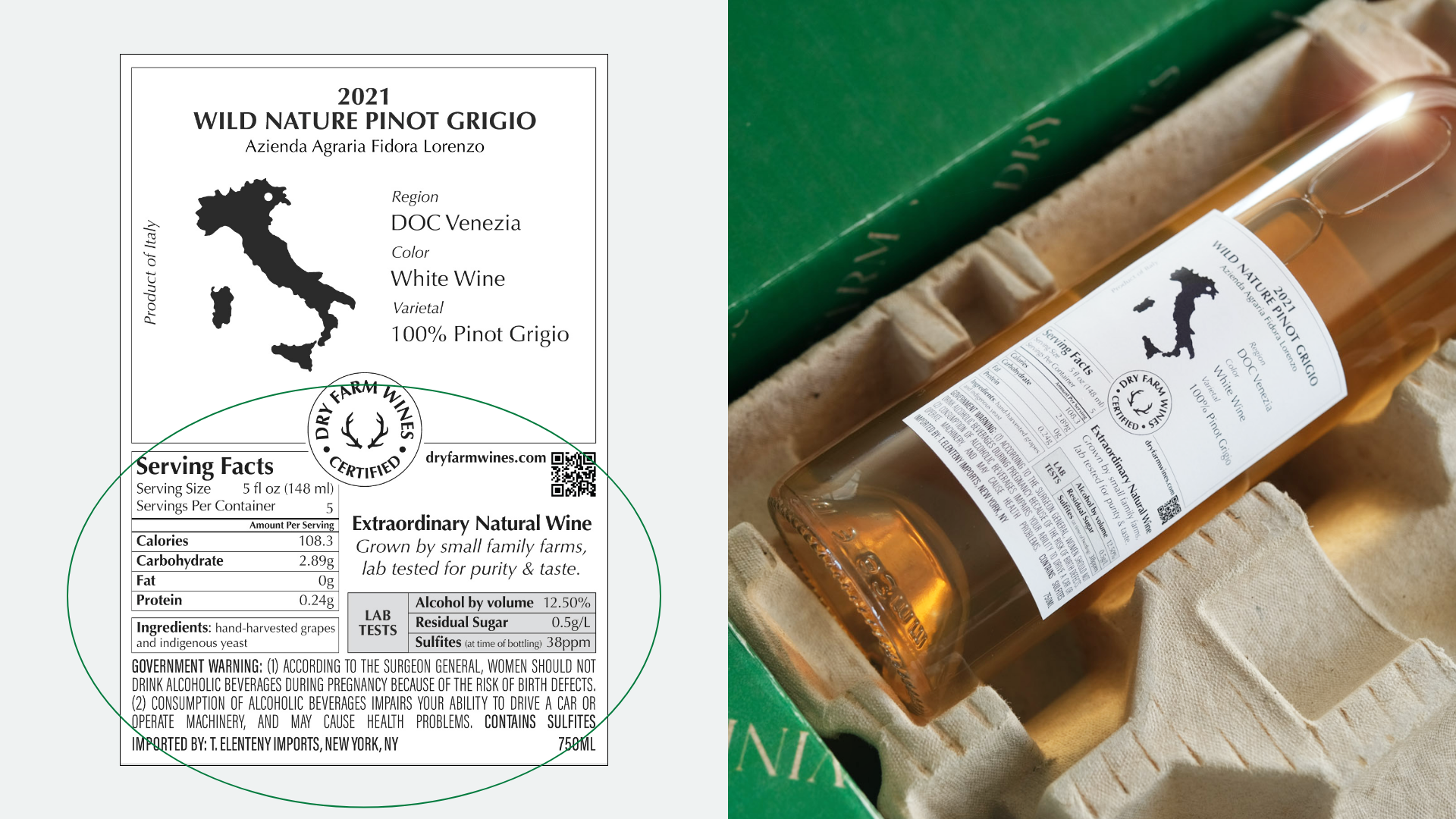
Dry Farm Wines does the homework for you by curating and testing every organic and biodynamic wine for residual sugar content, wild yeasts, additives, and alcohol content between 12.0 to 12.8%. This was a big deal to me. They are also the first ones to start changing the industry being putting transparent labels on their wine:

I feel good supporting the stewards of the land producing superior, life-giving wines without irrigation and chemicals. What they do is a labor of love and passion, and I want to support their hard work.

Enjoying this experience with friends and family in a tradition practiced over thousands of years that – to me – undoubtedly contributes to the longevity effect. 

What About Dry Farm Wines in the US and Canada?

While it is more difficult to find wines in the US, with some detective work, I think we can collectively start to make a list here for local options. However, I have found the cost to be significantly higher than European, dry-farmed, biodynamic wines.

After consulting with a sommelier, most of the vineyards in the Willamette Valley in Oregon are dry-farmed due to receiving over 25 inches of rain each year.  Dry farming is very unlikely in Southern Oregon or Eastern Washington because vineyards only receive between 5 and 15 inches of rain each year.

In general, a large percentage of vineyards in Oregon farm organically but do not go through the certification process. This means those farming organically in the region are less likely to have neighboring farms causing contamination.

British Columbia has a wide variety of organic or biodynamic farms that use natural winemaking techniques; however, I’m trying to get confirmation on which vineyards are entirely dry-farmed. Many use minimal irrigation based on the climate.

Here is a current list:

Willamette Valley, Oregon

Brick House
Cooper Mountain Vineyard 
Lingua Franca
Brooks 
Bergstom 
Soter
*Willamette Valley Vineyards (Whole Cluster Pinot Noir)
*This is the first wine I’ve seen that measures resveratrol on the label

Summerland, British Columbia
Okanagan Crushpad (Free Form & Haywire wines)
Naramata, British Columbia
Okanagan Falls, British Columbia
Kelowna, British Columbia

A Sunday in August (Dry Farmed)

Kaledan, British Columbia
West Kelowna, British Columbia
Cawston, British Columbia
Oliver, British Columbia
 

Do you have any US or Canadian wine recommendations falling under dry-farmed as well as organic, biodynamic, or using natural winemaking techniques? Let us know!

Disclaimer

If you are susceptible to alcoholism and can’t moderate your intake, you are better off completely avoiding alcohol. The dose makes the poison, and excess alcohol does more harm than good. 

Genetic Testing and The Nutrition Genome Report

Genetic Testing and The Nutrition Genome Report

The Beginning of Nutrition Genome

In 2013, I created Nutrition Genome in response to a health scare that my wife experienced. Since it was complex and she wasn’t getting any answers from doctors, I dove in head first to figure it out.

This was when I was introduced to genetic testing, SNPs and how genetic variants help determine vitamin and mineral requirements, higher sensitivities to certain toxins and drugs, and a deeper understanding of mental health and metabolism that I had never seen before.

All of a sudden, this tool allowed me to illuminate and explain exactly what she experienced, and put together a plan of action to make sure it didn’t happen again. I started applying genetic testing when I was seeing clients, and all of a sudden there were numerous medical mysteries that were able to be unraveled.

It was during this time that I was spending eight or more hours per case, cataloging all of the research and building an epigenomic database.

It became clear to me that genetics are not your destiny, they are your blueprint. Genetic knowledge allows us to unlock our weaknesses, but epigenetic research shows us how what we eat, the environment we live in, the exercise we engage in, and the purpose we feel is what determines true gene function.

This database has become The Nutrition Genome Report, a 50+ page genetic analysis with more than 91 genes, with a focus on epigenetic solutions to turn genetic weaknesses into strengths.

What is Nutrigenomics?

Have you ever wondered why one diet works so well for one person, but not for another? Nutrigenomics is the study of how foods affect our genes and how individual genetic differences can affect the way we respond to vitamins, minerals, and compounds in the foods we eat.

The genome is the complete set of DNA, and where you find the instructions to build health. The DNA remains fixed for life, but the epigenome remains flexible. Imagine the epigenome like light switches, turning genes off and on based on your diet, environment, stress, and exercise. 

I created Nutrition Genome and the Genetrition™ software to quickly, efficiently and affordably analyze a huge amount of genetic data and provide more precise and accurate dietary answers for cellular and biochemical dysfunction by discovering the “chinks” in your armor, and how to strengthen them. Nutrition has an “epigenetic” effect on our DNA. In other words, nutrition is one of the major ways we can change the destiny of our genetic health history and reverse disease statistics.

The reason that one diet cannot suit all of us and that population studies are continually contradictory with dietary advice is because we are all different. Our genetic ancestral dietary history and unique biochemistry help us discover how we are different, and what we can do to potentially overcome disease susceptibilities through the understanding of epigenetics by applying it to our diet, lifestyle, and your environment.

How the Nutrition Genome Report Can Help You

Since 2013, the Nutrition Genome Report has evolved into the most comprehensive nutrigenomic analysis on the market, used by individuals, MD’s, NMD’s, DO’s, PA, NP’s and Clinical Nutritionists all over the world.

The Nutrition Genome Blog is a great place to start learning how nutrigenomic testing can change your life and everyone in your family. In case you are not familiar with Weston Price’s book Nutrition and Physical Degeneration, he showed that poor nutrition can alter the genetic expression of healthy populations in just one generation, changing the facial structure, teeth, attractiveness and stature.

We also know that we can make changes that reverse degeneration. If you are pregnant or planning on having kids in the future, the Nutrition Genome Report can give you a personal blueprint to help ensure the most positive gene expression during pregnancy, and throughout all of your lives as the report grows with you.

Here are a few ways the Nutrition Genome Report can help change your life.

1. The Nutrition Genome Podcast with Alex Swanson and Wellness Mama

alex swanson and wellness mama
I was interviewed by Katie Wells from Wellness Mama to discuss the Nutrition Genome Report, and it is a great introduction to the topic, the testing and explaining many genes in the report.

2. Are You a Worrier or a Warrior? The COMT Gene and Stress Performance

Are you a worrier or a warrier?
The COMT gene is one of the most fascinating ways to understand your stress response, optimal work and school environment for success, and “hacks” to optimize your dopamine levels based on your genotype.

3. Is the Keto Diet Right for You? The answer may be in your genes.

is the keto diet right for you

The Ketogenic diet is one of the most popular diets right now, but many people who have tried it have experienced negative results without understanding why. Here we explain why the Keto diet may not be a fit for you, or if you just need to alter the types of fat you are using.

4. Innovative Breast Cancer Prevention Strategies with DNA-Based Nutrition

how to use the nutrition genome report for breast health

Does breast cancer run in your family? Do you want to understand the best ways to personalize your approach? We show you how to use your genetic results to get results.

5. The Best Exercises for Mental Health with Genetic Testing

How Exercise Changes Mental Health Final Diagram

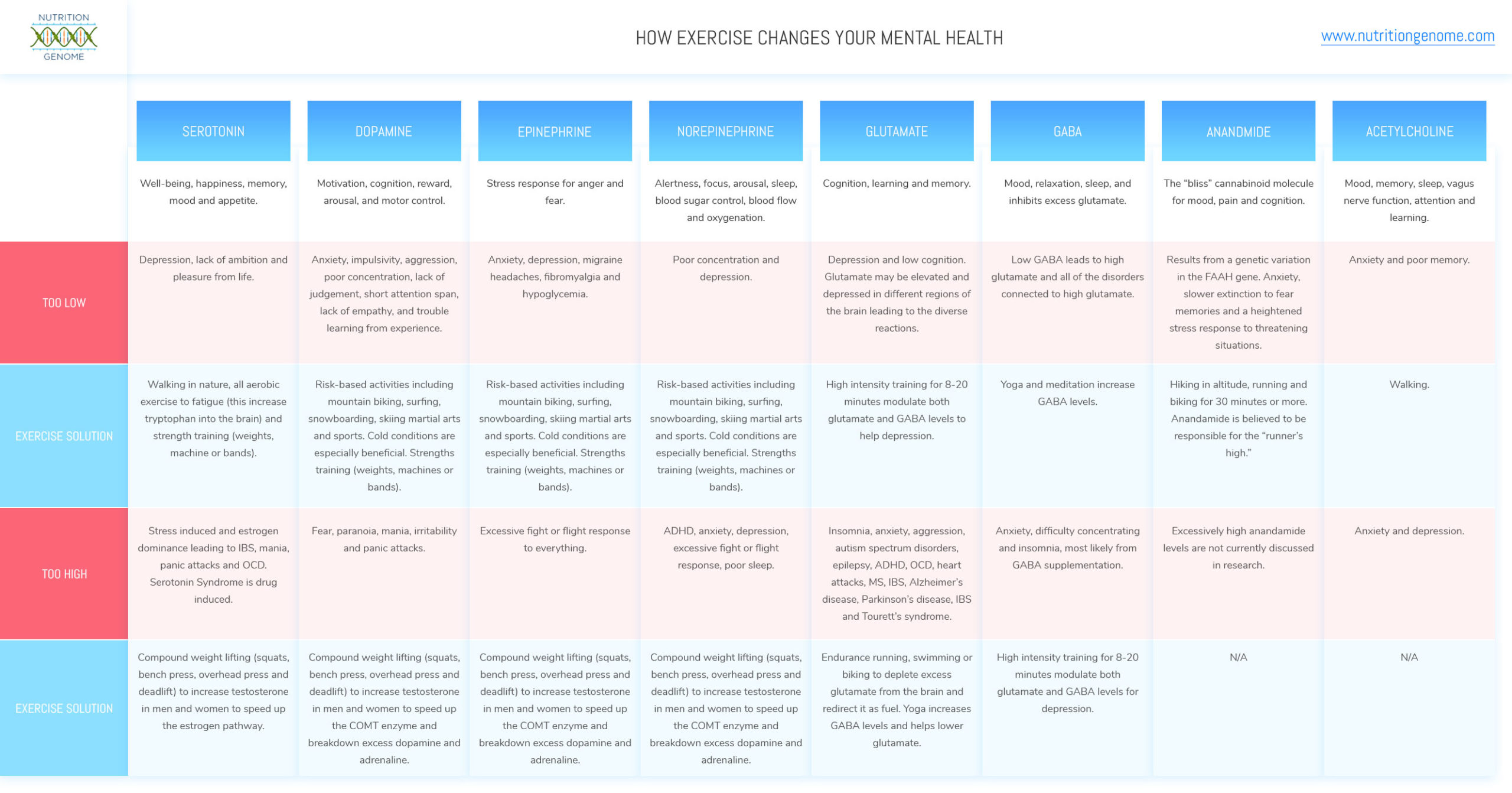
You have probably thought about how different exercises produce certain physical results, but did you know that it also alters your brain chemistry in varied ways? Do you suffer from anxiety, depression, chronic stress, ADHD or a racing mind at night? To my knowledge, this is the most comprehensive analysis that has been done on how each type of exercise affects mental health. We show you how you may be genetically prone to these mental states, but also how you can manipulate the neurotransmitters in your favor in powerful ways with exercise.


Did We Peak Your Interest? Learn More!

To find out how to get your Nutrition Genome Report, click here.