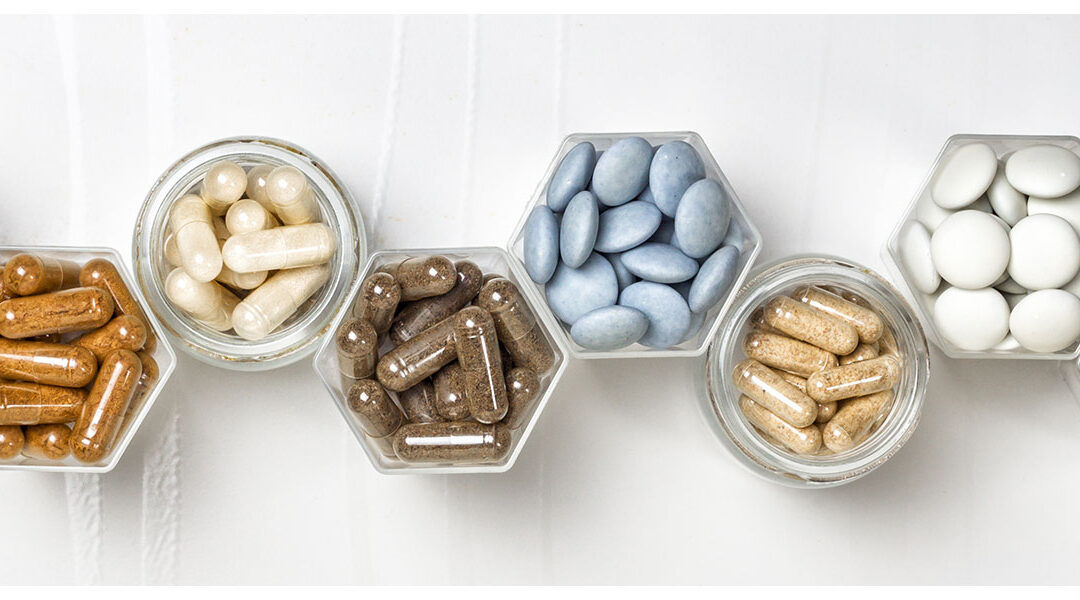
The Best Calcium, Magnesium, Vitamin D and K2 Supplements

The Best Calcium, Magnesium, Vitamin D and K2 Supplements

How Much Calcium and Magnesium Should You Take?

There appears to be a lot of conflicting information regarding the optimal amounts of calcium, vitamin D and magnesium. Recommendations for calcium intake varies across the world, with the United States having one of the highest recommendations and yet also one of the highest rates of osteoporosis and fractures.

The biggest demands for calcium and magnesium will be seen in growing children, post-menopasal women and athletes. The athlete’s demand is going to range based on individual (sweat loss, diet, and stress) and environmental aspects (extreme heat and cold).

Calcium supplementation recently got a scare because one study that came out showed that excess calcium supplementation led to calcification of the arteries, while another one came out saying “no it doesn’t.”

This is standard in the research world and one should never take the results of a supplement study with more than a grain of salt. It’s much more accurate to look at populations as a whole and look at the statistics.

Calcium is notoriously hard to absorb (75% for children, only 30% for adults and only 30% from dairy), making any other factors affecting absorption especially problematic.

A similar scene appeared in the early 1900’s when more than 80 percent of children in industrialized Europe and North America had rickets. It was during this time that the exposure to sunlight, cod liver oil and vitamin D fortification treated the problem. Interesting enough, this was the time when the diet was changing towards white flour, sugar, and processed foods and the connection between diet and disease was becoming clear.

The current recommendation is a roughly 2:1 ratio of calcium to magnesium, usually 1000mg of calcium and 400-500mg of magnesium in the U.S. Bones and teeth contain 99 percent of the body’s calcium, while roughly 55-60 percent of magnesium is in bone with 20-25% in soft tissues.

Studies of pre-agricultural diets actually show a 1:1 ratio of calcium to magnesium, and I would argue that this is the correct amount with an optimal diet and outdoor lifestyle. The theory that dairy is needed for healthy bones is nonsense, evident by the teeth and bones from the hunter gathers being in much better shape than their agricultural counterparts.

Highest Dairy = Highest Rates of Osteoporosis

Current statistics have shown that countries with the highest dairy consumption including Finland, Sweden, England and U.S. also have the highest rates of fractures and osteoporosis and are most likely the most vitamin D deficient.

The highest incidence of osteoporotic fractures is found in northern Europe, where dietary intake of vitamin A (retinol) is unusually high. A Swedish study found that the higher rates of vitamin A may be linked to osteoporosis.

A proposed reason was a high intake of cod liver oil and dairy products. But if you read the study, you see that margarine is fortified with vitamins A and D in many countries, but Sweden is the only European country that fortifies low-fat milk products with vitamin A.

Fortified milk in Sweden contains 0.45 mg of retinol per liter, almost twice the level found in normal, 3% fat milk. Vitamin A deficiency results in poor bone growth, but the most prominent features of excessive A are accelerated bone resorption, bone fragility, and spontaneous fracture.

Bone health is dependent on estrogen status in women, vitamin D levels, magnesium, calcium, boron, inositol, silicon, and K2. In post-menopausal women, estrogen levels that become too low drastically affect bone density. Vitamin D absorption and utilization goes down after age 50 and supplementation may be necessary based on your sun exposure.

Research shows that the estrogenic qualities of hops in beer promote bone density in post-menopausal women. This shows that phytoestrogen-rich food may help promote bone density by enhancing estrogen activity.

Rewinding 10,000 Years Before Dairy

Fish with bones, sea vegetables, wild greens, dark green vegetables, bone broths and days in the sun provided plenty of bone-building materials for the hunter-gatherers. In fact, rickets showed up in the Neolithic age from a deficiency of vitamin D and impaired calcium metabolism despite the introduction of dairy into the diet.

We now know that bones require much more than calcium, magnesium, and vitamin D. They also require vitamin C, boron, inositol, silicon, K1 and K2

This isn’t to say that healthy bones and teeth haven’t been found in societies with grains and dairy. Books written about the various indigenous people that Weston Price studied were sturdy with perfectly straight, cavity-free teeth and consumed both. But its introduction does not prove a cause and effect with better bone health.

So what happened? My theory is that the people of the Neolithic age consumed unleavened bread and porridge without fermentation, creating a high phytic acid diet that blocked absorption of calcium, magnesium, and other minerals. More work moved indoors creating less sun exposure for vitamin D and grains took the place of calcium and vitamin D rich foods.

How Grains Almost Ruined Our Future Skeleton

According to the book Neolithic by Susan Foster McCarter:

Like most people, you may have always assumed that hunter-gatherers were usually hungry, tired and sick; and that things were much better once people began producing their food and living in permanent villages. In fact, the opposite is true: hunter-gatherers were extremely healthy and Neolithic farmers were not. Paleopathologists tell us that foragers had excellent teeth, they were rarely malnourished, they were taller than most people today, and they didn’t suffer from endemic or epidemic diseases.

We know this because the evidence is in the skeletal remains. The skeletons of the early Neolithic farmers show scurvy (vitamin C deficiencies), rickets (vitamin D deficiencies), poor dental health, bone infections and a stature roughly 6 inches shorter than the hunter-gatherers. So despite an abundance of food, people were often hungry and malnourished. Why? Because the diet shifted to a grain based diet of porridge and unleavened bread.

A diet that is very acidic (high in unleavened grains, hard cheeses, high sodium processed food, legumes, and grain-fed meat) without the presence of fruits and vegetables causes a net acid load and forces the bones to release calcium to buffer the acids. The sodium/potassium ratio is also what leads to a lot of health disorders.

As you can see, there is a delicate balancing act being played with calcium, and flooding the body with one mineral does not show a thorough understanding of its role. The absorption rate of calcium is kept small by foods and our body, albeit as a protective mechanism. I believe the evidence points towards a lopsided dose of calcium doing more harm than good, and that in fact it is our vitamin D status, K2, magnesium and trace mineral consumption that facilitates calcium reaching its proper destination.

Someone Forgot to Open a History Book on Nutrition

Later in the 20th century, the government created the food pyramid. They proclaimed that everyone should consume 6-11 servings of grains a day. This turned into cold cereal for breakfast, sandwich for lunch, crackers for a snack, pasta for dinner and cookies for dessert.

Foods that contained saturated fat and cholesterol including liver, beef, eggs, cheese, cream and butter were shunned, and instead, lean meat, fortified juice, cereal, skim milk and hydrogenated fats like margarine were recommended instead.

There are many problems here; the one related to this article is that they shunned foods rich in vitamin D, not to mention all the other fat-soluble vitamins including vitamin K2. Somehow we came full circle back to the Neolithic age with even worse additions! Either no one involved in the food pyramid had any anthropological and dietary knowledge, food corporations gained lobbying control, or it appeared to be the only way to feed an exploding population.

Nutrient dense food was considered blasphemy, sugar, and vegetable oils were considered Godly, while the education of how to prepare grains to make them suitable for consumption was ignored in favor of fast production. Bravo (insert slow dramatic golf clap here).

Vitamin/Mineral Ratios Based on Healthy Cultures

In the book Nutrition and Physical Degeneration, Dr. Weston A. Price gathered some very interesting data on nutritional profiles from healthy, indigenous cultures from around the world. He was particularly interested in A, D, calcium, phosphorus, iron, magnesium, copper and iodine. Finding this data gave me some incredible insight into understanding possible optimal ratios. Each one listed is the amount multiplied by the western diet.

He found that indigenous cultures had 10x the amount of vitamins A and D in their diet compared to industrialized societies and were virtually free of disease. He also found that these people became riddled with health issues in only one generation when switching to a western diet. But there was something else present in these indigenous diets; something called the “x factor” which would later be discovered as vitamin K2 and is now becoming a star in the research world for its role in calcium metabolism.

1. Native Eskimos: 5.4x calcium, 1.5x iron, 7.9x magnesium, 1.8x copper, 49x iodine, 10x vitamin A, 10x vitamin D

2. Indians of Northern Canada: 5.8x calcium, 5.8x phosphorus, 2.7x iron, 4.3x magnesium, 1.5x copper, 8.8x iodine,10x vitamin A, 10x vitamin D

3. High Mountain Swiss: 3.7x Calcium, 2.2x phosphorus, 2.5x magnesium, 3.1x iron, 10x vitamin A, 10x vitamin D

4. Gaelics in the Outer Hebrides: 2.1x calcium, 2.3x phosphorus, 1.3x magnesium, 1x iron, 10x vitamin A, 10x vitamin D

5. Aborigines of Austrailia: 4.6x calcium, 6.2x phosphorus, 17x magnesium, 50.6x iron, 10x vitamin A, 10x vitamin D

6. New Zealand Maori: 6.2x calcium, 6.9 phosphorus, 23.4x magnesium, 58.3x iron, 10x vitamin A, 10x vitamin D

7. Polynesians: 5.6x calcium, 7.2x phosphorus, 28.5x magnesium, 22.4x iron, 10x vitamin A, 10x vitamin D

8. Coastal Indians of Peru: 6.6x calcium, 5.5x phosphorus, 13.6x magnesium, 5.1x for iron, 10x vitamin A, 10x vitamin D

9. Indians of the Andean Mountains of Peru: 5x calcium, 5.5x phosphorus, 13.3x magnesium, 29.3x iron, 10x vitamin A, 10x vitamin D

10. Cattle Tribes of Africa: 7.5x calcium, 8.2x phosphorus, 19.1x magnesium, 16.6x iron, 10x vitamin A, 10x vitamin D

11. Agricultural Tribes of Central Africa: 3.5x calcium, 4.1x phosphorus, 5.4x magnesium, 16.6x iron, vitamin A 10x, 10x vitamin D

“All of the above primitive diets also provided a large increase in water-soluble vitamins (B-complex, vitamin C) over the number provided in the displacing modern diets.” – Dr. Price

Summary of the Traditional Diets

What can we extrapolate from this sample of diets from around the world? The calcium levels remain fairly constant but higher than our intake, while the magnesium levels can fluctuate dramatically higher or slightly below calcium.

You won’t see one example with 2:1 ratio of calcium to magnesium as the majority of calcium/magnesium supplements often provide, and magnesium in multivitamins is barely present.

What Blocks Calcium Absorption?

There are other elements that block calcium absorption, like oxalic acid-rich foods including beets, rhubarb, celery, swiss chard, spinach, eggplant, greens, okra, squash, currants, strawberries, blackberries, blueberries, gooseberries, pecans, peanuts, tea and cocoa.

Interesting enough, some of these are high in magnesium, illuminating the importance in balancing calcium status. Too much calcium affects the absorption of magnesium, while higher amounts of magnesium increase the absorption of calcium.

Calcium loss can be a problem with excessive sweat, poor dietary intake and female athletes that are not menstruating. This is a problem not only for muscle contraction but also for fracture risk.

While studies have found that protein promotes urinary calcium loss, other studies have found that protein actually increases calcium absorption and decreases calcium secretion in the gastrointestinal tract to cause no change in total body calcium.1 Many of these protein foods are also high in phosphorus, which decreases calcium excretion.

Fermentation in the large intestine also plays a role and may release calcium that has bound to fermentable fibers like pectin (apples), with up to 10% of calcium being absorbed by the colon. Another reason to drink and eat fermented foods and avoid antibiotics when possible.

How Does Coffee and Alcohol Affect Calcium and Bone Health?

Caffeine in coffee pulls calcium from the bones, weakening the bone matrix and making it more prone to fractures. Caffeine also stimulates the adrenal glands to release cortisol, which can affect muscle tone, decrease bone formation and increase bone breakdown. Over 4 cups of coffee per day can affect bone health in certain individuals.

Our diet has also become very low in magnesium, due to losses in top soil from poor agricultural practices and low in water due to heavy treatment. Magnesium is a natural calcium channel blocker and needs to be in a 1:1 ratio or higher to ensure proper placement of calcium.

With just 2-3 ounces of alcohol per day, the stomach does not absorb calcium and vitamin D adequately due to interference with the pancreas. Alcohol also decreases estrogen, which is already decreasing in post-menopausal women and leads to bone loss. Hops in beer, however, help retain bone densit due to being estrogenic. This makes beer, especially IPA’s, an interesting addition for bone health in women.

The Disappearance of Magnesium and the High Need for Athletes

We have established the importance of vitamin D and K2 in the diet as major players of calcium metabolism. Now let’s look at magnesium. It is believed up to 80% are magnesium deficient in the United States. It is responsible for over 300 chemical reactions including muscle relaxation and preventing cramps.

Magnesium raises testosterone levels, helps build muscle, decreases inflammation and maximizes protein synthesis, making this mineral one of the most important for athletes.

As an athlete, when adrenaline and cortisol are pumping during your sport or heavy training, this stress response is strongly correlated with decreased magnesium. Since magnesium is an integral part of nerve conduction and electrolyte balance, low levels can increase anxiety, depression, and sleep disturbances.

Muscle cramps are often a sign of magnesium deficiencies, especially in the calves at night. If you are female and crave chocolate (especially during that time of the month) one of the reasons is – besides being delicious and like a giant hug – that it’s high in magnesium.

One of the reasons magnesium is so low in soils is that when you grow food in the same plot over and over again, the soil gets exhausted and the minerals are gone. Eventually, nothing will grow and you will be left with dust. Farmers adapted to this and found that rotating crops and replenishing the soil with compost helped put in more nutrients than was taken out. This became the basis for organic agriculture.

Chemical agriculture took a different approach and decided they could keep plants growing with synthetic NPK (nitrogen, phosphorus, and potassium) while neglecting all of the trace minerals like magnesium and the microorganisms. Since the plants became susceptible to disease easily due to these deficiencies, chemical agriculture’s solution was to spray the plants with neurotoxins known as pesticides.

Combine the lack of magnesium in the soil with processed foods, a high-grain diet, stress, sweat, alcohol and caffeine and presto! You have a deficiency.

*If you are female and crave chocolate (especially during that time of the month) one of the reasons is – besides being delicious and like a giant hug – that it’s high in magnesium and boosts serotonin.

The Health Beat’s Dosage Recommendation

According to the Physician’s Committee for Responsible Medicine, “increases in dairy or total dietary calcium intake (above 400 to 500 mg per day) are not correlated with – or a predictor of – bone mineral density or fracture rate in children or young adults.”

That would make 400-500 of both calcium and magnesium the target for many people. Dr. Carolyn Dean, author of The Magnesium Miracle, claims 6-8mg per kilogram of body weight. 

It is my stance that a 1:1 ratio of calcium to magnesium is most likely optimal, with higher levels of magnesium possibly being even better.

  • 400-600mg of calcium and magnesium
  • 35-50 ng/ml of vitamin D (Sun and 500-5000IU depending on your level)
  • K2 from the diet or supplementation (requirements range)
  • Boron and silica from mineral water and diet
  • Phytoestrogens (flax seeds, fermented soy, lentils, hops) for post-menopausal women

The Best Calcium, Magnesium, Vitamin D and Vitamin K2 Supplements

1. Naturelo Plant-Based Bone Strength

Cost: $24.95 for 30 servings

Naturelo uses a blend of calcium, magnesium, vitamin D, K2 (MK-7), boron, silica, vitamin C, manganese, zinc, and potassium. This is an excellent formula if you want to get everything in one product for bone health. I do recommend supplementing with extra magnesium to balance the calcium to magnesium ratio. See #2.

For calcium, a natural option is to use Gerolsteiner Mineral Water, to get 345mg calcium, 100mg magnesium, boron, silica, and bicarbonate.

The Oslo Health Study found that alkali buffers, whether bicarbonate (in Gerolsteiner), vegetables, or fruits, can reverse urinary calcium loss. The advantage of doing it this way is that you get the benefits of all of the other minerals that work in concert together from both the water and diet, especially if you have a high protein diet or drink lots of coffee.

If you are interested in other electrolyte drinks, check out the article Best and Worst Electrolyte Drinks.

2. Pure Encapsulations Calcium and Magnesium 1:1

If you are taking a multivitamin and you only need to add more calcium and magnesium, this is a great choice.

3. Nordic Naturals Vitamin D Vegan

If you need extra vitamin D, these are excellent drops.

4. Innovix Labs Full Spectrum Vitamin K2

A good formula has both MK-4 and MK-7. All MK-4 is a bioidentical molecule, while MK-7 can be found as both bioidentical (trans) and non-bioidentical (cis). This formula uses the correct, bioidentical formula of MK-7. If you are attempting to approach vitamin K2 specific issues, you will likely need more than what is found in Naturelo’s Bone Strength.

Sources
1. Advanced Nutrition and Human Metabolism 5th addition.
Nutrition for Infant and Child Brain Development

Nutrition for Infant and Child Brain Development

Getting a Good Start

Neurological development and nutrition go hand-in-hand. The nutrients a child takes into their body will have a profound effect on the way their brain works and how successful they are both in the professional world and in personal relationships.

We have learned that infancy and toddlerhood are especially important times for brain development. That’s why many baby foods and formulas are fortified with extra nutrition.

It’s not just the first couple of years that matter, though. Healthy breakfasts and snacks when the children are in school can impact their ability to focus and get good grades. If they play sports, their diet will affect their physical and psychological performance during games. Literally every aspect of a kid’s life will relate to their diet in some way.

We know that parents are doing their best to feed their kids a well-rounded nutritious diet that meets all of their needs. The problem is that the Standard American Diet (SAD) has been shown to fall short, and the RDA is designed for an entire population and does not take into account unique genetic requirements.  

This inability to get proper nutrition naturally has led to many parents looking at supplements as a way to bridge the gap. For many children and parents, this can make it easier to ensure children are getting the right amount and form of nutrients so they can meet their full potential. 

Brain Development in Small Children

Brain development in small children is happening at warp speed. We’ve all heard that kids are like little sponges, absorbing everything around them. Neuroscience research has found that description is spot on. Here is a list of facts that may surprise you.

  • A fetus grows about 250,000 neurons per minute during gestation.
  • When a baby is born, that rapid growth will have resulted in more than 100 billion neurons in their brain. This is actually close to the number of stars in the Milky Way. 
  • Connecting the neurons to one another are 50 trillion neural connections. These critical connections, called synapses, are the foundation of the child’s brain. 
  • By age 3, a toddler’s brain will form more than 1,000 trillion synapses. That is twice as much as an adult. Synaptic pruning decreases that number as we age.
  • A child’s brain will shed the neural connections it doesn’t use often enough through the process mentioned above, synaptic pruning. It allows the brain to tidy up, sort of like spring cleaning but on a massive scale. 
  • Synaptic pruning continues throughout childhood and even into a person’s twenties
  • Shortages of proper nutrients can have an irreversible impact on a child’s motor and cognitive development. 
  • An incomplete diet can impede critical neural connections.

Proper Nutrition for Brain Development 

The science community is unanimously beginning to understand how nutrition affects a child’s developing brain. The first 1,000 days of life are especially critical. During this time, children’s brains are changing rapidly. Every interaction they experience forms a vital synaptic connection and helps shape the child into the person they’ll become later in life. 

Children’s brains don’t stop growing after that first stage. Researchers now know the first 10 years of life are when peak brain growth occurs. During this time it is absolutely imperative parents provide their children with “brain food.” Certain nutrients will aid the body in doing different tasks. Without those, the brain and body can’t do their jobs. That failure can impact them for the rest of their lives. 

Impact of Malnutrition 

A healthy diet is important for people of all ages, but it’s especially critical for children. Nutrient deficiencies can cause permanent damage to a child’s brain development. For example, scientists have found an iron deficiency in babies and small children lead to lower scores on cognitive function tests. It can also cause infants to have poor developmental ratings. 

Additionally, studies have found that poor nutrition leads to children with poor academic performance and behavioral issues. One such study, the Barbados Nutrition Study, that took place in St. Michael, Barbados, followed people for 45 years who were severely malnourished as infants. 

The lack of nutrition led to low IQ scores, often in the intellectual disability range. The participants who experienced poor nutrition had depressed academic skills. 

Parents can avoid those outcomes by ensuring kids get the nutrients they need for optimal brain development. An easy way to do that is by introducing supplements to their diets. 

Nutrients Necessary For Kids’ Brain Development

The brain tissue of children, below 10 years of age, uses glucose at twice the rate of the same amount of adult brain. Due to the elevated activity of the brain, micronutrients acting as co-enzymes are even more critical.

Low glycemic index foods seem to improve attention, memory, and functional capacity, while sugar and refined carbohydrates are associated with difficulty in concentration and attention.

Vitamins B1, B6, B12, B9 (folate), and D, choline, iron, and iodine exert neuroprotective effects and improve intellectual performance. Vitamin B12 plays a role in cognitive development, neurotransmitter synthesis, and the metabolism of the fatty acids needed to produce myelin, the sheath of neurons. A deficiency in B12 can result in brain damage and atrophy, making meat, eggs, fish, and/or dairy important staples.

Antioxidants (beta-carotene, vitamins C, E, zinc, selenium, lutein and zeaxanthin) have a very important role in the defense against oxidative stress associated with mental deterioration and in the improvement of cognition.

The following nutrients may often fall short, depending on the diet.

Iron and Zinc

As mentioned above, iron is essential for kids’ brain development. Yet, a deficiency of this iron and zinc are common across the world. Studies show that micronutrient deficiencies can cause children to have trouble learning and remembering new things. They could have trouble concentrating, which then leads to poor grades. 

Dr. Michael K. Georgieff, a Minnesota pediatrician whose focus is neonatal and fetal nutrition, also found that iron deficiency can result in substandard school performance.

If a child isn’t getting enough iron long-term, they could develop anemia, which can lead to changes in mood, irritability, and physical weakness.

Iron and zinc are often packaged together in food, including heme iron and zinc in red meat, shellfish, liver and eggs, and non-heme iron in spinach, lentils, and broccoli.

Iodine

Nearly 19 million babies born globally every year are at risk of permanent yet preventable brain damage and reduced cognitive function due to a lack of iodine in the earliest years of life. Insufficient iodine during pregnancy and infancy results in neurological and psychological deficits, reducing a child’s IQ by 8 to 10 points.

Iodine is found mainly in seafood, sea vegetables, iodized salt and dairy.

Omega-3 Fatty Acids

Omega-3 fatty acids are critical for brain development. They’re so important that they’re often referred to as building blocks. Two of the omega 3s, DHA and EPA, are especially important and infant formula is often fortified with these two fatty acids. Fatty fish is one of the most efficient ways to get the omega-3’s a child’s brain needs.

Genetics help determines omega-3 requirements, including a gene that alters the conversion of ALA to EPA and DHA from plant-based omega-3 like flaxseeds and walnuts. Analyzing these genes in the Nutrition Genome Report can help determine higher or lower needs of omega-3 fatty acids. 

Studies show a diet low in omega-3’s can lead to deficits in the development of nerve cells in the brain. Other studies indicate a child who’s been diagnosed with attention deficit hyperactivity disorder (ADHD) may feel a decrease in symptoms from the disorder.

According to a paper published in the Journal of Lipids, at least 16 trials have taken place to study the relationship between ADHD and omega-3’s. Thirteen showed improvements in impulsivity, visual learning, hyperactivity, and short-term memory. 

Choline

Choline has emerged as a nutrient that has been neglected for too long. In our Best Prenatal Vitamins article, we highlight choline as one of the most important nutrients needed for a healthy pregnancy and fetal brain development.

Choline is involved in a number of functions in the body and studies have also found its a key nutrient in the normal development of the memory, lowering anxiety and protecting the nerves. Variants in the PEMT gene increase the need for dietary choline. 

This critical brain food is highest in eggs, organ meats, chicken thighs, and beef chuck. Increasing foods high in betaine like beets, spinach, sourdough rye, quinoa, and barley also lower the requirements for choline.  

Uridine 

Remember when we discussed the formation of neural connections? Uridine, in combination with DHA and choline, accelerate the formation of synaptic membranes, an important component of brain development. Uridine is produced by the body and found in certain foods. When dietary uridine is consumed, it crosses the blood-brain barrier and enters neurons. 

According to a paper in the peer-reviewed journal Nutrients, it’s hard to get uridine by diet alone once a child stops breastfeeding or drinking formula. Parents can incorporate uridine into their child’s diet by feeding them broccoli, liver, tomatoes, and walnuts.

Researchers have been exploring uridine supplementation in combination with omega-3’s for anxiety and depression. For adults, it is also found in Cordyceps militaris, and yeast in beer is also an excellent source of uridine. Choose unfiltered beers from our list here

Vitamin C

Vitamin C is a powerful antioxidant that boosts glutathione, fights against inflammation, and protects the brain throughout life. It is important in the formation of neurotransmitters, including the modulation of dopamine. 

Vitamin C is depleted by pollution, chronic stress, numerous health disorders, excess sugar, and refined carbohydrates in the diet. If a child has poor eating habits high in sugar and refined carbohydrates and a low vitamin C intake, mental health may be dramatically affected.

Early exposure to a variety of foods and developing a taste of fruits and vegetables is key. One of the most effective ways is to grow a garden and involve your child in the growing and harvesting. I’ve yet to see a child not be excited about eating food from a garden.

Trans-Resveratrol

Transresveratrol is found in grapes, blueberries, blackberries, and peanuts and has anti-inflammatory properties. According to studies, chronic inflammation can have a profoundly negative impact on the neurological development of children. In fact, inflammation along with infections and nutritional deficiencies are “major contributors to impaired child neurodevelopment” in the early childhood years. Those with the APOE-e4 allele may be especially sensitive to oxidative stress. 

In a randomized, double-blind trial, a solution containing resveratrol plus carboxymethyl-β-glucan was found to be effective in infants with respiratory tract infections.

In children with asthma, a blend of curcumin, resveratrol, soy phospholipids, zinc, selenium, and vitamin D, may be associated with reduced airway inflammation by influencing nitric oxide.

In a double-blind placebo-controlled randomized trial, researchers found that resveratrol could be a promising adjunct for hyperactivity/non-compliance of Autism Spectrum Disorder patients.

Supplementing a Child’s Diet

A great way to bridge the gap between a child’s diet and the nutrients they need for healthy brain development is by introducing targeted supplements. My philosophy is always food first and supplement the gaps. This is just a reality of modern living and less than optimal agricultural options.

Please see our article The Best Children’s Multivitamins for multivitamin recommendations.

One company that I have spoken with over many years now is Cover Three. They got my attention with a product that was designed to support brain health for concussions. Not only was this product well designed, but I couldn’t believe how good it tasted with such clean ingredients.

They have also created a delicious supplement for children called Kids Brain Boost. The creamy smoothie is doctor-formulated and targets the gaps for helping support a healthy brain. Use the coupon code thehealthbeat for 10% off! 

Nutrition is the Major Building Block 

Whether or not a child is getting all of the nutrients they need will impact their health, success, and happiness in the long term. The first ten years of their lives are especially important, and the habits developed will serve a lifetime. These early childhood habits also go beyond their own health, potentially have an epigenetic effect on the next four to five generations. 


How to Increase Testosterone Naturally: Why You Don’t Need Steroids

How to Increase Testosterone Naturally: Why You Don’t Need Steroids

The sports world has been riddled with the use of performance enhancing drugs. These can be anabolic steroids, HGH, artificial stimulants, or blood boosters. We have seen steroids rock the baseball world over and over again and blood doping shattered the cycling world.

Although more under the radar, it is pervasive in high school sports. It’s hard for athletes to feel like they are playing on a level playing field when guys are injecting steroids and look like bodybuilders.

The truth is using these drugs are completely unnecessary. You could spare the disgrace of getting caught and dealing with the harsh side effects and instead spend a little time with a biochemistry book.

The Benefits of Testosterone

Testosterone promotes lean body mass, decreases recovery time and gives a psychological edge of confidence, concentration, cognitive function and determination. Low testosterone leads to obesity, loss of muscle, weak bones, and depression, but also increases the odds of heart disease, diabetes, Alzheimer’s and other major health problems.

It’s at its peak throughout puberty and continues to serve you well until around 40. However, levels are changing dramatically in every age bracket, making it especially important to understand what keeps testosterone from dropping.

Researchers have been reporting that testosterone levels are getting lower with each generation. Studies are showing substantial drops unrelated to age, showing a drop of 1 percent per year.

This means a 65-year-old man in 2002 would have testosterone levels 15 percent lower than those of a 65-year-old in 1987 and a proportion of men in 2002 would have had below-normal testosterone levels than in 1987. A Finnish study found that a man born in 1970 had 20 percent less testosterone at age 35 than his father’s generation at the same age.

Why are Men Losing Testosterone?

While it may appear clear on how to increase testosterone, there is much speculation at the moment as to the exact reasons why men have lower testosterone levels. It seems fairly clear that it is a combination of xenoestrogens (chemical agriculture, cologne, plastic water bottles, face and body washes, creams) environmental pollutants, medications, sedentary lifestyle and a low-fat, high grain/sugar diet that is contributing to this problem.

In a study highlighted in Scientific American, exposure to dioxin and BPA in a pregnant female rat lead to low testosterone levels in four generations of mice.

Chemical agriculture was introduced in the early 1900’s, and use has been compounding since then along with our disease rates. When we look at study from Brazil – who have also embraced genetically modified crops and therefore heavy pesticide and herbicide use – we find that these chemicals lower testosterone and increase estrogen.

Another study found that that high spikes in blood sugar was enough to drop testosterone levels by as much as 25% in a random grouping of healthy, prediabetic, and diabetic men.

Here we find the fallacy of loading up on refined grain carbohydrates and sugary sports drinks; these are making you weaker not stronger. Oxidative stress from exercise, fluoridated water and pollutants also tax testosterone, making dietary antioxidants and adaptogens very important.

Cholesterol: The Building Blocks of Anabolic Testosterone and Catabolic Cortisol

For a long time, the medical community pushed the avoidance of cholesterol-rich food like eggs, meat (muscle and organs) and whole fat dairy due to the fear of high cholesterol levels. Then it became clear that dietary cholesterol has very little to do with overall cholesterol levels, and actually is extremely important to consume.

Meat, egg yolks, liver, heart and dairy products contain significant amounts of dietary cholesterol. In the body, this serves as an essential component of cell membranes, especially nerve tissues. In fact, cholesterol is a precursor to vitamin D, testosterone, estrogen and adrenaline. The rate-limiting step in testosterone production is the conversion of cholesterol to pregnenolone.

What happens if cholesterol is too low, and testosterone and vitamin D is too low? You get one depressed, weak and anxious individual. Let that sink in for a moment as you contemplate cholesterol-lowering drugs and the push for low cholesterol levels.

Here is the conversion: testosterone conversion What else can you see from this conversion chart? Cortisol (the stress hormone that wreaks havoc on your muscle) competes for building material (cholesterol) with testosterone.

The adrenal gland rests on top of the kidneys and is composed of layers. On the outer layer, you have the mineral corticoids which control your electrolyte balance. If you are not refueling with electrolytes, your body goes into the next later of corticosteroids that control sugar and generates stress hormones.

Overtraining, mental stress, and emotional stress will lead to the third layer where you generate growth hormones and sex steroids. This is when you increase cortisol levels, robbing you blind of muscle, confidence and mental clarity; disrupting your ability to increase testosterone.

The feedback mechanism called the hypothalamic-pituitary-adrenal axis or HPA axis controls reactions to stress, regulates digestion (stress causes indigestion), immunity, mood, emotions, sex drive, glycogen storage, and calorie expenditure. This is why I recommend using Cordyceps, which have been found to balance the HPA axis and help you adapt to stress and prevent the catabolic effects.
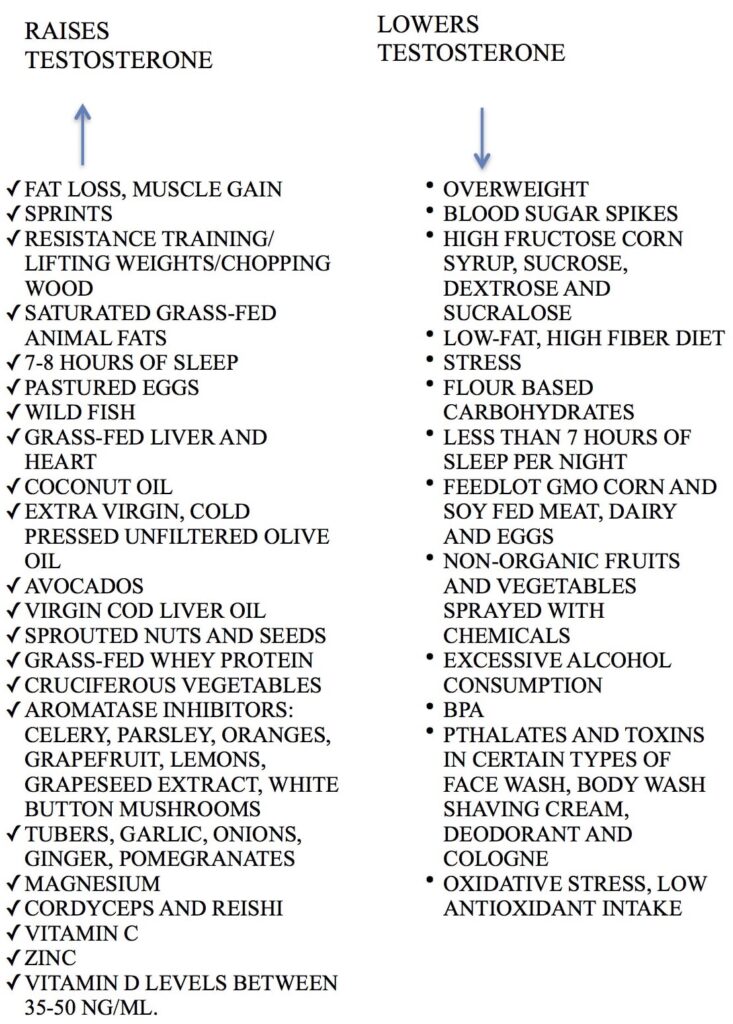
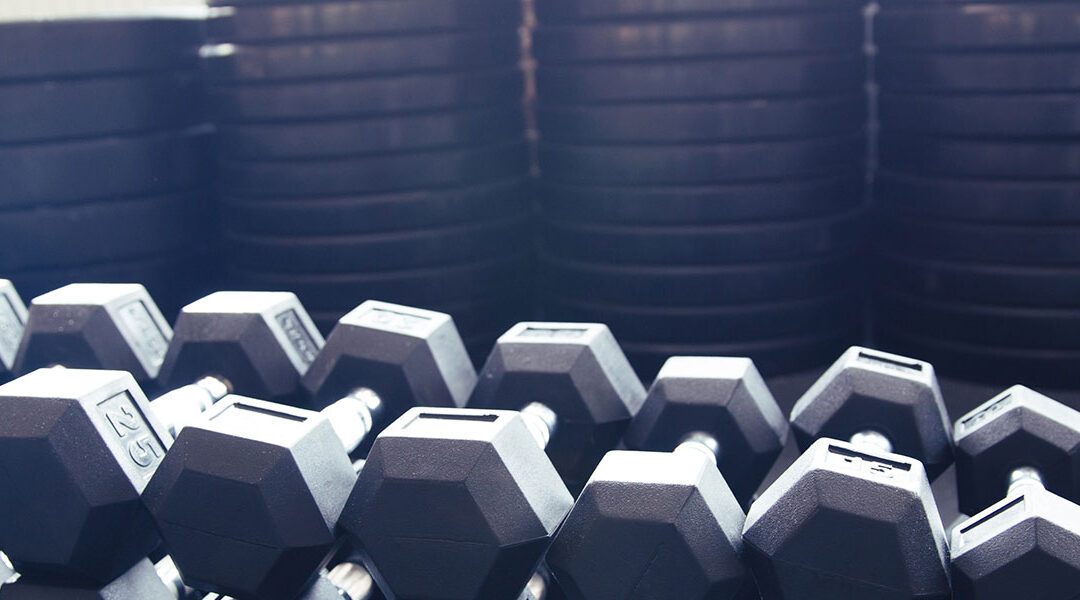

Especially for athletes, overtraining can be a chronic issue. It can be very hard to convince someone that taking a day off can sometimes be more productive than training. Overtraining will lead to excess cortisol, lowering testosterone, impairing the long-term performance, increasing muscle loss and decreasing mental function. Nothing will deplete your body and take your hard-earned muscle and strength faster than cortisol.

Eat More Fat, Get More Testosterone

A study published in the International Journal of Sports Medicine revealed that strength athletes who consumed the most fat also had the highest testosterone levels, however, excessive protein also compromised the anabolic response.

study from the Journal of Clinical Endocrinology & Metabolism reported that a low-fat, high-fiber diet reduced testosterone levels in middle-aged men.

Men whose testosterone levels were slightly above average were 45% less likely to have high blood pressure, 72% less likely to have experienced a heart attack and 75% less likely to be obese than men whose levels were slightly below average. The optimal level appears to be in the 550-900 ng/dl range to reduce risk according to the American College of Cardiology.

A study also found that a high fiber diet with wheat bran also depletes vitamin D 43% fasterA diet with less than 40 percent of energy as fat (including saturated) leads to a decrease in testosterone levels.

Concerned about saturated fats? Saturated fats have been attacked for quite a long time now and are often grouped with trans-fats which appears illogical without naming the sources of these fats. A natural occurring trans-fat in animals is not the same as margarine while saturated fat from a wild or grass-fed animal is not the same as a corn and soy-fed, sick feedlot animal.

It is this inattention to detail that makes the nutrition field change its stance on food every decade. Low-fat? High fat! Egg white? Whole egg! Whole grains? No grains! Organ meats like liver and heart have a wealth of nutrients like b-vitamins, CoQ10 and zinc, as well as cholesterol and saturated fat. Liver and heart could very well be the missing link for testosterone that has completely vanished from the modern plate.

We now know that the response to saturated fats are highly genetic, and that correlations with a high saturated fat intake and different diseases are often also high in refined sugar, low in CLA, vitamin E and B-vitamins, low in omega-3 fatty acids and high in omega-6 fatty acids.

Grass-Fed Grain-Fed
2-4x more anti-inflammatory Omega-3 fatty acids Contains up to 10x more Omega-6 fatty acids (pro-inflammatory, weight producing)
Healthy fat and lower toxic load due to a cleaner environment Grain-fed meat has a higher toxic fat content
Up to 500% higher in muscle building CLA Low CLA levels and high omega-6 fatty acid levels contribute to higher abdominal fat (predominate in metabolic syndrome and increased insulin resistance)
4x higher in vitamin E than feedlot cattle and almost 2x higher than cattle given synthetic vitamin E Vitamin E is crucial for a healthy cardiovascular system, and a deficiency can affect heart function
Higher in B-vitamins, calcium, magnesium, and potassium B vitamins are important for a healthy metabolism, and a deficiency can affect muscle loss and low energy levels
No antibiotics, hormones or unknown feed given Antibiotics, hormones and genetically modified corn, soy, and questionable feed


The way the animal is raised deserves our attention and for researchers to treat the two as if they are equivalent shows a complete ignorance of agriculture. Conjugated linolenic acid is found in lamb, beef and dairy and is up to 500 percent higher in grass-fed meat and dairy.

CLA helps glucose get into muscle cells effectively, which prevents glucose from being converted to fat while helping fat enter cell membranes of muscle and connective tissue where fat is burned for fuel. CLA is also the only natural fatty acids accepted by the National Academy of Sciences of USA as exhibiting consistent anti-tumor properties. Grass-fed meat and feedlot meat are not equivalent.

Types of Training to Increase Testosterone

We are designed to lift, smash and sprint. Different types of training, rest periods between sets and the amount of sleep can all affect testosterone levels.

One study found that chopping wood actually increased testosterone more than sports. The study, which was published in Evolution and Human Behaviour, found that one hour of tree chopping resulted in a 48 percent increase in salivary testosterone levels in all men, regardless of age or state of health.

By contrast, levels increased by only 30.1 percent during a soccer game. Interesting enough, the Tsimane men studied have a far more active life than sedentary office workers and have lower levels of testosterone when compared to age-matched US men, but also appear to have less of a decline in testosterone with age. Yet even late in life, these men were found to have the same spikes in testosterone as younger men.

study from the International Journal of Sports Medicine found that, in young men, a six-second bout of sprinting increased serum total testosterone levels and remained elevated during recovery. Numerous studies have shown that resistance training is a powerful stimulant for testosterone production, especially compound movements like squats and dead-lifts.

If you have been confused on how long you should rest between sets, a study published in the Journal of Strength & Conditioning Research found that resting 90 seconds between squat and bench press sets boosted post-workout T-levels the most. For recovery, the Journal of the American Medical Association reports that a lack of sleep – below the 7 hour mark – dramatically lowers testosterone in healthy young men. 7-8 hours a night is optimal.

Swimming is an excellent workout, but you might want to think twice about using chlorinated pools. Adolescents having attended indoor chlorinated pools for more than 250 hours before the age of 10 years old or for more than 125 hours before the age of 7 years old were about three times more likely to have an abnormally low total testosterone.

Seek out saltwater pools or use the ocean if you live on the coast. I would like to see parents, swimming coaches and water polo coaches taking this seriously and start lobbying schools to make the switch to saltwater pools.

Drink More Alcohol, Get Less Strength  

One small study titled Acute alcohol consumption aggravates the decline of muscle performance following strenuous eccentric exercise, had healthy males engage in strength training, then post-workout consume alcohol or orange juice. Measurements were made with isometric, concentric and eccentric force measurements before, 36 hours and 60 hours after 300 concentric contractions of quadriceps with alcohol or orange juice.

While alcohol didn’t affect soreness, it did impact muscle strength by as much as 40 percent.

Drink More Beer And Alcohol, Get Less Testosterone

Hops in beer are estrogenic, and drinking too much alcohol can cause testosterone to convert to estrogen (remember this the next time your buddy is giving a lot of hugs and telling everyone he loves them).

According to the book Sacred and Herbal Healing Beers, before the use of hops in beer, gruit ale was the beer staple made primarily with sweet gale, bog myrtle and yarrow. These herbs were mildly narcotic and some were considered aphrodisiacs, and due to these qualities, it was under extreme interrogation by the Protestant church.

Unhappy with partying habits of the Catholics, the Protestants played a role in the banning of certain herbs and replacing them with hops. Why? Hops cause drowsiness and a diminished sex drive. They knew this before we understood what estrogenic meant. Party’s over.

How To Increase Testosterone Naturally

The level that appears to be the most beneficial is between 550-900 ng/dl, aiming for the higher end. You can use myfitnesspal.com to track your fat, protein and carbohydrate ratios for free. I tracked mine, and consistently hit approximately 55% fat, 20% protein, and 25% carbohydrates daily.

1. Rosita Cod Liver Oil and Vitamin D3

A superior Viking era source of vitamin A, D, and omega-3 fatty acids. This particular product is the only raw, non-fermented cod liver oil using the old Norse method, preserving the delicate oil. You want to avoid cod liver oil that has been heated, treated, and add synthetic vitamins. Read about their process here.

Animal research has shown that vitamin A plays a major role in testosterone production and decreases estrogen. High protein diets and heavy exercise burn through vitamin A storage.

According to Chris Masterjohn Ph.D., “with equivalent hard work and dedication, athletes and bodybuilders may be able to achieve similar results from their training by taking high-vitamin cod liver oil and eating foods rich in vitamin A on a regular basis as others receive from the common practice of supplementing with testosterone precursors.”

One study found that low vitamin D status has been associated with low testosterone production. Vitamin D at a dose of 3,332 IU has been found to increase testosterone and decrease Sex Hormone Binding Globulin (SHBG). Hair loss drugs, statin drugs, beta-blockers, anti-depressants and antifungals all lead to high SHBG levels which lower testosterone.

Vitamin A and D increase zinc absorption. “A sustained rise in plasma zinc concentration (and therefore its potential bioavailability) was obtained only when the zinc was augmented with both vitamins A and D (in RDA concentrations).”

The Rosita Cod Liver Oil will give you 1,100mcg of vitamin A in the retinol form, 9mcg of vitamin D, 443mg EPA, and 605mg DHA n one teaspoon. Adding liquid vitamin D enables you to hit the target IU in the linked study.

2. Magnesium Malate and Zinc Bisglycinate

There is evidence that magnesium exerts a positive influence on anabolic hormonal status, including testosterone. A zinc-magnesium nutritional formulation was able to improve T levels of athletes engaging in intense physical activity compared to placebo.

The highest levels of T were found in those athletes both exercising and receiving magnesium supplementation. In young men participating in a 7-week strength training program, supplemental magnesium was capable of significantly improving muscle strength and power.

The gain in muscle strength occurred at dietary magnesium intake higher than 250 mg and was even more evident at 500 mg. Another study found that those with the highest magnesium levels had the highest testosterone.

A study looking at wrestlers and another study looking at cyclists both found that zinc prevented a decrease in testosterone and thyroid hormones from exhaustive exercise. Make sure your diet is rich in vitamin E. Vitamin C and E together helps retain zinc status.

3. Real Mushrooms Cordyceps-M and Real Mushrooms Reishi

Reishi and Cordyceps both have a reputation for longevity and immunity (see cold and flu article), with reishi being known as the “mushroom of immortality.” Who wouldn’t want to take that? In particular, both of these have been found to combat inflammation in the form of superoxide (what causes expedited aging, and excessive oxidative stress is an important mediator of a decline in steroid hormone production), prevent hypoxia and high altitude sickness by increasing oxygenation.

Cordyceps’ main targets are the lungs, kidneys and reproductive organs, while reishi targets the lungs and heart, demonstrating cardiotonic, anti-allergy and anti-bronchitis effects in studies.

The Cordyceps and Reishi Cyclist Study

A double-blind clinical study had 7 male cyclists ages 30-40 divided into 2 well trained/5 at risk of overtraining groups, take placebo supplements for the first month and then active supplements of cordyceps and reishi for the following 3 months.

During the trial, the athletes performed daily workouts and took part in 2 “Gran Fondo” cycling races. The placebo race had a distance of 110 km, a change in elevation of 1651 m, a duration of about 3 hours and 40 minutes, and an average speed of 36 km/h. The mushroom race had a distance of 85 km, a change in elevation of 1850 m, a duration of about 4 hours, and an average speed of 33 km/h. The latter course is particularly hard due to the slopes and technical difficulties.

Every day, during the placebo phase, athletes took 5 capsules: 1 with breakfast, 2 with lunch and 2 with dinner. Every day, during the fungal supplementation phase, athletes took 3 capsules: 1 capsule of cordyceps with breakfast, 1 capsule of cordyceps and 1 capsule of reishi with lunch, and 1 capsule of cordyceps and 1 capsule of reishi with dinner. This was a total of 1335mg of Cordyceps and 1170mg of Reishi daily.

The Results

For the well-trained group, the before race basal level of salivary testosterone increased after the fungal supplementation phase that lasted 3 months. The after race testosterone level after fungal supplementation increased even more compared to the after race level in the placebo condition.

In the placebo group, the testosterone/cortisol ratio decreased by an average of 69.3%, suggesting that the athlete was at risk of overtraining while after fungal supplementation it decreased by an average of 8.7%, so the athlete was no longer at risk of overtraining.

The after race testosterone level after fungal supplementation increased 3.4-fold compared to the after race level in the placebo condition. Four out of the 5 athletes who were shown to be at risk of overtraining in the placebo condition overcame these symptoms after fungal supplementation.

See the chart here.

4. KSM-66 by Nootropics Depot or Sensoril by Nootropics Depot

Ages: 18 and up

Ashwagandha is a root used traditional in Ayurvedic medicine for over 2,500 years. Studies have shown that this adaptogen reduces stress, lowers cortisol levels, enhances memory, increases antioxidant activity, enhances immune function and increases testosterone. After using this adaptogen consistently, I can say that it is one of the most impressive herbs I have taken and the research backs it up.

It is important to note that ashwagandha can have powerful effects on mood, and people react differently to KSM-66 or Sensoril. If you are sensitive to herbs or drugs that affect mood, ashwagandha may not be your best choice.

One study showed faster swimming time in rats, longer duration of muscle contractility in the heart muscle of frogs and increased glycogen storage capacity in the liver.

A second study showed that ashwagandha promoted significant immunological effects within 96 hours of consuming the root extract twice daily.

A third study found that ashwagandha increased velocity, power, VO2 max, lower limb muscular strength and neuromuscular coordination.

A fourth study used elite Indian cyclists for 8 weeks. One group received 500mg of the root extract 2x a day, while the other group received a placebo. There was significant improvement in the experimental group in all parameters, namely, VO2 max and time for exhaustion on treadmill.

Finally, a fifth double-blind, placebo-controlled study found that ashwagandha root extract supplementation (300mg 2x a day) was associated with significant increases in muscle mass (bigger arms and chest) lower muscle damage and greater strength.

5. PaleoValley Essential C Complex

Like cordyceps, vitamin C plays a major role in reducing the stress response and nourishing the adrenal glands. While taking vitamin C does not appear to directly increase testosterone levels, it repairs muscle tissue, retains zinc status, prevents illness and infection, detoxifies from chemical stressors that lower testosterone, lowering oxidative stress, lowering mental stress, and preventing environmental allergies.

Preventing all of these stressors helps your body keep the testosterone flowing. Whole food vitamin C also contains hesperidin, a potent anti-estrogen aromatase inhibitor.

How to increase testosterone naturally


6 Incredible Health Benefits of the Farmer’s Walk Exercise

6 Incredible Health Benefits of the Farmer’s Walk Exercise

What is the Farmer’s Walk Exercise?

More than likely, you have done the farmer’s walk exercise without even knowing it. Have you ever grabbed a pair of heavy groceries and tried to speed walk to the front door before the bottom breaks on the bag or your hands give out? Or maybe your kids decided they don’t want to leave the park and plant themselves on the ground. You are late, grab both your kids in each arm and speed walk to your car surged with superhuman frustration strength. If yes, you have done a farmer’s walk.

The actual farmer’s walk includes grabbing two hay bails, a wheelbarrow full of dirt or manure, or a plow attached to horses and simply walking with a heavy load in your hands. Having spent time working on a ranch, I have done all of these. Let me tell you, it is challenging, exhausting, and makes a one-hour gym workout feel like a luxurious glamping version of physical exercise.

There are other variations of the farmer’s walk including the yoke walk (weight across the upper back and has the highest load on the spine), rack carries (weight across upper chest), Zercher carries (weight in the crook of elbows), and overhead carries (weight in hands, arms extended overhead) if you really want to get fancy with this simple exercise.

How Do You do the Farmer’s Walk?

The beauty of the farmer’s walk is that anyone can easily learn it. You simply grab dumbbells or kettlebells, a trap bar, or handle carry bars and just start walking. The only thing you want to keep mind is proper posture and form while you walk. Make sure your shoulders aren’t swaying far back or hunching forward. Keep a strong, neutral spine with your shoulders straight.

The Strongman competition resurrected and popularized the farmer’s walk for the general public, and it has come back with a vengeance due to its raw, primal and incredibly useful application in everyday life and in sports.

Does the Farmer’s Walk Build Muscle?

One side of my grandparents grew up on a farm in Missouri, and that side of the family were farmers as far back as we could trace. Even though they left the farm when they were both eighteen years old and headed west, my grandfather definitely had what has been referred to as “farmer’s strength.”

I don’t think he did any exercise after those eighteen years, but he could still crush my hand well into his 80’s. When you grow up doing hard manual work every day – even when you are young – that strength seems to stay with you for life. Bringing the farmer’s walk exercise into your weekly routine can help you channel the farmer’s grip strength.

The farmer’s walk shares similarities with the squat and deadlift but then takes it to a whole new level of usefulness. When people hurt their back, it is usually from picking something awkward up like a dresser or couch and carrying it.

When you pick something up and carry it, you don’t load your spine and go up and down in a controlled, stationary position. And when picking up a piece of furniture on one end, you do not pick it up like a bar with your palms down and just lift up. You lift it with your palms up or from the sides and try to balance while you walk.

While squats and deadlifts undoubtedly have been proven to be tremendous compound lifts, I would argue the application of mechanics of the farmer’s walk will provide a type of strength that will always be much more useful from carrying anything heavy from point A to point B, to sports and activities that require an advanced proprioceptive system for balance and core stability. Which, when you think about it, is every activity.

6 Ways the Farmer’s Walk Exercise Builds Muscle

  • Increased forearm and grip strength, improving your bone-crushing handshake to essentially everything that requires strong hands. A weak grip is actually used as an early marker of age-related functional decline.
  • Strengthened core and hip stability to maintain posture in the frontal, sagittal, and transverse planes. Many people isolate core exercises, but full-body core stabilization is another level that should trained.
  • Stronger glutes, quads, hamstrings, and calves from walking with a heavy load.
  • Testosterone boost (the study also looked at the tire flip, chain drag, keg carry, and atlas stone lift).
  • Upper back, biceps and traps for stabilization.
  • Cardiovascular benefits (your heart should be pumping at the end).

Variations of the Farmer’s Walk

There are three progressions of difficulty for the farmer’s walk exercise in terms of equipment:

1. Bowflex Adjustable Dumbells or Kettlebells

The Bowflex dumbells are excellent when you don’t have a lot of room, but you need weight progression. Kettlebells are also great, but you will need multiple sets for strength progression.

When using dumbbells or kettlebells, I would recommend avoiding attempting this exercise with only one weight in hand if you have any history of back issues. Always use equal weights in each hand for a healthier spine.

Researchers have found that the act of carrying one 30 kg kettlebell in each hand (60 kg total) resulted in markedly lower measures of spinal compression that carrying one 30 kg kettlebell unilaterally, which increased the risk of a back injury.

2. Trap bar

I had never used the trap bar before doing the farmer’s walk exercise. Now, it has become my favorite piece of equipment. Load up each side of the bar, then stand in the middle. Grab the handles, lift up, and start to walk.

The trap bar will allow you to add much more weight, and make it easier to pick the weight up and put it down. Grabbing 100lb dumbbells in each hand from the bottom rack and falling over head first isn’t a great look.

If you are having trouble finding plates for your home gym during the pandemic, I had luck getting HulkFit Olympic bumper plates. After testing, I think they are very high quality and the color selection looks cool.

3. Farmer’s Walk Handle Carry Bars

Count your blessings if your gym has these handle carry bars. These are closer to what is used for the Strongman competitions and will allow you to reach new heights with weight, and also another level of balance and coordination.

How Much Weight for the Farmer’s Walk?

The weight you should use is the one you can only hold for 30-60 seconds. So experiment with lower weight in the beginning, and see how your grip is holding up in this time frame.

Then make the appropriate modifications and start going up 5-10lb each session like you would with the squat or deadlift. Set your first goal to reach your body weight, then the sky is the limit from there.

How Many Reps for the Farmer’s Walk?

There are multiple opinions on how to set up the rep scheme for the farmer’s walk. You essentially have two ways to do it based on your gym set up. You can go for distance and endurance or speed time trials.

Distance Farmer’s Walk

Pick a weight and walk for 30-60 seconds. Ideally, you have enough room to go 30 seconds forward, turn around and 30 seconds back. If you are limited on space, just keep making small trips back and forth. Work up to 3 sets, with your last set being your final work weight.

Speed Trials Farmer’s walk 

Pick a weight and a specified lap distance. Speed walk with the weight and time yourself for the lap. Do 3 sets.

How Often Should I do the Farmer’s Walk?

The farmer’s walk isn’t as taxing as the deadlift, and therefore, can be utilized more than once a week. It will also depend on your workout schedule, but 1-3x a week is a good target.


Other Articles of Interest

Best and Worst Whey Protein Powders
Whey Protein vs. Collagen Protein: Which is Better?
Best and Worst Electrolyte Drinks


The Healthiest Beers Around the World

The Healthiest Beers Around the World

The History of Healthiest Beers of the World

“He was a wise man who invented beer.” — Plato

The history of beer dates back to the world’s first civilization, Sumer, in Mesopotamia.  A 5,000 year old brewery was discovered in China, including a recipe of broomcorn millet, barley, Job’s tears, and tubers. Recently, a 6,000-year-old Italian wine was discovered in a Sicilian cave, tying Armenia for the earliest evidence of winemaking.

A 9,000-year-old tomb in China unearthed a recipe with hawthorn fruit, sake rice, barley, and honey, the oldest known fermented beverage in history and a hybrid of beer, rice wine and mead.  

The Neolithic era represents the agricultural age that started 10,000-12,000 years ago and came with many faults. But I think many of us can agree that the best invention that came out of the Neolithic era, was wine and beer. 

Unlike today’s beer, beer in ancient times was not bitter, rather flat, and most likely a combination of sweet and sour. However, sour beers are now making a come back. 

Mainstream beer companies that have created an embarrassing imposter full of chemicals, additives and depleted vitamins and minerals. Real beers served as a source of nutrition, rich in b-vitamins, minerals, probiotics and medicinal compounds from numerous herbs.

Thankfully today, there is a craft beer scene that is as wild as the yeast in the air with creative brewers everywhere recreating what beer should be.

During my research and exploration of brewing methods for beer along with wine production, I discovered a startling revelation. The majority of beers and wines are no different than any other sector of a processed food, with a high chemical load and nutrient deficient profile.

In the past, the question “is beer good for you?” would have gathered a hearty laugh. For many cultures, drinking beer provided a major source of clean hydration, vitamins, and minerals.

Today, people just assume beer has negative health effects and therefore is just categorized as a guilty pleasure. In fact, beer is good for you in moderation of 1-2 beers a day, but you have to choose wisely.

What You Won’t Find on the Label of Mainstream Beer and Wine

When you start to look at the content of many mainstream beers, you will find MSG, high fructose corn syrup, propyl glycol, food dyes, BPA, unnatural preservatives (due to pasteurization), and chemical residues like glyphosate found in 14 German beers and California wine (higher in non-organic).

A study from the American Chemical Society in August 2016 found that 97% of imported and US beers tested had glyphosate levels of 0.46 – 196 ppb. A good beer isn’t full of chemicals.

In California, conventionally-grown wine grapes received more pesticides than almonds, table grapes, tomatoes or strawberries. Residual concentrations of many different pesticides have been detected in bottled wine were similar to initial concentrations on the grapes. Since hops are notoriously prone to pest and disease issues, I imagine a similar issue with many beers along with sprayed grains.

I knew from research that alcohol depletes b-vitamins, vitamin C, magnesium, zinc and disrupts gut flora. But it started to become clear that this depletion is negated based on where it is grown, how it is produced, how much is consumed, and the diet of the individual.

The good beer of our ancestors – or places where traditional fermentation is still intact – did not contain the chemical load that many US wines and beers do (and other places in the world), and the mineral levels in the water and soil have always been higher in the past.

The beer was unfiltered and unpasteurized, leaving the yeast in that contains the nutrients that alcohol depletes, was a source of probiotics and often had medicinal herbs that increased the medicinal value.

The Medicinal Qualities of Yeast, Beer, and Alcohol

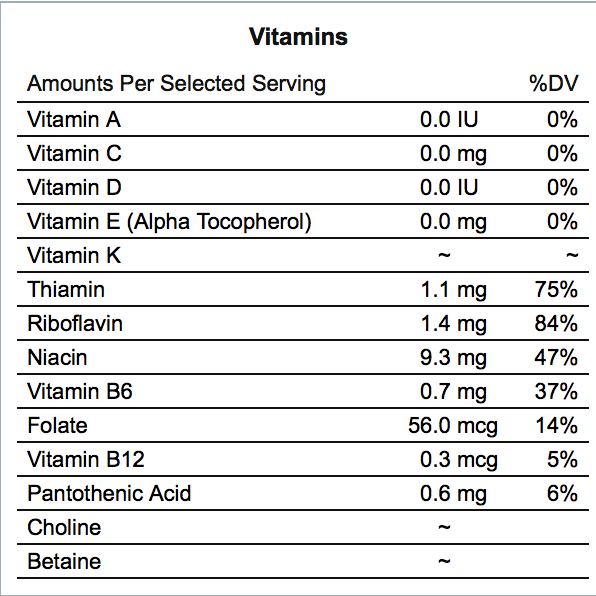
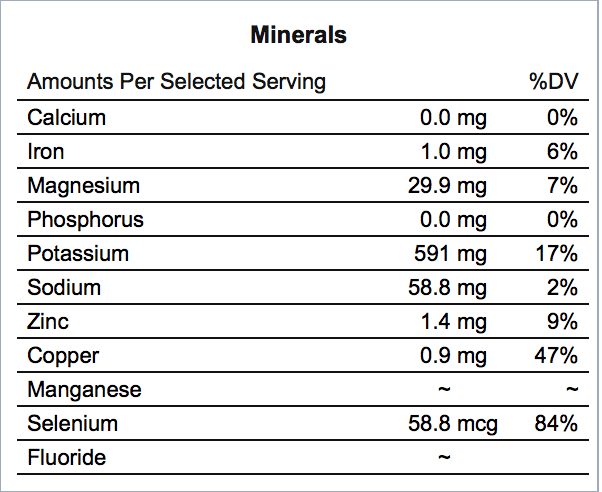
If you look at the breakdown of brewer’s yeast from Nutrition Data in 1 oz., it is quite impressive for b-vitamins, immune-boosting selenium and the electrolytes magnesium and potassium.*Chromium isn’t listed, but is also found in yeast and is important for stabilizing blood sugar.

the healthiest beers in the world

the healthiest beers in the world


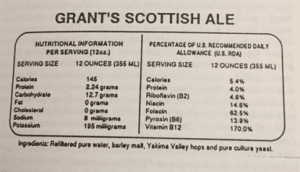
Now, take a look at a beer that was tested for B-vitamins:

the healthiest beers in the world

Source: The Science of Healthy Drinking

This beer shows 62.5% of folate and 170% of B12!

Yeast Provides A Major Source of Nutrition

If you filter the yeast out and pasteurize the beer, you lose most, if not all of the b-vitamins and probiotics. While you will keep the benefits of compounds in barley and hops with filtered and pasteurizing, you are losing out on a major source of nutrition due to the loss of the vitamins, minerals, and probiotics.

The Health Benefits of Beer

The benefits of beer not only come from the grains and yeast but also the herbal change to hops. Hops contain a flavonoid called xanthohumol that strongly suppresses CYP1A2 (suppressing is good), a liver enzyme that metabolizes various environmental procarcinogens such as heterocyclic amines (created during high heat cooking of meat or fish), nitrosamines (pesticides, cosmetics), and aflatoxin B1 (mold) that can lead to cancer when overexpressed.

When you have a homozygous variant in this liver enzyme as discovered through Nutrition Genome, you have to take more dietary strategies to prevent the activation of procarcinogens.

Hops appear to be one of those strategies, while they also improve fat metabolism. Hops are also a potent phytoestrogen due to 8-prenylnaringenin; something that doesn’t make me get on the heavy hops IPA bandwagon of brewing for guys.

I prefer a smaller dose of hops and a higher use of other herbs myself. But for post-menopausal women, the hops may increase bone density and the prevention of hot flashes.

Beer Instead of Tranquilizers

One study highlighted in The Science of Healthy Drinking found the following: Two months after the hospital staff began offering one beer a day to the geriatric patients, the number of them who could walk on their own increased from 21 percent to 74 percent. Social interaction tripled, and the percentage of patients taking Thorazine, a strong tranquilizer, plunged from 75 percent to zero.

If you want your mind blown by 400 pages of studies showing the positive benefits of moderate alcohol intake, including drinking beer every day, pick up The Science of Healthy Drinking.

Beer’s Superpower Against Radiation

Radiation is another risk factor for cancer, as it may damage cellular DNA. In one study, human volunteers were asked to drink two beers a day, and then X-rays were irradiated to blood samples collected three hours after beer consumption. The results showed that the frequency of chromosomal aberrations in lymphocytes after beer consumption was significantly lower than that before beer consumption. This effect was not attributable to alcohol, but to the compounds in beer.

Beer and Homocysteine Levels

Another study found that when volunteers consumed either beer, red wine, or spirits for one week, it was only the beer drinkers that did not have a rise in homocysteine due to the B6 and folate content.

You can have too much of a good thing. If you or your family members are prone to gout, beer appears to raise uric acid levels higher than liquor and wine, with wine being the best option for not pushing uric acid levels too high.

It is important to note however that the reason gout has been known as the rich man’s disease is that it occurred from a combination of over-consumption of sugar, red meat, and alcohol during a time when only the wealthy could afford it. Uric acid actually acts as an anti-oxidant comparable to vitamin C, and moderate elevations are beneficial. It all comes back to balance.

Since beer companies are not allowed to make any health claims, you have to dig for the beer health benefits in the research.

The Medicinal Effect of Moderate Alcohol Consumption

Alcohol itself works in medicinal doses. Both too little and too much appear to be an issue. One study on alcohol from Harvard was published recently in the European Society of Cardiology and is perhaps one of the longest of its kind. It followed 14,629 men and women aged 45-64 and followed them for up to 25 years.

They found that for those who drank one 5 oz glass of wine or 12 oz. beer per day, the men had a 20 percent less incidence of heart disease and 16 percent for women. What’s interesting is that heart failure rates were higher for those who drank less OR more. For those having more than 21 drinks, a higher risk of dying from any cause went up 47 percent for men and 89 percent for women.

In a new study from UCSD, “researchers found that among men and women 85 and older, individuals who consumed “moderate to heavy” amounts of alcohol (1-4 drinks based on gender and weight) five to seven days a week were twice as likely to be cognitively healthy than non-drinkers.”

This study looked at 1,344 older adults (728 women; 616 men) in an upper class, Caucasian population. I think it is important to note here that this San Diego demographic is also highly active.

Let’s also take a look at the PON1 gene, which codes for enzymes that break down pesticides and helps prevent LDL from oxidizing, a major mechanism in atherosclerosis. One study found that alcohol in small amounts (4-5 oz. of wine or 12 oz. of beer for example), improved PON1 activity by 395%.

However too much decreased it by 45%. PON1 is responsible for elevating HDL in response to alcohol. Another study reported that three weeks of beer consumption significantly reduced the level of plasma c-reactive protein (CRP), but was attributed to the alcohol.

Many other studies have confirmed this fact over and over again. Alcohol can be very good for us, but it must be treated like everything else in our food supply. The source, production, and amount is the key. Even more reason for responsible drinking.

Is Beer Good for You? It Depends on the Beer

I came across a beer in Whole Foods by Propolis Brewing Company from Washington state a few months ago when I started asking the question “is beer good for you?” I was so impressed by their beer, that I looked them up and found a description on their website that resonated with other literature I had read about beers of the past.

For thousands of years beer served as food and medicine; it had antiseptic, anti-bacterial and anti-viral properties. Old world ales were referred to as “gruits” and were created from various malted grains and bittering herbs. Proprietary herbal blends were passed down from generation to generation as was the knowledge of how each herb served to promote health throughout the year. We carefully selected local herbs and botanicals that bitter and flavor our ales. Our herbal blends are developed to harmonize with the spectrum of malt that shifts from light to dark with the sun and the harvest.

Before the Beer Purity Law 500 years ago this year, other herbs were used in beer instead of hops. According to the book Sacred and Herbal Healing Beers, before the use of hops in beer, gruit ale was the beer staple made primarily with sweet gale, bog myrtle and yarrow.

These herbs were mildly narcotic and some were considered aphrodisiacs. Due to these qualities, it was under extreme interrogation by the Protestant church. Unhappy with partying habits of the Catholics, the Protestants played a role in the banning of certain herbs and replacing them with hops, a known sedative.

I scoured the internet and contacted breweries to compile a beginning list to seek out these special craft beers. Whole Foods and specialty wine and beer shops will most likely carry some of these. If you have one of these breweries in town, that is also the best place to go.

The Healthiest Beers Around the World (Unfiltered aka Hazy and Unpasteurized)

Some of these may indeed contain organic ingredients but are not certified. It is very costly to be certified and I understand companies choosing not to. But some companies will use organic ingredients without being certified, and I’m trying to find these.

Many beers in Europe are organic, unfiltered, and unpasteurized by default. I was told that the east coast of the US has more breweries that are creating unfiltered, unpasteurized beers, while more west coast breweries filter many of their beers.

“Bottle conditioned” is another word used for unpasteurized to look for on labels. Yeast is added at the bottling stage for carbonation.

North Coast Brewing: Blue Star and Pranqster. Prankqster is a very delicious, good beer. Great customer service.

Sierra Nevada: Porter, Stout, and Kellerweis (most yeast). Pale Ales are bottle conditioned. All others are filtered, but unpasteurized. All beers use non-GMO ingredients. I can vouch that the porter is excellent. Great customer service too.

Bell’s Brewery: According to Bell’s Brewery: “Most of our ales are unfiltered, it’s been one of our main philosophies since Larry Bell first started brewing more than 30 years ago. Our lagers, on the other hand, are filtered, but unpasteurized.” Amber Ale, Kalamazoo Stout, Porter, Oatsmobile, Two Hearted (non-GMO verified), Oarsman, Oberon (non-GMO verified), Winter White, Best Brown, Expedition Stout, Special Double Cream Stout, Hopslam, Arabicadabra, Christmas Ale and The Oracle.

Crux Brewery: All of our beers are unpasteurized and only one is unfiltered, our Hazy IPA, Bubble Wrap. All other beers are centrifuged.

Schneider Weisse: Choose Aventinus.

Franziskaner: Hefewiessbier 

Red Oak Brewery: A brewery in North Carolina that makes some awesome unfiltered and unpasteurized beers.

Great Divide: Orabelle Belgian Tripel, Nadia Kali Hibiscus Saison, Colette Farmhouse Ale, Samurai Rice Ale (being released later this year). Ingredients are not organic.

Chimay: This one is actually pretty easy to find at Trader Joes, Whole Foods and at restaurants. Chimay is a very good beer.

St. Bernadus: If you like Belgian beers, this is a delicious choice.

Lagunitas: Lagunitas is in Petaluma, CA, and has a limited release in 2020 of a Little Sumpin’ Hazy, that has bold letters in red at the bottom that says UNFILTERED. I like to think that my pestering emails asking about unfiltered beers may have influenced this.

Einstok: “Our White Ale in bottles is unfiltered, unpasteurized and bottle-conditioned, and our Toasted Porter is unfiltered.”

Orval: Orval beer means is in the exclusive club of authentic Trappist beers.

Westmalle: Westmalle is also a Trappist beer made by the monks.

Rochefort: Trappist Rochefort is an easy beer to find from Belgium.

Green’s: One of the few gluten-free beers on the market.

Lindemans: If you like sour beers, Lindemans make some wicked Belgian lambics. Check out Cuvée René Gueuze and Lindemans Cuveé René Kriek.

Du Bocq beers: This is another beer from the famous Belgian region.

Budvar’s: They have an unpasteurized yeast beer.

The Bruery: Email response. “All of our beers are going to be unfiltered, as well as all of our sour beers will be unpasteurized.”

Beau’s: A great find for Canada! Organic malt, hops and local spring water. However, they pasteurize their beers but have unfiltered versions.

Weihenstephan: Vitus, Korbinian, Hefeweissbier Dunkel, White Hoplosion are the best beers. *Update. I received an email that all their beers are flash-pasteurized. 

Castle Danger: This brewery is in Two Harbors, Minnesota, and carries unpasteurized and certain unfiltered beers. 

The Healthiest Beers Around the World (Organic, Unfiltered and Unpasteurized)

*Only certain beers for some of these companies may be certified organic, or use mostly organic ingredients.

Propolis Brewing: This brewery is in Port Townsend, Washington, and I would consider this beer to be at the top of the healthy beer list. They have access to natural spring water, which I think is a secret ingredient for the best beers. I ordered a case of their yarrow beers for my wedding to show you how highly I think of them. They also have a monthly ale club.

Flying Embers: I just found out about this one in 2021. USDA organic and they combine medicinal mushrooms like Lion’s Mane lager and Reishi stout. My kind of brewery!

Peak Organic Brewing Co: All beers are certified organic, unpasteurized and unfiltered. Available in the northeast US.

Protector Brewery:  Located in San Diego and distributed in California, Denver and DC. All beers are certified organic, unpasteurized, unfiltered and is veteran owned.

Freehouse Brewery:  Located in North Charleston, South Carolina. Certified organic, unpasteurized, and the majority are unfiltered.

Coast Brewing Company: Also located in South Carolina. Coast uses organic ingredients in all their beers, and are unfiltered and unpasteurized.

Logsdown Farmhouse Brewery: I bought these as gifts for my groomsman. They are definitely on the healthy beer list.

Aslan Brewing: I haven’t had the pleasure of trying this one yet, but they are organic, unfiltered and unpasteurized. If you live in Washington state, try this one out.

Allagash: All beers are unpasteurized and bottle conditioned. Sixteen Counties uses organic oats along with others. Their Fine Acre golden ale is certified organic. 

The Ale Apothecary: This brewery is in Bend, Oregon, the land of beer. They would also be categorized as a healthy beer due to their water source, clean ingredients, and ancient fermenting practices.

Gjulia: Gjulia is made in Italy and is a little harder to find. I have only seen these at one Italian restaurant where I live.

Ayinger Brewery: Ayinger is from Germany and they are excellent beers. I’ve seen Ayinger at Bevmo, Whole Foods and numerous grocery stores.

Bison (unpasteurized, but filtered). Bison is one of the few breweries that sing their organic certification loud and proud. Numerous health benefits from the herbs and spices added to their beers.

Deschutes Brewery: Deschutes is also in Bend, Oregon, and if I was picking beer stocks, I would invest in Deschutes to become the top craft beer distributor along with Sierra Nevada. Black Butte Porter, Chainbreaker White IPA, The Abyss, The Dissident, Flanders Black, bottle condition all the beers in the Mainline, Seasonal, and Bond St. lines, Reserve Series beers have live yeast. Non-GMO ingredients and some are organic. Deschutes County doesn’t fluoridate their water, another win. Great customer service.

Dogfish Head: Email response. “We use organic ingredients when available but we do not claim to be 100% organic. Some of our beers are unfiltered like our wheat beers (Namaste) and certain high gravity beers (120, Burton) other beers are filtered (like 60 Minute). And we are unpasteurized.”

Fish Brewery Company: I haven’t tried these beers yet but would love to hear from anyone who has.

Lakefront Brewery: (different degrees of filtering): New Grist and New Grist Ginger are gluten free. Fuel Cafe Coffee Stout, White Belgian Wit, and Growing Power Farmhouse Pale Ale are year round organics. Barrel Aged Beer Line Barley Wine is limited.

Hair of the Dog Brewing Company: Hair of the dog has an excellent reputation in communities lucky enough to be able to buy them.

Brooklyn: I haven’t tried these beers yet.

Pinkus: Organic, healthy beers. The taste wasn’t anything to write home about.

Samuel Smiths: Samuel Smiths Organic Ale is their healthiest option.

Wychwood:  Scarecrow Ale is their organic beer.

K&L Craft Beers: I might fly to Italy just to try these beers.

La Birra di Meni: Now I have two reasons to fly to Italy.

Please feel free to help me add to this list from your hometown in the comment section. Cheers!