Best Electrolyte Drinks for Diabetes

Best Electrolyte Drinks for Diabetes

If you have diabetes and you are looking to stay hydrated with an electrolyte drink, you know it can be difficult to find one that isn’t too high in sugar and carbohydrates. The best electrolyte drinks for diabetes will not include cane sugar, high-fructose corn syrup, aspartame, sucralose, or acesulfame potassium.

If you have started an exercise regime, it can also be challenging to keep your blood sugar from getting too low. Exercise removes glucose from the blood without using insulin and is crucial in getting diabetes under control, but it is a delicate balance for your blood sugar being too high when you are inactive, and too low when you are active.

It is important that the electrolyte drink matches your activity level, and you are not drinking an electrolyte drink with 25 carbohydrates while you are sitting inside, or one with zero carbohydrates while you are combining Zumba, Jazzercize, and CrossFit.

In regards to these parameters, perhaps you were advised to choose an electrolyte drink that uses artificial sweeteners. While writing The New Menu for Diabetes, I did some research on artificial sweeteners and was shocked that these were recommended for diabetics.

The studies clearly showed that these in fact should be avoided, and I wanted to go more in-depth in this article regarding why you should avoid Splenda and Acesulfame K.

The Worst Electrolyte Drinks for Diabetes

The following is based on my research and opinion.

1. Powerade Zero

After doing some research, I noticed that Powerade Zero was the drink of choice for many diabetics due to it having zero calories. What’s in Powerade Zero?

UK Label: Water, citric acid, mineral salts (sodium chloride, magnesium chloride, calcium chloride, potassium phosphate), natural berry flavouring with other natural flavourings, acidity regulator (E332), sweeteners (sucralose, acesulfame K), colour (E133).

US Label: Water, Citric Acid, Natural Flavors, Salt, Potassium Citrate, Sucralose, Sodium Citrate, Potassium Phosphate, Acesulfame Potassium, Niacinamide (Vitamin B3), Pyridoxine Hydrochloride (Vitamin B6), Blue 1, Cyanocobalamin (Vitamin B12).

Sucralose (Splenda)

Sucralose is an organochlorine. It has been found to wreak havoc on intestinal bacteria (up to 50% destruction) and express two p-450 enzymes. Your beneficial bacteria is responsible for up to 80 percent of your immune system, your ability to lose weight, and emerging research is connecting anxiety and depression to low beneficial bacteria populations.

Acesulfame K

Acesulfame K (K is the symbol for potassium) seems to go under the radar quite often. It’s almost as if it’s hiding behind the other artificial sweeteners and sneaking in the back door into your drink.

It’s often blended with other artificial sweeteners to yield a more sugar-like taste, which is why it gets less attention. It also shares a similar bedtime story as aspartame, being discovered by accident when the scientists dip their finger(s) in the chemical solution and lick it off, only to find it to be very sweet. As with sucralose, you have to really rifle through the studies to try and discover where the potential problems may lie.

Methylene chloride is a solvent used in the beginning step of creating Acesulfame K. What is methylene chloride? According to the EPA, it is predominately used as a solvent in paint strippers, removers, and pharmaceutical drugs, and as propellent for insect sprays and aerosol paint sprays.

Exposure from the inhalation of methylene chloride has been linked to headaches, nausea, memory loss, liver and kidney issues, visual and auditory dysfunction, cardiovascular problems, and an increased rate of cancer.

According to this FDA 2003 document,  “methylene chloride, a carcinogenic chemical, is a potential impurity in ACK resulting from its use as a solvent in the initial manufacturing step of the sweetener.

In the past, FDA has assumed that methylene chloride is present in Acesulfame K at the LOD of 40 ppb (worst-case scenario) and has evaluated its safety by performing a risk assessment for methylene chloride-based on this level.

No new information has been received to change FDA’s previous risk assessment for methylene chloride.” Do you know how much of this should be considered safe for human consumption? Zero parts per billion.

According to the 2013 Code of Federal Regulations, Acesulfame K also cannot have a fluoride content of more than 30 parts per billion.

Fluoride? If you have been following any research regarding fluoride in our water supply, you know that ingesting too much can cause many problems. Compounding chemicals from different sources always need to be considered when looking at actual safety parameters for ingestion.

2. Gatorade

Gatorade is owned by PepsiCo, the makers of Pepsi, and who dominate the sports drink market at 69 percent. Gatorade has 21 grams of sugar and dextrose per 12 oz serving, which should obviously be avoided by diabetics.

Many of the colors and flavors seem a little extreme with their bright blues and reds. How are these made? The artificial colors and flavors are derived from aromatic hydrocarbons from petrochemicals. In other words, oil. Manufacturers are not required to divulge this information because artificial colors and flavors are considered intellectual property.

These food dyes have been found to inhibit mitochondrial respiration; the ability of the powerhouse of your cells to convert nutrients to energy. Red 3 causes cancer in animals, with evidence that other dyes also are carcinogenic. Three dyes (Red 40, Yellow 5, and Yellow 6) have been found to be contaminated with benzidine or other carcinogens.

At least four dyes (Blue 1, Red 40, Yellow 5, and Yellow 6) cause hypersensitivity reactions and numerous studies found Yellow 5 positive for genotoxicity. Depending on the flavor, Gatorade uses Yellow 5, Yellow 6, Red 40, and Blue 1.

3. Pedialyte

PediaLyte is a drink marketed to kids, for hydrating during times of diarrhea and vomiting, and may even be recommended if you have diabetes. As you can see from the label, there isn’t anything that makes PediaLyte stand out. It uses the same common cheap formula of dextrose, salt, artificial flavors, artificial sweeteners and food color dyes. They even have a bubble gum flavor.

It also missing magnesium and calcium. But their marketing is what makes PediaLyte the first thing people think of when they are sick.

The main headline at the top of each PediaLytes drink is “Pedialyte helps prevent dehydration and quickly replaces fluids, zinc, and electrolytes lost during diarrhea and vomiting.”

They have taken it a step further and added prebiotics which helps probiotics colonize, yet they use sucralose. From a sucralose study, the total numbers of bifidobacteria, lactobacilli, and other probiotics were significantly decreased. These strains of bacteria are what help keep you well and prevent diarrhea.

Three dyes (Red 40, Yellow 5, and Yellow 6) have been found to be contaminated with benzidine or other carcinogens, and numerous studies of Yellow 5 have been positive for genotoxicity. And Pedialyte is being marketed to children? Or anyone when they are sick?

Ingredients: Dextrose, Citric Acid, Natural & Artificial Flavor, Potassium Citrate, Salt, Sodium Citrate, Sucralose, Acesulfame Potassium, Zinc Gluconate, and Red 40, Blue Dye 1 or Yellow Dye 6 depending on the flavor. The AdvancedCare product also uses acesulfame K.

4. Electrolyte Drinks Using Sodium Benzoate

I originally had NUUN Active Hydration listed here due to the ingredients sodium benzoate and acesulfame potassium. It was brought to my attention that NUUN has now removed these two ingredients from its formula. If you didn’t see your drink listed here, check for sodium benzoate.

The concern is that when you combine sodium benzoate and ascorbic acid you create benzene, especially in the presence of heat and light (common with storing citrus-flavored soda in a warm garage). Citric acid may act as a catalyst for this process in the presence of ascorbic acid. NUUN Hydration contains vitamin C in the active ingredients, making this a prime candidate for this reaction.

Benzene damages the cell’s mitochondria, the powerhouse of the cell where you are generating energy in the first place! It has been found to cause cancer – leukemia and other cancers of the blood – by disabling a cell’s DNA. Benzene is also found in cigarettes, pesticides, car exhaust, paints, and certain laundry detergents.

Runners and bikers exposed to car exhaust should be especially mindful of this since vitamin C is an important antioxidant to protect against oxidative stress and promote tissue repair. As a diabetic, you may be taking vitamin C along with Metformin.

5. Vitaminwater

Vitaminwater is also owned by Coca-Cola. You may have noticed that the bottle contains “2.5 servings” which means you need to multiply everything by 2.5, a deceiving way to lower the amounts on the label from the first glance. There are 32 grams of sugar in most of the products, crystalline fructose, and sugar.

Crystalline fructose is even higher in fructose than high fructose corn syrup and often tainted with heavy metals. Compare 32 grams of sugar in a bottle of Vitaminwater to 35 grams of sugar in one can of Coke.

You may have even read about the lawsuit against Vitaminwater for calling itself a healthy beverage, and Coca-Cola has since acknowledged that it is indeed not. Too much-refined sugar will make you cramp while you’re competing, upset your stomach, lower your immunity, deplete minerals, and actually dehydrate you.

As for the vitamins, they are cheap forms with a questionable origin, and worthless to the body.

The Best Electrolyte Drinks for Diabetes Guidelines

What is the criteria for the best electrolyte drinks for diabetes? I’m looking for a drink that contains all of the electrolytes, is sweetened with stevia or Lo Han Guo, does not contain any artificial sweeteners or colors, and is low in carbohydrates. A bonus is given if it contains chromium and vitamin C, both of which are very beneficial for diabetics.

Stevia has been found to regulate blood sugar and prevent hypertension, decrease blood glucose and improve carbohydrate metabolism. Lo Han Guo has been found to improve insulin response, reduce blood sugar, lower lipid peroxidation, and reduce protein spilling (better kidney function).

When chromium is available in sufficient amounts, lower amounts of insulin are required to move glucose into the cells. One randomized, double-blind study found that after 12 weeks, vitamin C with metformin increased ascorbic acid levels, reduced fasting blood sugar, post-meal blood glucose, and improved HbA1C compared to the placebo group.

The Best Electrolyte Drinks for Diabetes (Store or online)

1. Coconut Water: A study from 2012 and a study from 2015 found that coconut water has anti-glycation properties, kidney protection, prevented hyperglycemia and oxidative stress. It is an excellent source of potassium, chloride, magnesium, calcium, sodium, b-vitamins, enzymes, and vitamin C.

The best way to enjoy coconut water is to buy a young coconut, take a hammer to the top, and enjoy it fresh and raw. If you want to buy coconut water in the store, you need to be more selective since many companies are going out of their way to deliver cheap coconut water that lasts for two years on a shelf, often from concentrate and with added sugar and flavors. That should make you suspicious.

What you want to look for is coconut water in the refrigerated section, that uses young coconuts, is not pasteurized, and does not contain any added ingredients like natural flavors, fruit juice or sugar.

The companies I have found that follow these guidelines include Harmless Harvest, Unoco, Liquitera, Vital Juice, and Juice Press. Many of these use a process called HPP, which sterilizes the juice with pressure instead of heat. This keeps the vitamins and enzymes in tact.

2. Gerolsteiner Sparkling Mineral Water
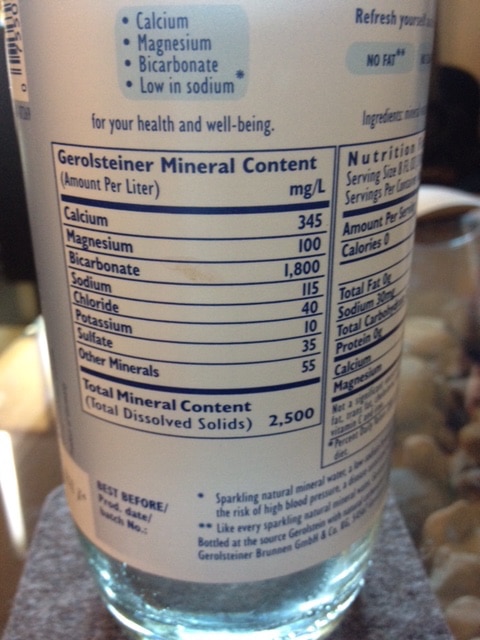
Gerolsteiner label

I did some traveling in 2015 and tested out numerous mineral waters and took pictures of each of the labels. While some mineral waters were very low in minerals, there were a few that were impressively high in all the electrolytes, including bicarbonate which is often missing and important for pH balancing.

What stood out to me about Gerolsteiner from Germany is that it collects minerals from the dolomites, making it very high in calcium, magnesium, and bicarbonate. And it tastes amazing, especially if you crave carbonated drinks. Add the juice of two lemons and powdered stevia to taste for a drink that tastes very close to a lemon-lime soda.

That combination is perfect for those with headaches, nausea, fatigue and digestive issues. So if your doctor has recommended that you drink an electrolyte drink that isn’t necessarily to be used for exercise and sweating and needs to be low in sodium, this is the best choice straight from nature.

If you are an athlete, keep it in the fridge and enjoy it later in the evening to supply more calcium and magnesium for sore muscles. If you want more energy and hydration while sitting at your desk, this is the best option.

In the US, you can find it in liter bottles in Trader Joes or Whole Foods for $1.49 to $2.00, but if you can’t then online is the way to go.

The Best Electrolyte Drinks Diabetes (Liquid and Powder)

1. Primitive Scientific Whole Food Electrolyte Powder

The Primitive Scientific Whole Food Electrolyte Powder is a new product that is designed for athletes. However, the design of the formula is also extremely targeted for those with type 2 diabetes.

This powder contains a full-spectrum of electrolytes and trace minerals, trace amounts of prebiotic fiber, and a host of superfoods that are perfect for those with type 2 diabetes. These include coconut, pomegranate, tart cherry, beets, dandelion, schisandra, shilajit/fulvic acid, sumac, and apple cider vinegar.

It is sweetened with monk fruit and stevia, making it a sweet but safe choice for diabetics. Let’s take a look at how all of these are helping you:

Fermented coconut water: Studies have shown it contains anti-glycation properites.1,2
Pomegranate: May suppress postprandial hyperglycemia and improves markers of heart health in diabetics. 3, 4
Tart Cherry: The anthocyanins in tart cherry prevent insulin resistance and improve antioxidant capacity in diabetics. 5,6
Beets: Beets may benefit blood sugar and insulin levels through nitric oxide signaling, and lower the risk of diabetes complications.
Dandelion and Shisandra: Both contains anti-diabetic properties.7,8
Shilajit/fulvic acid: May improve blood glucose levels and lipid levels.9,10
Sumac: Sumac has been shown to improve insulin and lipid profiles, and make diabetics less susceptible to cardiovascular disease.11,12

2. PaleoValley Essential Electrolytes (15% off with this link)

Price: $59.99 for 30-60 servings

This product recently launched in summer 2023. This is the product you want to use in hot climates with more sweat loss. PaleoValley is known for using very clean, whole-food ingredients and not compromising on anything, which is why I like their Greens powder. This is one of the few electrolyte products that does not use citric acid, and uses salt from an underground ancient sea bed, safe from modern pollutants like microplastics with third party testing to guarantee it is safe and free of harmful ingredients.

This formulation uses a higher dose of sea salt for sodium (400mg) to target heavier sweat loss, 280mg of potassium from coconut water, 80mg of calcium from seawater, 160mg of magnesium for seawater, 0.8mg of iron from seaweed. The flavoring comes from monk fruit, organic turmeric root, organic flavors from real fruit, and organic coconut water powder. Unlike using coconut water while exercising, I didn’t notice any GI issues. This is on the sweeter side with all three flavors (lemon lime, orange and watermelon) and I found myself cutting the scoop in half to make it less sweet, or using a lot more water.

3. DayLyte

DayLyte was launched in May 2018 and has become my favorite liquid mineral electrolyte drops. DayLyte does not contain any sugar or carbohydrates and can be simply added to your water to enhance its electrolyte profile.

DayLyte contains a higher level of magnesium (65mg) which improves blood sugar levels and cardiovascular health. It also contains 1mg of lithium. Lithium has been found in research to encourage remyelination of peripheral nerves.

Further research has found that lithium can inhibit colon cancer metastasis and prevent metastasis to the lungs, liver, and lymph nodes.

While DayLyte now has lemon stevia flavored version now, you can make your own without any sweetener below:
16 oz. water
1 orange, lemon, and 1/2 cucumber sliced
1 serving DayLyte

4. Vega Electrolyte Hydrator

Vega Sport Electrolyte Hydrator is recommended if you want a broader mineral profile and a zero-calorie electrolyte drink that is sweet. This one is pretty sweet, so you will want to dilute it quite a bit, in my opinion.

Electrolytes: Marine algae calcium (50mg), magnesium carbonate (20mg), sodium chloride (240mg), potassium chloride (120mg).

Ingredients: Citric acid, coconut water powder, natural flavor, stevia leaf extract, vitamin C (90mg).

Calories: 5
Carbohydrates: 2
Sugars: 0

5. Electrolyte Energy Formula

Pure Encapsulations Electrolyte/Energy Formula is recommended only for exercise lasting 1-2 hours if you are needing to prevent low blood sugar. The carbohydrate level is low, but it is important to monitor glucose after the first trial dose to see how you respond. Choose the other options if you are wanting an electrolyte drink while you are inactive or taking part in light to a moderate exercise regime.

Ingredients:

  • vitamin C (as ascorbic acid) 100 mg.
  • calcium (as calcium citrate) 50 mg.
  • magnesium (as magnesium citrate) 50 mg.
  • chloride (as sodium chloride) 75 mg.
  • sodium (as sodium chloride) 50 mg.
  • potassium (as potassium phosphate) 50 mg.
  • alpha ketoglutarate 200 mg.
  • malice acid 200 mg.
  • l-tyrosine (free-form) 500 mg

calories: 30
carbohydrate: 7 g
sugars: (glucose): 3.5 g

Suggested Reading

The Best and Worst Multivitamins and Why to Design Your Own
The Best and Worst Multivitamins for Seniors
The Best Greens Powders without Cereal Grasses

The Best Greens Powders without Cereal Grasses

For quite a long time, I thought greens powders were a waste of money. I would scour the aisles, looking at greens powders, almost convinced each time that I needed more barley or wheat grass in my diet. It’s green, therefore it makes sense. Green is good, right? It never quite added up to me why all of these products focused on cereal grasses. So I decided to do some digging. 

Do You Need a Higher Plant Intake?

Based on the research of the Paleolithic era and hunter-gatherer tribes, humans collectively do not get enough plant diversity in their diet for the majority of climates. A general rule of thumb is that unless you live very far north in frigid climates away from pollution and much plant life, your plant intake should be higher for protecting against UV rays, environmental toxicity, and the stress of modern life. Nutrition Genome and PhytoVest help answer the question of which plants to focus on for your individual ancestry or health goals. 

A research paper published in the Proceedings of the National Academy of Sciences identified 55-300 species of edible plants, including seeds, fruits, nuts, leaves, stems, roots and tubers (with the use of fire) that were included in our diet. Many of these were found in the migration route out of Africa from 780,000 years ago. 

The Human Microbiome Project found that those who consumed 30 different species of plants a week had a more diverse microbiome compared to those with less than 10 plants per week. Adults in the U.S. consume fruit an average of 1.1 times per day and vegetables 1.6 times a day! The health of the microbiome is the foundation of almost every health disorder and greens powders can help you reach this goal. 

Plants contain numerous phytonutrients that protect against environmental pollution, stress, heart disease, diabetes and cancer. Diversity here is key. For example, research has found that women with the BRCA-1 and BRCA-2 gene mutations who consumed up to 27 different fruits and vegetables a week (variety important) saw their breast cancer risk diminish by 73 percent.

Plants provide the fiber for your gut bacteria to thrive and enhance your internal and external health. This includes the ability for the bacteria to produce vitamins, enhance absorption from all nutrients in your diet, balance neurotransmitters for mood and sleep, and give your skin the youthful glow through enhanced blood flow and nutrient transport. 

Are You Getting Enough Grass in Your Diet?

In regards to grass intake, you have to go back about 3.5 million years to Australopithecus and Paranthropus to find any potential record of grass intake. One of the striking differences between the two was that Australoptheticus had smaller teeth and jaws, while Paranthropus had much larger teeth and jaws. 

Researchers have determined the potential diet for each by carbon isotopes, calcium, barium and strontium levels in the fossil records. Grasses are also known as C4 plants and are used to determine carbon isotope levels and therefore the potential diet. One group of researchers found that Australopithecus had high C4 levels, but they couldn’t tell if the diet was actually meat from animals eating grass or grass directly consumed from the savannahs because C4 comes up from both. 

Other researchers who used calcium, barium and strontium to deduce the diet of Australopithecus and Paranthropus found that Australopithecus ate a diversified diet of meat, leaves and fruit that changed with the seasons, while Paranthropus ate a more limited vegetarian diet. Researchers believe the reason for extinction of Paranthropus was due to the limited vegetarian diet during a time of climate change. 

Even with this knowledge, this is too far back and distant from modern humans to be relevant to the diet today. The past 10,000 years alone have shown dramatic genetic mutations for digesting and utilizing plant and animal foods, and none of them have involved an adaptation to grass intake. 

We are Humans, Not Ruminants

The fact of the matter is that we have one stomach, not four. Ruminants require four stomachs to digest grass in the first place. You will see some companies advertising that they juice the grass first to bypass this little issue, but there still isn’t a logical explanation for using these grasses over other plants that we actually consume. 

Another concern is the potential of wheat germ agglutinin (WGA) in wheat grass. WGA is a lectin found in wheat that protects it against insects and is suspected to be a cause of non-celiac wheat sensitivity. Fermentation through sourdough is one way to reduce WGA as well as gluten, and may explain why those with wheat sensitivity can tolerate long-fermented sourdough bread

There has been a debate as to whether WGA is in wheat grass. At 34 days of growth, the wheatgrass shoots still contain almost 50% of the levels of lectin found in the dry seeds, with approximately one-third in the roots and two-thirds in the shoot. So it seems very possible that it could be concentrated in wheat grass powder. 

Some companies promote consuming grass for increased chlorophyll intake or higher levels of certain vitamins and minerals. Chlorophyll is found all over the plant kingdom in numerous vegetables that are actually designed for human consumption. There’s also plenty of fruits and vegetables known for high levels of specific vitamins and minerals that also include unique phytonutrients, so this promotion of grass also does not fly. 

In the end, I can’t help but think that a grass-based greens powders are a product with a giant mark-up with plants that you would never consume otherwise. 

The Best Greens Powders

The ranking system for the greens powders are based on the criteria that the product is organic, uses cold-processing methods to retain nutrient levels, is exceedingly low in heavy metals, includes a high diversity of plants, prebiotic fiber and does not use cereal grasses.

The biggest issues with concentrated plant powders include pesticide and herbicide residues from non-organic sources or high levels of heavy metals from poor sourcing. 

\We have a new Supplement Ranking page for all supplements as of April 2024 that we are adding to every month. You can check out the new Greens Powder list here: Greens Powder Rankings

As always, leave any comments below if you have a greens powder you want us to add to the supplement ranking page.

The Beauty Mushroom: Tremella

The Beauty Mushroom: Tremella

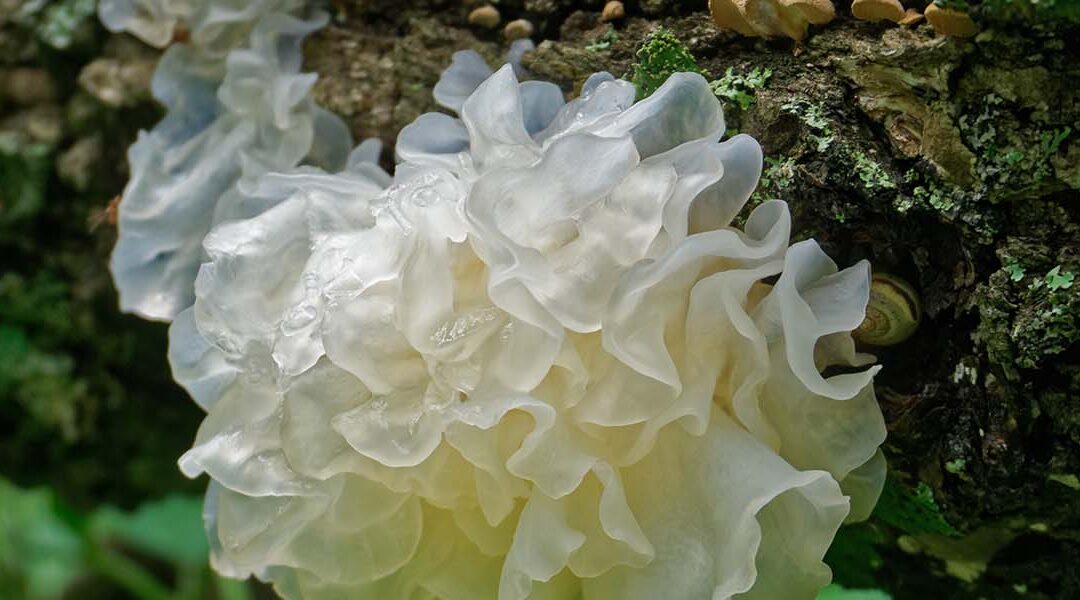
Tremella is a medicinal mushroom that has not received the level of fame that cordyceps, reishi, chaga, or Lion’s mane has enjoyed. However, if you are interested in skin care, Tremella is potentially the best one. Also known as “snow ear” or the less creative “white fungus,” it has over a thousand years of use in China for skin health and immune enhancement.

Research has demonstrated the polysaccharides in Tremella have potent effects on moisturization, anti-inflammatory activity, wound healing, skin protection, anti-aging effects, and anti-radiation mechanisms.

UVA Radiation and Skin Wrinkles

The two basic forms of ultraviolet rays include UVA and UVB. UVA rays play a more significant role in wrinkles and skin aging, while UVB is more associated with skin cancer formation. Sunblock is designed to block UVB but is less effective at blocking UVA.

The medicinal mushroom Tremella contains polysaccharides that have been shown in a 2021 study to reduce oxidative stress by UVA rays by increasing catalase, superoxide dismutase, glutathione peroxidase, collagen I, elastin, and hyaluronic acid in the skin. It also upregulated Nfr2 and downregulated Keap1, which is a combination that helps prevent cancerous growth.

Tremella also protects the skin induced by hydrogen peroxide (stress or chemical assaults) by upregulating SIRT1 expression, the anti-aging gene. 

Using Tremella not only protects your skin against photoaging from UVA, but it helps your body improve collagen, elastin, and hyaluronic acid production in the skin. This is the holy grail of skin care.

Cancer Prevention and Immune Function

Researchers found that Tremella had an inhibitory effect on sarcoma, lung cancer, prostate cancer, and liver cancer. Tremella works by down-regulating the expression of anti-apoptotic genes B-cell lymphoma 2 and survivin,

Tremella has been shown to enhance immune function by activating macrophages, T-lymphocytes, and B-lymphocytes, regulating non-specific immunity, humoral immunity and cellular immunity.

Weight Loss and Diabetes

In mice studies, Tremella was found to downregulate 84 genes related to obesity and insulin resistance and was effective with mild Type-1 diabetes, showing enormous potential for blood sugar management. One fascinating finding was that Tremella targeted leptin (appetite suppressant hormone) and was suggested to be an anti-obesity prebiotic

Brain Boost and Neuroprotection

Like Lion’s Mane, Tremella possesses neuroprotective actions and improves learning and memory. One of the neuroprotective mechanisms is through protecting against glutamate-induced cell damage to the mitochondria, which is a process I have written about extensively for many years. This application could apply to research for many neurodegenerative disorders, including Parkinson’s disease, stroke, heart attacks (an accelerated aging model found Tremella protected the heart from damage), Alzheimer’s disease, dementia, ADHD, OCD, Multiple Sclerosis, ALS, IBS, Tourette’s syndrome and seizures.

PhytoVest Anti-Aging Skin Elixir

I calculated the price of this per serving because I was looking at how nutrient-dense this drink is and how you wouldn’t be able to find anything like it in the grocery store, juice bar, smoothie shop, or restaurant. A unique combination of glycine, Tremella, and 23 organic superfoods with numerous phytonutrients that protect and heal the skin, boosts immune function, improves memory and learning, protects neurons, and assists blood sugar and weight maintenance. 

PhytoVest Anti-Aging Skin Elixir
Cost Per Serving: $3.28

1 serving Great Lakes Collagen
1 serving Real Mushrooms Tremella powder
1 serving Paleovalley Supergreens powder

Mix with water or any liquid based on your preference.

Best Plant-Based Protein Powders

Best Plant-Based Protein Powders

Finding the best plant-based protein powder in a sea of options can be frustrating. How do you know what ingredients it should and shouldn’t have? Here at The Health Beat, we like to empower our readers with the knowledge to confidently pick out the best products.

The Top 3 Ways to Choose a Plant-Based Protein Powder

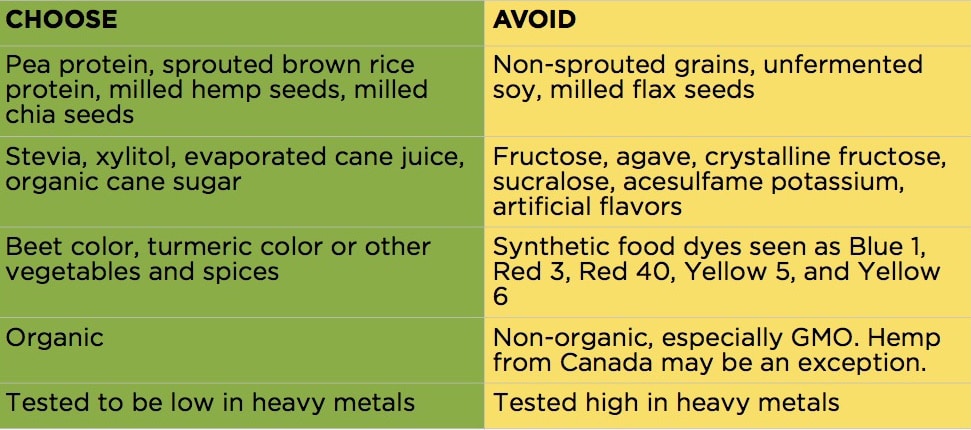
1. Pea protein or sprouted brown rice are going to provide the highest branched-chain amino acids, while hemp protein powder will also provide a good amino acid profile along with other unique compounds. Vegan protein powders are usually based on these two ingredients.

Look for a complete amino acid profile with an emphasis on higher amounts of essential amino acids, especially if you are following a plant-based diet.

Amino acids are split into essential and non-essential amino acids. Your body makes the non-essential amino acids (although genetics reveal some of these are produced in lower amounts in some individuals), but you need to obtain the essential amino acids from your diet. These include histidine, isoleucine, leucine, lysine, methionine, phenylalanine, threonine, tryptophan, and valine. Combining these amino acids make a complete protein.

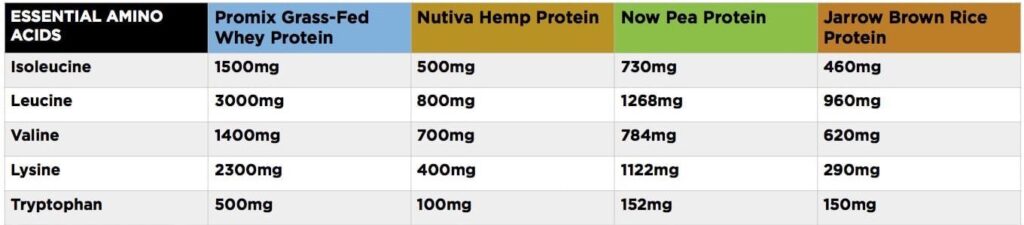
Whey is naturally high in all the amino acids and is naturally a complete protein. For plant protein powder, you want to look for higher amounts of the amino acids isoleucine, leucine, valine, lysine and tryptophan.

Isoleucine, leucine, and valine are the branched-chain amino acids required for healthy muscle. Lysine is often lacking in plants and plays an import role in collagen (skin and tendons), muscle tissue repair, production of L-carnitine for fat metabolism, as an anti-viral, and for the absorption of calcium. Tryptophan is the precursor to serotonin and melatonin, beneficial for mood and sleep.

best plant-based protein powder


best plant-based protein powder

As you can see, whey protein is superior when it comes to the branch chain amino acid profile and pea protein comes in second. Pure pea protein can be chalky and an acquired taste. To compromise between taste and profile, you will be happiest with a blend of different plants.

2. If you are female, you want a higher fiber profile. Fiber is more important for women than men because it is beneficial for increasing sex hormone binding globulin (SHBG on blood tests) to normalize estrogen levels and target delivery along with regulating daily elimination.

For men, too much fiber negatively affects SHBG levels and can lead to lower testosterone. For this reason, I recommend men use the lower fiber options for plant-based protein or grass-fed whey protein.

3. Third, it needs to taste good, mix well and be cost-effective. The major challenge companies face, is making a plant-based protein powder delicious, minimize grittiness and make it worth the expense. The common complaint is that the powder “tastes like dirt.”

The trick is how you prepare it because if you put plant protein in water, mix it with a spoon and expect it to taste like a milkshake, your morning will be ruined. Understand that reviews on taste are going to range drastically with plant-based protein powder.

I recommend making a smoothie with banana, cacao, berries, coconut water, nut or seed milk or kefir and your plant-based protein for the best taste. Add your own anti-inflammatory additions like ginger and turmeric if needed, and grind fresh flaxseed if you need more fiber.

The Top 3 to Avoid in Plant-Based Protein Powders

1. Avoid the usual suspects. When analyzing a label, you want to avoid the usual suspects like artificial colors, isolated soy protein, artificial flavors, and artificial sweeteners, food dyes, and synthetic folic acid. This isn’t as common in plant protein powders like it is in whey protein powders where you will often find artificial sweeteners like sucralose hiding out.

2. Avoid non-sprouted grains. If it contains grains they should be sprouted, and if brown rice is used you want verification that is cold processed without chemicals and low in heavy metals. Grains that have not been sprouted contain higher levels of phytic acid, which binds to calcium, iron, zinc, magnesium, and copper.

For example, while quinoa is a good protein source, it is also high in phytic acid and should always be sprouted. Soy protein is also an example of high phytic acid and has traditionally been fermented.

3. Avoid ground flax seed that has been milled into a powder. First off, flaxseed is an amazing source of lignans and protective against estrogen-positive breast cancer. So what is the problem? Flax seeds contain high amounts of omega-3 alpha-linolenic acid (ALA) and low antioxidant activity. This increases the risk of oxygenation and rancidity once the seed is opened and exposed to oxygen for an extended period of time.

Companies who do use milled flax seeds might claim that flash pasteurization prevents oxidation. According to this study, “Pasteurized flaxseed milled under refrigerated temperatures (10 – 18 °C) did not exhibit any significant improvement in oxidative stability. Flaxseed pasteurization at 148 °C for 16.25 minutes using dry heat was found to be detrimental to the oxidative stability flaxseed once milled. “

The best way to consume flax seeds is to mill them fresh with a coffee grinder and add them to your shake.

What about hemp seeds for hemp protein powder? Hemp seeds are a good protein source, do not contain any phytic acid, are low in ALA, high in the antioxidants C, beta-carotene and vitamin E (including tocotrienols) to protect against rancidity, and are an incredible source of manganese, magnesium and GLA (excellent for female hormones). Vitamin E is used with fish oil and cod liver oil to keep it fresh.

What about chia seeds? Chia seeds are also actually higher in ALA than flax. This would make you think that chia would be more sensitive to oxidation than flax. However, chia seeds have high antioxidant activity and contain polyphenols, chlorogenic and caffeic acids, myricetin, quercetin and kaempferol that appear to help protect against rancidity.

In a study comparing chia to flax, chia had almost nine times more antioxidant capacity according to a FRAP assay.

I recommend keeping all plant-based protein that includes chia or hemp in the refrigerator to decrease oxidation.

Best Plant-Based Protein Powders

1. Sprout Living Epic Protein

Cost per serving: $2.06 per serving (depending on the size and blend)
Protein: 20 grams

I recently purchased this one and I was very pleased by the clean and diversifed ingredient list. It has 20 grams of protein from yellow Pea, Pumpkin Seed, Sunflower Seed, Sacha Inchi and Cranberry Seed. There are multiple blends, and it does not contain any artificial or “natural” flavoring or sweeteners, gums, “other ingredients” or additives. 

Chocolate Maca: The Chocolate Maca blend highlights include cacao, maca, cinnamon, acerola, baobob, heirloom red banana, and jerusalem artichoke. 

Vanilla Lucuma: The Vanilla Lucema blend highlights include lucema fruit, cinnamon, baobob, heirloom red banana and jerusalem artichoke. 

Pro Collagen: The Pro Collagen blend highlights include tremella, silica, goji berry, rose hips, biotin, sea buckthorn, and pomegranate. 

Green Kingdom: The Green Kingdom blend highlights include heirloom red banana, spirulina, chlorella, Indian moringa, baobob, ginger, and Jerusalem artichoke. I would prefer this blend didn’t use oat grass. While not potentially problematic like wheat grass, cereal grasses have no history of human consumption and are typically used as fillers or to make a product more green. I prefer that space is used for ingredients with more nutritional value. 

Recommendation: Something for everyone here based on the blends. 

2.  Pure Food Plant Based Protein Raw Cacao

Cost: $2.50 per serving
Protein: 20 grams

Pure Food Plant-Based Protein uses organic sprouted brown rice protein, organic pea protein, organic hemp protein, organic mesquite powder, organic lucuma powder, organic vanilla bean, and organic stevia. It has a total of 20 grams of protein, rivaling whey protein. It is higher in sodium (258mg), so this is a good post-workout shake after losing some sweat.

The bonus feature of this formula is the inclusion of Bacillus coagulans (same strain in kombucha), mesquite powder, and raw cacao. Mesquite is a pod that grows in the desert and has been found to be an excellent source of fiber, minerals, and lysine. It also has a delicious flavor.

Raw cacao boosts the antioxidant profile and one study found that dietary flavanols from cocoa contribute to endogenous photoprotection (sun protection), improves dermal (skin) blood flow, hydration, and complexion.

Recommendation: Best for workouts that lead to sweat loss for men and women, especially out in the sun.

3. PROMIX Vegan Protein Powder

Cost: $0.98 cents a serving
Protein: 25 grams

PROMIX does an excellent job with whey protein and vegan protein powder, and they give full disclosure of their latest testing on every product on their website. This one could easily tie for the #1 spot. If you are looking for a whey protein substitute, this is the closest you are going to find to the protein and amino acid profile of whey.

Recommendation: For those looking for a plant-based whey protein substitute with a higher amino acid profile.

4. mBreakfast by Crucial Four

Cost: $3.80 per serving
Protein: 12 grams

mBreakfast is a product I analyzed for months and tested on myself for a month. I spoke with Charles Barber, the founder of Crucial Four, and I was extremely impressed with his knowledge, approach, and sourcing of the product. Charles is the first person I would go to if I wanted to know where to get the most pristine, wild or organic ingredients. This is also why the doctors working with cancer trust him and his products.

The name Crucial Four represents the four missing food groups — superior herbs, medicinal mushrooms, algae, and biotic extracts. Since I am a major fan of wild ingredients and mushrooms, this had my name all over it.

The formulation contains a 5000-year-old South American medicinal base formula and 8 years of intensive wellness center practice with medical doctors and leading health experts. The protein blend contains hemp protein and brazil nut powder.

While it doesn’t use pea or brown rice for protein (it used to until they secured a brazil nut powder source powdered within a week of harvest with negligible aflatoxin), the blend of hemp and brazil nuts is sufficient in amino acids while providing a host of other nutrients.

This formula is more than a protein powder. Brazil nuts are known for selenium and ellagic acid (cancer fighters) and this is one of the few clean sources I have seen. It contains 12 grams of protein, 8.5 grams of fat and 21 grams of carbohydrates, making it closer to a nutrient-dense meal. It contains raw cacao, ashwagandha, maca, wild astragalus, pine pollen, colostrum, spirulina, cordyceps, reishi, chaga, turkey tail and maitake to name a few of the superfoods in this blend.

Recommendation: If you are looking for very high-quality ingredients and a complete meal shake, this one is worth the price. If you have any food sensitivities, check the label on this one first.

5. Genuine Health Fermented Vegan Proteins

Cost: $1.25 per serving
Protein: 15 grams

This is a fermented protein powder that was recently brought to my attention by a client. It is from Canada and uses non-GMO fermented pea protein and brown rice protein, and a fermented blend of hemp seed, quinoa sprouts, mung bean sprouts, spirulina, and alfalfa protein. It is sweetened with stevia and Lo Han Guo.

Recommendation: This should be an easier formula to digest if other plant-based formulas have bothered your stomach.

6. Dr. Mercola Vegan Protein Powder

Cost: $1.46 per serving
Protein: 12 grams

This is a unique blend of pea protein, hemp, chia, chlorella and potato in the concentrate form. Chlorella boosts the tocotrienol, tocopherol, and carotenoid profile, while potato protein increases the BCAA total. Acacia, inulin (prebiotic), bamboo and apple provide different types of fiber to help diversify gut bacteria, which may increase fat loss. Enzymes are also added to improve digestion. Stevia and Lo Han Guo are used to sweeten it.

Recommendation: For those partaking in light to moderate exercise for weight loss, wanting grain-free and needing higher fiber. For many serious athletes, protein levels are going to need to be higher. Or you can boost it by adding protein-rich ingredients to a shake.

7. Sunwarrior Warrior Raw Protein Blend

Cost: $1.12 per serving
Protein: 17 grams

This product uses a blend of organic pea, hemp, and goji berry protein. The other ingredients include organic vanilla flavor, organic guar gum, sea salt, organic stevia extract and organic whole ground coconut.

Along with 17 grams of protein, it has 4 grams of carbohydrates, 1 gram of fiber, 0 grams of sugar and a good amino acid profile. This is formulated with sufficient branch chain amino acids while also being low in glutamic acid. This may be beneficial for those who are sensitive to higher levels of glutamic acid (glutamate).

If you eat a predominately plant-based diet, your taste buds will most likely be acclimated to the flavor. If you are new to plant-based protein, I would try a different product on this list first.

Recommendation: Light to moderate exercise, or as a light breakfast smoothie.

8. Garden of Life RawFit Organic

Cost: $2.64 per serving
Protein: 28 grams

This formula is high in plant-based sprouted protein (28 grams) and contains 6 grams of fiber, 4 grams of carbohydrates, 120mcg of chromium, 350mg of magnesium and 1,000IU of vitamin D. It also contains the adaptogen ashwagandha, enzymes and two strains of probiotics.

This protein powder is marketed for weight loss, but I would market this towards athletes engaging in intense training. Blending this with a banana and other fruit would give you a very substantial breakfast or post-workout shake for heavy workouts. Be aware that taste may be a factor for this one and if you are picky, it probably won’t work.

A few years ago Garden of Life RawFit tested high in lead, cadmium, and tungsten due to the brown rice protein. However, they responded with a swift and rigorous change to sourcing and testing to ensure purity in their present formula.

Recommendation: This is a heavy hitter for athletes working out 5-7 times a week.

How this could be improved: There are only 10 servings per container, and this should be increased to at least 15 servings.

Proven Research for Hair Growth, Thickness and Health

Proven Research for Hair Growth, Thickness and Health

Your hair, skin, and nails are a window into what is going on inside your body. Vitamin and mineral deficiencies, overtaxed organs and hormone imbalances often make themselves known in the form of rashes, blemishes, dryness in hair or hair loss and imperfections in nails.

For men (and a smaller percentage of women), the thinning of hair can be related to a genetic susceptibility of the hair follicles to DHT from testosterone. DHT is converted to testosterone by 5-alpha-reductase, which will cover later in this article as a major target for preventing further hair loss and thinning.

What Affects the Health of Your Hair?

Healthy hair starts deep inside your scalp. The hair itself is dead, but the follicles are very much alive and in need of nutrients just as much as other areas of your body. You might be doing damage with toxic hair products and a hairdryer, not to mention coloring and commercial processes.

Even just changing your shampoo and conditioner can help your hair regain its luster. Many commercial shampoos and conditioners dry your scalp and hair out, particularly if you wash your hair every day.

Genetic factors: Male pattern baldness can be passed on genetically, as well as other predispositions that can affect overall health and the health of the hair.

Environment: Environmental factors such as indoor heating and air conditioning can dry out the hair. Treated water in swimming pools can also cause hair to become dry and brittle, as can overexposure to the sun which also depletes folate levels.

Hair thinning or loss in men and women can be related to hormones, medications or autoimmune diseases.

  • Thyroid dysfunction. As women go through hormonal changes during and after menopause, or after pregnancy, they often experience hair loss. Once hormonal levels become balanced, this loss will be halted. One of the most common causes of hair loss is low thyroid function, so if you’re experiencing hair loss, it’s a good idea to have your thyroid levels checked by an endocrinologist.
  • Insulin resistance. Researchers performed a practice-based case-control study on 154 subjects (aged 19-50 years) with early-onset male-pattern baldness (onset prior to 35 years of age) and age-matched controls. The study showed a strikingly increased risk of insulin resistance, hyperinsulinemia, and insulin-resistance-associated disorders in men with early onset of male-pattern baldness (alopecia), supporting the theory that early male-pattern baldness could be a clinical marker of insulin resistance.
  • Smoking: Smoking destroys vitamin C, which is an essential nutrient for nourishing hair follicles and clearing toxins from the body. Nicotine causes blood vessels to constrict, making it harder for nutrients to reach the skin and hair and for waste to be eliminated. See our list of recommended vitamin C products here.
  • Medications: Drugs such as those used in cancer treatment (chemotherapy), anesthetics, anticoagulants (used to thin the blood) and oral contraceptives can cause temporary hair loss. Don’t make any changes to medications without first consulting a doctor. Proper supplementation and dietary changes can greatly improve hair and scalp conditions.

The Top 8 Best Foods for Healthy Hair

The best foods for healthy hair is tied to balanced meals of the right protein, collagen, and fats, along with specific vitamins, minerals and compounds.

Keep your blood sugar level throughout the day by avoiding high carbohydrate snacks and meals, and start your morning off with protein every day with bone broth protein, frozen blueberries, and avocado or banana.

One of the main factors influencing hair health is a deficiency of iron and good-quality protein. Protein is essential for cell repair and growth, while iron produces hemoglobin in the blood, which carries oxygen for growth and repair of all body cells. Excess sugar and refined carbohydrates in the diet robs the body of minerals crucial to hair health.

Collagen and Gelatin

As mentioned in the Whey vs. Collagen article, the growth of hair follicles is dependent on the collagen matrix in the dermal layer of our skin. When collagen is too low, the number and thickness of hair follicles can be reduced. One of the biggest benefits people see from collagen powder is a significant change in hair health.

If you have noticed receding gums as you get older, collagen is a major part of the structural component of teeth and the connection between teeth and gums. There have been multiple reports of improved gums with collagen, and research has also shown that collagen improves gum health and hair health.

Gelatin is only found in bone broth or chicken broth that gels when it cools, or in the powdered form that makes jello. Gelatin has numerous health benefits for your digestion and hair quality.

Omega-3 Fatty Acids

To feed your follicles, get lots of essential fatty acids from wild-caught fish, pastured meats, pastured eggs, seeds and nuts. These are vital for the structure of every cell membrane as well as healthy joints, circulation, heart function, glowing skin, and shiny hair. Many people cannot make enough omega-3 fatty acids, so it’s essential to get them from foods and supplements.

Essential Fatty Acids fall into two groups:

  • Omega-3 found in oily fish such as sardines, salmon and mackerel, and walnuts and flaxseeds. Based on your FADS1 and FADS2 genotype (as seen in the Nutrition Genome Report), you may require a higher intake of animal-based omega-3’s.
  • Omega-6 found in chia seeds, pumpkin seeds, sunflower seeds, and nuts. Hemp seeds are another wonderful source of GLA and ALA omega-3.

Silica

A trace mineral is an essential nutrient for healthy hair and also for strong bones and teeth. Silica helps the body utilize other minerals such as copper, boron, zinc, magnesium, and phosphorous. There are several food sources of silica, including seaweed, oats, millet and barley.

Beer is one of the best sources of silica, and there is a long history of washing hair with beer for a radiant shine.

Seaweed

Seaweed contains a wealth of nutrients vital healthy hair, including calcium, magnesium, potassium, sodium, zinc, niacin, iron, iodine, and many other vitamins. Seaweed binds with toxins and removes them from the body.

Seafood and Vegetarian Protein

Seafood is the best combination of protein and omega-3 fatty acids for hair, but lentils and chickpeas are a great vegetarian source of protein. They’re also a good source of B vitamins and iron, nutrients necessary for healthy hair. Combine with brown rice or quinoa to make a complete protein.

See the article the Best Plant-Based Protein Powders.

Leafy Greens

Leafy greens like kale, collard greens, spinach, and Swiss chard contain large amounts of carotenoids and C, which the body uses to make sebum is secreted by the hair follicles for shiny and healthy hair. Greens like spinach are also rich in folate and minerals, including iron.

Sprouted Pumpkin Seeds

Sprouted pumpkin seeds are good sources of zinc, an important nutrient for hair health. Sprouting helps “unlock” the minerals like zinc that are bound by phytic acid.

Calcium-rich foods

Almonds, beans, sardines, and kale are the best sources of calcium.

What about Biotin?

Almost every supplement that claims it will improve hair, skin and nails will contain a very high percentage of biotin. Believe it or not, there is actually very little published evidence that this actually works unless there is a clinical deficiency (which is extremely rare and can occur from eating raw egg whites).

In fact, there is research showing that high doses of biotin can cause DNA damage and create inaccurate thyroid results. The FDA made a change to the RDI for biotin from 300mcg to 30mcg in light of this evidence.

While biotin is beneficial to get in healthy amounts from diet from foods like eggs and liver, it is likely that only the small percentage of people with clinical biotin deficiencies will benefit.

The Top Recommended Products for Women

1. Primitive Scientific Multivitamin for Women

This is one of the best multivitamins as rated by our Best and Worst Multivitamins article, providing all the necessary vitamins and minerals in the correct forms and dosage.

B-vitamins play a major role in healthy hair, especially biotin. Avoid cheap B-vitamins that use synthetic folic acid and cyanocobalamin, and avoid huge isolated doses of biotin. High doses of biotin have been found to be damaging and even shorten telomeres.

2. Grass-Fed Bone Both Protein with Collagen (15% off with this link) or Great Lakes Gelatin

The Bone Broth Protein is different from typical collagen that are derived from animal hide because it contains all of the nutrients derived from bone. Due to the changes in collagen as we age, many women will see a benefit in their hair quality from getting extra protein, minerals and collagen. However, either product will provide collagen. 

3. Primitive Scientific Nordic Pure Fish Roe Oil Complex and Sea Buckthorn Oil Blend

Researchers found that after 6 months of taking omega-3s, omega-6s, and antioxidants, a large majority of women in the supplement group reported a reduction in hair loss (89.9% of subjects at 6 months), as well as an improvement in hair diameter (86.1%) and hair density (87.3%).

The Primitive Scientific fish oil supplement combines fish roe and fish oil supplement, providing phosphatidlycholine (skin renewal and anti-aging) and a superior delivery system more in tune with how omega-3’s are packaged in fish and absorbed by the body. The addition of vanilla to the capsule was a great idea as well, making it very easy for anyone to take.

The Seabuckthorn Oil Blend is a unique product that contains omega-6 (used in the previous study), omega-9, plant-based omega-3, and the elusive omega-7 found mainly in sea buckthorn and macadamia nuts. Omega-7 has research showing that it promotes hydration, skin quality and boosts collagen. Sea buckthorn has over 200 compounds, and has been shown to srengthens the structure of hair and is considered an effective remedy against hair loss or even balding.

The Top Recommended Products for Men

Outside of nutrient deficiencies and stress, what works for one guy may not work for another. It can be very hit or miss depending on the cause of your hair thinning or hair loss.

As you will see from the studies, there is a promising percentage of men that do get results from the following list. I just want to set the expectations that you may only see results from medications like finasteride (which can carry side effects) or topical minoxidil, but it shouldn’t stop you from trying natural solutions first.

What I have listed here are what the research has found to work for certain cohorts of men.

1. Primitive Scientific Multivitamin for Men

This is one of the best multivitamins as rated by our Best and Worst Multivitamins article, providing all the necessary B-vitamins, minerals and anti-stress compounds in the correct forms and dosage. Get your dietary  foundation and stress reduction techniques down first.

2. Grass-Fed Bone Both Protein with Collagen (15% off with this link) or Great Lakes Gelatin

Gelatin is only found in bone broth or chicken broth that gels when it cools, or in the powdered form that makes jello.

In one study, supplementing with 14 grams of gelatin daily increased hair diameter averaging 9.3% in the first study and 11.3% in the second study. Approximately 70% of the subjects in both studies showed increases in hair diameter ranging from 5% to 45%. Within 6 months after cessation of gelatin, the hair diameter reversed back its original level proving the increase was related to gelatin intake.

In the following saw palmetto study below, the use of topical saw palmetto and an oral gelatin-cystine supplement caused a further increase of approximately 50% in all hair growth parameters when compared to use of either one alone.

Either product contains sufficient collagen. The Bone Broth Protein is easier to mix in with other drinks compared to the straight gelatin product. 

3. Blue Atlas Shampoo and Gaia Herbs Saw Palmetto

This shampoo product is what I noticed to have the biggest effect on hair thickness and quality. I was looking for one that contained saw palmetto due the positive research on both topical and supplemental saw palmetto, which is a 5-alpha-reductase inhibitor. 

A review found that five randomized clinical trials and 2 prospective cohort studies demonstrated positive effects of topical and oral supplements containing saw palmetto at a dose of 100–320 mg among patients. There was a 60% improvement in overall hair quality, 27% improvement in total hair count, increased hair density in 83.3% of patients, and stabilized disease progression among 52% were noted with use of various topical and oral saw palmetto supplements.

Now for the big showdown of finasteride vs. saw palmetto. Researchers found that 68% of patients treated with finasteride had higher hair density scores from baseline as compared to 38% of the saw palmetto group. Although neither treatment was reported to be clinically effective in 10% of patients, saw palmetto had stabilized progression in 52% of cases. While finasteride was superior, saw palmetto is one of the only natural supplements that has been proven to work in men that has come close to finasteride.