Adaptogens: The Secret Weapon for Athletes

Adaptogens: The Secret Weapon for Athletes

If there was something that I thought every athlete should add to their arsenal, it would be mushroom and herbal adaptogens. Put aside creatine, BCAA supplementation, glutamine and any other ergogenic aid. These only address the physical demand (with debatable results), while neglecting the psychological and emotional needs of an athlete, and the biological and chemical stressors that deplete strength and endurance.

What many people don’t think about when it comes to power, speed and endurance is that there is more to it than the physical output. Talent will only take you so far without drive, and the strength of your body is only as strong as the strength of your mind, emotions and immune system.

What really makes people stand out in sports is a superior work ethic and drive, consistent performance, health, focus and composure under stressful conditions. Just like you can’t teach someone will, physical ergogenic aids will not produce all of the other attributes that make a champion.

What if there was something that could increase your drive, stabilize your emotions and increase physical output? There is, and they are in the elite group called adaptogens.

What are Adaptogens?

Adaptogens increase the body’s resistance to physical (heat, cold and exertion), chemical (toxins and heavy metals) and biological (bacteria and viruses) stressors. What makes them special is that they help modulate the body’s stress response so that it does not overreact to extreme physical, mental, emotional or chemical stress which depletes cells of vital energy.

When hormones like cortisol are secreted in excess, they can do quite a bit of damage on your body leading to total exhaustion.

Adaptogens help resist and adapt to the stress, restoring balance in the cardiovascular, immune and neuroendocrine system while causing minimal (if any) physiological disturbance, side effects or toxicity.

Maintaining high testosterone levels are crucial for muscle mass, recovery, confidence, and determination, while high physical and mental stress can squander the hormone and the results from it. Adaptogens can help protect testosterone by helping the body adapt to stressful conditions.

Adaptogens have been a subject of Soviet research for quite some time, and studies revealed that they increased swimming times in the Porsolt test, AKA forced swimming test. This would evolve into rigorous studies that researched how they helped the body adapt to all unfavorable conditions from Olympic competition, combat, space travel, and everyday stress.

The ability of the adaptogens to help boost energy while burning energy allows you to stay at the top of your game until the end.

How Adaptogens Work

The mechanisms behind this action include increasing levels of ATP (energy) and creatine phosphate (power). They contain powerful antioxidants and protect the mitochondria cell membranes and DNA while increasing cardiovascular function and oxygen efficiency.

Adaptogens also increase the manufacture of proteins and other substances for the repair of damages. This combination makes adaptogens the ideal accessory to an optimal diet for power, speed, and endurance.

Adaptogens tend to work best as a synergistic combination and work differently than a stimulant like caffeine. What you notice may appear subtle because your body will be functioning at its optimal level.

In other words, it will appear that it’s coming from you, not a supplement. It’s when you stop taking it that you notice a difference. It shows up as mental toughness and stamina, emotional stability, and an inherent drive to want to work out, compete and push yourself.

One of the best indicators of your body’s adaptation process is the want and need to mentally and physically work your body. If you are dreading going to the gym or practice, or you mentally want to check out, then adaptogens will help you break out of this cycle.

The Top Adaptogens

*All mushrooms should be hot water extracts or hot-water/ethanol extracts like those found in studies.

#1 Cordyceps and Reishi

Real Mushrooms Cordyceps Militaris

Ages: Considered safe for teenagers and up

Cordyceps is an extremely unique medicinal mushroom that grows wild on various insects and arthropods in the high mountains of China, Nepal, and Tibet. This type is known as cordyceps sinesis.

The spores of the fungi find a host in a population that has grown too large, and restore balance by taking over the host and growing a new mushroom. Marks have been found on fossilized leaves, suggesting the role of this fungus-host takeover has evolved for more than 48 million years.

Hot water extracts without myceliated rice should be on the label, and if it is not labeled miitaris, is should be the CS-4 strain of sinesis as it is one of the only ones that has consistently shown results in studies.

Cordyceps Militaris is a fruiting body form of cordyceps. Both types of cordyceps contain adenosine, cordycepic acid, cordycepin and other related compounds. These compounds help with modulating nitric oxide and inflammation, adrenal fatigue, adrenal depletion and resistance to physical, mental and emotional stress.

It is through this mechanism that can increase energy levels, stamina, and endurance. Cordyceps also contain the well-studied beta glucans, which support immune function.

People have used cordyceps to help acclimate to high altitudes by increasing oxygen capacity. This ability carries over into athletic performance, increasing stamina and endurance through better oxygen transportation.

Since athletes who perform endurance training undergo oxidative stress and potentially suffer from over-training syndrome, cordyceps should be the first choice of adaptation. The response and results for both males and females in any age bracket have made this the #1 choice for adaptogens.

Real Mushrooms Reishi

Reishi and Cordyceps both have a reputation for longevity and immunity (see cold and flu article), with reishi being known as the “mushroom of immortality.” Who wouldn’t want to take that?

Both of these have been found to combat inflammation in the form of superoxide (what causes expedited aging, and excessive oxidative stress is an important mediator of a decline in steroid hormone production), prevent hypoxia and high altitude sickness by increasing oxygenation.

Cordyceps main targets are the lungs, adrenals/kidneys and reproductive organs, while reishi targets the lungs and heart, demonstrating cardiotonic, anti-allergy and anti-bronchitis effects in studies.

The Cordyceps and Reishi Cyclist Study

A double-blind clinical study had 7 male cyclists ages 30-40 divided into 2 well trained/5 at risk of overtraining groups, take placebo supplements for the first month and then active supplements of cordyceps and reishi for the following 3 months.

During the trial, the athletes performed daily workouts and took part in 2 “Gran Fondo” cycling races. The placebo race had a distance of 110 km, a change in elevation of 1651 m, a duration of about 3 hours and 40 minutes, and an average speed of 36 km/h.

The mushroom race had a distance of 85 km, a change in elevation of 1850 m, a duration of about 4 hours, and an average speed of 33 km/h. The latter course is particularly hard due to the slopes and technical difficulties.

Every day, during the placebo phase, athletes took 5 capsules: 1 with breakfast, 2 with lunch and 2 with dinner. Every day, during the fungal supplementation phase, athletes took 3 capsules: 1 capsule of cordyceps with breakfast, 1 capsule of cordyceps and 1 capsule of reishi with lunch, and 1 capsule of cordyceps and 1 capsule of reishi with dinner. This was a total of 1335mg of Cordyceps and 1170mg of Reishi daily.

The Results

For the well-trained group, the before race basal level of salivary testosterone increased after the fungal supplementation phase that lasted 3 months. The after race testosterone level after fungal supplementation increased even more compared to the after race level in the placebo condition.

In the placebo group, the testosterone/cortisol ratio decreased by an average of 69.3%, suggesting that the athlete was at risk of overtraining, while after fungal supplementation it decreased by an average of 8.7%, so the athlete was no longer at risk of overtraining.

The after race testosterone level after mushroom supplementation increased 3.4-fold compared to the after race level in the placebo condition. Four out of the 5 athletes who were shown to be at risk of overtraining in the placebo condition overcame these symptoms after mushroom supplementation.

See the chart here.

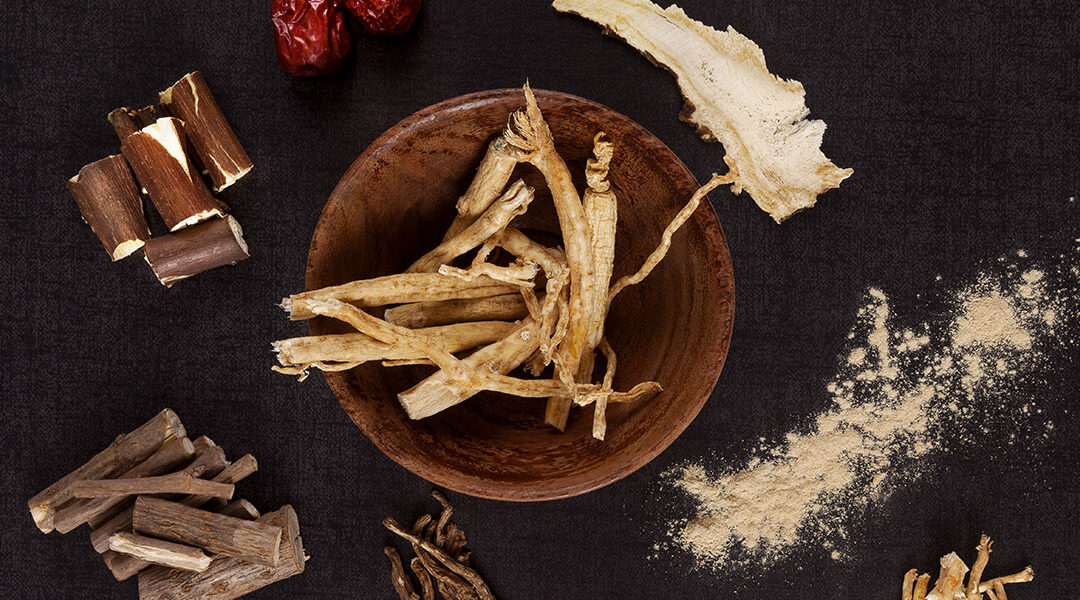
#2 Ashwagandha

KSM-66 by Nootropics Depot or Sensoril by Nootropics Depot

Ages: 18 and up

Ashwagandha is a root used traditional in Ayurvedic medicine for over 2,500 years. Studies have shown that it reduces stress, memory enhancement, antioxidant activity and enhanced immune function.

It is important to note that ashwagandha can have powerful effects on mood, and people react differently to KSM-66 or Sensoril. If you are sensitive to herbs or drugs that affect mood, ashwagandha may not be your best choice.

For athletic performance, ashwagandha has been proven to consistently deliver.

  • One study showed faster swimming time in rats, longer duration of muscle contractility in the heart muscle of frogs and increased glycogen storage capacity in the liver.
  • A second study showed that ashwagandha promoted significant immunological effects within 96 hours of consuming the root extract twice daily.
  • A third study found that ashwagandha increased velocity, power, VO2 max, lower limb muscular strength and neuromuscular coordination.
  • A fourth study used elite Indian cyclists for 8 weeks. One group received 500mg of the root extract 2x a day, while the other group received a placebo. There was significant improvement in the experimental group in all parameters, namely, VO2 max and time for exhaustion on the treadmill.
  • A fifth double-blind, placebo-controlled study found that ashwagandha root extract supplementation (300mg 2x a day) was associated with significant increases in muscle mass (bigger arms and chest) lower muscle damage and greater strength.
  • A sixth randomized double-blind, placebo-controlled study gave people under chronic stress 300mg of KSM-66 full spectrum extract of Ashwagandha, twice a day, that substantially reduced cortisol levels and all scores related to anxiety.

Ashwagandha appears to be an excellent adaptogen for both endurance and strength athletes, as well as those under tremendous physical, mental or emotional stress. Ashwagandha can also help normalize thyroid function by converting T4 to T3. Avoid during pregnancy and if you are prone to depression.

#3 Siberian Ginseng

Wild Eluethero Root by Herb Pharm

Ages: 18 and up

Siberian Ginseng, also known as eleuthero root, is a small, woody shrub native to the mountain forests of Northeastern Asia. It has been used for centuries in China and Russia to prevent colds and flu, increase energy, vitality, and longevity.

It has been shown in both in vitro and animal models to increase endurance, muscle strength, increase memory and learning, anti-fatigue, increase immunity, and anti-depressant effects.

One study found after 8 weeks of 800mg, VO2 peak of the subjects elevated 12%, endurance time improved 23%, the highest heart rate increased 4%, and metabolism was altered which spared glycogen storage.

The study concluded that “this was the first well-conducted study that shows that 8-week ES supplementation enhances endurance capacity, elevates cardiovascular functions and alters the metabolism for sparing glycogen in recreationally trained males.”

The adaptogenic properties of ginseng are believed to be due to its effects on hypothalamic–pituitary–adrenal axis, resulting in elevated plasma corticotropin and corticosteroids levels.

A thorough review of the human studies to withstand adverse conditions (heat, noise, motion, work-load increase and exercise) to improve auditory disturbances, mental alertness, intellectual work capacity, work output, quality of work and athletic performance concluded the evidence is extensive.

The Complete German Commission E Monographs indicated Eleuthero Root is “a tonic for invigoration and fortification in times of fatigue, and debility or declining capacity for work and concentration.”

In Mongolia, it is used to accelerate adaptation of new people to the harsh mountain and desert climate. In the U.S., it has been used for a rapid recovery from exercise. It has also be found to be effective for treating upper respiratory tract infections, common with runners.

The quality you purchase is very important because many commercial products can have little to none of the herb at all along with contamination. Avoid taking past 3:00 in the afternoon since it can affect sleep.

The Athlete’s Power Tonic is fairly unknown, and is also a very affordable and effective tincture. It contains eleuthero root, sarsaparilla, saw palmetto and Gotu kola. The herbs contain natural phytosterols (plant steroids), and sarsaparilla may augment testosterone.

On days I have used this product, I have seen an incredible increase of endurance and strength that I couldn’t attest to anything else when used 3 times daily. It has also helped focus and concentration for long hours. I would love to hear more people’s experience with it.

#4 Schisandra

Schisandra by Herb Pharm

Schisandra is an adaptogen native to North America and Asia, and is normally seen in formulations related to detoxification and liver health. This is because it has protective effects against air pollution and heavy metals. What is less known about schisandra is that it has some solid research for the aging body to maintain muscle strength and endurance levels.

Animal studies show that schisandra upregulates genes involved n protein synthesis and muscle growth in old mice after chronic forced exercises (swimming), downregulates genes important for protein degradation, and improves the running endurance time of rats.

In a randomized, double-blind, placebo-controlled 2020 trial, 1,000mg of schisandra extract was used in adult women to study the effect of quadricep strength and lactate levels. After 12 weeks, quad strength was significantly increased and lactate level at rest was significantly decreased compared to the placebo group.

#5 Rhodiola Rosea

Rhodiola Rosea by Gaia Herbs

Ages: 18 and up

I will admit it, Rhodiola is a mystery to me. The science is astounding, and the history behind it is equally as interesting. It was recorded to be used in ancient Greece, and the Vikings relied on it for strength and endurance. I mean c’mon, have you seen pictures of those guys? Yet it seems to be very hit or miss with people. That is the nature of adaptogens, however, and you need to find the right fit for you.

In terms of Rhodiola, my impression from the research shows that it appears to have the most effect on mental performance, which drives physical performance.

In multiple double-blind, placebo-controlled trials, Rhodiola Rosea enhanced learning, prevented mental fatigue, reduced errors and improved the quality of work produced.1,2

Rhodiola Rosea has the most pronounced effect on mental fatigue during stress and strain when compared to other adaptogens. This could prove invaluable if you need to increase your drive, focus and will to push through the pain when your body can go much longer than your mind.

Numerous Soviet studies have shown that Rhodiola not only enhances learning and memory, but it improves mental speed, accuracy, work capacity, abstract thinking, reaction time and errors.

Biochemically, it raises levels of the feel-good neurotransmitters serotonin, norepinephrine and dopamine in the brainstem, cerebral cortex, and hypothalamus. It may be contraindicated in those with bipolar disorder or manic depression.

If you are interested in reading more about it, I highly recommend the book The Rhodiola Revolution: Transform Your Health with the Herbal Breakthrough of the 21st Century. Rhodiola is inexpensive but buy from reputable brands for quality control like the one in the link.

Other Sources

1. Darbinyan, V. et al. Rhodiola Rosea in Stress Reduced Fatigue-A Double Blind Cross-Over Study of A Standardized Extract SHR-5 with a Repeated Low-Dose Regimen on the Mental Performance of Healthy Physicians during NIght Duty,” Phytomedicine 7, no. 5 (2000): 365-71.

2. Spasov, A. A., et al., “A Double-Blind, Placebo-Controlled Pilot Study of the Stimulating and Adaptogenic Effect of Rhodiola Rosea SHR-5 Extract on the Fatigue of Students Caused by Stress during an Examination Period with a Repeated Low-Dose Regimen,” Phytomedicine 7, no. f2 (2000): 76-78.

The Best and Worst Multivitamins

The Best and Worst Multivitamins

Whether you are eating a poor diet and trying to fill in the gaps with a multivitamin, or eating a balanced diet and taking a multivitamin for insurance against deficiency, dietary supplements in the form of a multivitamin are a part of more than 30 percent of an American’s diet.

Are multivitamins necessary? This is a common question for average humans and athletes alike, and a popular topic in the medical field. Below we will explain how we determined the best and worst multivitamins.

How Are Multivitamins Made?

You will find the following processes that are used to make a multivitamin: whole food, naturally derived and modified, synthesized from yeast or fermentation.

Typically there isn’t a multivitamin that doesn’t contain some synthesized or “scientifically formulated” nutrients since they cannot be reached to high enough levels from food to hit the target amounts. The best and worst multivitamins show that the best are moving more towards whole food sources.

The majority of “whole food multivitamins” actually use a nutrient-rich broth, added synthetic vitamins and the yeast saccharomyces to metabolize and convert them, then use small amounts of fruit or vegetable blends as filler. The difference is if those forms are in the biologically available and active form.

This is where the claims can fall in a gray area. There are certain synthetic dietary supplements like vitamin E and beta carotene that have performed poorly and at a detriment in studies, whereas L-ascorbic acid has performed very well. Magnesium citrate, malate, and glycinate show superior absorption over oxide or carbonate forms.

Folic acid may now be questionable due to gene variants like MTHFR, with methylfolate being the preferred form (very important during pregnancy and for subsequent generations).

The Major Studies on Multivitamins

1. A large randomized double placebo clinical trial in 2012 looking at 16,451 male doctors over 50 with a history of cancer followed for more than a decade found that those who took a multivitamin had an 8% lower incidence of cancer returning, however, it did not have any effect on prostate cancer or men without a history of cancer. It also did not show any reduction in heart attacks or strokes.

2. A 2006 study looked at the efficacy and safety of multivitamin and mineral supplement use to prevent cancer and chronic disease in adults. In a poorly nourished Chinese population, combined supplementation with beta-carotene, alpha-tocopherol, and selenium reduced the incidence of and mortality rate from gastric cancer and the overall mortality rate from cancer by 13% to 21%.

In a French trial, combined supplementation with vitamin C, vitamin E, beta-carotene, selenium, and zinc reduced the rate of cancer by 31% in men but not in women. Multivitamin and mineral supplements had no significant effect on cardiovascular disease or cataracts, except that combined beta carotene, selenium, alpha-tocopherol, retinol, and zinc supplementation reduced the mortality rate from stroke by 29%.

A combination of 7 vitamins and minerals stabilized visual acuity loss in a small trial, and combined zinc and antioxidants slowed the progression of advanced age-related macular degeneration in high-risk persons. No consistent adverse effects of multivitamin and mineral supplements were evident, and the conclusion was that it couldn’t be proven or disproven if multivitamins helped prevent cancer or chronic disease.

3. The study from JAMA looked at 68 trials with over 230,000 participants taking different varieties of antioxidants (A, C, E, beta carotene, selenium) and concluded that “treatment with beta carotene, vitamin A, and vitamin E may increase mortality. The potential roles of vitamin C and selenium on mortality need further study.”

Anyone that has read numerous positive studies on vitamin C might have frowned at that conclusion. A closer inspection shows that the cherry picking of these studies looks like something Inspector Clouseau might have worked on.

According to Dr. Houston from Vanderbuilt Medical School, “from an original pool of 815 studies, the researchers excluded a whopping 747 of them (91.5%) for one reason or another, leaving just 8% on which to base their conclusions. Of the excluded studies, 405 were rejected simply because none of the participants in these studies had died.

How can the researchers possibly prove that antioxidants have no effect on mortality if they’ve eliminated almost half of the studies in the data pool specifically because there was no mortality?”

In all the final studies pooled, the antioxidants were synthetic and chronically ill people were mixed in with healthy people. Closer inspection shows a VERY wide dosage from only 60mg of vitamin C to 200,000 IU of vitamin E in a single day!

Professor Balz Frei, the Director of the Linus Pauling Institute at Oregon State University commented on the study saying “all the new study really demonstrates is a bias toward identifying studies or research that show harm caused by antioxidants, and selective removal of research that shows benefits.”

Do You Need a Multivitamin?

A better question is “do you need a multi-mineral?” A standardized daily allowance has created a skewed perception of our individual requirements and what is provided by the soil our food was grown in. Dr. Linus Pauling, winner of two Nobel Prizes once said, “You can trace every sickness, every disease and every ailment to a mineral deficiency.”

While I cannot find the document online, the chemist Raymond Francis in his book Never Fear Cancer Again states “a 1992 Earth Summit Report suggested that 99 percent of Americans are mineral deficient.”

What about vitamins? Water-soluble vitamins like all of the b-vitamins and vitamin C are what I see to be a major problem due to the lack of access to freshly picked foods. Both of these deplete quickly post-harvest, and the majority of clients I see are deficient in these nutrients.

Magnesium is also a major mineral lacking in our water and soil. On the other side, people may need to avoid folic acid (synthetic form) in fortified foods and in multivitamins because it blocks folate receptors. This has been indicated in breast cancer and autism studies. There is likely a genetic susceptibility based on variants in the DHFR enzyme MTHFR genes. However, be careful with isolated methylfolate dosage and don’t assume that more is always better.

Top 5 Arguments for Vitamin and Mineral Supplements

1. Chemical agriculture has depleted, polluted and destroyed the soil and our water supply. If the minerals are not in the soil, they are not in the food. If the water is stripped of its minerals and polluted, and crop rotation and composting is not practiced, then the food is in a sorry state to begin with.

  • Vitamins are highest when foods are freshly picked, and many decline rapidly post-harvest, both chemically and organically grown. Worldwide shipping and storage of fruits and vegetables give us further depleted food.
  • Glyphosphate (potent herbicide on GMO crops) blocks calcium, magnesium, manganese and iron from being absorbed in genetically modified grains, fruits, legumes and vegetables.
  • Spinach and asparagus lose 50-70 percent of their folate when kept at room temperature for three days.
  • Vegetables such as asparagus, broccoli, and green beans typically lose 50 percent of their vitamin C before they reach the produce counter.
  • Potatoes lose as much as 78 percent of their vitamin C during long-term storage at 36 degrees.
  • Nitrogen fertilizers used in non-organic agriculture may lower vitamin C content in fruits and vegetables.
  • Blanching of vegetables prior to freezing can destroy half the vitamins.
  • Freezing meat can destroy up to 70 percent of its vitamins.

2. We are no longer growing our own food or collecting it from the wild fresh. Processed food has become a staple for a large percentage of the population, feeding people food that is calorie rich and nutrient poor. Very few people can obtain a daily diet based on our hunter-gatherer and farming ancestors.

3. Sugar, refined carbohydrates, stress, excess coffee, and excess alcohol consumption has created depletion on top of toxicity.

4. A highly chemical environment, diet, medications, and personal care products have put new demands on the human body that it has never had to deal with the history of mankind. Deficiencies of certain minerals increase the uptake of heavy metals. Lead will take the place of calcium, cadmium will take the place of zinc, aluminum will take the place of magnesium, and nickel will take the place of manganese.

5. An indoor, sedentary, high-stress environment puts additional demands on the body that increase the need for numerous vitamins and minerals that are also needed to offset the toxic byproducts of stress hormones.

Top 5 Arguments Against Multivitamins

1. They don’t work.

Answer: One standard formula for an entire population is bound to fail for those with individual biochemical needs where it may only take one nutrient or mineral needed in higher amounts to make the difference.

2. You can get all the RDA vitamins and minerals from food. Supplements are not necessary.

Answer: Remember that the RDA is the absolute minimum needed to prevent things like scurvy, not the amount required for optimal health. However, you can get above the RDA for certain vitamins and minerals with a good diet.

3. They cause more harm than good.

Answer: This could be true for formulas using food dyes, artificial sweeteners, toxic forms and high amounts of certain vitamins and minerals. Pharmaceuticals are connected to over 125,000 deaths per year. According to the U.S. National Poison Data System, there were zero deaths linked to supplementation as of 2010.

You can find thousands of clinical studies showing the efficacy of supplementation without side effects or toxicity. You cannot compare a cheap synthetic vitamin in the wrong form or toxic forms of antioxidants with the form found in nature and call them equivalent. Each time vitamin E and beta carotene is brought up to cause harm in studies, people fail to mention the ones used were synthetically made into the wrong form and have no biological activity.

4. Many people consume too many calories, and therefore are able to get the extra amount of vitamins and minerals required.

Answer: Not likely. We are a calorie rich and nutrient poor nation. We are creating more vitamin and mineral deficiencies due the depletion caused by sugar and refined flour based carbohydrates (depletes b-vitamins, vitamin C, magnesium and calcium just to name a few).

5. If you need extra vitamins, you should eat fortified foods.

Answer: You will not find dieticians recommending supplements, but you will find them recommending fortified foods. Let the irony settle in for a minute. Why would they say not to take supplements, but to choose food with added poorly made synthetic vitamins? Because the American Dietetic Association is funded by processed food companies. This is how a diet of fortified cereal, fortified orange juice, low-fat dairy and artificial sweeteners became forced on the public. This is also why many will not use the dietician title now due to the loss of credibility.

How Nutrigenomic DNA Nutrition Testing Can Help

For some people, multivitamins may actually prevent them from choosing more nutrient-dense foods in their diet and continue bad eating habits, using a multivitamin as false insurance. How do you know which vitamins you are lacking? Check out the PhytoVest analysis.

The way you find out exactly which ones are most likely missing is going to be strictly due to the individual’s food choices, physical activity, soil mineral levels, cooking preparation, constitution, genetic biochemistry, stress, environmental pollutants and other factors.

In other words, challenging without a professional analysis. What we do know is that there are certain vitamins and minerals that are harder to get in today’s world and require a much higher need for the majority.

What do the majority of multivitamins lack? Calcium, magnesium, choline, enough vitamin C, K2, omega-3 fatty acids, sufficient iodine, b-vitamins in the active bioavailable form, vitamin E in all eight forms, true vitamin A (not just beta carotene) and enough vitamin D. 

If you are interested in determining where you have higher needs for certain vitamins, mineral and compounds at a genetic level, I spent years developing nutrigenomic software to help find these answers. It has been by far been the most life-changing testing I have done for myself and thousands of others. Check out Nutrition Genome.

The Worst Multivitamins

While supplements are immune from the death statistics, they are not without their problems. While it’s not proven that supplements were the main cause, Consumer Reports states that 6,300 serious adverse events were possibly associated with supplements.

I wouldn’t be surprised if some supplements are associated with adverse effects because without regulation and accountability, untested products are going to find their way in mainstream stores.

Everyone has different sensitivities, and certain additives and versions of vitamins can cause issues for some but not others. You need to do your homework on reputable companies that do purity tests and clinical studies backing up their claims.

One incident happened to Gary Null, who was almost killed by his own product when Gary Null’s Ultimate Power Meal almost became his last meal with an overdose of vitamin D (2 million instead of 2 thousand IU).

Another example occurred with a liquid multivitamin that had 200 times the amount of selenium (40,800mcg) that it should of, leading to acute selenium toxicity in chiropractor patients. For the best and worst multivitamins of 202 list, you want to pay attention to why the worst were chosen, and use these guidelines if choosing a multivitamin not on the best list.

The following matched one or more of the previous criteria for my opinion of the worst multi-vitamins:

1. Flintstones Vitamins: When I was a child, my mom (also a nutritionist) would do lectures using Flintstones vitamins as an example of what not to buy. She would take a lighter to the vitamins and it would melt down to a mound resembling oil, from the coal based artificial colors.

The #1 children’s multivitamin in the US and the top vitamin recommended by Pediatricians is produced by the pharmaceutical company Bayer and contains the neurotoxin aspartame, cupric oxide (a potentially toxic form of copper), coal tar artificial colors, hydrogenated GMO soybean oil and GMO corn starch.

2. Centrum Multi-Vitamin/Mineral: Made by the pharmaceutical company Pfizer, and brings in close to 1 billion in sales. Centrum uses synthetic vitamin E (dl-alpha-tocopherol) and beta carotene, the same kind that has been found to cause detrimental health problems like prostate and lung cancer.

It uses the oxide form of magnesium, which only 4% is absorbed. It contains hydrogenated palm oil, a trans-fat highly correlated to heart disease, not to mention all the horrible artificial colors including FD#C Blue #2, Yellow #6 and Red #40 found to disrupt mitochondrial function (the power house of a cell).

study published in the Journal of Food and Chemical Toxicology found that the dyes actually enter the bloodstream through the skin or digestive system, debunking previous expertise that the skin blocked it and the digestive system destroyed it first.

This is alarming because these dyes have already been linked to ADHD, allergies, and asthma, but due to the dye’s ability to inhibit cellular respiration, a whole cascade of health effects.

3. Bayer One a Day: Vitamin A is labeled (14% as beta carotene). When the source of the beta carotene is not listed, that means it may be synthetic.

Synthetic versions of beta carotene have been shown to increase the risk of cancer in heavy smokers and drinkers, and accelerated the death and shortened the life span of rats exposed to radiation.

The natural form of beta carotene decreased the death rate and significantly increased the life span of exposed rats. Synthetic vitamin E is used and seen as dl-alpha-tocopherol acetate. It has been shown to have little or no anticancer effectiveness, and may even increase prostate cancer. Magnesium oxide and zinc oxide are used, a poor choice for men especially.

4. Nutrilite™ Double X™ Vitamin/Mineral/Phytonutrient Supplement by Amway: The Nutrilite Double X multivitamin by Amway is priced at $87 for a 31-day supply, with a vitamin and mineral formulation that costs as little to make as possible.

The multivitamin uses a source of beta-carotene that is not listed, folic acid, cyanocobalamin, magnesium oxide, zinc oxide, and synthetic vitamin E (dl-alpha-tocopherol). There are a lot of additives in the other ingredient section like soybean oil, glucose syrup and sucrose as well.

While they did a lot of research on the plant concentrate section, they need to match the vitamin and mineral profile with the same quality and price it appropriately.

Here is the full list of non-medicinal ingredients: Acacia, Agar, Ascorbyl Palmitate, Calcium Stearate, Calcium Sulfate, Carnauba Wax, Corn Starch, Croscarmellose Sodium, Calcium Phosphate, Dibasic, dl-Alpha Tocopherol, Glucose Syrup, Hydroxypropyl Methylcellulose, Glycerin, Magnesium Stearate, Maltodextrin, Medium Chain Triglycerides, Microcrystalline Cellulose, Mixed Tocopherol Concentrate, Unhydrogenated Palm Oil, Pea Starch, Silicon Dioxide, Sodium Alginate, Sodium Ascorbate, Soy protein isolate, Sucrose, Pectin, Soybean Oil, Dicalcium Phosphate, Corn Starch Modified, Powdered Cellulose, Gum Arabic.

5. GNC Ultra Mega Gold: This formula has many carbonate and oxide forms, and in particular copper, magnesium and zinc in oxide form in my book are considered “bad form.”

While this is detrimental for women and men for different reasons, men especially need good sources of magnesium and zinc for the heart and prostate. Make sure you are getting citrate, malate glycinate or picolinate forms.

There are many ingredients that look added for the wow factor, but almost all of them are so low that they are insignificant. While the tocotrienol complex is admirable, 900 micrograms is not going to do much when the effective dose starts at 375 milligrams or more according to A.C. Grace.

On the other ingredient section, it says “sucralose” while below it states “no artificial flavors.” Get the facts straight GNC. These should obviously be avoided, but why would you put artificial flavors in something that you are not even eating? It’s maddening.

6. PaleoBalance All in One WholeFoods Multi-Vitamin: You are probably shocked to hear me put a multi-vitamin with the name “Paleo” in it on the bad list. Well, thou shall not use the word Paleo in vain. As I have learned more about the manufacturing process, I have learned how to spot companies cutting corners to create a cheaper product.

If you look at the label closely, there is nothing impressive about the vitamin and mineral profile. The oxide and carbonate forms are the cheapest to use, and also the most poorly absorbed (only 10 percent of oxide forms are absorbed). Magnesium and zinc use the oxide forms in their formula (both important for neurotransmitter health) and the calcium used is carbonate.

Vitamin E should also be used with mixed tocopherols, not just d-alpha. The vitamin D is D2 (often synthetic) while D3 is considered to be much more effective. Iron is missing, so if you are female you will want something with iron. Vitamin K is missing, which is probably the first time I’ve seen a multi-vitamin missing vitamin K.

PaleoBalance uses cheap vitamins and minerals, and from what I can see non-organic blends. In general, blends are usually very small amounts, so I question how effective these are in the first place and I suspect they are added for marketing.

If you look at the omega 3 profile, it is plant-based (only 11mg of ALA, barely if any will convert to EPA and DHA where 200-300mg are usually standard). After receiving multiple emails about this product, I wanted to set the record straight that this isn’t what I would deem up to Paleo standards.

The Best Multivitamins and Multiminerals

See the latest Supplement Rankings for Men and Women below:

Men’s Multivitamins
Women’s Multivitamins

If you are looking to read about choosing specific multivitamins for athletes, executives, children, seniors, pregnancy or making your own, I recommend the following articles:
The Best Multivitamins for Athletes and Executives
The Best Children’s Multivitamins
Best and Worst Multivitamins for Seniors
Best and Worst Prenatal Vitamins
How to Create Your Own Multivitamin with Food

The Best Multivitamins for Athletes and High Performing Executives

The Best Multivitamins for Athletes and High Performing Executives

Whether you are pushing yourself physically or mentally past the limit, you need the raw materials to maintain a sustained effort for the long haul. The body’s reserves can only maintain a high level of performance for so long before exhaustion, injuries, poor recovery, accelerated aging, and other health issues can hit. This is especially true as we all age. If you are someone that only knows one speed, this article is for you. 

When you are choosing the best multivitamins for your efforts, a cheap and poorly designed product is not going to do it. Even a higher quality standard multivitamin designed for the general public may not be enough. This is why there is a specific category for the best multivitamins for athletes and high performing executives. Please refer to our article on what makes a great multivitamin for a foundational understanding of the topic.

The Superhuman Demands of the Athlete and Executive

The demands placed on the mind and body through endurance training, high-intensity exercise and strength and conditioning are fundamentally stress. There is such thing as good stress that makes us stronger at the right dose and at the right frequency (refer to hormesis in another article), but too much of a good thing can be detrimental. 

Alternatively, the mental requirements to multi-task, focus, stay calm, perform in front of groups and put out fires in the office also taxes your entire physiology. We are better equipped to handle the physical stressors, but chronic psychological and emotional stressors can be far more detrimental in the long run.

This is why it is imperative you follow the rules that govern the body. If you sleep less than everyone else, neglect nutrition and forgo the gym for the office, this is not a badge of honor. It is a recipe for you to get lapped by your competition. 

While some may argue the positive effects from multivitamins may be small or hardly noticeable with a highly trained healthy individual with solid diet and lifestyle habits, this perspective misses a crucial and unique reality of being a high-performing individual.

The micro improvements may shave off milliseconds, and any physical or cognitive edge can be the difference between winning and losing, a gold medal or a new world record. For executives, every advantage has cumulative value; consider each small diverse addition compounding the health of your body’s portfolio over time.

What Vitamins and Minerals are the Most Crucial for Athletes?

The greatest deficiencies seen in athletes that can also be used as a baseline for executives include: (ref 1, 2, 3, 4):

In the case of the above major population sweeping deficiencies, a multi-vitamin/multi-mineral seem to cover your bases but fall short with D3 (depending on the individual), magnesium and calcium (based on the multi used). Iron is especially important for women. 

What are the Best Vitamins, Minerals, and Compounds For Athletes? 

This section outlines the most comprehensive research on the vitamins, minerals and compounds based on the systems they affect.  This can help you narrow down what is most important for you.

Please refer to other Health Beat articles for recommendations that include the best whey, collagen, fish oil, protein for athletes, fat for athletes, carbs for athletes and electrolytes.  

Adrenal and Thyroid Health (HPA Axis)

The Adrenal Fatigue and Thyroid Connection article outlines how burning the candle at both ends can get you stuck in a fatigue loop. A sluggish thyroid, exhausted cortisol, trouble sleeping, low carb and caloric deficit diets, and overtraining can all put you at risk of immune, adrenal and thyroid issues. Too much coffee and alcohol affect these functions, as does everyday stress.

Vitamins and Minerals: B6, B2, Vitamin A, Vitamin D, pantothenic acid, B-vitamins, zinc, selenium, copper, iodine and magnesium. 

Compounds: Taurine, ashwagandha, Rhodiola Rosea, lion’s mane, Plant sterols/sterolins, ginsengs/American ginseng, Coleus Forskohlii, and mucuna pruriens.

Bone Health

Due to the increased exercise and/or the pressure to obtain an optimal training bodyweight, some female athletes may develop low energy availability or an eating disorder and subsequently amenorrhoea and a loss of bone mineral density. The three inter-related clinical disorders are referred to as the “female athlete triad.”

Elite athletes that may not use gravity to assist in developing bone density, like swimmers and cyclists may also have the highest risk of fractures and poor bone density and would benefit from weight lifting.  

The focus for females need to be iron, bone supporting vitamins, minerals and estrogen promoting (e.g. phytoestrogens) compounds for women.

Vitamins, Minerals, and Compounds: Vitamin D, calcium, magnesium, zinc, copper, silicon, vitamin K1, K2, vitamin C, inositol, L-arginine and boron.

Phytoestrogens: Flax, hops, alfalfa / clover, licorice root (Glycyrrhiza glabra), chaste berry, shatavari, mucuna puriens, ashwagandha, maca (may be stimulatory) royal Jelly, dang qui (Angelica gigas), and select plant lignans (hops, flax, licorice root, Norway spruce, soy).

Cardiovascular Health

For more in-depth reading on cardiovascular health, please see the following articles: The Diet Myths about Heart Disease and Strokes, How to Lower Your Cholesterol Naturally, and How to Interpret Your Cardiovascular Bloodwork

It is no mystery that stress increases your risk of heart attacks and strokes. Coronary artery calcification is significant in endurance athletes and oxidized LDL in athletes is a concern. The PON1 gene in the Nutrition Genome Report can help you see if you are more susceptible to oxidized LDL and strategies to prevent it, along with other genes helping you determine the best personalized foods for heart health. 

C-reactive protein and homocysteine in athletes tend to be elevated. Increased demand on methylation related to betaine loss and creatine need in muscles (creatine synthesis is very methyl group demanding and heavily reliant on glycine). Choline is vital as a methyl donor and improves REM sleep and memory (preferably packaged with DHA, carotenoids, and CoQ10).

Vitamins and Minerals: Glycine, vitamin C, K2, Vitamin E, D3, B-vitamins (in particular folate, B6, B12), magnesium (taurate), calcium, selenium, and boron.

Compounds: CoQ10, garlic, blueberry, reishi, carotenoids, omega 3 fatty acids, polyphenols, other phytochemicals (pomegranate, grapefruit, black cumin seed oil, olive oil, resveratrol and pterostilbene containing concentrates), alpha-lipoic acid, nitric oxide boosting compounds (arginine, citrulline, glutathione), betaine, creatine, pycnogenol, cacao and grape seed extract.

Endurance

Vitamins and Minerals:  B6, magnesium malate, sodium bicarbonate and electrolytes.

Compounds: Ashwagandha, eleuthero, creatine, nitrates (e.g. beetroot), sources of arginine, nitric oxide supporters (pomegranate, apple cider vinegar), spirulina, cordyceps, reishi, Pine Bark (Pycnogenol), rosemary, garlic, ginkgo biloba, Kaempferia parviflora, gynostemma, astragalus, and green tea.

Detoxification

Chronic inflammation is across the board a bad thing. Low inflammation is linked to longevity and these strategies are applicable to athletic performance and executive performance. Increased toxic load in the modern world exercising with air pollution. DNA repair for DNA damage of athletic and heat stress.  

Increased sweating, metabolism, and utilization of fat stores (which tend to also store toxins) by athletes require very effective detoxification.  Sluggish detoxification may inhibit performance and recovery. 

Vitamins and Minerals: Vitamin A, Vitamin C, E, methylfolate, folinic acid, B6, various B12 forms, B2 and niacin.

Compounds: Sulfur-containing compounds (broccoli sprouts, garlic), cysteine-containing compounds (NAC, whey), glycine containing foods (collagen, broth), melatonin, taurine, betaine, choline, holy basil, Chaga, reishi, cordyceps, cell membrane integrity (DHA, EPA, PS, PC, CoQ10, astaxanthin), chlorella, cilantro, reishi, plant phytochemicals (lycopene, lutein, resveratrol, pterostilbene, triterpenes), milk thistle, spirulina, schisandra, and Alpana Galangla.

Immunity

Numerous studies over the last 35 years report an increase in upper respiratory infection (URI) symptoms in athletes during periods of heavy training and competition. Challenges athletes face such as heavy exercise and life stress influence immune function (decrease by 15-70%) via activation of the HPA axis and the sympathetic nervous system and the resulting immunoregulatory hormones. Sleeping 8-9 hours a night is a MUST for immune function and recovery.

Vitamins and Minerals: Vitamin A (retinol), D3, vitamin C and zinc. 

Compounds: Medicinal mushrooms (ß-D-glucans), compounds to boost endogenous antioxidants (refer to above), various adaptogens to potentiate stress, colostrum, astragalus, Vicina roger (black ant), velvet deer/elk antler, humic acid (synergy with beta-glucans), and plant sterols/sterolins.

For rapid response to beating the cold or flu, refer to The Battle Tested Cold and Flu Remedies article.

Injury Prevention

Athletes have a greater strain on joints, tendons, and ligaments and some are genetically predisposed to more ligament ruptures and shoulder dislocations. 

Nutrients: Glycine, Vitamin C, B6 and collagen.

Muscle Recovery

Vitamins, minerals and amino acids: Collagen, whey protein, vitamin C, B6, D3, A, magnesium, selenium and pearl powder.

Testosterone supporting compounds / anabolic compounds, collagen, turmeric, ginger, cannabinoids, triterpenes, dandelion, glutathione, Montmorency cherry; lycopene, ellagic acid, quercetin, citrulline, lycopene (watermelon, pomegranates, rose hips, tomatoes); EPA/DHA, nitrates, Shilajit, Schisandra, chaga, colostrum, beta-alanine, phytomelatonin, PQQ, P. vincina roger (black ant), Kaempferia parviflora, American Ginseng, Alpana Galangla, astaxanathin, bee products, green tea, Terminalia chebula, creatine, bromelain (Proteolytic Enzymes)

Speed

Vitamins and Minerals: Sodium bicarbonate and electrolytes.

Compounds: Ashwagandha, eleuthero root, carnosine precursors (beta-alanine), schizandra, creatine, American Ginseng and coffee.

Strength

Vitamins and Minerals: Vitamin D3, zinc, magnesium malate, selenium, boron, chromium, sodium bicarbonate, electrolytes, and trace minerals.

Compounds: Creatine, ashwagandha, eluthero root, carnosine precursors (beta-alanine), acetyl-L-Carnitine, betaine, whey, colostrum, spirulina, panax ginseng, schizandra, Shilajit, nitrates (e.g. beetroot), rosemary (ursolic acid), Kaempferia parviflora, american ginseng, and caffeine (from coffee, not isolated).

Testosterone (Men)

Testosterone promoting compounds for men (anabolic) ranked in order of our deemed best (effectiveness and safety):

Ashwangandha, cordyceps, Royal Jelly, bee Pollen and propolis (chrysin), mucuna puriens (synergistic with ashwagandha), maca, coleus forskohlii, saw palmetto, sarsaparilla, select plant lignans (PPAR alpha activators; enterlactone precursors;  testosterone to Dihydrotestosteron inhibitors), tribulus terrestris (promotes DHEA), eurycoma longifolia jack (contains squalene derivatives), bryonia laciniosa (preliminary research), and anacyclus Pyrethrum (preliminary research). 

What are the Best Vitamins, Minerals, and Compounds for Executives?

Energy (non-caffeine stimulants)

Vitamins and MInerals: B-vitamins, magnesium malate, Vitamin C and lithium.

Compounds: PQQ, CoQ10, fulvic acid, bee products, spirulina, stabilized arginine, acetyl-L-carnitine, Alpinia Galanga, cordyceps.

Stimulating Herbs: Maca, Eleuthero root, Panax ginseng (with cordyceps).

Detoxification

Executives often have more stress hormones circulating, disrupted sleep, poor air quality (office or major cities) and higher alcohol and caffeine consumption. Sluggish detoxification will also inhibit mental performance, recovery and lead to other health issues. 

Vitamins and Minerals: Vitamin A, Vitamin C, E, methylfolate, folinic acid, B6, various B12 forms, B2 and niacin.

Compounds: Sulfur-containing compounds (broccoli sprouts, garlic), cysteine-containing compounds (NAC, whey), glycine containing foods (collagen, broth), melatonin, taurine, betaine, choline, holy basil, Chaga, reishi, cordyceps, cell membrane integrity (DHA, EPA, PS, PC, CoQ10, astaxanthin), chlorella, cilantro, reishi, plant phytochemicals (lycopene, lutein, resveratrol, pterostilbene, triterpenes), milk thistle, spirulina, schisandra, and Alpana Galangla.

Focus

Vitamins and Minerals: B-vitamins, D3, viamin C and magnesium.

Compounds: panax ginseng, alanylglutamine, gotu kola, phosphatidylserine, blueberry (anthocyanins, pterstilbene), fish oil (EPA/DHA), Lion’s mane, ashwagandha, Rhodiola rosea, acetyl-L-carnitine, bacopa monnieri, Alpana Galangal, coffee, green tea, theanine.

Memory

Vitamins and Minerals: D3, C, Bs, magnesium and lithium.

Compounds: Bacopa, panax ginseng, Cholinergics, Lion’s mane, acetyl-l-carnitine, whole coffee fruit extract powder (no caffeine), ginkgo biloba, PQQ and Alpana Galangal.

Reduced Stress Response

Vitamins and Minerals: Vitamin C, selenium, zinc, iodine, and magnesium.

Compounds: Most adaptogens, holy basil, ashwagandha, rhodiola rosea, shisandra, eluthero, ginsengs, acetyl-l-carnitine, Gynostemma pentaphyllum, shilajit, Chaga, coryceps, reishi and bee products. 

While most of the above botanicals are primarily HPA axis adaptogens, Rhodiola rosea is unique in that it is primarily a central nervous system adaptogen. 

Visual Acuity

If you are spending all day on your phone and computer, you need to take incredible care of your eyes. Research has estimated that we will eye disorders will double by 2050.

Vitamins and Minerals: Vitamin C, Vitamin E, vitamin A and zinc.

Compounds: Carotenoids (Lutein, zeaxanthin, astaxanthin), anthocyanins ( bilberry, blueberry, lingonberry), DHA and Panax ginseng. 

What to Look For in a Multivitamin for Athletes and Executives

Chose those that focus on potent, difficult to source ingredients vs. the standard grocery store affair. A tiny pinch of kale in your multivitamin isn’t going to change your life. Look for synergies, co-factors and active compounds in meaningful amounts. 

  • Extracts and/or concentrates are more stable and effective at lower doses
  • Dual extracts (water and alcohol); possibly supercritical CO2
  • Preferably full-spectrum extracts or extracts are supported by whole food concentrates to ensure whole food co-factors and natural checks and balances are built-in; more probably synergies as well (i.e. entourage effect)
  • Look for formulas that target synergies/additive effects with ingredients to give you better results for limited space.  Whole foods and botanicals provide synergies
  • Inclusion of bioavailability/absorption enhancers (fulvic acid and black pepper)
  • Contain fat for fat-soluble vitamins and compounds
  • Dosing range/research-backed; proper hormetic dosing range; additive effect or synergy between ingredients; acute vs. chronic
  • Mushrooms use hot water extracts and/or alcohol extracts
  • Multiple bioavailable forms preferred (B-vitamins especially); supported whole food forms and co-factors (e.g. iodine from kelp); trace minerals (saltwater concentrates, Shilajit, black ant)

What to Avoid in a Multivitamin for Athletes and Executives

  • Fillers
  • Too much fiber
  • Sugar
  • Poor forms of minerals
  • Poor forms of vitamins
  • Contamination
  • Heavy metals
  • Many isolated phytochemicals vs. whole food concentrates: More on this is found in our longevity article and turmeric article
  • Blends of simple food powders (these are too small to make any difference and are added for marketing)

The Best Multivitamins for Athletes and Executive Performance 

1. Thorne Research Advanced Nutrients
(Athletes, Executives, Elderly and Toxic Environments)

Price: $60.00 for 30 servings
Cost per serving: $2.00 per serving

Highlights

– Higher dosage of vitamins and minerals in the right forms for those who need it
– Contains vitamin K2 as MK-7
– 250mg of magnesium malate and 250mg of calcium malate
– 850mg of vitamin C
– 225mcg of iodine
– 3mg of boron, which is excellent for bone and hormone health
– 80mg of bilberry for eye health
– Lutein, zeaxanthin, astaxanthin, and lycopene
– Nicotinamide Riboside (Niagin), which is found in small amounts of milk, beer, and yeast. It has been found in research to support healthy aging, neurological support, brain/cognitive support, metabolic/weight support, and liver support and muscle support.

Improvements 

– B12 and biotin are excessively high, even for this formula
– 200mcg of selenium may be too high for some people

2. Primitive Scientific Multivitamin for Men and Primitive Scientific Multivitamin for Women 
(Athletes and Executives)

Price: $48.99 for 30 servings

Men’s Highlights

-All the correct forms of all vitamins and minerals for those looking for dosages found in food
-B12 Methylated B12 as Mecobalactive for optimal absorption at the right dosage.
-250mcg of lithium
-Contains full-spectrum Vitamin K2 as all-trans MK7 and MK4
-Wild Alaskan rosehip blend
-Wild Alaskan wild blueberry complex
-Includes unique ingredients with cofactors, including Royal jelly, standardized organic propolis extract, fulvic acid complex and PQQ
-Brain and Eye support from bilberry extract, astaxanthin and premium choline from alpha-GPC; not cheap inferior forms like bitartrate
-Stress and Immunity support that includes holy basil and wild Chaga dual extract
-Testosterone and Energy support from cordyceps extract
-Heart support with from CoQ10, reishi extract and full-spectrum red wine grape extract (resveratrol)
-Non-GMO, gluten-free, preservative-free, vegetarian-friendly and proudly made in the USA in a cGMP and NSF certified facility.
-Tested to be exceeding low in heavy metals, aflatoxin B1, B2, G1, G2, ochratoxin A, pesticide residue and glyphosate.

Women’s Highlights

-All the correct forms of all vitamins and minerals for those looking for dosages found in food
-Methylated B12 as Mecobalactive for optimal absorption at the right dosage.
-250mcg of lithium
-Highly bioavailable iron in a form that is gentle on the stomach
-Contains full-spectrum Vitamin K2 as all-trans MK7 and MK4
-Wild Alaskan rosehip blend
-Wild Alaskan wild blueberry complex
-Includes unique ingredients with cofactors, including Royal jelly, standardized organic propolis extract, fulvic acid complex and PQQ
-Brain and Eye support from bilberry extract, astaxanthin and premium choline from alpha-GPC; not cheap inferior forms like bitartrate
-Stress and Immunity support that includes holy basil and wild Chaga dual extract
-Hormone support with standardized red clover and hops extracts
-Heart support with from CoQ10, reishi extract and full-spectrum red wine grape extract (resveratrol)
-Non-GMO, gluten-free, preservative-free, vegetarian-friendly and proudly made in the USA in a cGMP and NSF certified facility.
-Tested to be exceeding low in heavy metals, aflatoxin B1, B2, G1, G2, ochratoxin A, pesticide residue and glyphosate.

3. Pure Encapsulations Longevity Nutrients (Executives or Athletes over 60)

Cost: $52.00 for 60 servings
Cost per serving: $1.15 per serving

Highlights

– The higher dose of B-vitamins and other relevant nutrients that may be required for older populations
– Vitamin K2 as MK-7 for brain, oral and cardiovascular health (see this vitamin K2 article for more on MK-7)
– ChromeMate chromium polynicotinate and biotin are included for metabolic support
– Lutein and zeaxanthin for macular degeneration prevention (very important due to excessive screen time)
– Cognitive Pro Complex that includes bacopa, ginkgo, alpha-GPC, and turmeric
– Cardiovascular blend with red wine grape concentrate for resveratrol, grape seed extract and pomegranate
– Pure Encapsulations products are free from wheat, gluten, egg, peanuts, magnesium stearate, hydrogenated fat, artificial sweeteners and colors, and other unnecessary excipients

Improvements

– No calcium or magnesium. See this article for calcium and magnesium requirements and recommendations.
– A higher dose of zinc needed
– Vitamin E should contain mixed tocopherols and be at a lower dose

Rest and Recovery Support

1. Peak Rest Powder

If your stress levels are high, you are a light sleeper, and you are not waking up refreshed and energized, you may require more assistance to slow your brain and body down at night to get the deep rest and recovery you need. You take one scoop an hour before bedtime.

Peak Rest contains the following:

Magnesium (as magnesium glycinate): 120 mg 29% DV
L-Glycine: 3000mg
Creatine Monohydrate: 1500 mg
CLOCK® (as Rosmarinus officinalis (leaf) extract and Hemerocallis fulva (flower) extract): 1000 mg
Inositol: 1000 mg
Zylaria™ (as Fermented Xylaria nigripes (mycelium), Cuscuta chinensis (seed), and Panax notoginseng (root)): 250 mg
L-Theanine: 200 mg
Sytrinol™ (Proprietary blend of Citrus sinensis L. extract and Elaeis guineensis extract): 150 mg
Sensoril® Ashwagandha (root and leaf) extract (std. 10% withanolide glycosides): 65 mg
Venetron® Apocynum venetum (leaf) extract: 50 mg
Melatonin (as MicroActive® Melatonin): 150 mcg

What to Read Next

Best and Worst Electrolyte Drinks
Best and Worst Whey Protein Powders
Whey Protein vs. Collagen: Which is Better?
The Best Fish Oil, Krill Oil, Cod Liver Oil and Salmon oil

Other Sources

Marriott, B. M. (Ed.). (1993). Nutritional Needs in hot environments: Applications for military personnel in field operations. National Academies Press.
 
Matter, M., Stittfall, T., Graves, J., Myburgh, K., Adams, B., Jacobs, P., & Noakes, T. D. (1987). The effect of iron and folate therapy on maximal exercise performance in female marathon runners with iron and folate deficiency. Clinical Science, 72(4), 415-422.
 
Molina-López, J., Molina, J. M., Chirosa, L. J., Florea, D. I., Sáez, L., & Planells, E. (2013). Effect of folic acid supplementation on homocysteine concentration and association with training in handball players. Journal of the International Society of Sports Nutrition, 10(1), 10.
 
Woolf, K., & Manore, M. M. (2006). B-vitamins and exercise: does exercise alter requirements? International journal of sport nutrition and exercise metabolism, 16(5), 453-484.

The Best Magnesium Supplements

The Best Magnesium Supplements

In this article, you will find out why you should avoid magnesium oxide and learn the differences between malate, citrate, bisglycinate, taurinate, and L-threonate. The type of magnesium you take will determine if you get results or not based on your individual needs.

Due to the diet arguably not providing enough magnesium in the modern age, looking for the best magnesium supplements to make up the difference is crucial to reap all of the benefits. Magnesium is possibly the most common micronutrient in sub-optimal levels in everyone’s diet today. It has become something of an obsession for me because it applies to so many types of athletes, diseases, age groups, and demographics.

The far-reaching implications of this inexpensive mineral are revolutionary in the health of our population. This may be true of every dietary spectrum; whether you exist on fast food, never miss a Farmer’s Market or grow all your own food. The fact is that the most common ailments today may be due to the fact that we are not getting enough of the “spark of life.”

The lightbulb moment for me came while analyzing genetic testing results from clients at Nutrition Genome. Magnesium is highly required to maintain genomic stability, stabilizing DNA and chromatin. It is required for the removal of DNA damage generated by environmental toxins, endogenous processes, and DNA replication. Deficiency increases the susceptibility to oxidative stress, cardiovascular heart diseases as well as accelerated aging.

I started recognizing a trend of certain gene variants increasing the need for magnesium to normalize dopamine and adrenaline in our high-stress environment. This deficiency loop combined with diet, lifestyle, and genetics could lead to functionally low levels of magnesium that increase our risk of disease.

The US government study often cited shows 68% of Americans are deficient in magnesium based on dietary intake (which is high to begin with) is incredibly inaccurate based on the percentage of those with the numerous habits that deplete magnesium. See chart below.

Do You Recognize Yourself Here?

  • You get muscle spasms, twitches, restless leg or muscle pain, tight muscles, migraines, and headaches
  • You need caffeine to ramp up and have trouble quieting your mind at night leading to insomnia or restless sleep
  • You have trouble relaxing and get stressed easily
  • You do strenuous exercise
  • You have high blood pressure, metabolic syndrome, pre-diabetes, diabetes, inflammation and heart attacks in your family
  • You have more than 2 drinks of alcohol a night
  • You take antacids, anti-inflammatory meds, antibiotics, birth control, diuretics or certain heart medications (all deplete magnesium)
  • You have anxiety or depression
  • You have asthma, PCOS, Raynaud’s, osteoporosis, IBS, Crohn’s or colitis
  • You have fibromyalgia or chronic fatigue syndrome
  • You show signs of accelerated aging
  • You show signs of Alzheimer’s or dementia
  • You have ADHD, poor memory or concentration
  • You have low testosterone
  • You have tested high for aluminum
  • You have sugar and chocolate cravings
  • You get constipated
  • You are experiencing infertility

How Have We Become So Magnesium Deficient?

Need More Magnesium Convincing? You Got it. Something for Everyone Here.

  • There is evidence that magnesium exerts a positive influence on anabolic hormonal status, including testosterone. The highest levels of testosterone were found in those athletes both exercising and receiving magnesium supplementation. The gain in muscle strength occurred at dietary magnesium intake higher than 250 mg and was even more evident at 500 mg.
  • Magnesium oil applied to the skin stimulates the production of DHEA, the anti-aging hormone. One study found that centenarians (those living over 100) have higher total body magnesium and lower calcium levels than most elderly people.
  • A study of 11 indigenous cultures’ mineral intake shows a 1:1 ratio or higher of magnesium to calcium. Not one is 2:1 calcium/magnesium like the majority of supplements.
  • Magnesium affects circulating levels of norepinephrine and the synthesis of serotonin and nitric oxide. In other words, it makes you feel happy and relaxed in an age of skyrocketing anxiety and depression. Little known fact: “Take a chill pill” was actually based on magnesium. No, I made that up.
  • 40-60% of sudden deaths from heart attacks occur in the complete absence of any prior artery blockage, clot formation or heart rhythm abnormalities. They are most likely occurring from spasms in the arteries with magnesium being a natural antispasmodic.1
  • Magnesium deficiency causes arrhythmia, overactivity to stress hormones (adrenaline), overproduction of cholesterol, blood clotting in blood vessels, constriction of blood vessels, high sodium/potassium ratio, insulin resistance, atherosclerosis and vulnerability to oxidative stress.2
  • Every ATP energy molecule (Mg-ATP) in the body bonds with magnesium to produce energy, messenger RNA and DNA synthesis/stabilization. Chronic fatigue and unstable DNA is the beginning of disease.
  • Magnesium is needed for 300 biochemical reactions that maintain muscle and nerve function, heart rhythm, immunity, lowering oxidative stress, strengthening bones, regulating blood sugar levels and preventing and managing disorders such as hypertension, cardiovascular disease, and diabetes.
  • Magnesium deficiency induces heart arrhythmias, impairs glucose homeostasis, and alters cholesterol and oxidative metabolism in postmenopausal women. Women’s heart disease risk skyrockets past men after age 45.

How Much Magnesium Should You Take?

The formula for magnesium intake is 6-8mg per kilogram of bodyweight. So if you are 160lbs, you divide it by 2.2 to get your weight in kilograms (72.72).

If you multiply that by 6, it would be 436mg. For optimal absorption, you want to split the dose into two doses; one in the morning and one at night.

The Best Magnesium Supplements

While I support seeking out whole foods for almost every nutrient, magnesium is one of the few that I recommend supplementing for everyone (you know why now).

It is important to choose the right type of magnesium for your personal needs. The main magnesium to avoid is oxide because only 4% is absorbed.  I have outlined below the best versions of each one and what they are used for. There is no ranking system; it is based on your needs.

*Magnesium should be taken separately from bisphosphonate medications and caution should be taken with if taking potassium-sparing diuretics. It should be avoided with kidney disease and It may also be contraindicated with certain antibiotics as well. Talk with your doctor first.

1. Lifeforce Magnesium (Memory, energy, muscle recovery, sleep, migraines, concussion recovery, cardiovascular health) or Magnesium Threonate (sleep and cognitive performance)

This is a new product on the market that uses Magnesium L-threonate, malate, bisglycinate, and acetyltaurinate, Typically, supplements only contain one type of magnesium. This makes it one of the most comprehensive single magnesium products on the market for memory, cardiovascular health and muscle health.

Researchers from MIT formulated L-threonate magnesium to concentrate more in the brain, increasing neurotransmitter sites, synapse density, and brain cell signaling. Magnesium L-Threonate has been shown in rat studies to enhance learning abilities, working memory, and short and long-term memory by 15% for short-term memory and 54% for long-term memory compared to magnesium citrate. It improved in both young and old, with the older rats getting the most benefit.

A 2024 randomized controlled study found that magnesium L-threonate improved sleep quality, especially deep/REM sleep stages, improved mood, energy, alertness, and daily activity and productivity. If your goal is sleep and cognitive performance, choose the single magnesium L-threonate product.

Magnesium has been found to have a positive impact on both neural plasticity and synaptic density, and this particular form has the potential for those with Alzheimers, dementia or those simply wanting to improve memory.

Magnesium malate has the highest bioavailability and is one of the most effective forms for muscle pain and tightness, and energy, while bisglycinate is easy on the stomach while providing glycine for a calming effect.

Acetyltaurinate has the 2nd highest bioavailability after malate. Acetyltaurinate had the highest tissue concentration in the brain of all types of magnesium studied, and targets the hippocampus (memory).

Taurine has been found to be vascular protective, lower elevated blood pressure, prevent cholesterol-induced atherogenesis, prevent arrhythmias and stabilizes platelets – effects parallel to those of magnesium. The difference between acetyltaurinate and acetyl taurine is that acetyltaurinate has a higher absorption rate.

2. Magnesium Malate (Muscle Pain, Sleep, Fibromyalgia, Chronic Fatigue)

After extensive testing on myself and my clients, I have found magnesium malate to be one of the best forms of magnesium for muscle pain, sleep, and stress. It has also been found to have the highest bioavailability and remains longer in the body.

If the mitochondria are depleted, muscles break down, and pain and fatigue appear. Magnesium is needed for mitochondrial function and relaxes the muscles, while malate helps creates ATP production by bypassing the need for sugar in the Kreb Cycle for ATP production.

In a randomized, double-blind, placebo-controlled, crossover pilot study, magnesium, and malate together significantly reduced pain and tenderness in those with fibromyalgia at the right dosage and duration.

deficiency of malic acid and fumaric acid is linked to chronic fatigue and psoriasis, while supplementation malic acid has been reported to be beneficial in Chronic Fatigue Syndrome by reducing symptoms of persistent fatigue, muscular myalgia, and arthritic-like pains. Malic acid is highest in apples, along with other fruits and vegetables. It is also made in the body.

3. Magnesium Acetyl Taurate (PMS cramps, mood swings, anxiety, concussions)

Magnesium acetyl taurate has the 2nd highest bioavailability after malate. Acetyl taurate had the highest tissue concentration in the brain of all types of magnesium studied (threonate wasn’t included). This product is marketed for PMS mood swings and cramps based on clinical studies. However, I would recommend this for people with anxiety connected to high glutamate and low GABA levels (taurine helps convert excess glutamate to GABA), for concussion recovery due to the high concentration in the brain and for balancing glutamate spikes from the injury.

4. Magnesium CitraMate (Muscle Soreness, Energy, Aluminum Toxicity)

Magnesium Citramate contains citrate and malate chelates that enhance the Kreb cycle function for energy production and carbohydrate metabolism. Magnesium CitraMate helps provide energy while keeping the muscles relaxed and improving recovery. Malic acid has been found to be the most effective in increasing the urinary excretion of aluminum, while citric acid was the most effective in increasing the fecal excretion of aluminum. Aluminum retention is a problem for those with certain mutations or gut dysbiosis.

5. Magnesium Taurate by Cardiovascular Research (Heart, Migraines, High Blood Sugar, High Blood Pressure)

Taurine has been found to be vascular protective, lower elevated blood pressure, retard cholesterol-induced atherogenesis, prevent arrhythmias and stabilizes platelets – effects parallel to those of magnesium.

It prevents cataracts, may prevent migraines when combined with fish oil and magnesium and taurine together may improve insulin sensitivity and it is considered to possibly be a superior alternative to magnesium sulfate for pre-eclampsia.

6. Magnesium Citrate (Constipation)

This is recommended for those who are easily constipated or prone to kidney stones. This is because of citrate’s poor bioavailability.

7. Magnesium Oil Spray (Anti-Aging, Children, Avoiding Pills, Short Bowel Syndrome)
Magnesium oil is magnesium chloride from the Zechstein Seabed. You spray it on your skin, making it very convenient to have after a workout or at night to relax. Applying magnesium oil to the skin also stimulates the production of DHEA, the anti-aging hormone.

This is recommended for those who do not like taking capsules, have short bowel syndrome, post-workout for sore muscles, need extra magnesium on top of supplementation, and for children (especially at night for sleep). This spray seems to last forever. I used one bottle consistently for over 6 months now.


Other Sources

1. Magnesium Miracle By Dr. Carolyn Dean

2. New Perspectives in Magnesium Research : by Nishizawa, Yoshiki, Morii, Hirotoshi, Durlach, Jean.

The Best Probiotic and Prebiotic Supplements

The Best Probiotic and Prebiotic Supplements

For millions of years, our ancestors ingested the best probiotic and prebiotic supplements through hunting and gathering, including fresh unwashed food from the ground and trees. It is only under a microscope that we have become aware of the billions of microorganisms that also occupy these foods and then our guts.

When the agricultural age arrived, we discovered new ways of harnessing this invisible world of bacteria through the fermentation of dairy, vegetables, and grains that also provided a long shelf life without refrigeration.

Now enter the modern age, where the war on germs has led to the rise of extreme sanitation of our hands, refrigeration of our food, and washing of our fruits and vegetables. Let’s not be mistaken, good sanitation has helped prevent the plagues of our past. Like every case of extremes, we are now seeing the effects of taking sanitation too far when we look at our microbiome.

The Two Worlds of the Best Probiotics and Prebiotics

The word “probiotics” is derived from Latin and Greek, and literally means “for life.” The way we get probiotics is from the dirt, unwashed food and fermented foods and drinks. The bacteria in the dirt are different than the bacteria in fermented food.

We have put a lot of focus and research on the probiotic strains including lactobacilli and bifidobacterium, but have neglected many of those found in dirt. These are the ones we are exposed to as children when we stick our hands in the dirt and then our mouths.

Many people also haven’t heard of prebiotics. Prebiotics have been found to alter the neuroendocrine response, decreasing anxiety, and depression. Prebiotics are the fiber component of plants that help feed the probiotics and help them colonize.

Certain people have a lower prebiotic production in their body due to the FUT2 gene found in the Nutrition Genome Report, and therefore require more of these foods to help colonization. This is especially true when multiple rounds of antibiotics have been used. Therefore, prebiotics and probiotics are necessary for a happy, diverse microbiome.

Tiger Nuts (dehydrated root vegetables) are a food that have made a come back to the market from the Paleolithic age, a prebiotic that companies claim comprised 80% of our pre-human ancestors’ diet about two million years ago. Dandelion greens, kiwi, garlic, leeks, radicchio, garlic, artichokes, bananas, yacon syrup, asparagus, pistachios and chicory root are all examples of prebiotics.

The Microbiome Project

Along with genetics, our gut microbiome is going to become one of the major medical revolutions in the understanding of our bodies and disease. We are made up of ten trillion human cells, but there are a hundred trillion microbial cells in and on your body. That means that the microbes are really the ones running the show.

We only share approximately 10% of the microbes with each other. Combined with genetics, it is this percentage that we see the difference in weight, allergies, asthma, inflammatory bowel disease, multiple sclerosis, anxiety, depression, arthritis, autism and more.

It is in the diet and enzymatic activity that may positively influence these microbes, and our genes show how susceptible we are. But as I’ve explained through Nutrition Genome, genes are fixed but the epigenome is flexible.

Seventy to eighty percent of your immune system is made up of the beneficial bacteria living in your gut. Establishment of normal gut flora in the first 20 days of life plays a crucial role in appropriate maturation of a baby’s immune system. Hence, babies who develop abnormal gut flora and bad bacteria are left with compromised immune systems and allergies rise.

We know that low-diversity microbiomes have been associated with those in hospitals and with worse health outcomes. We may find out that centenarians (those living over 100) have an extremely diverse and healthy microbiome, or perhaps there are “longevity strains” that are found in higher amounts in these individuals.

The Health Spectrum of the Microbiome: What are the Benefits of Probiotics?

I wrote an article titled Mental Health Starts in the Gut, Not the Brain. As you will see, we are just beginning to see how significant our bacterial populations are with our health.

Grains

According to microbiome researcher Jeff Leach “Whole grain consumption seems to be associated with high levels of a type of bacteria called prevotella. Prevotella has been associated with inflammation in HIV patients and it’s been associated with rheumatoid arthritis. We don’t know why that is, so the jury’s still out on whole grains.”

Food Allergies

The peanut allergy rise has currently been blamed on the “hygiene theory.” Basically, we are too clean and too quick to use antibiotics. Our immune system is not given a chance to be exercised and made stronger and therefore overreacts.

More specifically, evidence points towards poor gut flora as being the cause. One study in the Journal of Immunology found that an extract taken from E. Coli – which is a bacteria in our gut and becomes a problem when not kept in check – broke down the peanut proteins where the enzymes failed, and practically eliminated the allergenic response. I imagine it is the collective work of many different strains of bacteria that eliminate this response altogether.

About 35% of children with moderate to severe atopic dermatitis have skin symptoms provoked by food hypersensitivity.

Oral Health and Migraines 

One of the bacteria strains responsible for gum disease and tooth decay is called Streptococcus mutans. This showed up in the beginning of the agricultural age when grain and sugar intake went up. The same is true today when grain and sugar consumption gets too high in our diet.

Before you start swishing mouthwash to kill off Streptococcus mutans, remember the lesson of antibiotics. While killing off the bad, you are also killing off the good. There is a balanced community, and it is better to increase the good guys than to drop a bomb on everyone. Streptococcus salivarius is the strain that prevents cavities and promotes healthy gums.

When you eat nitrates (NO3-) from leafy green vegetables, they are converted to nitrites (1 oxygen is taken away to NO2-) by bacteria in the mouth. Nitrites produce nitric oxide (NO, another oxygen is lost). NO relaxes and dilates blood vessels, improving cardiovascular health and numerous other functions.

Beets are major sources of nitrates, and the reason they have been shown to improve athletic performance and lower blood pressure is due to the production of healthy nitric oxide levels.

However, the types and amounts of nitrate to nitrite conversion bacteria ranges person to person. Research has found that 4 out of 5 people who take nitrate-containing drugs for chest pain or congestive heart failure report severe headaches. Due to relaxing and constricting activity of nitric oxide, this mechanism is of major interest for migraines.

Women experience hormonal migraines right before their period because estrogen and serotonin plummet, causing nitric oxide to constrict. Perhaps we will find out that migraine trigger foods are actually linked to their microbiome population. 

Cardiovascular Health

When the latest study connected L-Carnitine from red meat consumption to higher levels of cardiovascular disease due to TMAO, it had to do with poor gut flora, not L-Carnitine in meat. A similar logic was analyzed with isolated choline and blood clots, omitting the fact the choline is often packaged in food with DHA that naturally thins the blood. TMAO fuels growth of E. Coli and salmonella.

TMAO is a precursor of dimethlynitrosamine, which is linked to liver cirrhosis and heart disease. When certain unfavorable gut bacteria are in higher amounts in the gut (from a poor diet), higher amounts of TMAO are produced.

Increase your good gut flora, omega-3 fatty acids and folate-rich vegetables, and you lower the risk of red meat or choline increasing TMAO.

Nerve Health  

New research has found that gut flora plays a role in expressing genes for myelin construction and formation for never fibers. Gut bacteria may have an influence on the body’s use of vitamin B6, which in turn has profound effects on the health of nerve and muscle cells. Microbes may have an influence on autoimmune diseases and therefore play a role in disorders like multiple sclerosis.

I have had a few clients that have had elevated B6 levels on blood tests that couldn’t be explained. Both had very poor gut health and numerous rounds of antibiotics. If gut flora wasn’t there to utilize the B6, then it is conceivable that B6 would elevate. Combine this with low GABA and high glutamate, and it explains neuropathy after rounds of antibiotics.

Type 2 Diabetes

Indolepropionic acid is produced by bacteria in the gut and helps the pancreas produce insulin. People who eat more prebiotic fiber-rich food and less saturated fat encourage the production of indolepropionic acid.

Researchers discovered the important role the acid plays in diabetes when they assessed 200 people who were all overweight and were not processing glucose well. The major difference was that those who remained diabetes-free had high levels of indolepropionic acid in their gut.

Bifidobacterium lactis, and the combination of Lactobacillus curvatus and Lactobacillus plantarum, can improve fasting insulin levels and glucose turnover rates, even in the presence of a high-fat diet.

The researchers go on to explain that “the minimization of the LPS (lipopolysaccharide endotoxin) burden by beneficial microbes appears to be a central mechanism in the promotion of normal glycemic control.”

Mental Health

According to an article in Scientific American, “when Pettersson’s team performed a comprehensive gene expression analysis of five different brain regions, they found nearly 40 genes that were affected by the presence of gut bacteria.

Not only were these primitive microbes able to influence signaling between nerve cells while sequestered far away in the gut, but they also had the astonishing ability to influence whether brain cells turn on or off specific genes.”

Bifidobacterium is capable of secreting large amounts of GABA, an inhibitory neurotransmitter to glutamine and glutamate, controlling an imbalance found in numerous mental health issues. The Stanley Foundation Neuropathology Consortium found that levels of glutamate were elevated in individuals with Bi-Polar and Major Depressive disorder compared to controls.

Studies have found that lactobacillus influences GABA levels in certain brain regions, leading to lowered stress hormones, anxiety and depression. Fermentation of rice bran, mung beans, buckwheat sprouts, and lentils, is known to increase the available GABA content significantly. Lactobacillus hilgardii also produces GABA, as does red yeast rice.

Poor gut bacteria leads to an increase in endotoxins like LPS, which can decrease the availability of tryptophan and zinc, thereby negatively influencing neurotransmission.

Could gut bacteria, endotoxins, and GABA be one of the keys to the underlining cause of numerous mental disorders? Or better labeled, bacterial deficiencies and toxicities?

You can read more about this fascinating topic in the article Mental Health Begins in the Gut, Not the Brain.


Weight Loss

If you have wondered how lean people are able to pack away the calories without gaining weight, here is your clue. Along with genetics, the microbiome is different. Human studies have found that people who are lean and people who are overweight have different microbiomes.

Those who are obese have more firmicutes and fewer bacteroidetes; the two families of good bacteria.  But just like the powerful effect of epigenetics on the genome, you can improve your microbiome.

When you think about the job of gut bacteria and your digestion, it shouldn’t be a surprise that a more diverse microbiome is going to be more efficient at aiding in the digestion of your food and detoxification of excess fat.

Guess what food was the most associated with weight loss in a New England Journal of Medicine study? Yogurt. Evidence suggests that changes in colonic bacteria might influence weight gain.

The strain of bacteria that has been found in studies to be the most effective for weight loss is Lactobacillus gasseri. In a randomized controlled trial, fermented milk containing Lactobacillus gasseri with 210 healthy Japanese adults with large visceral fat areas.

Abdominal fat when down 8.5%, and BMI, waist and hip circumferences, and body fat mass were also significantly decreased from baseline at week 12. After stopping the probiotic, all the weight came back.

Sleep

Researchers also found that weight gain is lowest among people who sleep 6 to 8 hours a night and is higher among those who sleep less than 6 hours or more than 8 hours. This is an interesting point because good bacteria influence the production of GABA, and GABA is produced in higher amounts during deep sleep.

When GABA is too low, glutamate causes your mind to race at night. Bifidobacterium is the most important for sleep is due to its ability to produce large amounts of GABA.

More Strains and their Function

The majority of the research so far has been done on lactobacillus and bifidobacterium. Other strains like Lactococcus, Enterococcus, Saccharomyces, S. Boulardii and Propionibacterium also have unique health-promoting effects.

What about soil-based probiotics like Prescript-Assist?

It is my understanding that many of these strains haven’t been studied yet besides bacillus. I think our understanding of the microbiome is in its infancy, and we have 8 million bacterial genes to work through compared to 22,000 genes in the human genome.

Another thought I’ve had about these types of soil-based organisms, is how do they change in terms of types and ratios from soil to soil, country to country? In other words, how does each unique human microbiome respond to a standard formula?

Which demographics are going to do well and which ones may have a bad reaction? What are the pros and cons to altering the microbiome with these strains and ratios daily? How long should it be used and should it be rotated?

I think we are definitely missing soil exposure by not eating directly from the land and getting our hands and feet in the dirt, but I’d like to see more research looking at environmental diversity, individual strain research and human studies before recommending a standardized soil-based organism formula for a wide population of people.

Lactobacillus

Lactobacilli are the dominant bacteria of the oral cavity, gastrointestinal tract and female reproductive and urinary system. This genus of bacteria has been found to improve the nutritional value of food, control gastrointestinal infections, improving digestion of lactose, control serum cholesterol levels, and control some types of cancer.

Lactobacillus is well known for its role in fermentation. You will find it in yogurt, kefir, pickles, cheese, sourdough bread, sauerkraut, kimchi and sour beers. Lactobacillus produces antioxidants, the cancer-preventive peptide lunasin in sourdough bread, and anti-allergenic substances,

One interesting fact is that lactobacillus as a genus can render iron unavailable for pathogenic microorganisms. Therefore, if you have very low iron levels despite iron-rich food and supplementation, you likely have a poor lactobacilli population and pathogenic bacteria are feeding off of iron.

1. Lactobacillus reuteri: L. reuteri produces reuterin (3-hydroxypropionaldehyde), a broad-spectrum antibiotic, active against bacteria, yeast, fungi, protozoa, and viruses. In infants with functional acid reflux, L. reuteri reduced gastric distension and accelerated gastric emptying.

Research found a significant effect of L. reuteri on bone health via decreasing tumor necrosis factor (TNF) levels and reducing bone resorption.

2. Lactobacillus casei MTCC 1423 strain as well and Enterococcus Faecium SF68: Effective in eliminating Giardia infection from mice.

3. Lactobacillus salivarius LS04: Found to reverse atopic dermatitis symptoms in some children.

4. Lactobacillus sakei: This strain is found in kimchi and the alcoholic drink sake. Researchers have found the sinuses of healthy people have higher levels of lactobacillus sakei that seem to help the body naturally ward off sinusitis. In laboratory experiments, inoculating mice with this one bacterium defended them against the condition.

5. Lactobacillus plantarum: A folate producing strain common in fermented vegetables and saliva. It enhances the expression of genes involved in tight junction signaling to improve intestinal barrier function, lowers high LDL cholesterol, lowers breast cancer risk in rats,  influences GABA and serotonin, lowers fibrinogen, and has been found to be effective in abdominal pain and bloating in IBS patients.

6. Lactobacillus gasseri: Improves glucose tolerance, lowers body weight by increasing the carbohydrate burn rate and shortens the duration of a cold.

7. Lactobacillus delbrueckii: This species has the strongest antioxidant activity. High levels of the endotoxin LPS from poor gut bacteria can elevate inflammation and oxidative stress.

Bifidobacterium

Bifidobacteria are generally considered to synthesize folate (all 44 strains), biotin, thiamine, nicotinic acid, pyridoxine (B6), riboflavin (B2), and B12. It produces the majority of GABA, requires iron and prebiotics, and is highly sensitive to glyphosate (GMO corn and soy). According to one study, “among the trillions of microorganisms in the gut, bifidobacteria, which, interestingly, were found through the literature to play a key role not only in regulating gut microbiota function and metabolism, but also in reducing classical risk factors for cardiovascular disease (e.g., obesity, hyperlipidemia, diabetes) by suppressing oxidative stress, improving immunomodulation, and correcting lipid, glucose, and cholesterol metabolism.”

1. Bifidobacterium longum: Mice studies have found that bifidobacterium longum normalizes anxiety-like behavior, hippocampal brain-derived neurotrophic factor (BDNF) and activate the vagal nerve in a colitis model. A rat study found that it reduced the inflammation from gliadin, the gluten protein found in wheat.

In children, it improved the symptoms of allergic rhinitis and allergic asthma and prevented constipation. One study found it shortened the duration of a cold along with lactobacillus gassari and bifidum. Another study showed that longum reduced depression in IBS patients by altering brain activity.

Results from one study using B. longum and B. breve in the presence of prebiotics significantly reduced the growth of C. diff.

2. Bifidobacterium bifidum: Bifidobacterium bifidum is a well-known species that has been shown to improve the immune system and IBS symptoms.

3. Bifidobacterium breve: Lactobacillus casei and Bifidobacterium breve have been found to reduce candida in the oral cavity of the elderly. B. breve has been found to increase mineral solubility, producing the phytase enzyme by bacteria to overcome the effect of mineral blocking phytate, reduces intestinal inflammation, and increases bone mass density.

4. Bifidobacterium lactis: A double-blind, randomized, placebo-controlled trial found that a mixture of Bifidobacterium bifidum, Bifidobacterium lactis and Lactobacillus acidophilus given to women starting at 4-8 wks before delivery and continuing until 6 months after delivery reduced the incidence of eczema.

In college students, lactobacillus rhamnosus, Bifidobacterium animalis and B. lactis were found to reduce the severity of upper respiratory infections and missed school days. B. lactis has also been found to be beneficial for constipation in women and children.

How to Choose the Best Probiotic and Prebiotic Supplements

My thoughts on probiotic supplements have evolved. The past approach has been to cram as many strains as possible with billions of bacteria. The more the better, it seemed. Then, strains with numbers behind them became the only strains that should be considered viable due to clinical verification.

Now, I believe the research is going towards understanding individual microbiomes, where strong targeted probiotic supplementation should potentially only be used with clear bacterial deficiencies in certain strains or after antibiotic use. Therefore, I think diversified prebiotic foods and powders are superior for a balanced microbiome. 

One small study even found that probiotic supplements cause confusion, difficulty concentrating and bloating, with the researcher stating another interview “If you are taking gut bacteria that doesn’t jive with your current gut bacteria, then that could definitely cause symptoms.” What this also made me think of is that we all have different requirements and microbiomes, and the future approach needs to take this into account.

Then, we have hunter-gatherer populations like the Hadza who completely lack bifidobacterium, men and women have different microbiomes based on men eating more meat and honey and women more tubers, and a high level of Treponema bacteria, linked systemic lupus and periodontitis, as well as syphilis in Western populations.

Yet, the Hazda do not experience any autoimmune disorders, diabetes or obesity. Their microbiome is more diverse, but different than what we understand to be a “healthy” microbiome. The truth is, we don’t really know what that looks like and it changes person to person, country to country.

A good probiotic supplement should contain studied strains (number after them), be alive, resistant to low pH/acids and thereby persisting in the intestine and able to adhere to the gut epithelium.  How many cheap probiotic products are dead upon delivery due to poor production and storage? 

Probiotic strain-dependent supplements are most likely not necessary if your digestion is healthy and you are eating prebiotic foods, fermented foods and drinking fermented drinks (but careful not to overdo it). Diversified prebiotic fiber – however- has tremendous benefits for everyone and provides a balanced microbiome.

The Best Probiotic/Prebiotic Supplements For Adults

1. Biome Protect by Adapt Naturals (20% off with this link)

This is a new product that I have tested within my own family with tremendous results. If you need to reduce bloating and focus on building a healthy gut barrier while helping re-colonize healthy gut flora, this is your product. Biome Protect is a 4-in-1 blend of prebiotics, probiotics, postbiotics, and polyphenols. What makes this product different is that it focuses on how to create an environment for all the beneficial bacteria to thrive and grow instead of individualized strains that may not survive. This is the future of prebiotic and probiotic supplementation.

  • Tributyrin is a highly bioavailable form of butyrate, a short-chain fatty acid that plays a crucial role in gut health
  • Bacillus Coagulans is a spore-forming probiotic survives stomach acid to reach the intestines intact
  • PreforPro® is a next-generation prebiotic that works at a much lower dose than traditional prebiotics—without the side effects often associated with fiber
  • The polyphenol blend – which also encourage healthy probiotic growth – includes pomegranate, grape, cranberry, and blueberry

I am currently searching for more products like this one. If you are aware of one, please let me know. 

The Best Probiotic Supplements for Pregnancy

The research on probiotics during pregnancy has been notoriously conflicting, and there isn’t a formula that can’t accurately be designed just for pregnancy. It depends on the individual’s needs. After reviewing many studies up to 2019 1,2,3,4,5,6,7,8 here are my conclusions:

If you have a healthy digestive system, I see no reason to supplement with probiotics and you should simply concentrate on fermented foods and prebiotics. Probiotic supplementation may actually disturb an already balanced system.

If you are at risk for gestational diabetes, a formula containing Lactobacillus rhamnosus HN001 may reduce the risk.

Those with an autoimmune disorder may benefit from probiotic supplementation and impact the child’s immune system in a positive way.

Lactobacillus rhamnosus GR-1 may prevent preterm birth (caused by preeclampsia, UTI’s, other infections, intrauterine growth restriction or idiopathic spontaneous preterm labor.  This one is likely the best preventative take since antibiotics do not have a good track record for these issues. This can be found in Fem-dophilus by Jarrow.

If dermatitis runs in the family, probiotic supplementation during pregnancy and infancy helps to prevent atopic dermatitis in children, and a formula with both lactobacillus and bifidobacterium intervention has a better effect. In this case, I would recommend Jarro-Dophilus + FOS.

 The Best Probiotic Supplements for Children

1. Hiya Kids Daily Probiotic

This product contains prebiotic fiber and three studied strains (lactobaccilus rhamnous (GG), lactobacillus paracasei (UALpc-04), and bacillus lactis (BI-04) with a 10 billion CFU count. This formulation is designed to be gentle and for helping correct constipation and diarrhea, as well as other benefits like reducing allergies and improving immunity.

The Hiya Kid’s Daily Mulitivitamin also took the top spot for the Best Children’s Multivitamin.

2.  Wellements Organic Baby Drops

I became familiar with this company for their gripe water, which was the best and cleanest one I could find. This product uses Bacillus coagulans MTCC 5856, which survives the stomach acid and doesn’t disrupt microbial balance. It has been shown to shorten the duration of diarrhea in children, and reduces abdominal gas, bloating, and distension in a randomized, double blind, placebo-controlled study.  

Other Prebiotic Supplements

1. Paleovalley Supergreens Powder

The best way to increase the health of your microbiome and the diversity of you gut flora is through diversified plant intake. This product has become a daily staple of mine due to the use of twenty three superfoods, the addition of prebiotics, and the omission of cereal grasses in the blend. Definitely one of my favorite products.